Avatar
robos
9c5d5e2e0a1d603047ad070ab184b48b53fc4dde0867e52fadadd760c3167636
Helping run >_OpenSats Bush Bash Japan organiser: bushbashjapan.fyi
Replying to Avatar Keith Mukai

Two significant-ish "akshually"s but also a DEFENSE of nostr:npub10pensatlcfwktnvjjw2dtem38n6rvw8g6fv73h84cuacxn4c28eqyfn34f in regards to nostr:npub17tyke9lkgxd98ruyeul6wt3pj3s9uxzgp9hxu5tsenjmweue6sqq4y3mgl.

On nostr:npub10uthwp4ddc9w5adfuv69m8la4enkwma07fymuetmt93htcww6wgs55xdlq #320, nostr:npub1qny3tkh0acurzla8x3zy4nhrjz5zd8l9sy9jys09umwng00manysew95gx said:

"There's multiple conspiracies with OpenSats and two of the key ones is Knots and SeedSigner. And neither have submitted applications. If you're a developer or a contributor working on either of those things, opensats.org/apply"

Akshually:

1.) SeedSigner DID submit an OpenSats application for the project as a whole. The application languished for months (perhaps 6mo to a year?) and was ultimately declined with the explanation that it was easier/preferable to support individual devs than whole projects.

2.) Based on that feedback, I submitted an OpenSats application to fund just me specifically. That was also declined. BUT the rationale was because nostr:npub17xvf49kht23cddxgw92rvfktkd3vqvjgkgsdexh9847wl0927tqsrhc9as had just announced a 6mo grant for me. I was encouraged to reapply to OpenSats before that HRF funding expired.

The delays around 1.) were totally understandable. OpenSats is a VOLUNTEER effort and had even fewer human resources at that time. But also: they don't owe us a f'n thing!! They're under no obligation to say "Yes" nor should we ever have the arrogance to think we deserve to demand a "Yes"!

BUT the delays to get to ANY answer were VERY frustrating and likely added to some of the bad blood in the water amongst those watching the project closely. Eventually each "later, soon..." response was received with increasing cynicism and creeping conspiracy theories.

The "No" was totally reasonable. Getting to "No" faster would have been better.

The "No" on 2.) was also totally reasonable. No complaints from me whatsoever. I also strongly believe that THEY WOULD HAVE BEEN A "YES" had the HRF funding not come through.

I consider O'Dell a friend and an ally. When I saw him in Nashville I gave him a hug and said, "I appreciate you."

I'm not about drama.

Not here to start any shouting matches.

Just trying to paint a clear picture about what was good and what was bad throughout our interactions with OpenSats thus far.

And full disclosure: I'm prepping a new grant application for myself for OpenSats. So, sure, I have personal reasons for not wanting to burn this bridge.

But the reality is that there was just nothing outrageous or awful or controversial about our interactions. Circumstance and timing weren't right for attempts 1.) and 2.). Crossing my fingers for upcoming 3.).

Conspiracy theories are dumb.

This is a fair summary.

We have put better processes in place to ensure applications do not languish as long as yours did. Like you said, a fast No is preferable to a slow No.

Sometimes applications take over 3 months but it's probably less than 5% and we are working to bring that down. We have processed and evaluated hundreds and hundreds of applications since I started almost a year ago.

It's worth repeating that the OpenSats Board puts in a lot of time and energy to make this all happen with no compensation.

Love your work & looking forward to your application nostr:nprofile1qqs9kr5d5m7lhfnrqwrfpvmay9kcx3dxy0xr8cg34lg0ww8dw7ftc4qprpmhxue69uhkv6tvw3jhytnwdaehgu3wwa5kuef0qythwumn8ghj7un9d3shjtnswf5k6ctv9ehx2ap0qyt8wumn8ghj7mn0wd68ytndd9kx7afwd3hkctc0axsam!

I'm falling behind - there's so much going on that it's impossible to keep up with everything. I just started playing with nostr:npub1kvaln6tm0re4d99q9e4ma788wpvnw0jzkz595cljtfgwhldd75xsj9tkzv and watched nostr:npub1rxysxnjkhrmqd3ey73dp9n5y5yvyzcs64acc9g0k2epcpwwyya4spvhnp8 tutorial. ecash looks cool - I can see why it improves custodial payments.

And now nostr:npub12rv5lskctqxxs2c8rf2zlzc7xx3qpvzs3w4etgemauy9thegr43sf485vg is talking about sending ecash over Signal and https connections over nostr and it sounds like it's pretty big. Where does this go? Do we end up with a completely decentalized internet that's similar to Bitcoin infrastructure where each node can join as they please? Run whatever rules they want? Censor (or not) as they see fit?

What infrastructure is being made obsolete right now?

Looking forward to Bitcoin 2024 - come say hi at the OpenSats booth!

Some projects that have received funding from opensats

algia

Amber: Nostr Event Signer

Amethyst

BDK (Bitcoin Development Kit)

Blowater

Camelus

Code Collaboration over Nostr

Coracle

Damus

Fedimint Modules and Resources

Flockstr

Gossip

Habla

Iris

LNbits

Lume

NIP-44 Cryptography Audit

NIP-90 Data Vending Machine Framework

NDK

Nostr Design

Nostr Relay NestJS

Nostr SDK iOS

Nostr UI/UX Development

Nostr Use-Case Exploration & Education

nostr-sdk

nostr.build

nostr.watch

Nostree

Nostrocket

noStrudel.ninja

Nostur

Nozzle

ONOSENDAI

Oxchat

Pinstr

relay.tools

rust-nostr

Satellite.earth

Soapbox

snort.social

Stratum V2 Testing & Benchmarkin Tool

Watchdescriptor

zap.stream

ZapThreads

Some projects that havent received grant funding from opensats

astral.ninja (general social media)

Blockstack.io (longform)

Citrine (android nostr relay)

Corny Chat (audio)

DTAN (torrent lister)

Nostter (general social media)

nostrgram.co (// defunct)

Nostr Bounties(// defunct)

Nostr Nests (audio)

Nostore (NIP07 extension)

Nos2X (NIP07 extension)

listr.lol (List management!!)

oddbean.com (Hacker News style)

Slidestr (Instagram like, by hashtag)

Stemstr (Music sampling)

Yakihonne (Long form)

Zap.Cooking (Recipes)

Zapddit (Community focused)

IMHO, the most critical on this list needing some TLC and funding is

- Nostore: Ryan Breen's creation, its now marked open source. This NIP-07 extension is the primary goto for iOS users to access Nostr Web Apps in Safari. The current developer has indicated back in February that he's renewed his Apple Developer account for another year, but isn't likely to renew again next year. If that happens, this app may be removed from the app store, making onboarding new Nostr users in the Apple ecosystem stuck with single solutions like Damus.

- NOS2X: Another very popular NIP-07 that could benefit from UI/UX improvements

- Listr.lol: This tool would benefit by handling more of the list types, and creating pressure on other clients to support lists as well

- Oddbean: A great client that focuses on signal and suppresses noise. Seemingly at risk of going defunct

- Zap.Cooking: This is the best recipe site out there, and showcases some of the other stuff, from variations no long form content.

#grants #funding #devs #opensats

Most of these are correct, some are incorrect, some have received funding and not been announced yet and some have never applied.

At #Nostrasia there was an app doing on the fly translation from English for the Japanese audience. Does anyone remember what it's called?

I am starting a Bitcoin Meetup in Kyushu and would like to use it for presentations. My conversational Japanese is reasonably good but I'm not confident I can explain Bitcoin!

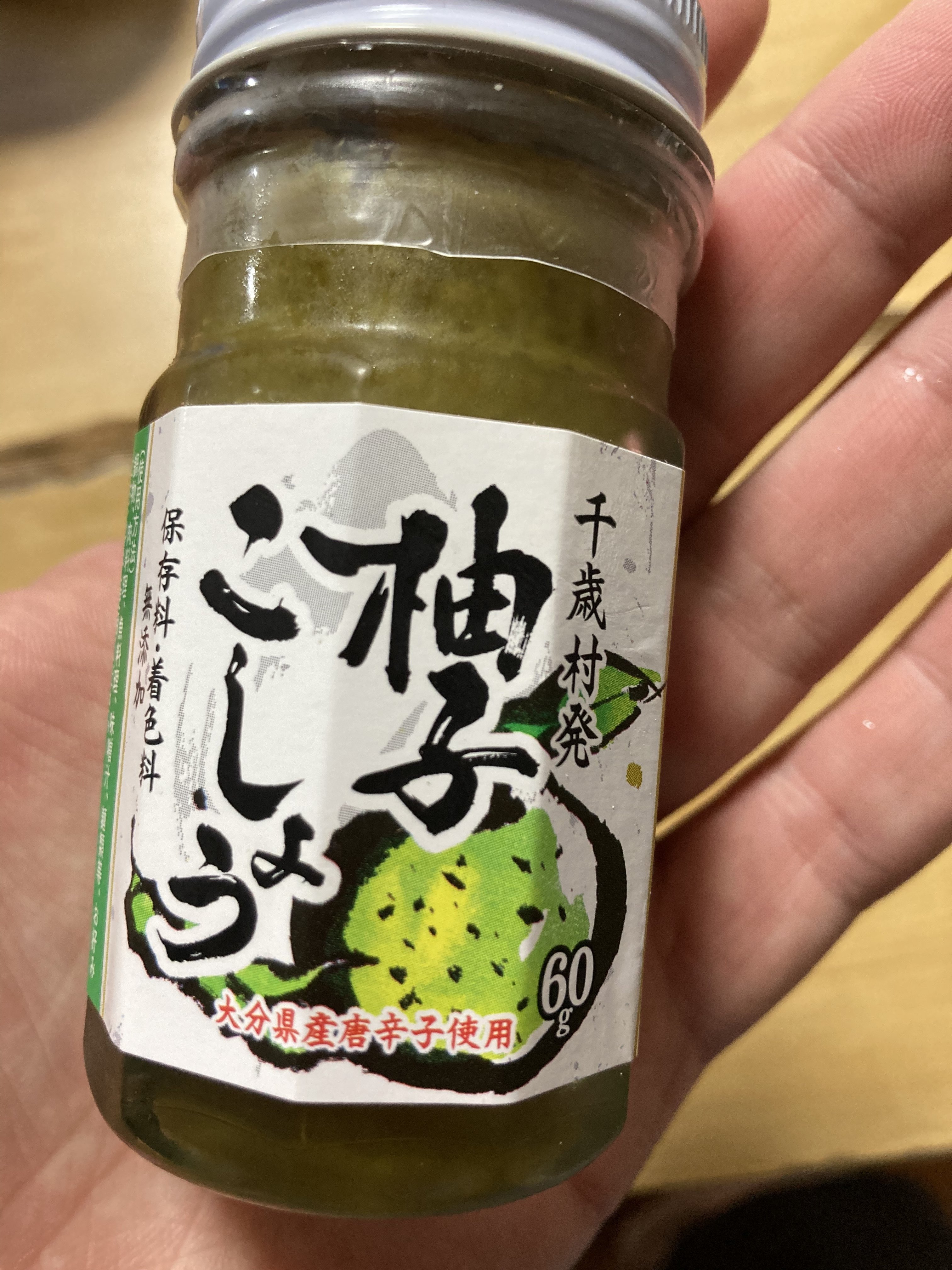
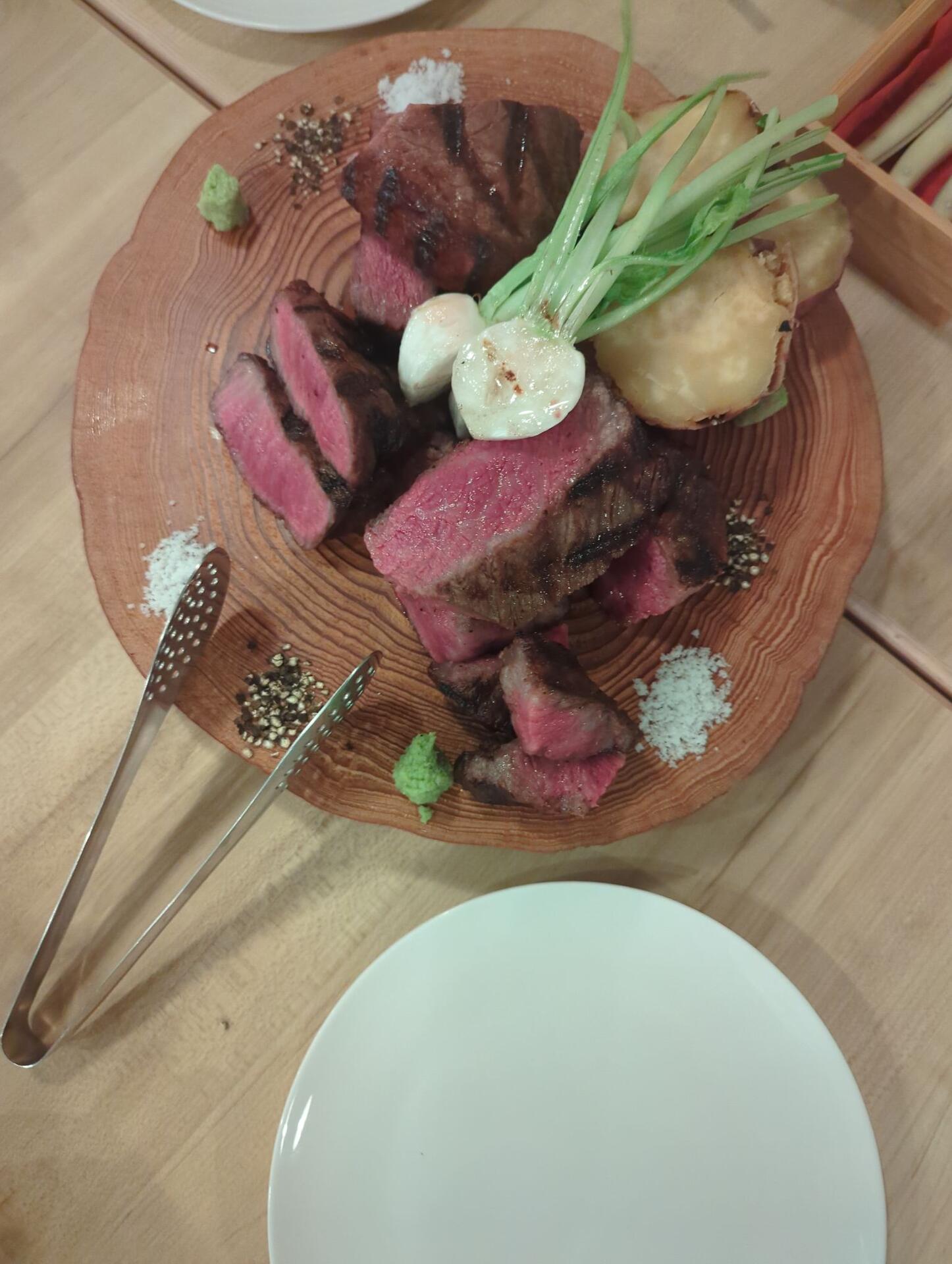
Eat here #Nostrasia - あか牛 means red cow - it was the emperors breed.

https://maps.app.goo.gl/8LcKhCCgQkffqr4m8

Did you leave already!? I enjoyed our conversation - hope I run into you again in the future.

Yesterday morning I think there was 77 minutes between blocks.

Replying to Avatar Lyn Alden

For reference, here are my main thoughts on the current Bitcoin softfork ideas/dramas to those who care.

For context with regards to wherever it might matter, I have a 12-year background as an engineer initially and eventually an engineering manager, including overseeing electrical/mechanical/software for an aviation simulation facility, but although I have written code here and there in my early days, I am certainly *NOT* a software engineer. My career work is on electrical engineering and multi-discipline engineering management, and my master's degree is in engineering management, with an emphasis on systems engineering and engineering economics. Any viewpoint I have is from an engineering/systems management perspective or an economics perspective, not a programmer perspective.

I follow multiple software Bitcoin experts on various topics, many of which disagree with each other, similarly to how I followed my various lead engineers when I was working in engineering management.

The U.S. Constitution is well-written but of course not perfect. It's a good document, especially after the amendments it has had. The most recent amendment was over 30 years ago, and it is minor enough that most people don't know what it is. The second most recent one was over 50 years ago, and that one is also pretty minor, imo, and most people don't know that one either. The Constitution, the Bill of Rights, and a then a handful of key amendments after that to fix key issues with race and gender voting and so forth, have been the foundational aspects of this whole Constitutional project.

In order to change the U.S. Constitution, you need both a supermajority in Congress and a supermajority among States. Good luck getting that. And that near-immutability is exactly why the Constitution is valuable. Even if it was better written and included all sorts of things I liked, if it were easier to change, I would consider it to be a *worse* foundation than it is now. The near-immutability is the critical part. A nearly-immutable good document, is a great document, if it serves as the foundation of something important.

When it comes to Bitcoin, the aspect that I view as being the most valuable is its near-immutability. We have a global open-source ledger foundation that gives us savings and payment/settlement technology. It makes hard trade-offs in order to remain reasonably decentralized. And yet, Bitcoin can settle more transactions per year than Fedwire does, which is the U.S. base settlement layer, which handles (not a typo) 1 quadrillion dollars worth of gross settlement volumes per year. Bitcoin does that function but is global, open-source, and has its own scarce units. Various layers can expand that scalability, (Lightning, sidechains, fedimints, custodial environments, etc). Certain softforks to the base layer may also add some new scalability options (covenants, drivechains, zero-knowledge proofs, etc). But those softforks present risks to the whole project, unless they have a supermajority of support and are considered to be of low technical+incentive risk.

When I was an engineering manager for my aviation facility, if I were to approve a major new change and help fund it, it would be because the supermajority of my senior technical leads supported it, and because they could convince me of it. Objective truth tends to be easy to share between rational people that listen to each other. In contrast, subjective things that are more contested of course tend to be harder. If I liked a new change but it didn't have a supermajority, I respected these divergent opinions and wanted to know why they saw it differently. Unless it was in an area where I was *specifically* the facility expert in (in my case, the electrical/control aspects within our organization's aviation simulators), I would never go with a minority opinion among my technical leads and override the majority of my technical leads.

One of the most common problems I encountered in my career was over-engineering. Not a single person knows every detail about how an aviation simulator works (which was my field of work). There are software experts, graphical design experts, mechanical experts, electronics experts, pilot experts, and then business experts that have to figure out what is valuable to clients and how to get the required stuff and how to make the whole thing economical and thus well-incentivized. Systems engineering, practically by definition, is the science of managing a project that is more complex than any one human mind can possibly understand. Any major project engineer/manager has to deal with this dilemma.

As it pertains to over-engineering, many people often have pet projects that they care about, or want to make really cool complex things, that are not economical or not robust. Endless changes can create endless complexity, which are hard to maintain, are less reliable, and so forth. The most beautiful engineering designs are often the most simple at the foundation. Complexity can exist in layers or silos built on or around that foundation, which reduces contagion risk to the simple-but-robust foundation.

In short, if you you can't convince a supermajority, then maybe your idea isn't right or needs more work. Maybe the problem is on your end. Especially if the supermajority that you need to convince are intelligent relevant people (in Bitcoin's case: software developers, node-runners, miners, capital allocators, etc).

And of course, foundations like the U.S. Constitution or the Bitcoin base layer are far more important than the engineering frameworks of some random aviation simulation facility, so the standards are higher.

So, how do I assess proposed softforks as someone who hasn't written code in a decade but tries to follow the designs and economics of various proposals where possible? I look towards technical leads, and look for a supermajority of serious stakeholders, and need the proposal to clearly make sense to me technically and economically.

I view Bitcoin as being valuable due to its near-immutability. That is the source of its monetary premium. And so as follows, from a project management perspective regarding what is among the most serious of all possible projects:

-The first rule of Bitcoin is you do not break Bitcoin.

-The second rule of Bitcoin is you do not break Bitcoin.

-The third rule of Bitcoin is you do not break Bitcoin.

-The fourth rule of Bitcoin is that, around the margins, you try to find conservative ways to improve Bitcoin that are clear enough to get a supermajority.

Therefore, my view on softforks is that I defer to the supermajority of experts I trust, while also needing it to make sense to me personally. I'm agnostic towards many softforks, since I don't have the detailed software expertise to be relevant between similar proposals. As proposed softworks gain momentum, I check to see if they make sense to me, and then look for a supermajority.

Bitcoin is valuable due to its near-immutability. If it can be changed by minority factions, then the relevance of the project over the long arc of time is limited. To the extent that it's going to be any sort of important base layer, that near-immutability, much like the U.S. Constitution, is critical. To that extent, any proposed change to Bitcoin is not just a software thing; it's an economics thing as well.

Therefore, if proponents of a given softfork try to find a way to push itself on the network without a supermajority of technical experts and economic actors, then whether or not I like it, I will oppose it. That's a way to turn me from neutral to opposed. Because that near-immutability is what I would fight for. I only support highly agreed-upon changes. Whatever small piece that my node, my voice, and my money can do, I err towards the near-immutability.

Please publish this on your site - great read!