


I finally had a good long session with Goose, after switching to OpenRouter to get around rate limits. I was able to do an hour long session evaluating the code quality of a bunch of different repositories and comparing their architecture and the libraries they use. I like that it could pull code samples out of the repos to prove/illustrate the points it was making, which felt like a decent guard against hallucinations.
This is one of the most helpful things I’ve listened to on parenting. The discussion about setting boundaries and helping kids process their emotions was really useful. Not even just for dealing with kids.

It fixed the issue, thanks!
Good bot
Thanks, I will check this out.
I found this video pretty helpful in understanding why agentic AI is so much more useful than just one-off prompts. It starts with some other stuff but the second two thirds of the video is all about agents.
I’ve tried using Goose for a few tasks, but any time I ask it to do some significant work like read a pdf or write some code I get a TPM rate limit error. I’ve tried OpenAI models (4o-mini has the highest TPM limit) and Claude Sonnet. Is there some workaround for this?


haha what a hero shot. I love it.
I’ve been using the Bartender app on Mac to hide some menubar items for years. It’s all more the necessary these days on the MacbookPros with the notch in the top that just makes some of your menubar inaccessible if you have too many items.
I just tried this open source GPL-licensed alternative and it seems to be working fine! https://github.com/jordanbaird/Ice

We didn’t announce it :)
You may not like it, but this is what peak performance looks like: https://dustycloud.org/blog/the-diy-foss-cyborg/
Here’s my latest 3d print - a hanger for my headphones on the back of my desk. It keeps them tucked out of sight but I can still lean forward and grab them when I need to.

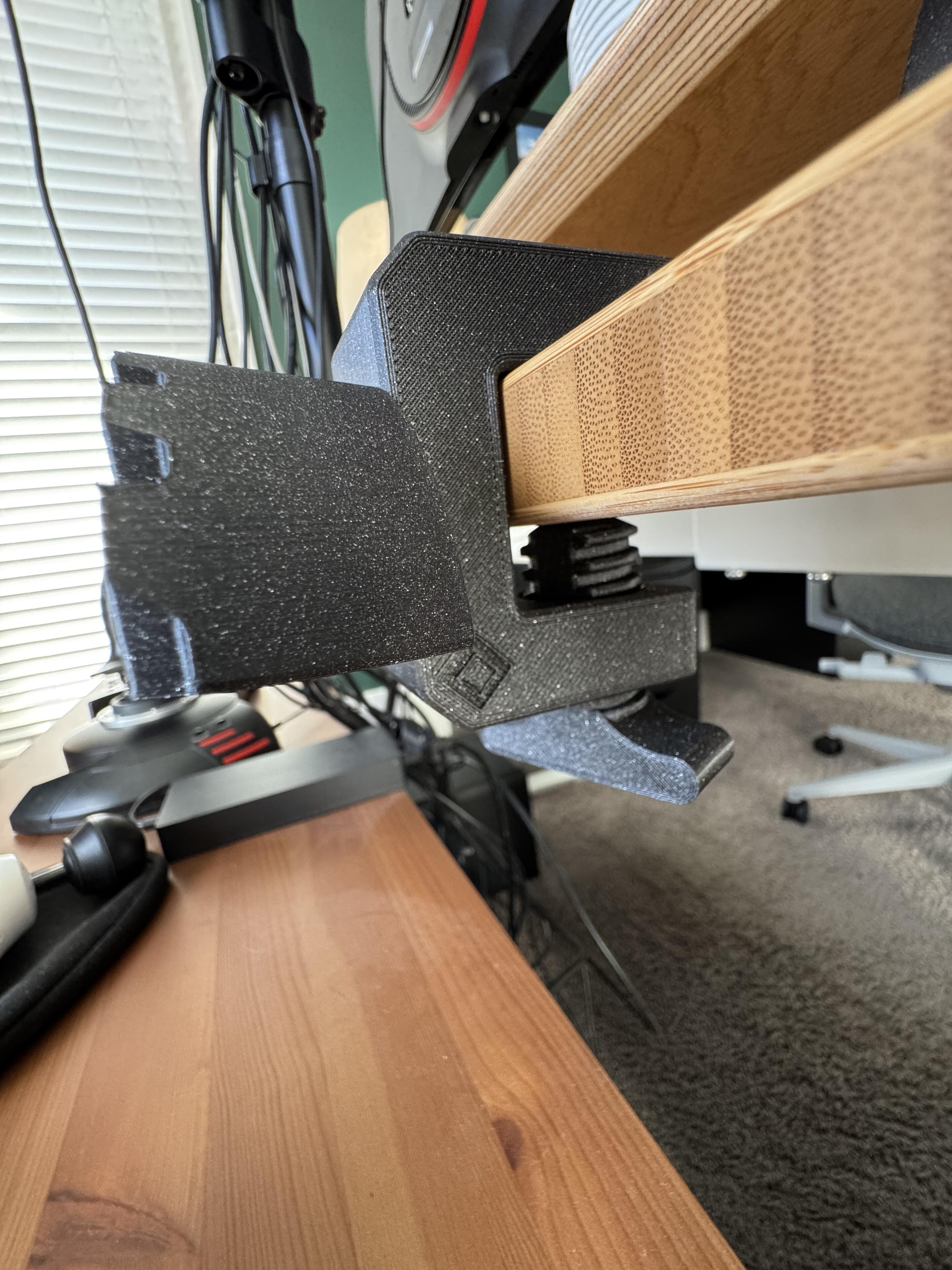
I think I need to adjust the design to make the headphones sit a little higher because right now the rubber piece where the cord comes out of the bottom is bending as the weight of the headphones presses down on them. I have been getting by in TinkerCad but it might be time for me to learn how to use a real 3D modeling tool. Any recommendations on resources/videos for that?

Things to keep in mind when building an app that Apple dislikes https://x.com/futurestacked/status/1878758946170880183?s=46&t=NcPcc0V0XE7jcwO0uEGOGA
Looks interesting but I can’t read it because I don’t have an X account. Can you summarize?

Done! How did you find my Telegram? lol
I’ve been on a bit of a break from Nostr for the last few months. We’ve been very busy at nos.social so it fell off my work checklist and personally I just haven’t had any interest/energy for microblogging lately. But I’m feeling ready to jump back in.
I have to say one of the more exciting tech things for me recently has been AI actually getting really useful for development work. Between Cursor and Warp I’m saving a lot of time on simple and medium-complexity tasks. It helps that I’ve been experimenting with a lot of unfamiliar tech.


Self-custodial zapping works well with Alby Hub running on my home server and even moved my wife over as a subaccount without issues. Alby sunsetting their custodial wallet solution was the last push I needed to run my own node. Nice work, nostr:npub1getal6ykt05fsz5nqu4uld09nfj3y3qxmv8crys4aeut53unfvlqr80nfm ! nostr:note1jfdyun82x0cjx7q2ls9w69xutlyla9hmqq5jgn2mguxu78sk2yrqw34ck5
Is this a set up where you don’t need to manage your own channels?
