

Corn Dolphin the 2nd
LOL who is selling?!?! my nostr:nprofile1qqsrtv3u6qkj6a09tnhr3l0wy67g9uw3t57ftqyqpvztpk3wmd6306spz3mhxue69uhhyetvv9ujumn0wd68ytnzvuq32amnwvaz7tm9v3jkutnwdaehgu3wd3skueq6rxuwt target price buys are executing like like rat traps in a subway
Good point the total amount of free time is relative to that yes - that’s why I brought up Frankl because his story is about how searching for meaning still happens in the worst situations.
Deep in golf reading:
Finished Reading - Golf Beneath the Surface by Dr Richard Prior
Planning also to listen to his namesake podcast on Quiet Eye
Now reading two books:
1. Performing Under Pressure by Weisinger (it and Golf Beneath are month 1 & 2 readings in The Mental Golf Show Podcast book club by Josh Nichols)
2. Lowest Score Wins by Barzeski & Wedzik (so far very insightful about Separation Value - takes Broadie’s Every Shot Counts further into improving scores)

Nope - they are expensive to make but aren’t much copper anymore

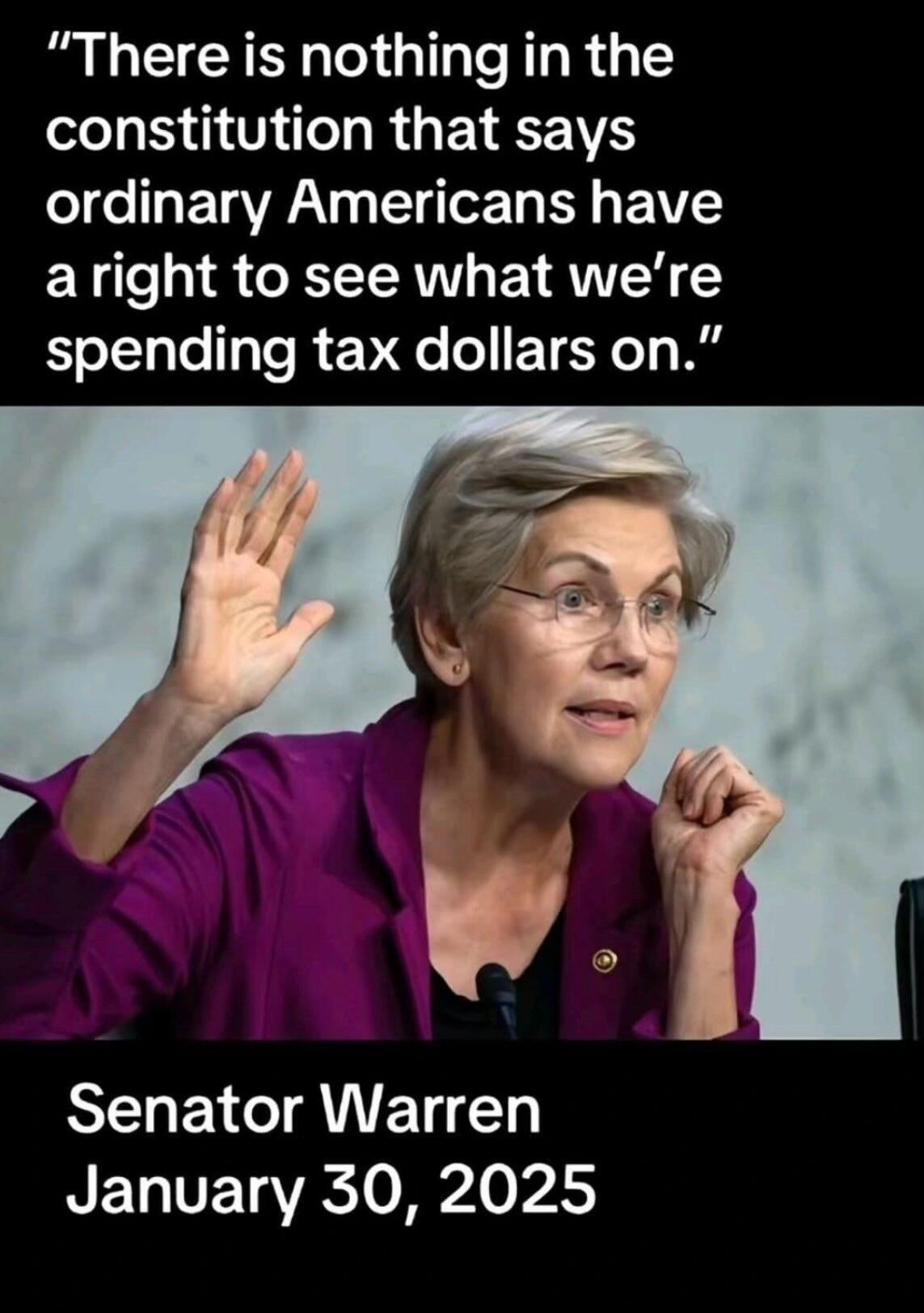
It doesn’t say that ordinary Americans DON’T have the right either. This is a red herring argument from a political liar.
Starship Troopers by Heinlein and the Moon is a Harsh Mistress also by Heinlein are my recent favs
Of course - a little root cause analysis and market understanding is helpful. The problem is that CA is trying to keep housing prices high for tax revenue (suppressing insurance costs does this) AND prevent folks from cutting down too much trees and brush (totally political environmental stuff) - instead they should LISTEN to the market - the insurance companies have been asking to hike prices because a 1 in 100 chance on a $5M property is a $50k policy premium but lately these fires are 1 in 5 so that’s a pricey $1M annual policy premium. The real estate market would shriek and IF LISTENING the state would ask why, and decide they need to reduce the risk of fire in the first place to lower the odds for entire communities - clear underbrush, switch to metal roofs, outdoor fire suppression systems (in the wood roof days they had them), bigger fire breaks, and big upgrades in fire fighting equipment and personnel (or robots) among other things.
100%

Except the train union strikes that shut trains on any day, any time, any where - my military friends in Europe advised me to simply rent a car and drive and they were correct - Europe is still too left to function as a top-tier economy IMO
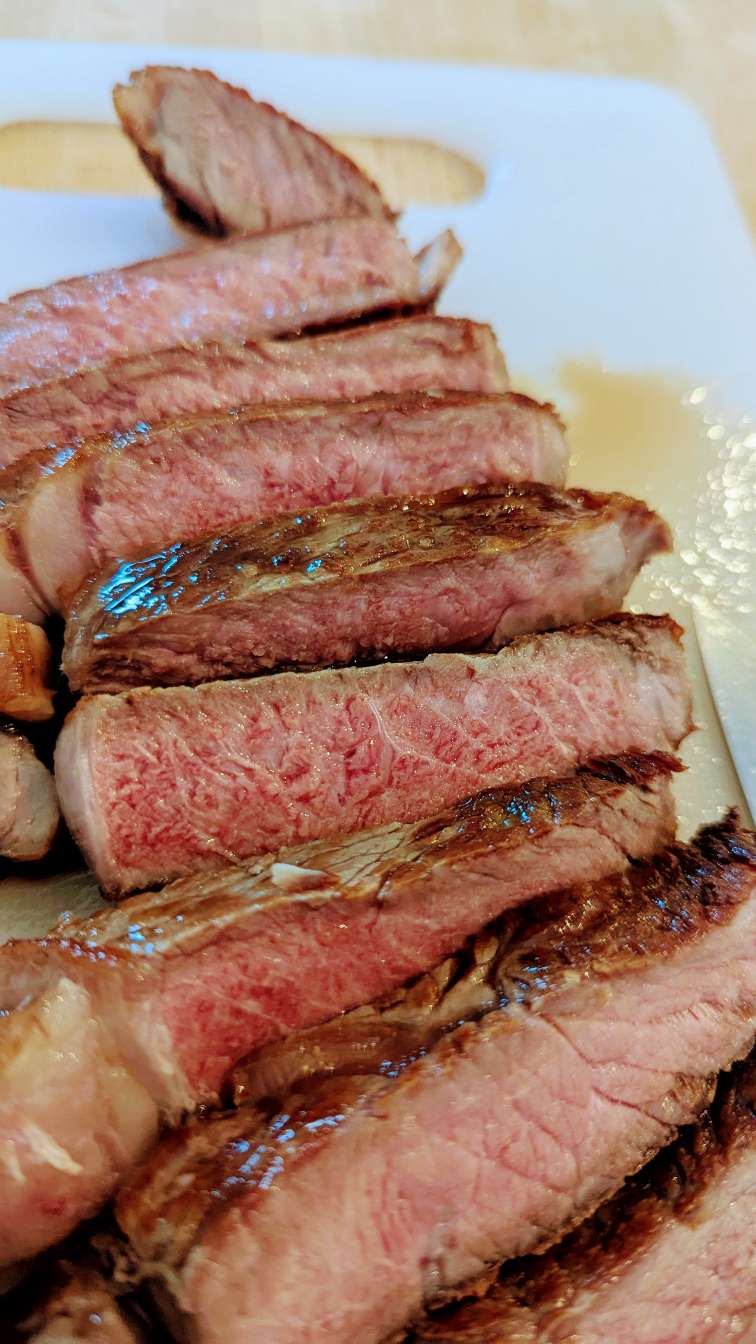
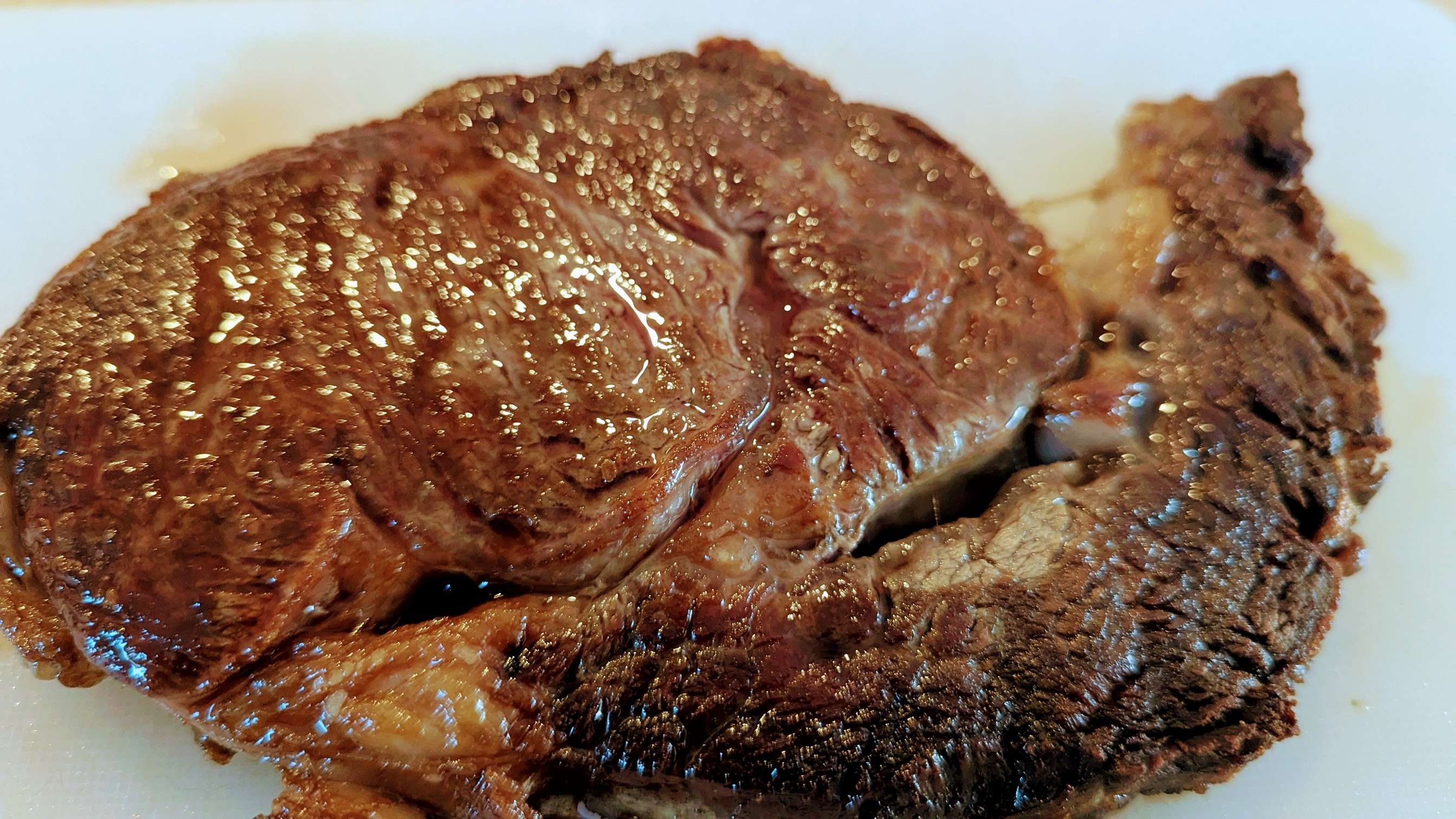
Me too - after lots of bird meat, fish meat, pork meat - beef is amazeballs
“It isn’t the mountains ahead to climb that wear you out; it’s the pebble in your shoe.” Muhammad Ali


Privacy Tips

This is a fraudulent half truth - it’s the CA insurance regulators and environmental regulators that are responsible for not letting the free market price in mathematically correct prices and protections. Look up All In Podcast Ep 210 for a more informative explanation - there’s no one party responsible but the insurance companies are not even close.
"I think, therefore I am" - attributed to René Descartes
GM Nostr! Grip it and Rip it, or seize the day
