

Happens to the best of us

Absolutely. That’s a great way to look at this.

Garlic oil drops in the ear, neti pot or saline rinse for the sinuses
Dang someone out there dropping 💣
Ty for that anon 🤙🏼
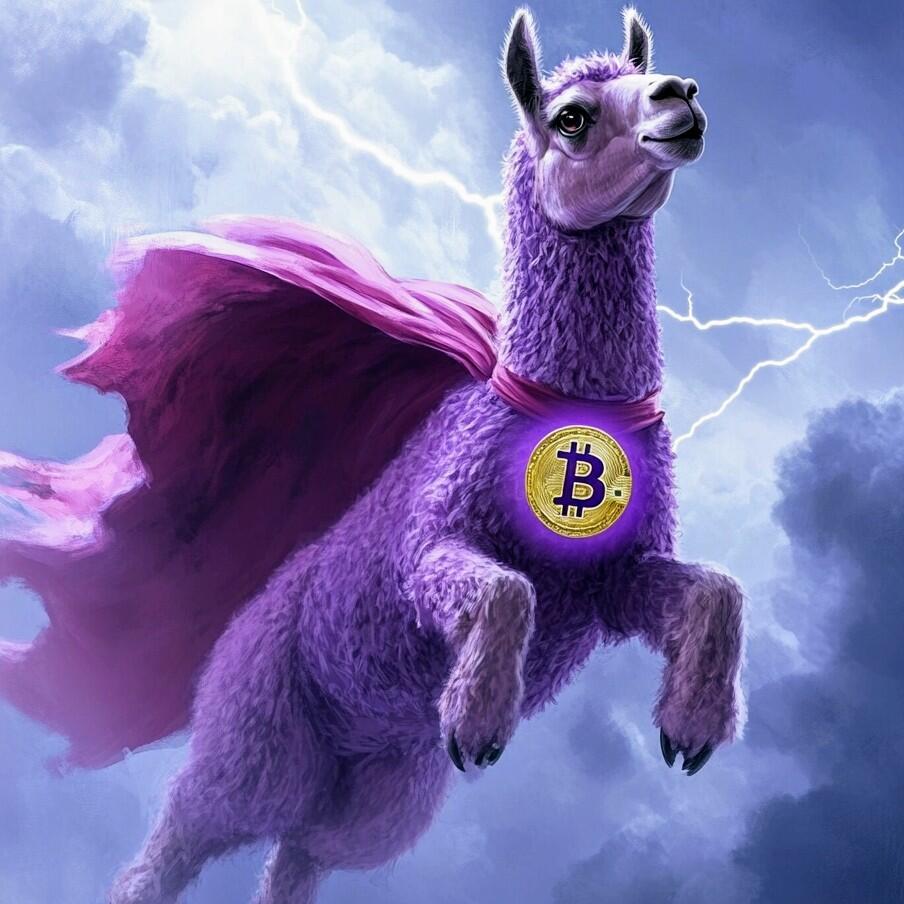


😂😂 my shoulder hurts laughing at this
Completely. I have two brothers who are high level nerd programmers - I have a similar discussion with them.
I’m going to preface this by saying that I don’t have any clue on the timing of any of this. None at all. TLDR; risk comes at ya fast.
I spent a large part of my career trading illiquid emerging and frontier markets in a variety of asset classes for one of the worlds foremost hedge fund managers.
Under normal market conditions, managing slippage on entry and exits was challenging to begin with. (For those non traders, what impact did my buy or sell have on my executed price).
When market conditions worsened, this would become the most important thing I focused on. How am I getting out of risk? Working it? or smashing it?Big difference in outcomes. And this is an art not a science.
The vast majority of the world, let alone the professional institutional money manager community does not understand this concept.
Prices on the screen do not represent depth. I will say that again, prices on the screen do not represent depth. As the banking crisis begins to accelerate this will become apparent.
For example: let’s say you have a position in a currency that has a daily traded volume of $300-500m. If you are a good sized fund you have a position size that is multiple days volume. That’s challenging to exit even in normal conditions.
A banking crisis is not normal conditions - liquidity will be gone.
Repeat this across asset classes and multiply by number of market participants. All trying to run for an exit.
The next step is markets go no bid. Central banks will be forced to nationalize entire sectors and become the only bid in the market.
I would suggest that in bitcoin, you could feasibly see a market where there are no offers.
Or at the very least massive price gaps before you find offers.
What do you think happens when the entire world recognizes all at once the value proposition of bitcoin?
While everyone is trying to find their way onto the btc lifeboat, who on the lifeboat would sell their seat?
Do you own enough btc anon?
I’m going to preface this by saying that I don’t have any clue on the timing of any of this. None at all. TLDR; risk comes at ya fast.
I spent a large part of my career trading illiquid emerging and frontier markets in a variety of asset classes for one of the worlds foremost hedge fund managers.
Under normal market conditions, managing slippage on entry and exits was challenging to begin with. (For those non traders, what impact did my buy or sell have on my executed price).
When market conditions worsened, this would become the most important thing I focused on. How am I getting out of risk? Working it? or smashing it?Big difference in outcomes. And this is an art not a science.
The vast majority of the world, let alone the professional institutional money manager community does not understand this concept.
Prices on the screen do not represent depth. I will say that again, prices on the screen do not represent depth. As the banking crisis begins to accelerate this will become apparent.
For example: let’s say you have a position in a currency that has a daily traded volume of $300-500m. If you are a good sized fund you have a position size that is multiple days volume. That’s challenging to exit even in normal conditions.
A banking crisis is not normal conditions - liquidity will be gone.
Repeat this across asset classes and multiply by number of market participants. All trying to run for an exit.
The next step is markets go no bid. Central banks will be forced to nationalize entire sectors and become the only bid in the market.
I would suggest that in bitcoin, you could feasibly see a market where there are no offers.
Or at the very least massive price gaps before you find offers.
What do you think happens when the entire world recognizes all at once the value proposition of bitcoin?
While everyone is trying to find their way onto the btc lifeboat, who on the lifeboat would sell their seat?
Do you own enough btc anon?
I’m going to preface this by saying that I don’t have any clue on the timing of any of this. None at all. TLDR; risk comes at ya fast.
I spent a large part of my career trading illiquid emerging and frontier markets in a variety of asset classes for one of the worlds foremost hedge fund managers.
Under normal market conditions, managing slippage on entry and exits was challenging to begin with. (For those non traders, what impact did my buy or sell have on my executed price).
When market conditions worsened, this would become the most important thing I focused on. How am I getting out of risk? Working it? or smashing it?Big difference in outcomes. And this is an art not a science.
The vast majority of the world, let alone the professional institutional money manager community does not understand this concept.
Prices on the screen do not represent depth. I will say that again, prices on the screen do not represent depth. As the banking crisis begins to accelerate this will become apparent.
For example: let’s say you have a position in a currency that has a daily traded volume of $300-500m. If you are a good sized fund you have a position size that is multiple days volume. That’s challenging to exit even in normal conditions.
A banking crisis is not normal conditions - liquidity will be gone.
Repeat this across asset classes and multiply by number of market participants. All trying to run for an exit.
The next step is markets go no bid. Central banks will be forced to nationalize entire sectors and become the only bid in the market.
I would suggest that in bitcoin, you could feasibly see a market where there are no offers.
Or at the very least massive price gaps before you find offers.
What do you think happens when the entire world recognizes all at once the value proposition of bitcoin?
While everyone is trying to find their way onto the btc lifeboat, who on the lifeboat would sell their seat?
Do you own enough btc anon?
I’m going to preface this by saying that I don’t have any clue on the timing of any of this. None at all. TLDR; risk comes at ya fast.
I spent a large part of my career trading illiquid emerging and frontier markets in a variety of asset classes for one of the worlds foremost hedge fund managers.
Under normal market conditions, managing slippage on entry and exits was challenging to begin with. (For those non traders, what impact did my buy or sell have on my executed price).
When market conditions worsened, this would become the most important thing I focused on. How am I getting out of risk? Working it? or smashing it?Big difference in outcomes. And this is an art not a science.
The vast majority of the world, let alone the professional institutional money manager community does not understand this concept.
Prices on the screen do not represent depth. I will say that again, prices on the screen do not represent depth. As the banking crisis begins to accelerate this will become apparent.
For example: let’s say you have a position in a currency that has a daily traded volume of $300-500m. If you are a good sized fund you have a position size that is multiple days volume. That’s challenging to exit even in normal conditions.
A banking crisis is not normal conditions - liquidity will be gone.
Repeat this across asset classes and multiply by number of market participants. All trying to run for an exit.
The next step is markets go no bid. Central banks will be forced to nationalize entire sectors and become the only bid in the market.
I would suggest that in bitcoin, you could feasibly see a market where there are no offers.
Or at the very least massive price gaps before you find offers.
What do you think happens when the entire world recognizes all at once the value proposition of bitcoin?
While everyone is trying to find their way onto the btc lifeboat, who on the lifeboat would sell their seat?
Do you own enough btc anon?

Nice! Looks nice and crisp. I’m not a dev so can’t give you feedback on technical but it looks good.


That’s an interesting argument. Are they at all concerned about chat gpt or other ai being able to “code” at much faster speeds than humans?

⚡️

Everyone needs to read this, read it again, and understand what it really means
#[0]
