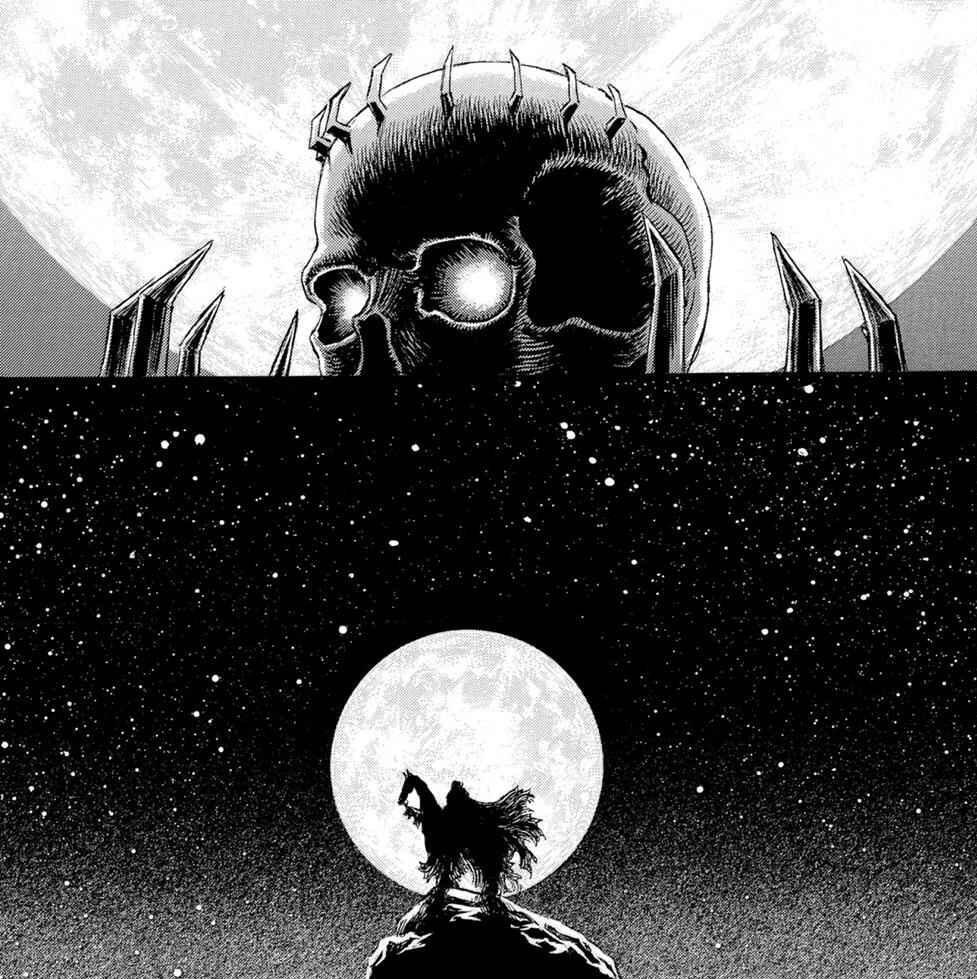
humbled for the sake of a better society. very good.

bluesky sucks balls


Bulgaria should adopt Bitcoin not the Euro, my words.

which browser then?

The assholes at Vultr decided to ban me yesterday.
They asked for explanations of what I used my server for and when I said "nostr" they just told me to get the fuck out.
They gave me 12 hours to access my data and migrate all my dozens of relays and services. All while treating me like a fucking criminal.
I searched for an AI to help me migrate all my stuff and found this Warp tool that is pretty damn good.
It came up with a single one linger to deploy my strfry instances, do strfry db migration, configure HTTP server, everything! I can even tell it "hey, setup blossom on blossom.f7z.io and only allow my pubkey to upload stuff"
Damn fucking wild.
A lifetime ago, I used to be a sysops at a hosting company. Migrating this much stuff would have taken me about a week of fighting old package versions, database migrations, updating configurations.
Now I literally gave root access to an LLM to help me out and it literally did it extremely well. The setup it accomplished is already better than my very ad-hoc deployment I had in my previous server.
Warp terminal app (with ref-link, just like nostr:nprofile1qyvhwumn8ghj76rzwghxxmmjv93kcefwwdhkx6tpdshsz8nhwden5te0dp38ytnrdaexzcmvv5h8xmmrd9skctmfde3x77qqyztuwzjyxe4x2dwpgken87tna2rdlhpd02va5cvvgrrywpddnr3jy4ywtuu taught me) 👇
you forgot to mention fuck Vultr. lol

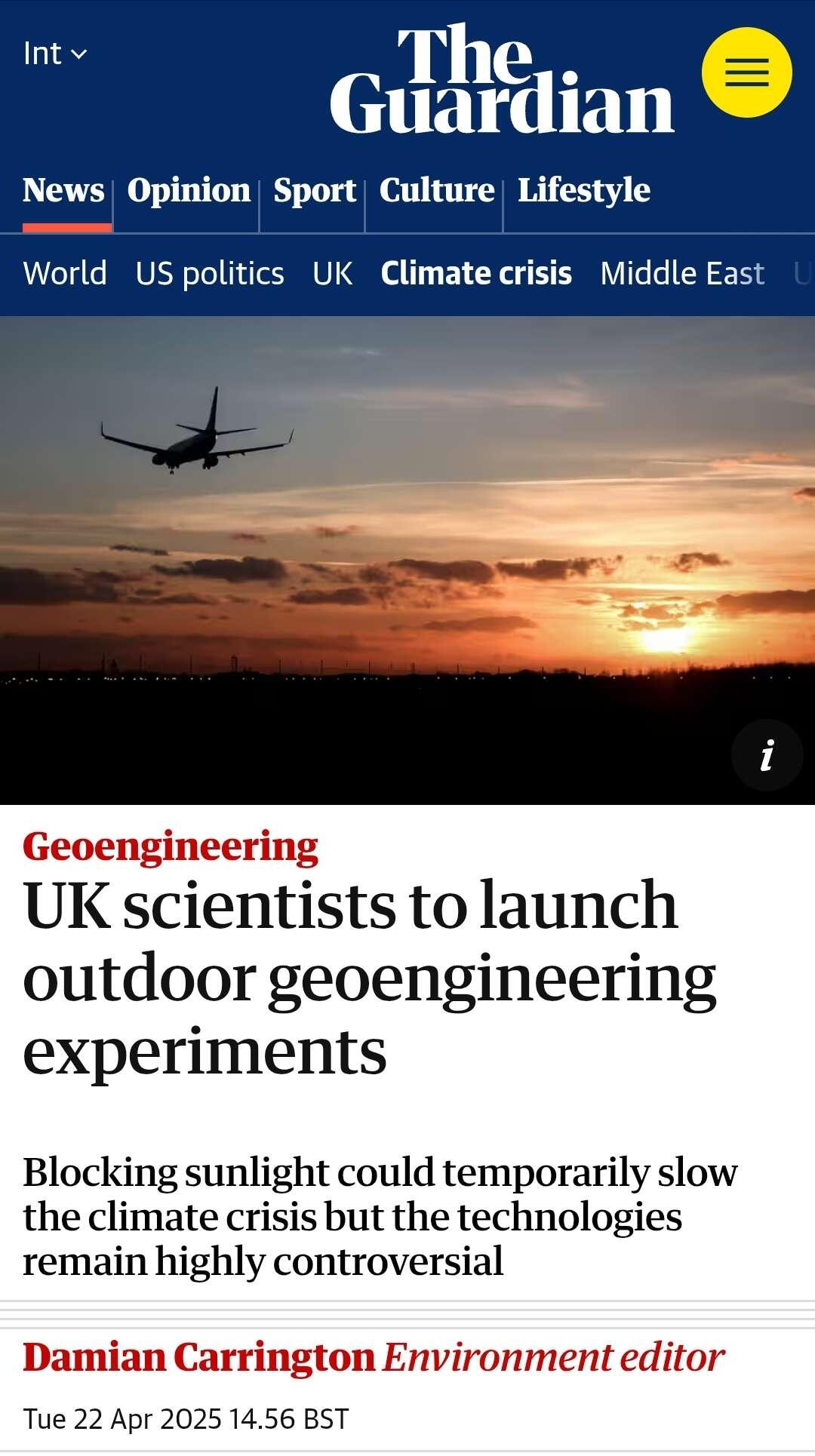
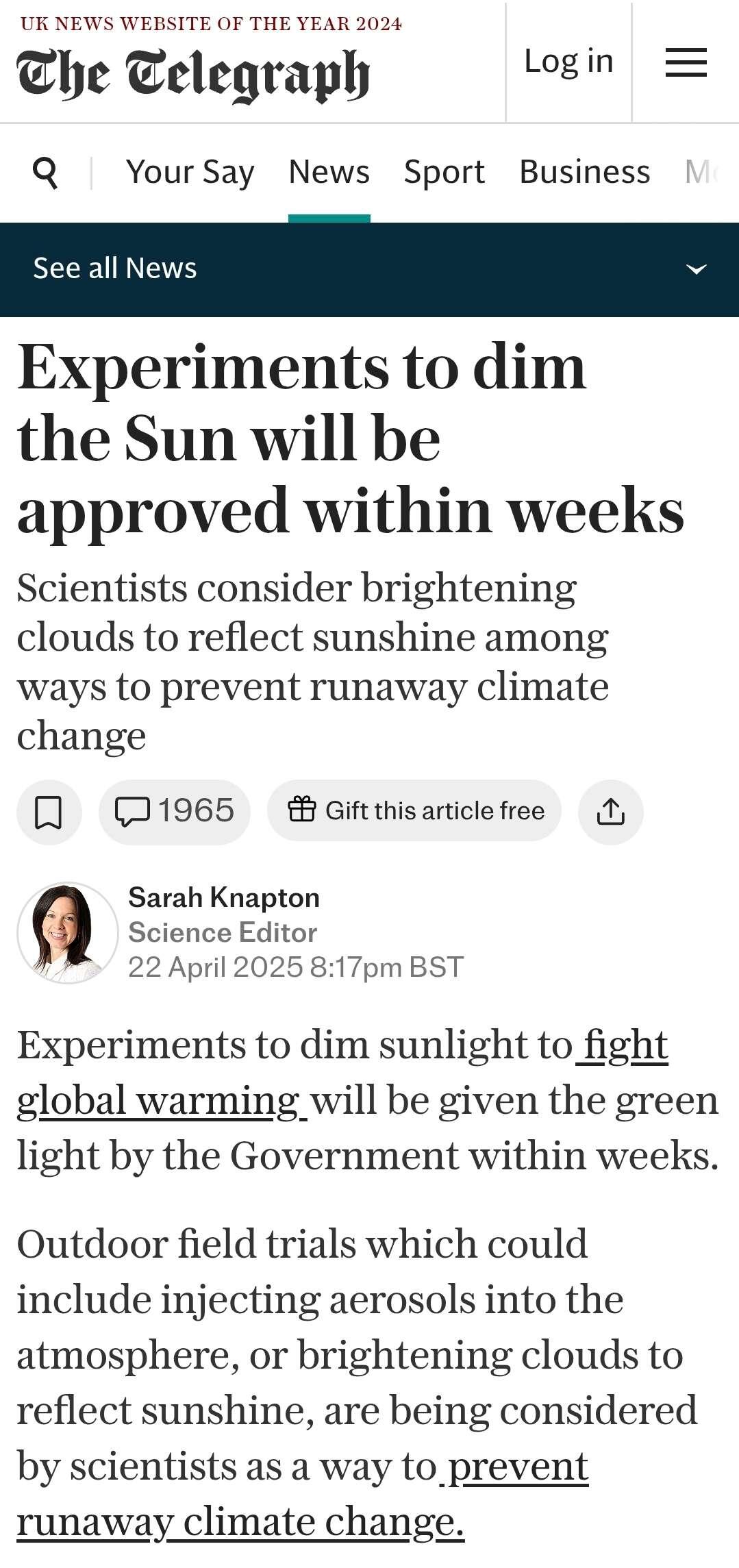

New UN report claiming mining is a “powerful tool” for money laundering makes zero sense and will be used an excuse to push KYC/AML/Sanctions at miner level – Full story at end of this post.

First, it claims that criminals use “illegal” mining operations to launder money, which literally defeats the entire purpose of money laundering.
Money laundering is done best via businesses that generate quick cashflow – at current hashprice, even if you *did* have free electricity and a all-in hosting cost of 0, one ASIC generates a mere return of ~$6000 over the course of 24 months.
This is particularly true in the fucking LIBYAN DESERT where heat and dust contribute significantly to wear and tear, but I’m sure that the geniuses who wrote this report also take their laptops to the beach.
The amount of nonsense the UN has cooked up here is truly astonishing.
It claims illegal mining operations are hard to detect, which is not just untrue for stealing electricity from the grid, but also for the heat signatures such operations omit.
If you do want to make such operations undetectable, facilities need to be impossibly insulated on the one hand – further diminishing returns on investment – but you also need to utilize off-grid energy.
If these operations use off-grid energy, which the UN names as a power source, then they do not, by definition, contribute to “chronic power outages in Lybia [..] depriving essential services and residential areas”, which the UN also claims, because *they are not connected to the grid*.
An exception to this would be if Bitcoin miners utilized stolen fuel, but then the issue is *people stealing fuel*, not people mining Bitcoin. This further erodes the UN’s claims that Lybia is an attractive destination for “illegal miners” due to low electricity cost, because stolen electricity is *not paid for by definition*.
As widely reported, Lybia’s fuel shortage arises from vibrant black markets. This does *not* happen due to a lack of “anti-money laundering authorities”, or because “bitcoin miners are stealing all the energy,” but because political tensions in the country have ground entire industries to a halt.
If you want to stop people from stealing electricity, maybe next time don’t bomb an entire country back to the Stone Age. You’re welcome.
Full Story: https://www.therage.co/un-mining-money-laundering/
"but I’m sure that the geniuses who wrote this report also take their laptops to the beach" 😂😂

Seven "suns"appeared in the sky of Chengdu, South-West China's Sichuan.
https://video.nostr.build/91a515a415180ac3ea34fb337eb35da741e82d04249b18f5e5eb5d21125e29c8.mp4
#bulishbounty
must be the clean and fresh air

the lost history of liberalism


Europe is dying, and keep making anti family policies and regulating the shit out of everything. well played.

like a Satslink, right? RIGHT ?
⚡️💬 WATCH - nostr:nprofile1qqsgydql3q4ka27d9wnlrmus4tvkrnc8ftc4h8h5fgyln54gl0a7dgspzemhxue69uhhyetvv9ujumn0wvh8xmmrd9skcqgkwaehxw309aex2mrp0yh8qunfd4skctnwv46qddtc35 on #Bitcoin: "Everything you think you own is actually just a lease from the government when they have a monopoly on violence, because they can seize your property at any time."
aka stationary bandits.
So Bluesky has just banned some guy exclusively on Turkey only because the Turkish government asked.
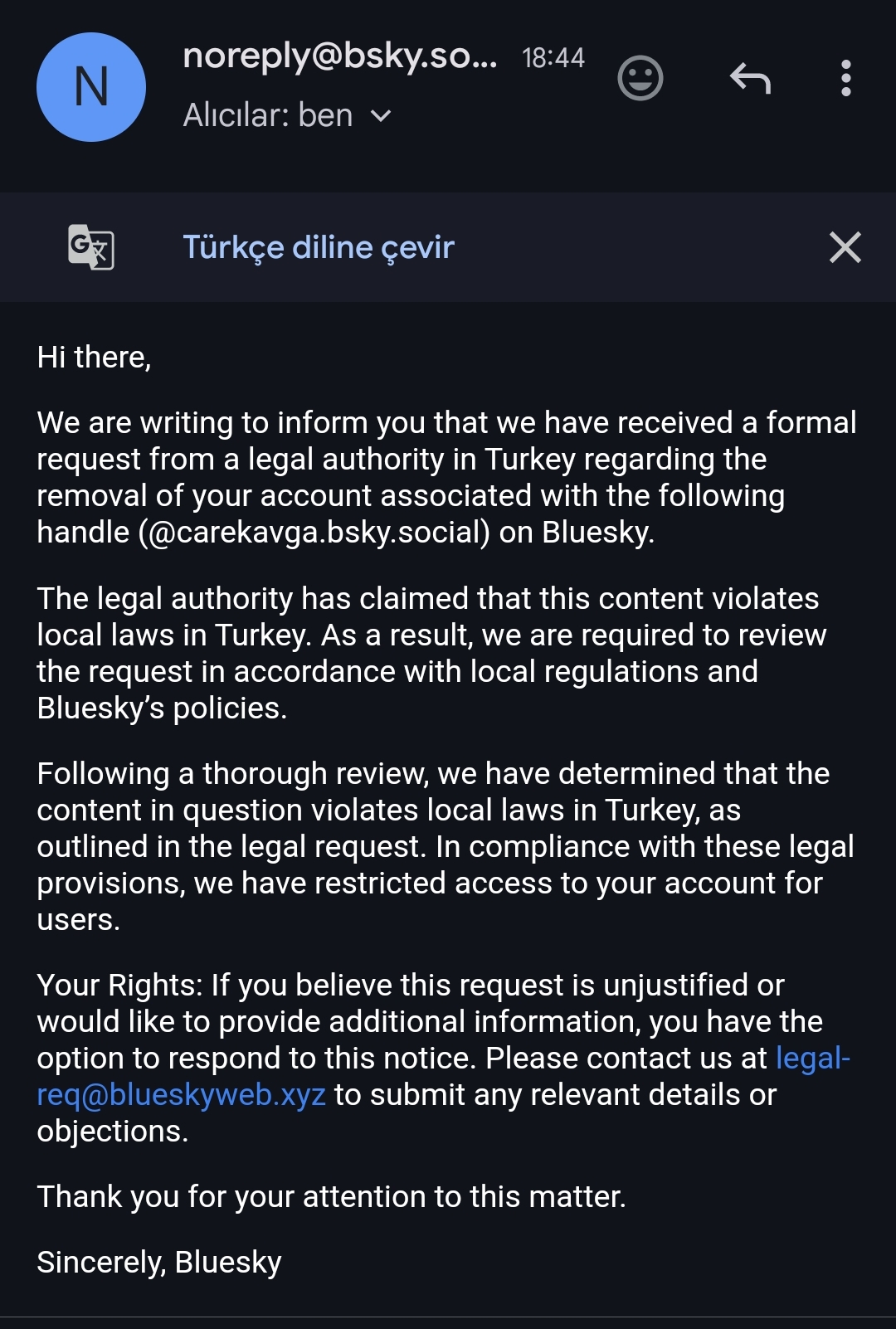
(from https://x.com/aliskorkut/status/1912191854939943362, this is the profile: https://bsky.app/profile/carekavga.bsky.social)
I had this discussion, I told you so. lol