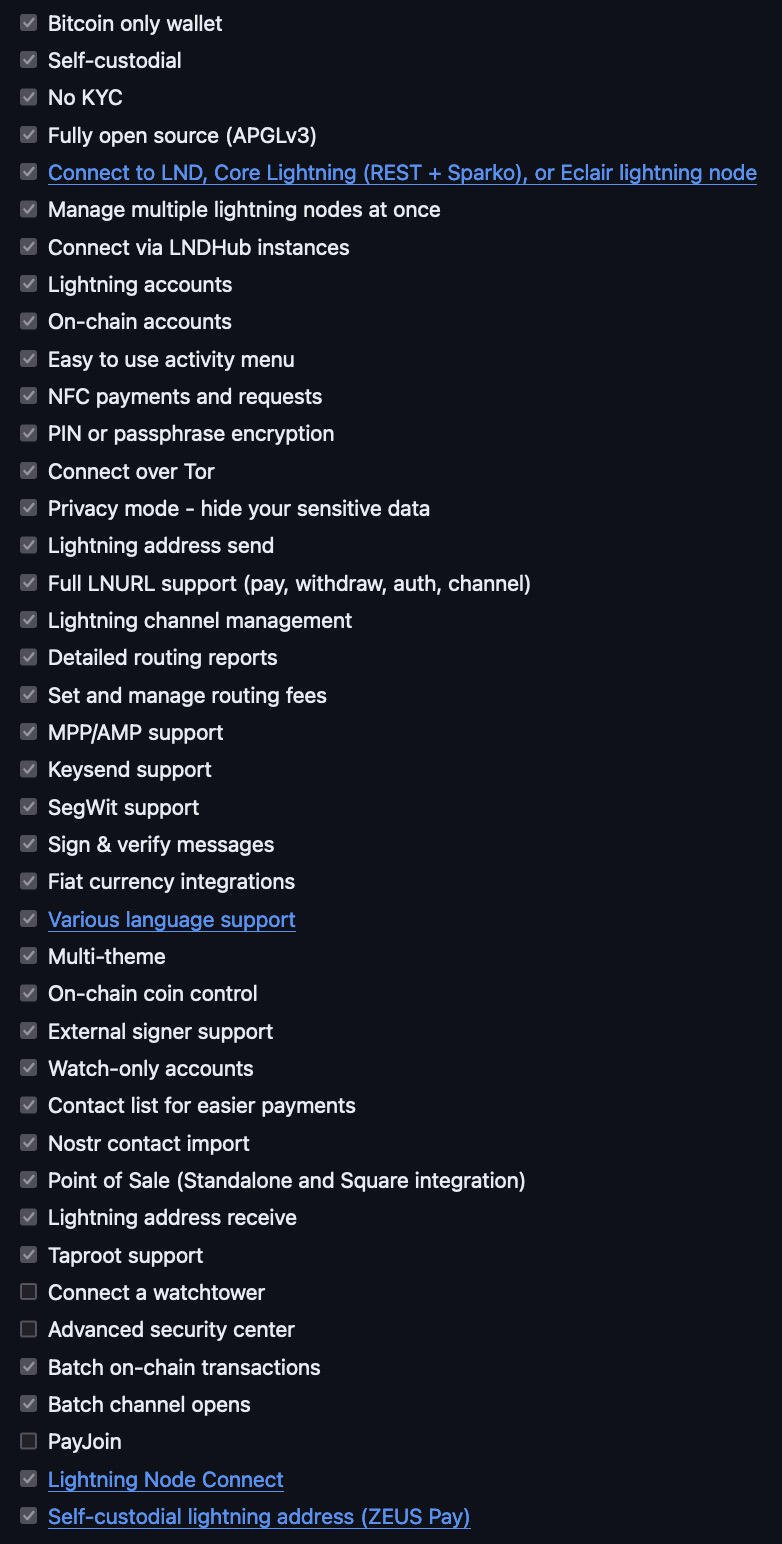
Pop Canadiana


There are very, very many good reasons why people experience overweight and obesity that go beyond an individual's willpower
My OP is a case in point - mental models drive behaviour. Food environments drive behaviour. Knowledge drives behaviour.
It's both delightfully simple and very complex

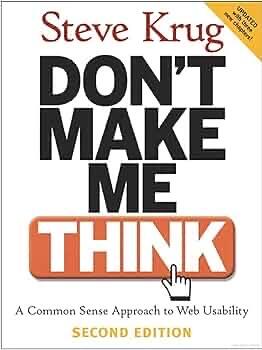
You know it's an OG book if usability's in the title
Unsure what you mean? Like the noti icon?


Beat me to it homie

Interesting that the opt-out is at the server level, not individual user
Freedom gain > weight loss

I have about an ergonomic a setup as you can imagine
And right hand still needs a break from using the mouse
So i'm experimenting with shifting hands
Ever switched your mouse hand to non-dominant?
Thoughts?


I've noticed that a n active mindfulness practice slows this down
But the pattern remains
Browser nostr client for multiple accounts?
#asknostr
Life stage =
To citymaxx
Suburbiamaxx
Or ruralmaxx
Imagine that time preference decisions can be made on a series of levels.
❓**If you are a low to medium time preference individual**, which time preference level, on average, is most important to how you make decisions?
# Time Preference Levels
**Individual**
The person makes future-based decisions for themself as the main recipient of the decisions.
For example, if i save value, i will enjoy these savings in 10 years. If i exercise, i will be healthier in 10 years. If i save time on x activity, i will have more time for myself. If i pick up litter, i will be happier tomorrow when i walk by this path again. When i buy stuff, i care about price and quality.
**Family/ Small Social Unit**
The person makes future-based decisions for their family unit or small social units (friends, neighbours, church).
For example, if i save value, my family/ social unit will have more to act with in the next 10 years. If i exercise, i will have more to give to my family/ social unit in the next 10 years. If i save time on x activity, i will have more time for my people. If i pick up litter, my neighbours will be happier tomorrow when they walk by this path again. When i buy stuff, i care about price and quality and impact on my family/ small social unit.
**Macro**
The person makes future-based decisions with the hope of having impact on a larger recipient group (city, province, ecosystem, and the like).
For example, if i save value, my community will have more to act with in the next 10 years. If i exercise, i will drive down costs that my taxes pay for my healthcare (for example in Canada). When i buy stuff, i care about price and quality, materials and how they were extracted and processed, as well as impact on the people who created it along the full supply chain.
# Context
In a [previous poll](https://stacker.news/items/523330), i asked what level of time preference people have on average.
We learned approx 42% of those who responded say their behaviour is, in general, of a low to medium time preference.
Here i wanted to drill deeper to understand what decision-making goes into time preference abstraction.
Imagine you had a neutral third party observe your behaviours over the last year. Not intentions - behaviours.
On the whole, in however you understand the construct - what level of time preference would they say you act in?