
my rhr used to be 42. 
Discussion

wow

Which device are you using?
trying apple watch again. i've tried both whoop and oura in past (and i'm an investor in both)

I don't like the constant radiation so close to my body.
Do you know the difference been ionizing and non ionizing radiation?
There's plenty of data on the harms of cellphone radiation.
Do you know that any random unbiased paper has a 1 in 20 chance of being wrong? Or that bias from the researchers increases those odds of wrong results? Or that there are more than 20 papers saying it is safe for every paper saying it isn't?
Can you explain the method of action for the harm you claim exists? Can you explain why no one has built a weapon using those harms after 100 years of trying?
Just for the heck of it, I just asked ppq.ai to do a research report on the topic. Very interesting. 40 cents (USD).
# Research Report
# Final Report on the Health Risks of Cellphone Radiation and Other RF Sources
*Date: 2025-04-12*
---
## Table of Contents
1. [Introduction](#introduction)
2. [Overview of RF Sources](#overview-of-rf-sources)
3. [Biological Effects of Non-Thermal RF Exposures](#biological-effects-of-non-thermal-rf-exposures)
4. [Vulnerable Populations: Children and Adolescents](#vulnerable-populations-children-and-adolescents)
5. [Epidemiological Evidence and Long-Term Studies](#epidemiological-evidence-and-long-term-studies)
6. [Comparative Analysis of RF Devices and Exposure Metrics](#comparative-analysis-of-rf-devices-and-exposure-metrics)
7. [Advanced Insights and Future Directions](#advanced-insights-and-future-directions)
8. [Conclusions and Recommendations](#conclusions-and-recommendations)
---
## Introduction
In the era of ubiquitous wireless technologies, understanding the potential health implications of RF electromagnetic fields (RF-EMF) is both crucial and complex. This report explores the extensive body of research covering the health risks associated with cellphone radiation and other RF sources such as Bluetooth, Wi‑Fi (2.4 GHz), 5G, and even emerging 6G technologies. Our analysis integrates multiple lines of evidence ranging from in vitro studies and animal models to large-scale epidemiological studies.
The impetus for this deep-dive analysis came from increasing concerns over non‑thermal exposures that, despite operating below conventional thermal thresholds, show evidence of triggering a cascade of biological responses. These responses include oxidative stress, DNA damage, immune dysregulation, and other cellular alterations, shedding light on possible long-term health risks.
---
## Overview of RF Sources
### Spectrum and Sources
RF radiation covers a spectrum that includes various sources:
- **Cellphones**: Emitting primarily in 700–2700 MHz ranges (2G/3G) and incorporating newer bands in 4G and 5G technologies.
- **Wi‑Fi (2.4 GHz and 5 GHz)**: Common in household and office environments, these wireless signals are pervasive.
- **Bluetooth**: Operating typically within a short-range, low-power RF spectrum (around 2.4 GHz).
- **Emerging Technologies (5G and 6G)**: These employ higher frequencies and are characterized by different modulation schemes and pulse characteristics.
### Field Measurements and Exposure Variability
Recent field studies have demonstrated substantial variability in RF emissions:
- **Device Variability**: For example, Wi‑Fi routers and laptops usually emit between 1–10 μW/cm² when measured at close distance, whereas older mobile phones during active calls may reach levels of 100–700 μW/cm².
- **Regulatory Disparities**: Exposure limits differ internationally (e.g., some European standards set at as low as 10 μW/cm² vs. 1,000 μW/cm² in the US), suggesting that ambient RF density in modern environments may be underestimated.
The cumulative effect of proximity to multiple RF sources, ranging from cell towers to satellite communications, necessitates a reassessment of safety margins, particularly in densely populated urban areas.
---
## Biological Effects of Non-Thermal RF Exposures
The core of the health risk debate centers around biological effects observed at non‑thermal exposure levels. A few key findings include:
- **Oxidative Stress**: Numerous experiments reveal increased lipid peroxidation and reduced levels of key antioxidants like glutathione. The elevation in oxidative stress has downstream implications for cellular integrity and may increase the risk of chronic diseases.
- **DNA Damage and Genetic Alterations**: Studies have documented strand breaks in DNA and modulation of genes that regulate stress responses (e.g., heat shock proteins). These genetic alterations can have profound effects on cell cycle regulation and apoptosis.
- **Immune System Dysregulation**: Both immunosuppressive effects and pro-inflammatory responses were observed. Alterations in T‑lymphocyte counts and cytokine balances suggest that RF exposure could affect overall immune competence.
- **Calcium Signaling Disruption**: Enhanced intracellular Ca2+ fluxes, typically linked to voltage‑gated channel activation, may influence various cellular processes including viral entry and replication.
- **Morphological Cellular Changes**: In vitro experiments have shown that rapidly proliferating cells can exhibit morphological changes, such as red blood cell rouleaux formation and echinocyte conversion, when exposed to RF-EMF.
While the detected non‑thermal bioeffects indicate measurable changes, it is important to note that variation in experimental design and a lack of standardized exposure metrics contribute to uncertainties in translating these findings to human risk assessment.
---
## Vulnerable Populations: Children and Adolescents
### Enhanced Absorption and Sensitivity
Children, fetuses, and adolescents exhibit increased vulnerability to RF-EMF exposures:
- **Thinner Skull and Tissue Conductivity**: These anatomical traits permit more efficient absorption of RF energy. Modeling studies suggest that children may absorb RF energy 2–5 times more efficiently in critical tissues such as the brain and eyes than adults.
- **High Stem Cell Content**: Younger individuals have a higher concentration of undifferentiated, proliferating cells which might be more susceptible to non‑thermal RF-induced damages.
### Potential Health Implications
- **Cognitive and Behavioral Effects**: Preliminary studies indicate potential links to neurodevelopmental deficits, including cognitive impairments and behavioral changes.
- **Long-Term Developmental Concerns**: Continued exposure during critical developmental periods raises concerns about cumulative risks over a lifetime, which are not yet fully understood.
These observations underscore the need for age-stratified risk assessments and targeted research specifically designed to address the heightened sensitivity in the pediatric population.
---
## Epidemiological Evidence and Long-Term Studies
### In Vivo Animal Studies
The National Toxicology Program (NTP) and other long-term studies have provided important, albeit sometimes controversial, insights:
- **Rodent Models**: Extensive two-year studies involving exposures of 1.5–6 W/kg in rats and 2.5–10 W/kg in mice showed statistically significant incidences of malignant schwannomas of the heart in male rats, alongside evidence for malignant gliomas and adrenal pheochromocytomas. It is critical to note that these exposure levels were up to four times higher than human safety limits, and whole-body exposures were utilized to maximize measurable endpoints.
### Human Epidemiological Studies
Multiple large-scale studies have been conducted with mixed results:
- **INTERPHONE, Danish Cohort, Million Women Study**: These studies indicate that, while overall brain tumor incidence remains stable, specific high-exposure subgroups (heavy users) may exhibit modestly elevated odds ratios (OR ~1.40–1.59) for brain tumors such as glioma and acoustic neuroma. However, cohort studies to date remain inconclusive due to variability in exposure assessment and latency period challenges.
- **Meta-Analysis Insights**: Data consolidated from over 1127 in vitro experiments reveal that roughly 45% of human cell studies report non‑thermal alterations. Notably, sensitivity to RF exposure appears more pronounced in rapidly proliferating cells, hinting at species and cell generation differences.
The integration of epidemiological outcomes with in vitro and in vivo experiments emphasizes the complexity of linking RF exposures with direct health outcomes, necessitating long-term, methodologically rigorous studies.
---
## Comparative Analysis of RF Devices and Exposure Metrics
### Variability in Device Emissions
- **Diverse Emission Profiles**: Modern devices such as smartphones, Wi‑Fi-enabled laptops, routers, and Bluetooth peripherals exhibit a wide diversity in emitted power. The use of the inverse‑square law in emissions measurements reveals that risk assessments should account for distance, device orientation, and duration of exposure.
- **Regulatory Disparities**: With regulatory limits varying internationally, the cumulative ambient RF exposure in urban environments can frequently exceed localized safety thresholds—even if individual devices comply with standards. This calls for a holistic review of total RF density in everyday living environments.
### Exposure Assessment Tools and Metrics
- **Advanced Methodologies**: Recent meta-analyses that incorporate refined subcategories (such as ipsilateral vs. contralateral use, cumulative use exceeding 896 hours, and over a decade-long observation period) suggest that our current exposure metrics may need enhancement. Such methodologies could help more accurately capture the “real-world” exposure scenarios that many epidemiologic studies are currently missing.
- **Suggestion for Future Research**: Developing wearable dosimeters that can continuously monitor RF exposure in real-time may provide a breakthrough in understanding cumulative exposure effects. Coupled with geospatial radiation mapping, these tools could offer much-needed clarity on the combined risks from multiple overlapping RF sources in diverse environments.
---
## Advanced Insights and Future Directions
### Proposed Innovations in Research Methodology
1. **Real-Time Exposure Monitoring**: Investment in wearable sensors and mobile applications that track long-term exposure data in various environments could revolutionize risk assessments.
2. **Age-Stratified Longitudinal Studies**: Given the heightened vulnerability of children and adolescents, research initiatives focusing on these populations will be critical. This includes prospective cohort studies starting from prenatal exposure through adolescence.
3. **Integrative Bioinformatics Approaches**: Employing systems biology and network analysis to integrate data from in vitro studies, animal models, and epidemiological data could elucidate mechanistic pathways linking non‑thermal RF exposure to adverse health outcomes.
4. **Interdisciplinary Collaborations**: Bringing together expertise from physics, biology, epidemiology, and engineering could foster innovative approaches in understanding RF interactions at molecular and systemic levels.
### Contrarian Perspectives and Unexplored Areas
- **Contrarian Views**: Some experts maintain that the non‑thermal effects are artifacts of experimental design. In this context, emphasis on standardizing methodologies and verifying results across independent labs is paramount.
- **Exploration of Pulse Modulation Effects**: Emerging research suggests that pulse characteristics, rather than mere power levels, may be critical in mediating biological effects. A focused inquiry into how different modulation schemes (especially in 5G and anticipated 6G systems) affect cellular behavior could provide insightful revelations that challenge the conventional power-only paradigm.
- **Cumulative and Synergistic Effects**: In the real world, individuals are exposed to a multiplicity of RF signals simultaneously. Future research must address the cumulative and potentially synergistic effects of multi-source exposures, which remain significantly underexplored.
---
## Conclusions and Recommendations
### Summary of Findings
- **Diverse Biological Effects**: Both laboratory and epidemiological evidence support the concept that non‑thermal RF exposures from cellphones, Wi‑Fi, Bluetooth, and emerging 5G/6G sources are capable of triggering a range of biological effects.
- **Vulnerable Populations**: Children, fetuses, and adolescents are at a higher risk, necessitating targeted protective measures and further research.
- **Complex and Variable Exposure Patterns**: The complexity introduced by device variability, regulatory discrepancies, and cumulative exposures challenges the adequacy of existing safety limits.
### Recommendations for Policymakers, Researchers, and the Public
1. **Reassess Regulatory Standards**: Given the new insights into non‑thermal effects, regulatory bodies should consider revising exposure limits, especially for vulnerable subpopulations.
2. **Invest in Comprehensive Longitudinal Studies**: Long-term, well-designed epidemiological studies integrating advanced exposure assessment techniques are urgently needed.
3. **Promote Public Awareness and Education**: While the current evidence does not warrant immediate alarm, informed decision-making about device usage—particularly among children—should be encouraged.
4. **Encourage Technological Innovations**: Support research into real-time monitoring, advanced dosimetry, and mitigation strategies such as improved shielding in device design.
5. **Facilitate Global Standardization**: Harmonizing international exposure guidelines may reduce ambiguities arising from variable regulatory limits and ensure a unified approach to RF safety.
---
## Final Thoughts
The examination of RF electromagnetic fields from various sources underscores a nuanced reality: while traditional thermal effects remain a key benchmark for safety, non‑thermal biological impacts present a compelling argument warranting further scrutiny. Bridging the gap between laboratory findings and real-world exposures will require innovative methodologies, collaborative research efforts, and an open-minded yet rigorous evaluation of the data.
This report, while comprehensive, highlights the need for continued vigilance and adaptive strategies as wireless technologies evolve. The integration of emerging technological tools and contrarian research perspectives may ultimately pave the way for more refined public health safeguards in a world increasingly reliant on wireless communication.
---
*Prepared by: Expert Research Analyst*
*End of Report*
## Sources
- https://pmc.ncbi.nlm.nih.gov/articles/PMC9287836/
- https://pmc.ncbi.nlm.nih.gov/articles/PMC8580522/
- https://ehtrust.org/peer-reviewed-research-studies-on-wi-fi/
- https://ehtrust.org/wi-fi-wireless-radio-frequency-radiation-can-damage-the-blood-brain-barrier/
- https://fstoppers.com/bts/look-how-much-electromagnetic-radiation-devices-we-use-emit-494751
- https://www.sciencedirect.com/science/article/pii/S0160412024001983
- https://ehjournal.biomedcentral.com/articles/10.1186/s12940-024-01117-8
- https://pmc.ncbi.nlm.nih.gov/articles/PMC6513191/
- https://www.sciencedirect.com/science/article/abs/pii/S0013935120301195
- https://pubmed.ncbi.nlm.nih.gov/38104437/
- https://ntp.niehs.nih.gov/whatwestudy/topics/cellphones
- https://www.cancer.gov/about-cancer/causes-prevention/risk/radiation/cell-phones-fact-sheet
- https://www.niehs.nih.gov/health/topics/agents/cellphones
- https://www.cancer.org/cancer/risk-prevention/radiation-exposure/cellular-phones.html
Quora as a source. No method of action, not even a theory. An admission of poor controls for confounding effects. A conclusion that says we don't know but we think other people should look at this closer. Every single point they make is a we think it may not a shown in a study to. None of this offers an explanation for a what or how every other researcher for 100+ years missed it. I could go on but I'm tired of writing my list of faults. This low quality crap is what comes of publish or perish science that doesn't allow publishing of null results.
This is an obvious mountain of bunk unless you came at it desperate for confirmation bias.
Being on my phone right now is bad for my health because I'm mad at this bad science being passed around not because of the physical properties of my phone. I'm going to go outside, but I'm taking my phone with me.
Simple critical thinking. Why don't ants get hurt if you microwave them? Why is Analog over the air TV static just as loud as the shows?
I've seen enough scientists risking their careers and reputations to bring us good studies and warn us about health risks. Industry-funded studies and scientists are not interesting to me.
Common sense has also protected me from taking the covid death jabs. I'll keep trusting common sense.
But you're welcome to believe and do what you will.
You haven't given me symptoms or explained a method that the harm is coming to me.
One way I do trust the government is that they would hurt people in every creative way possible. They, not just one but every government, spent 100 years trying to make an EMF weapon without a single combat injury. Statistically, you'd do better to be scared of umbrellas since they have been used to stealthily inject people with poison before.
I had an LLM tell me Oreos were a good part of dinner for my strength and conditioning goals yesterday. Your leading prompt is conspicuously absent.
Should I lead an LLM to build a similar meta report of evidence that it is safe? If I did would you change your mind?

My xp with Whoop are the best so far, very consistent and do match my overall well-being.

Apple Watch

Whoop on one wrist, Apple Watch on the other and the Oura ring.
Are there interferences if you would wear them all together?
Like after a cocktail 🍹 ?!

Stressed?

curios what was 10-15 years ago

So, you’re practically dead?
Good performance 💥
Jack, your cardiac output at 48, is better than a lot of folks at HR of 100…….

Stay well handsome


❤️

nostr:nprofile1qqsqfjg4mth7uwp307nng3z2em3ep2pxnljczzezg8j7dhf58ha7ejgprpmhxue69uhhqun9d45h2mfwwpexjmtpdshxuet5qyt8wumn8ghj7un9d3shjtnswf5k6ctv9ehx2aqnz0fd0 and nostr:nprofile1qqsywt6ypu57lxtwj2scdwxnyrl3sry9typcstje65x7rw9a2e5nq8spramhxue69uhky6t5vdhkjmndv9uxjmtpd35hxarn9ehkumrfdejsz9thwden5te0v4jx2m3wdehhxarj9ekxzmnytjq0jg have broken me... I read that as "Rabbit Hole Recap"...


Stop watching your heart rate. It'll stress you out jack.

8h sleep. That's the important thing here!


Then NYSDFS got all uppity. 😂
My nostr:nprofile1qqs879mhq6kkuzh2wk57xdzanl76uem8d7hlyjd7v4a4jcm4u88d8ygpz3mhxue69uhhyetvv9ujuerpd46hxtnfduq3kamnwvaz7tmjv4kxz7fwvf5hgcm0d9h8qctjdvhxxmmd873qy5 is 23 (days)

And vo2max?

When lightning payments on Square and Bitkey?


That HRV is insane



Time in daylight 👀👀

Is this while you’re sleeping? Or while you’re awake but in a state of rest?
Either way, quite impressive 🤙🏻💜


Anything below 60 is good for the typical body. Too low is not always good too.
Your HRV tells your more than your RHR
https://www.whoop.com/us/en/thelocker/heart-rate-variability-hrv/
Nice numbers tho, how many hours do you workout avg a week?
Haha. That's a good rhr for the sequel (book)...

all that verifying confirming not trusting.... but you know best, big guy.


☺️

Age? Behavioral changes? Other?
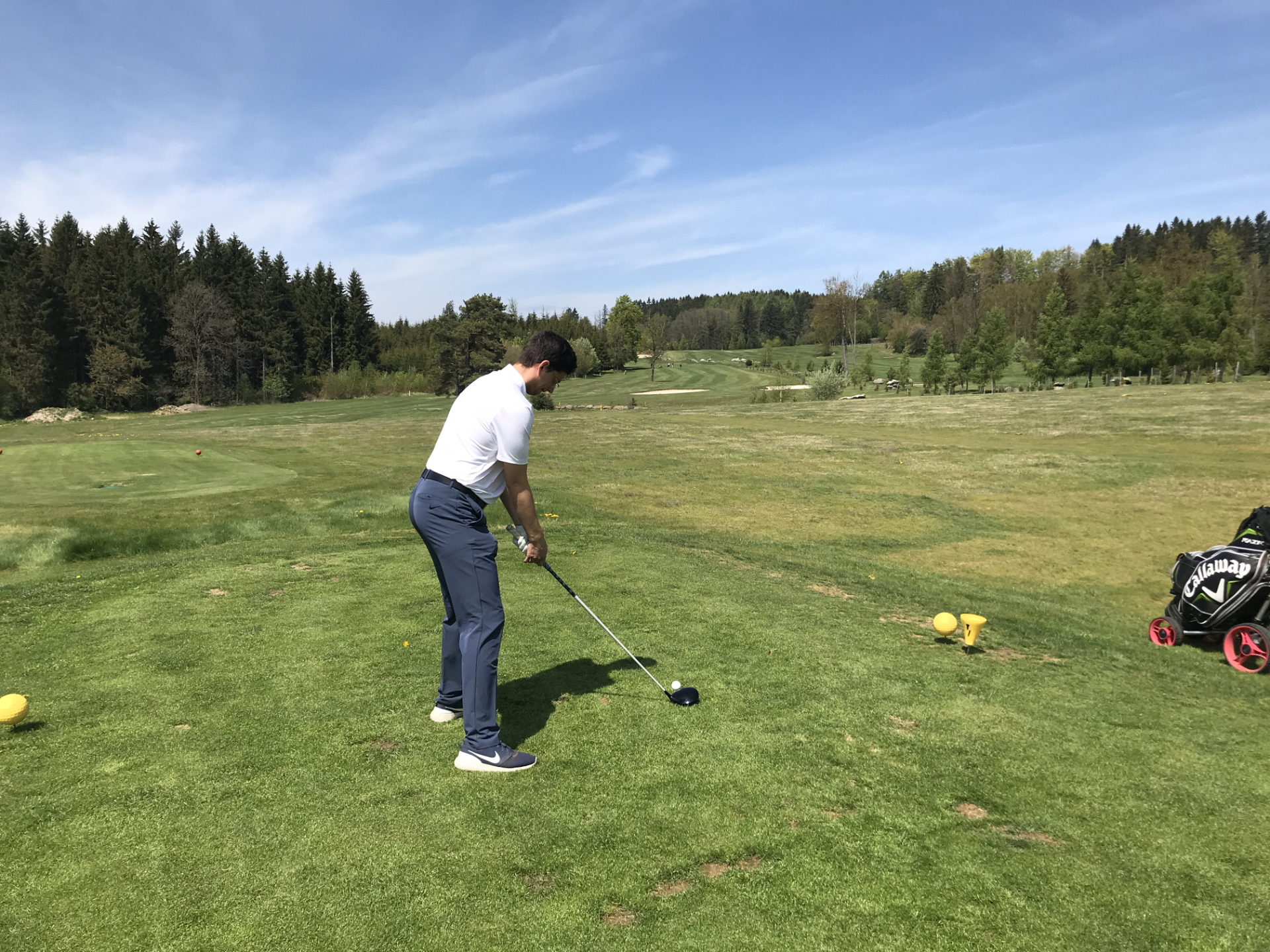
Temperature has a huge effect on these numbers (for me is 5-10 rhr). There are other factors like time/size of last meal, blanket, alcohol to consider as well.

Thoughts on the Rate of Living theory verse the Bioenergetic view?
(Starts 5:22)
https://youtu.be/dDNMkpTV-AM?si=523usiyXf7KjcJQQ&t=322


Crazy stats bro 👊🏼
Reading takes brainpower

Get off your arse and do something then 😂
Thats some crazy HRV, good lord. Mine is around 70 and I understand that is excellent for my age.
I have a very low RHR though, I consider myself fit but its also genetics.


it said rhr 40 to 60 is a fit individual, is it?

what helped you most to achieve it?
Do you sleep like that everyday?

Did somebody say RHR?
IF YOU'RE NOT PAYING ATTENTION, YOU PROBABLY SHOULD BE
Jack. I hope you could read this.
Dear Jack,
I hope you’re doing well. I’m reaching out to share something deeply personal and ask for your help during an incredibly tough time in my life. I truly appreciate you taking the time to hear my story.
Over the past few years, I’ve found myself in a spiral of financial difficulties that started with trying to help others. My father struggles with alcoholism, and my mother has a brother with severe autism, which has placed a heavy emotional and financial burden on our family. In an effort to support them and cover growing expenses, I ended up taking on debts that snowballed out of control.
To try to pull myself out of this hole, I invested in stocks and later cryptocurrencies, hoping for a way out. Unfortunately, this only worsened my situation. I work at a bank and, in desperation, I asked my husband to take out a loan to help us manage the debts. However, because I processed these transactions from my phone, the bank mistakenly flagged it as potential fraud. Although we clarified that my husband was fully aware, I received a 15-day suspension from work as a penalty, which has left me in an even more precarious position.
Today, I’m overwhelmed by accumulated debts, and I’m struggling to survive financially. I’ll be honest—this has taken a heavy toll on my mental health, and I’ve been battling thoughts of giving up. But I’m determined to keep pushing forward and rebuild my life.
This brings me to why I’m writing to you. I’m reaching out to ask if you’d be willing to help me with a loan of [insert specific amount, e.g., $X or leave blank for now] to consolidate my debts and give me a chance to start fresh. I’m committed to repaying you monthly, and I’d be happy to work out a repayment plan that feels fair and manageable for both of us. My job at the bank provides a steady income, and I’m confident I can honor this commitment once my suspension ends and I stabilize my finances.
I know this is a big ask, and I’m incredibly grateful for your consideration. If you have any questions or need more details about my situation or the repayment plan, please don’t hesitate to ask. I’d be happy to discuss everything openly.
Thank you from the bottom of my heart for listening and for any support you might be able to offer
I try to tell my hisyory since 2021