
Yes, food is important. Exercise is important. Stress is important. Stimulating with exposure is important. But disease includes inherited susceptibility and issues. Most domesticated sheep for example have lost their resilience to internal parasites and the parasites have developed resilience to dewormers used by farmers. The sheep breeds that still have resilience to parasites are those breeds that have historically been in areas with high disease pressure (typically islands) and better if they are humid where parasites can thrive, without the use of dewormer, where their humans were too poor to afford or didn’t have access or were otherwise left to fend for themselves. Genetics and selective pressures will eventually play a role.

I’ve seen drawings of the garlic very tightly packed in a ring. If you want to harvest for bulbs I think that’s too close. I would space them out a bit. If you want to just cut for the greens, or just the scapes maybe a tighter planting.
I have planted a fairly random distribution around a tree in my yard. I can’t report back too much yet as it’s still the first year. But quite a few flopped over, if they are in a dense ring I would imagine it would become quite the mess. 🤷
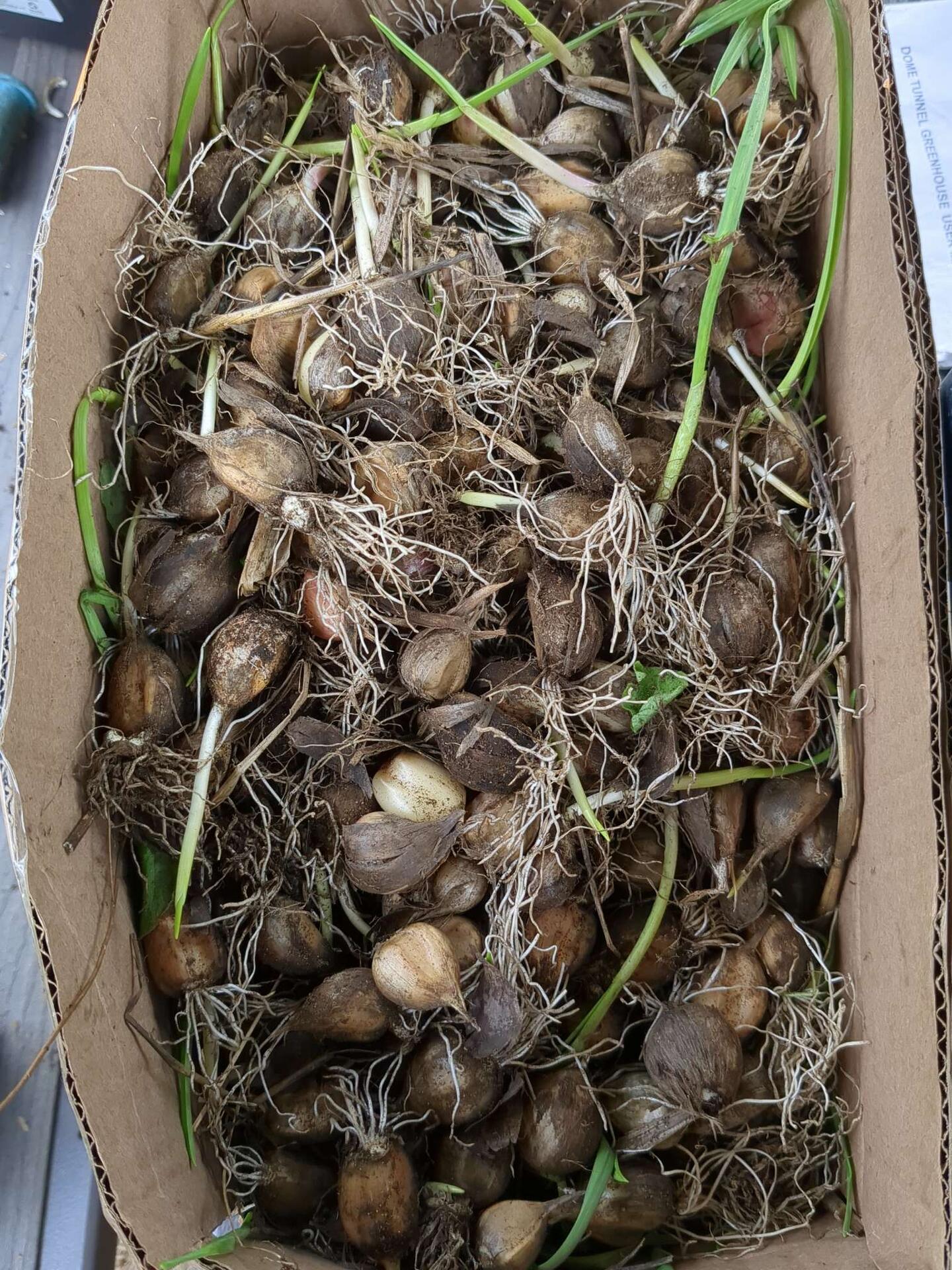
Around your fruit trees?
I imagine everyone wants to take advantage of the improvements of interventions in health. It’s got a slow feedback mechanism though. Or at-least slow on human time scales. Maybe the future will look fondly back at this Bubble time period as when antibiotics still worked. When humans had all the inherited resiliance and the technology to assist health before the genes went to trash and disease caught up.
Coincidentally, a similarly-themed post that might be of interest. Sorry for the clunky link, the bridge is being a bit buggy.
https://spinster.xyz/objects/c26cf690-1e48-4b28-a90b-cbbaa1def919
Thanks for the link. Yes similar thoughts. A shame we can’t interact more organically note to post across the protocols.
Sure, I understand this take on “domestication” but I meant it a bit more clinically. I don’t think this is how dogs were domesticated for example. Or in a small anarchical group of humans, where there is someone who you thought would be a friend but turned out to be a serious harm to you, you might banish them from the group to likely die without the protection and support of the group, this act “domesticated” humans by removing their genes from the gene pool and keeping someone more cooperative in the gene pool. Or a group of monkeys could do the same to anyone that gets too abusive within their group. We have been doing this for as long as the species has been able to decide who they will freely associate with. So yes I understand the use of domestication as a deliberate shaping of a “subspecies” for the benefit of another. But there is also a subtle domestication that is just apart of life and the voluntary actions of all. And it’s not just humans, any member of any species which fails their mating rituals is culled from the gene pool.
The more I learn about animal husbandry the more I have to acknowledge that humans are and have been domesticating themselves. Which isn’t entirely as bad as it sounds, necessarily. But the repeated observation of multiple domesticated species is that they become more and more dependent on human interventions (antibiotics, deworming, artificial insemenation, fences, feed troughs, incubation or hand raising of offspring, interventions during birth to save the mother or offspring) Some of these are the unintended consequences of focused selective breeding for one feature at the exclusion of all others, but others are more insidious as the farmer is just trying to protect his bottom line here and there. And for the humans species I see the interventions all around us. We use antibiotics, we intervene during child birth to save the mother and child, we of course take medications for parasites, and many other ailments. We provide IVF and other amazing treatments. We live in cities we eat at restaurants instead of gathering the food or prepairing it. I do these things too, I believe at least one of my kids would be dead if we did not do these interventions. And if we needed to use IVF I wouldn’t hesitate, and all the other things and yet I can not help but clearly see that we are weakening our species genetic pool. And in time we will become more and more dependent on these interventions for more and more people. I don’t like the implications or the predicted outcomes.
#grownostr #genetics #evolution


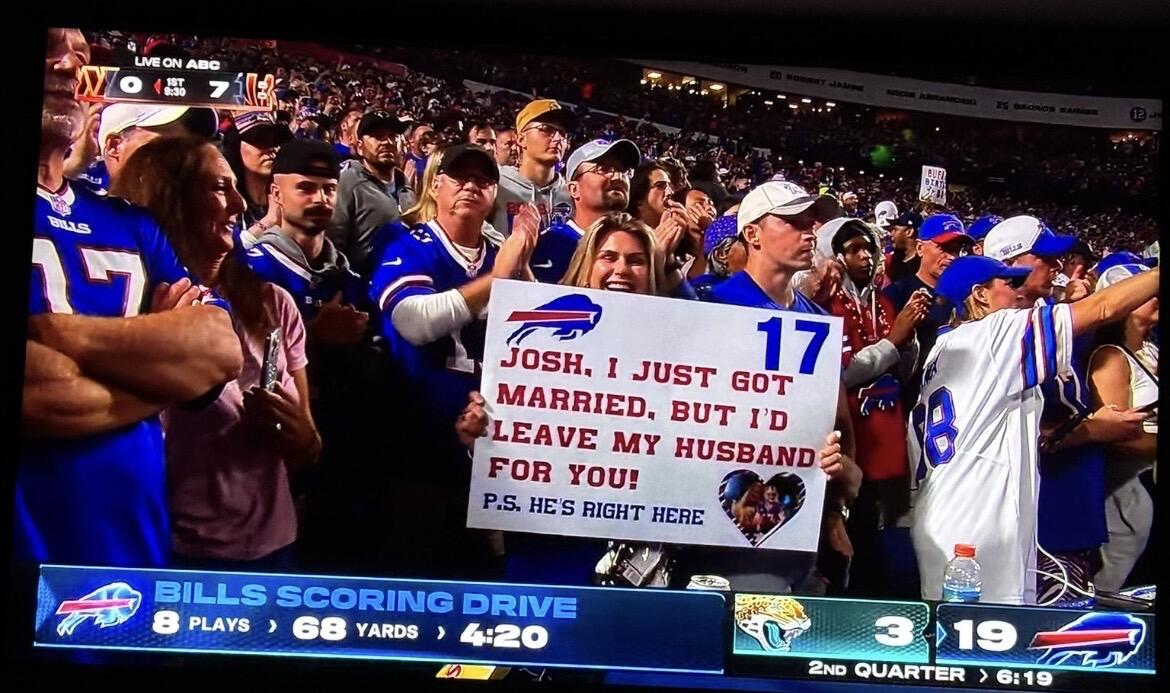
Look for “Husband in the hat” 👀, see dozens of men in hats 🧢.



Nostur, of the ones I’ve tried it gives you the most control of relays, the most information about relays, and the most control over what content you see, not to mention some experimental development to facilitate better exposure with the “other stuff” on Nostr.

No complaints on these quick pickled beets. At 24 hours. They tasted like they came from my standard grocery jarred pickled beets. Maybe sweeter, which is probably mostly a function of the amount of sugar. They should improve in theory. I used apple cider vinegar because otherwise we only had 30% distilled vinegar and I didn’t want to mess with diluting it correctly. Now how can I improve them. Any suggestions? #grownostr #gardening
nostr:note1elkvw89lgaa3nhd7ynk7a27538qezw2jcradx4g52en286hj28cqnczv4k

I set up a relay and sent my reply to this note there.



Thanks! Some are pretty large, I was growing them for their tops but I didn’t touch them much because I had so much chard.

Do you make a brine and all that or just slices and in. Boil the beets or raw? I want to love fermented but I can’t find my jam.