

Who runs the Lightning node in this scenario? Isn’t this a big centralization risk if the pool gets large?
Here’s a good starting point: https://cashu.space/

Coffeezilla doing great work as usual

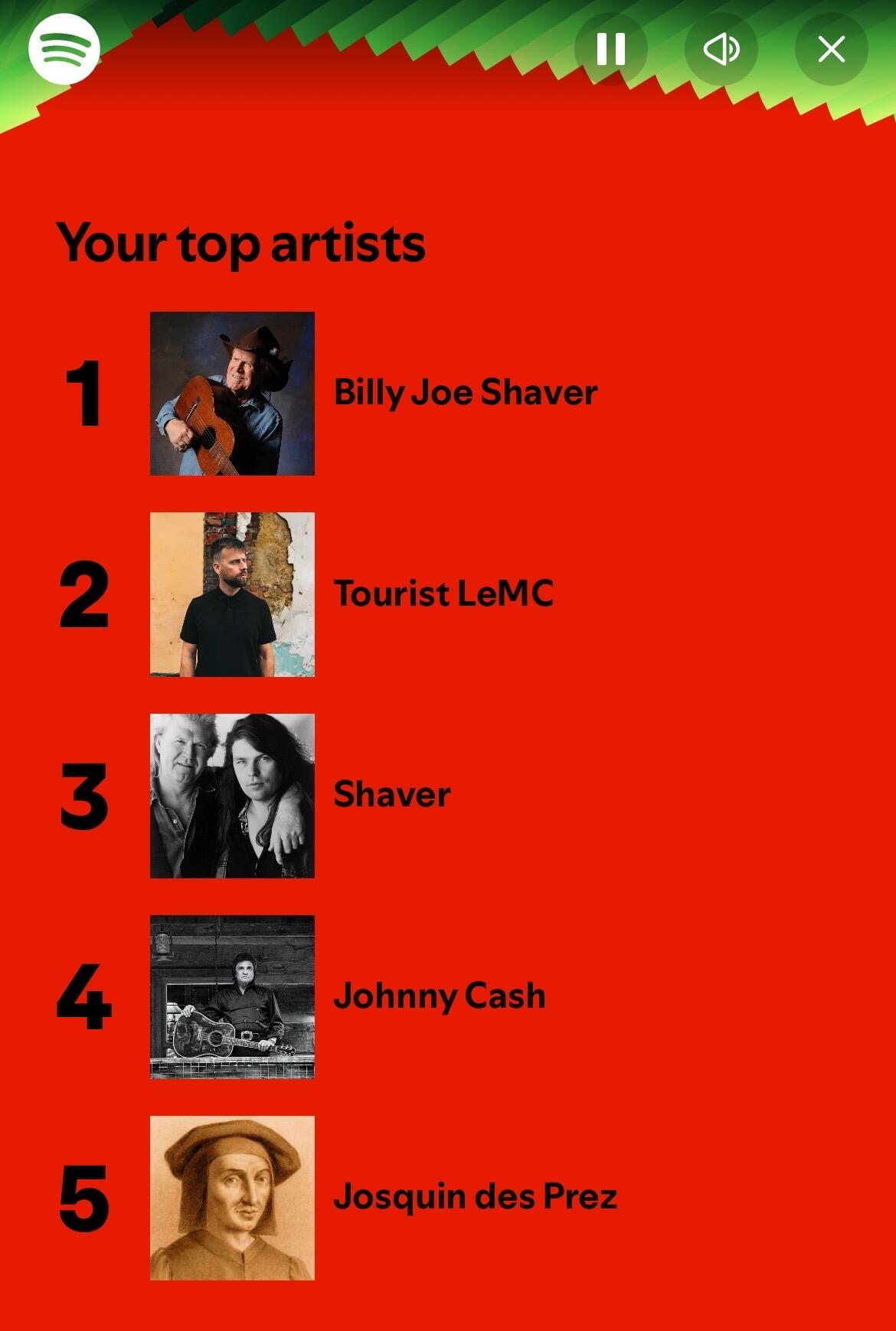

A motivation for “Readme driven development”. Big fan of good documentation.
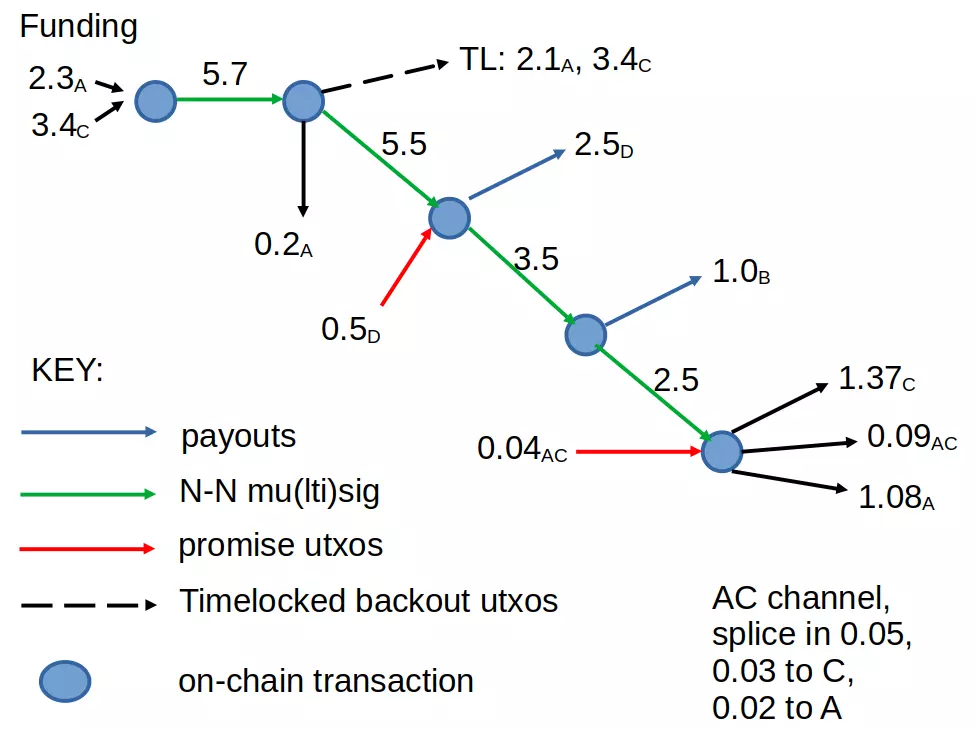
I’m no expert so it’s easy to be overly optimistic but from what I gather CKKS can at least be used for some classes of neural networks [1].
Since neural networks in general are universal approximators we can, in theory, model whatever behavior we want in a NN. We don’t typically need all the complexity of a NN though. Instead we maybe could write basic rules as a decision tree and encode that as a vector for use with CKKS or other schemes. Of course it’s more complicated than that but at least in principle it’s doable.
Ideally once you encrypt the main contents of your script and a private key to a UTXO you could publish it for anyone to run it, pass in their receiving address, and they can claim a fee just by executing the script.

There doesn’t seem to be a compelling use case for any of the proposed soft forks that can’t be done otherwise. Or at least not for the majority of us.
Covenants are nice and all, but they’re not strictly necessary to be on chain. With advances in fully homomorphic encryption we can lock up sats off chain in arbitrarily complex scripts and publish publicly for anyone to execute and claim a fee. That’s a vague idea of how to get covenants without a fork.
Central banks be like:
$ pkill bitcoin
$ ps -ax | grep -i bitcoin
# tens of thousands of lines
🤬

Probably the most interesting book i’ve listened to in a long time. A definition of life that doesn’t have a thousand edge cases.
Take any object that exists and try to count the number of steps it would take to assemble that object from physical realizable steps. Objects with many copies and larger assembly numbers could be a better definition of life.
https://books.apple.com/ca/audiobook/life-as-no-one-knows-it-the-physics-of-lifes/id1720088951
I’ve been wanting to read up more on assembly theory for a while. Thanks for the recommendation!

https://petertodd.org/2024/keeping-it-cool-mining-bitcoin-in-space
A physics based look at Bitcoin mining in space. tl;dr: keeping miners cool in space with just radiative cooling is practical, and latency isn't a big deal.
Bitcoin will revitalize the space race. The first group to successfully launch mining centers in space will have an advantage given the abundance of energy available there.
Over time you’ll expect to see a greater percentage of the hash rate move into space. The closer you are to the sun the more energy per square meter so there’s an incentive to slowly migrate operations into a tighter solar orbit.
Then you get competition for covering more surface area. Could this be what gets us a Dyson sphere [1]?

You can use #cashu #ecash for this. The VPN provider runs a mint where you exchange sats for ecash tokens and then for each request (or in bundles) you add a header that includes an ecash token paying the provider.

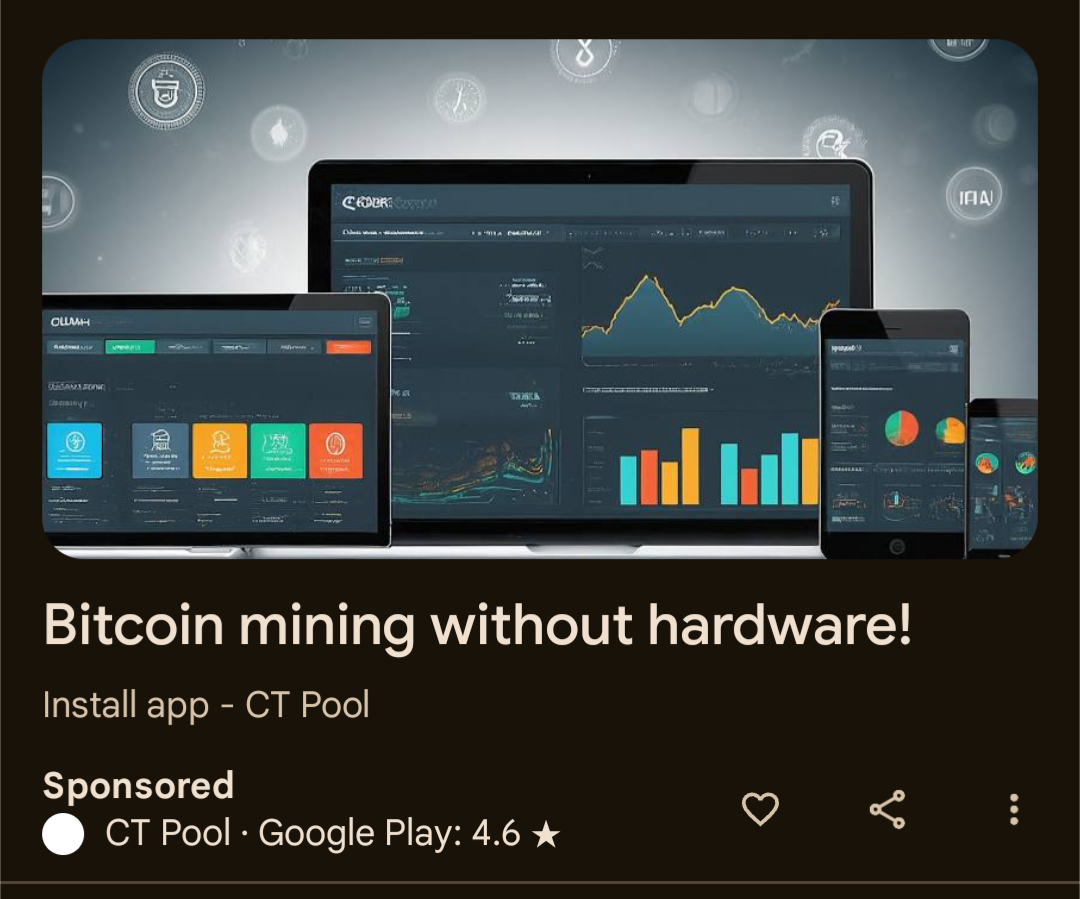
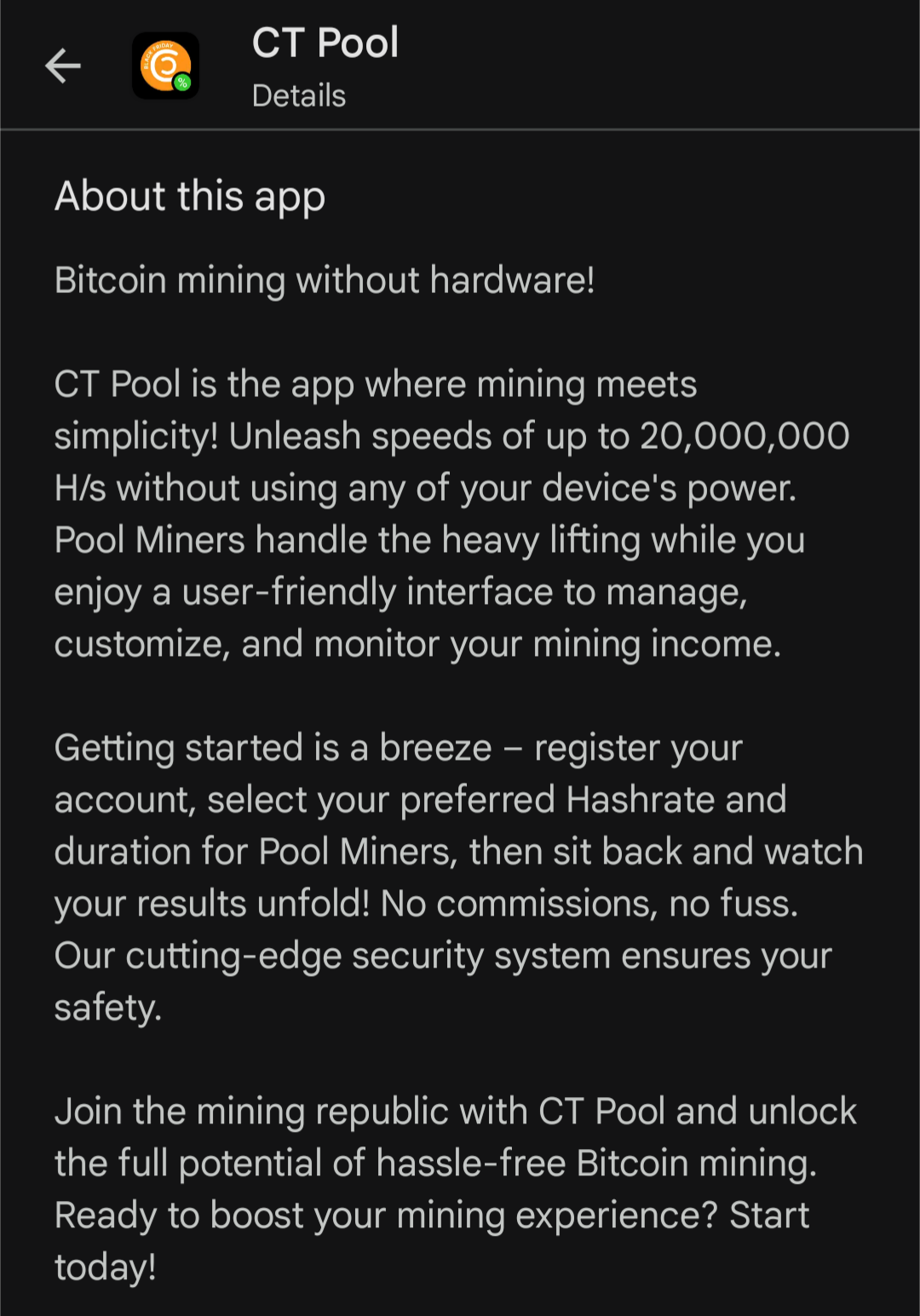
20 mh/s should give a nice fat payout of something like 10 sats per month. More fun to shitpost on Nostr for that kind of return.
Tariffs are a soft form of capital control. Any government willing and able to levy punitive tariffs is willing to implement more aggressive capital control policies.
Keep that in mind as your politicians toss around these promises. You should never cheer for those policies even if you agree with them in spirit or because they’re “for the right reasons.”
Those bitcoins you have? They could be a target if they’re KYC or held at a custodian.
The Industrial Revolution began around 1760. Imagine how people would react to having a nuclear reactor appear in the biggest cities in the world in 1800. They would have no idea what that reactor enabled for them.
We got the internet just a few decades ago and now we have Bitcoin. Most people who aren’t paying attention just have no idea how Bitcoin changed the world.
Nothing. Tail emission results in a stable monetary supply: https://petertodd.org/2022/surprisingly-tail-emission-is-not-inflationary
What matters is the tax on savings that it represents. The difference between 0.1% and 1% is insignificant, given how much Bitcoin's economic value grows.
This assumes a perpetual loss of keys every year which I’m not sure is valid.
It happens all the time now since it’s relatively new to almost everybody but as time goes on and bitcoin becomes more valuable and professional services and best practices mature we should expect a diminishing rate. In your article’s terms lambda would trend towards 0.
There’s a selective pressure in the community: as time goes on Bitcoin should flow into hands of people who can responsibly hold long term since the ones who can’t will become economically less relevant. Not a judgment on them by the way: I’ve lost coins too.
You can think of money as economic potential energy. It’s where excess economic productivity is stored until there’s a demand for it. It’s like a battery.
A battery that can hold a charge for as long as you need it is preferable to one that can’t. Even better is one that can hold it indefinitely so that it can be reused by others eventually.
Picture your money now and think at current prices how big of a “battery” do you need? If you have enough money now at current prices to last you 10 years will your money “hold its charge” that long?
If the medium you’re storing your money in is leaky then you have to expend more effort and resources just to have a stable balance. What happens when that leak is fixed?
Imagine at current levels of productivity how much more economic potential energy could be saved up just by patching that leak. What do we unlock now that we have such a money?
You heard it here first, folks. Yes, you can go back and CPU mine bitcoin back in 2009.

Proving coins are in a range rather than a specific amount is useful to obscure timing around inflows and outflows? This protects mint users’ privacy?
When you say any amount and ultra small wallets do you mean mSats?


TFW your uncle sees 6 hours of nostr:npub1h8nk2346qezka5cpm8jjh3yl5j88pf4ly2ptu7s6uu55wcfqy0wq36rpev queued up on your phone about to play for the whole family.