Avatar
jimbocoin πŸƒ
6140478c9ae12f1d0b540e7c57806649327a91b040b07f7ba3dedc357cab0da5
The SUPERCYCLE guy.

Maybe we are talking about different things. I’m referring to the network you spin up yourself, and make coins with a command line invocation.

I’m in this photo and I’m ok with it nostr:note1wtmc46rmvpxwlla8n8277tdqa6ek5ug4jtsvpnu7j2hf4ut7g6us3t8fma

Men would literally rather start a private military company than go to therapy. nostr:note1723s9lhsc26v6nrusjsgg5a0nvgv6qr9fjw03k7nm3vgj5cq94eqx8tecz

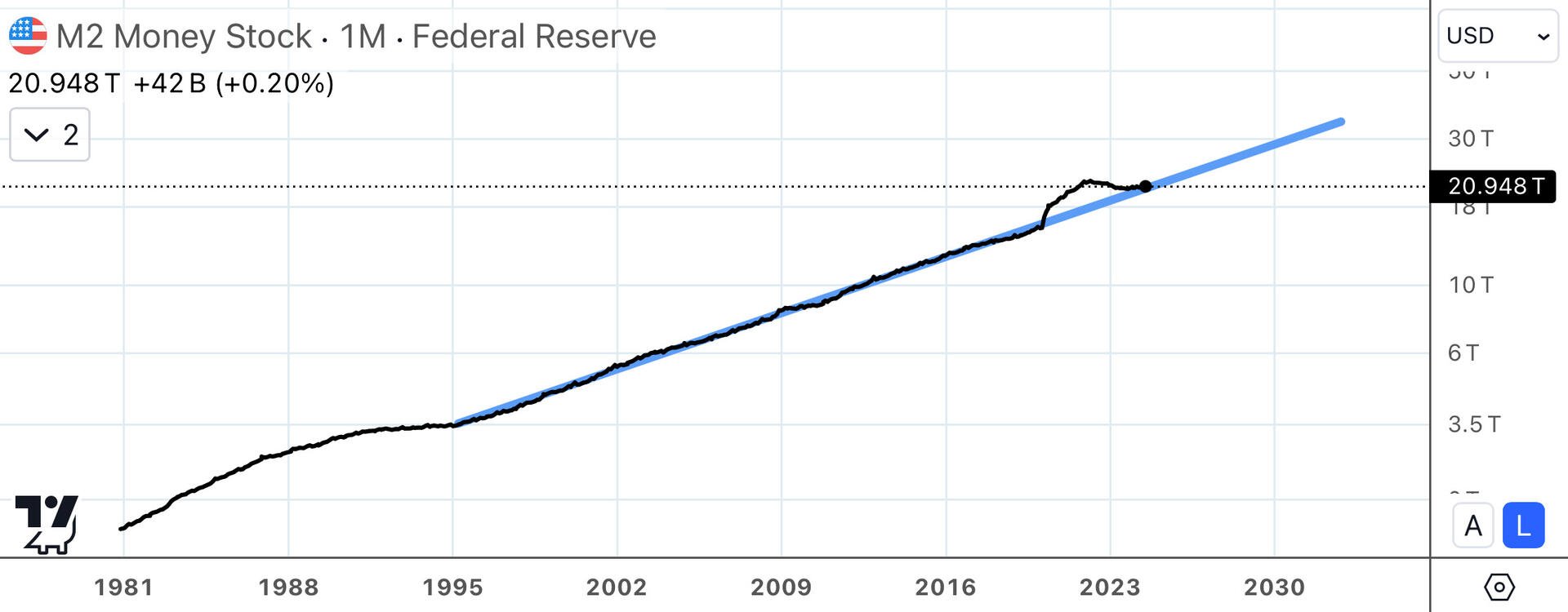
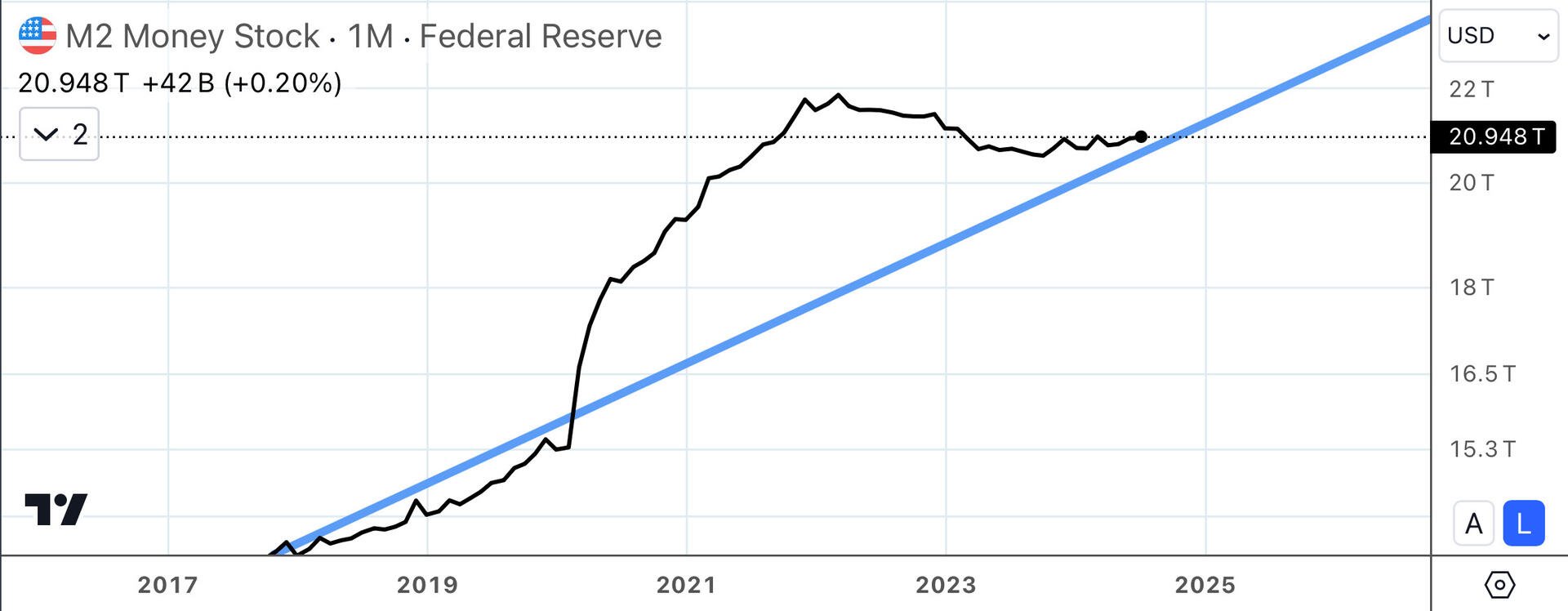
Stimulus checks in 2020 caused M2 to leap off of the long term exponential trend line (blue, 8% CAGR). People had spending money, prices went up.

Rate hikes in 2022 bent the money supply curve downwards and now they’ve almost gotten it back to trend. I believe this was the Fed’s plan all along.

Once M2 is back to the long term exponential trend line, expect rate cuts to resume 8% annual money supply growth (theft).

Charts are log scale.
#Bitcoin #meme nostr:note1atkalttxhnevqkc0nj3753646h83pw2pea4d0szf6gxj4p75tdxqcw6cvt

B L O O M I N G nostr:note1c5vds9h36gxnh3y5tfkecwld964f3dwvg5p356vwlpmxracgv2jq28f3kg

It me nostr:note10cr35gkty288rzvzeh2ncr38x8qttkrfunzwpzmldrxr9gs4djhqwgqvjv

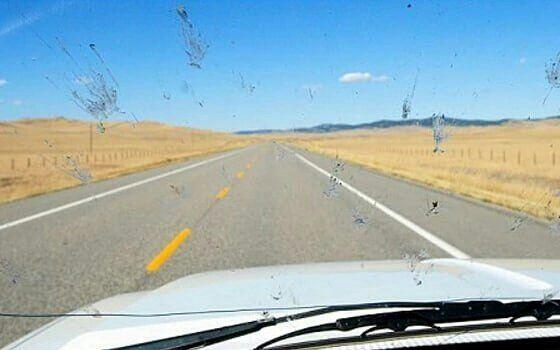
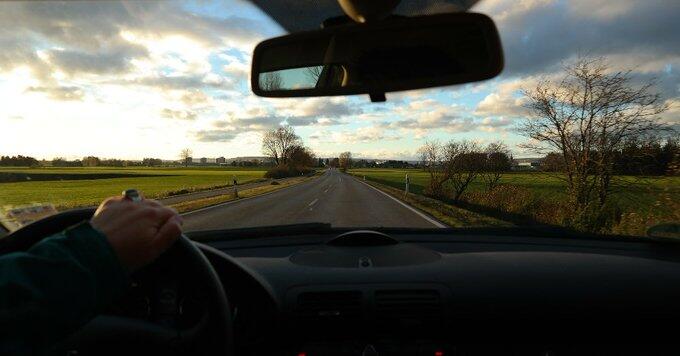
If you're old enough, you may recall that 20 years ago or more, you used to see many more dead insects on your car's windshield, while today you see almost none.

This is called the Windshield Phenomenon.

In the first years 2000s it became a commonplace observation among drivers that after a long drive, windshields no longer had to be cleaned of numerous insects.

It was basically born as a meme, but in 2016, naturalist John Acorn noted that the phenomenon had real and objective proofs.

Since 2017, major publications and media covered the topic of reductions in insect abundance over the last few decades and entomologists linked this withthe fact they no longer had to frequently clean their windshields.

It turned out that a meme was aware of a proved trend.

A 20-year study measured the number of dead insects on car windshields on two stretches of road in Denmark from 1997 until 2017. Adjusted for variables such as time of day, date, temperature, and wind speed, the research actually found an 80% decline in insects.

Several factors are thought to contribute to the declining insect populations.

The expansion of human settlements, agriculture, and infrastructure has led to the destruction and fragmentation of natural habitats, essential for insect survival and reproduction.

The widespread use of pesticides in agriculture and urban areas has had a devastating impact on insect populations, directly killing insects and indirectly harming their food sources.

Rising global temperatures and extreme weather events are disrupting insect life cycles and altering their habitats, leading to population declines and even extinctions.

Artificial light at night can disrupt insect navigation and foraging patterns, reducing their reproductive success and overall survival.

The introduction of non-native insect species can disrupt ecological balances and compete with native insects for resources, further contributing to their decline.

One can still consider the trend and the effect as anecdotal, but the studies conducted created a connection between the global redutction of insects species and what people of a certain age can actually confirm as something more than a simple perception.

Natural selection. Bugs that hit windshields are less successful than bugs that avoid them.