



Greetings Source Energy Beings! Extend your beautifulness and have fun doing it!!!



Energy sources are plentiful on planet Earth. The real problem is that human stupidity is even more plentiful.
- nostr:npub17hmxndj039akyp4yllfhvxqkczsvh0y2z7t09kps93shjl2hvmqqfkrrvv
#BitcoinTwitter
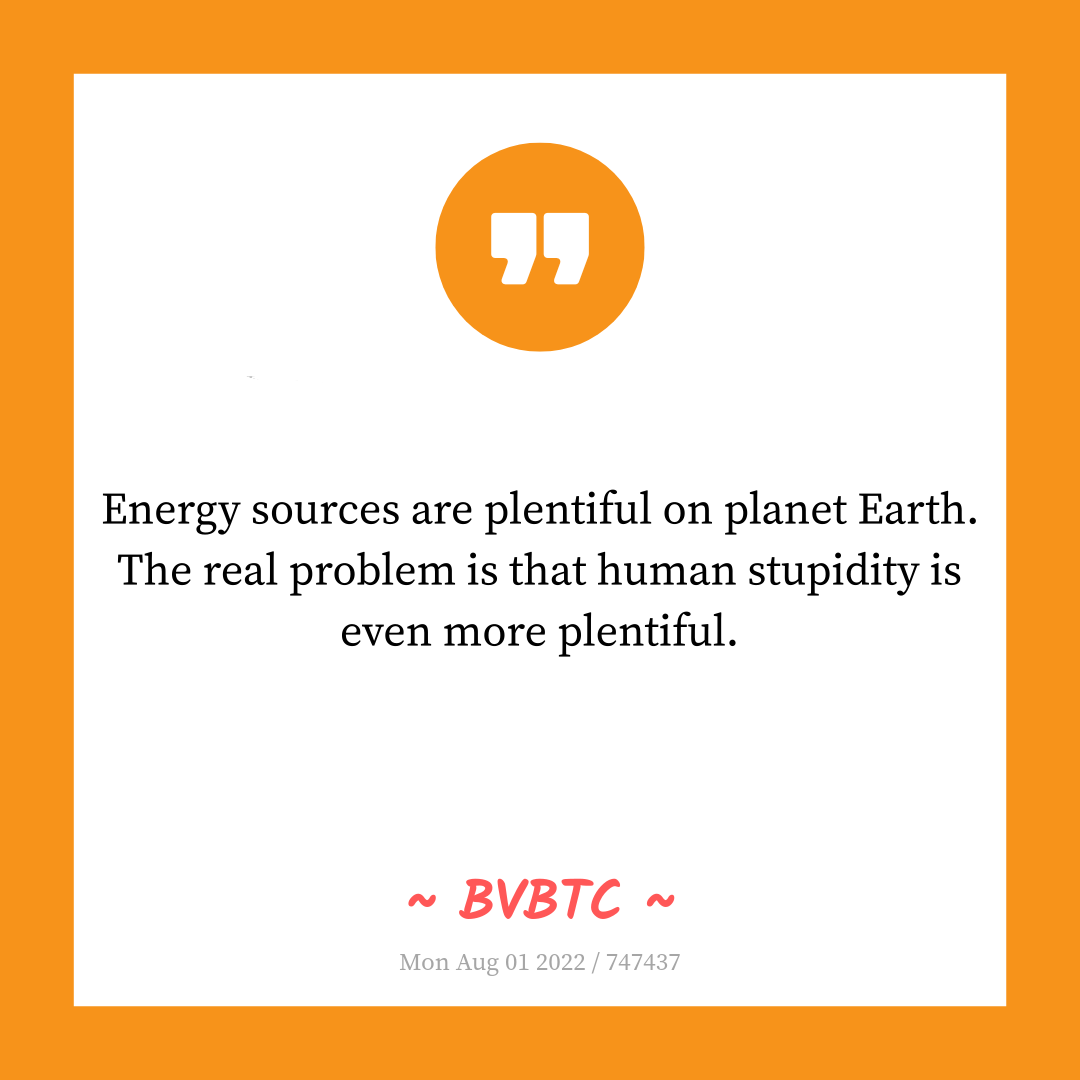
🤣😆🤣😆🤣 well….humans ARE energy sources



Sade…..always zap worthy. I would have Anita Baker if not one definitely two.
Bitcoin really ties the whole room together.
- nostr:npub1hen5ktx66fedytxewann4mx39zudkfrjmkaav0ecl2v7selvannq7jktsz
#BitcoinTwitter

And since we’re all connected with a thin strand anyway…….

Thank you brother! I have learned so much this past year watching the Simply Bitcoin channel.
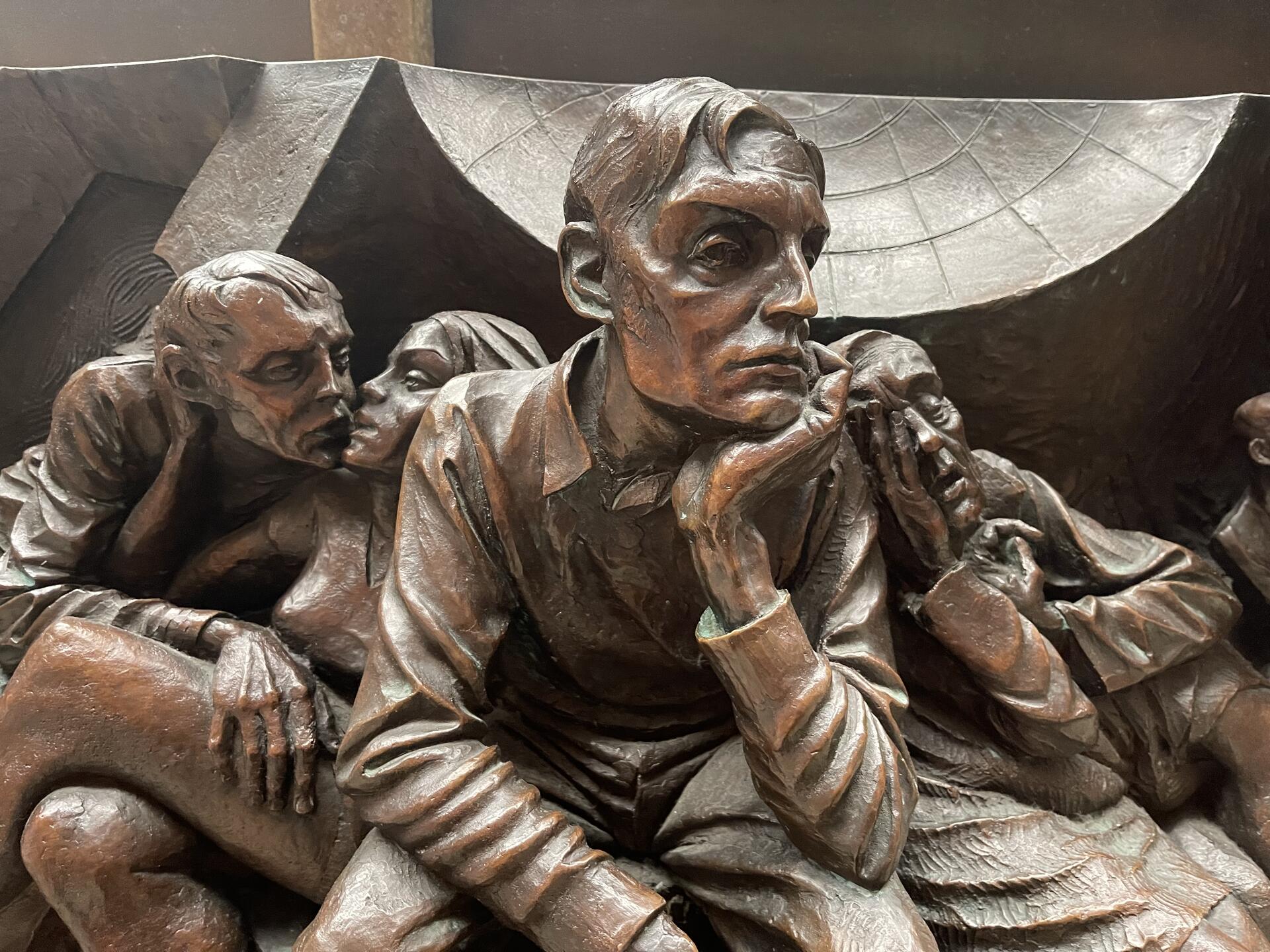
“God, it feels great to defy the bastards! Doesn’t it!”
What a start! Thanks nostr:nprofile1qqst0mtgkp3du662ztj3l4fgts0purksu5fgek5n4vgmg9gt2hkn9lqpzdmhxue69uhhwmm59e6hg7r09ehkuef0qythwumn8ghj7un9d3shjtnwdaehgu3wvfskuep0vqf02y for the introduction!
Thanks #Bitcoin Thanks #nostr for providing the resolve!

Nothing….Nothing! Like a thatched roof. Live free
Curious too. Are all Mass catholic? If so what is the difference in Latin catholic and other catholic?


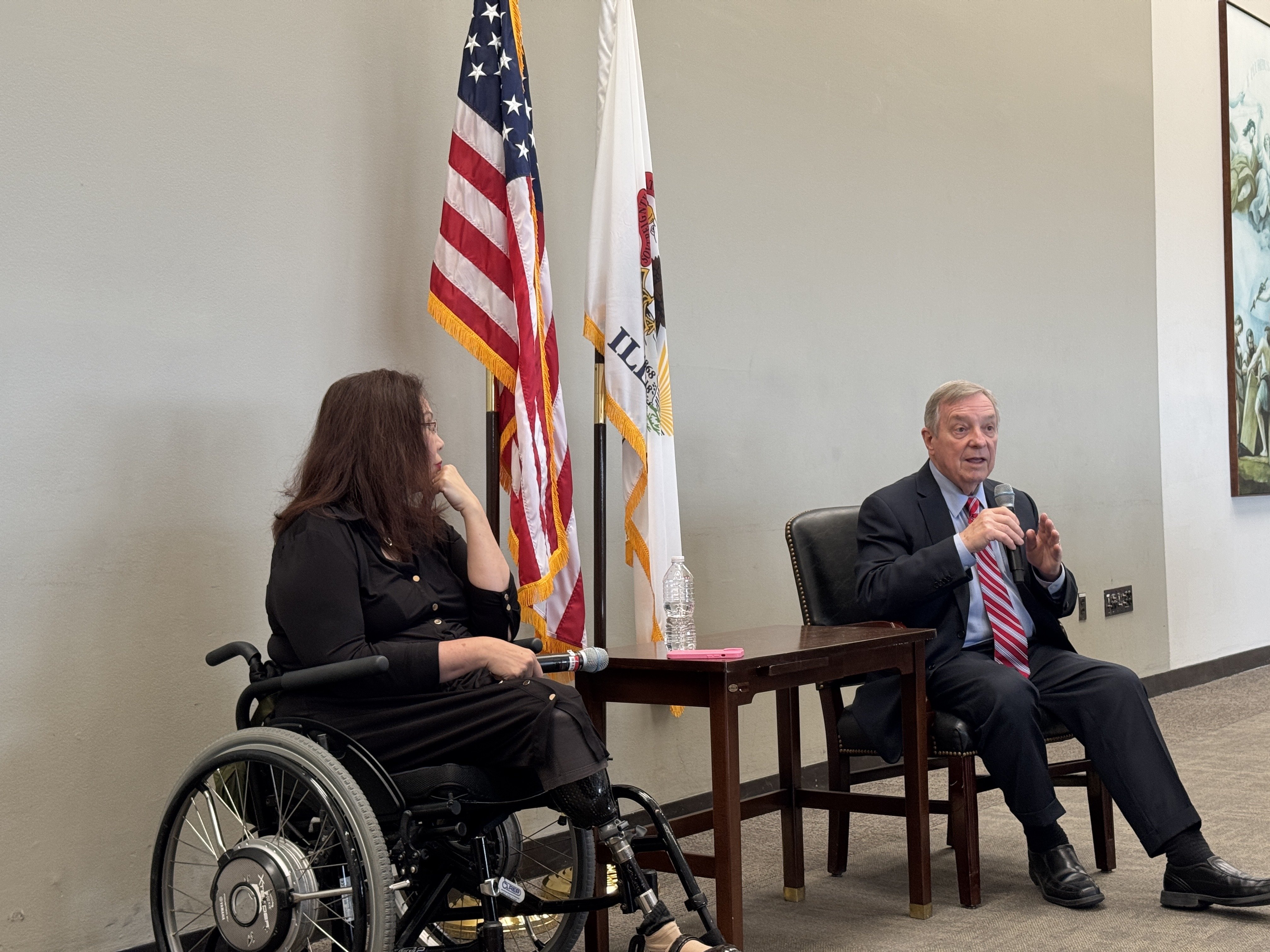
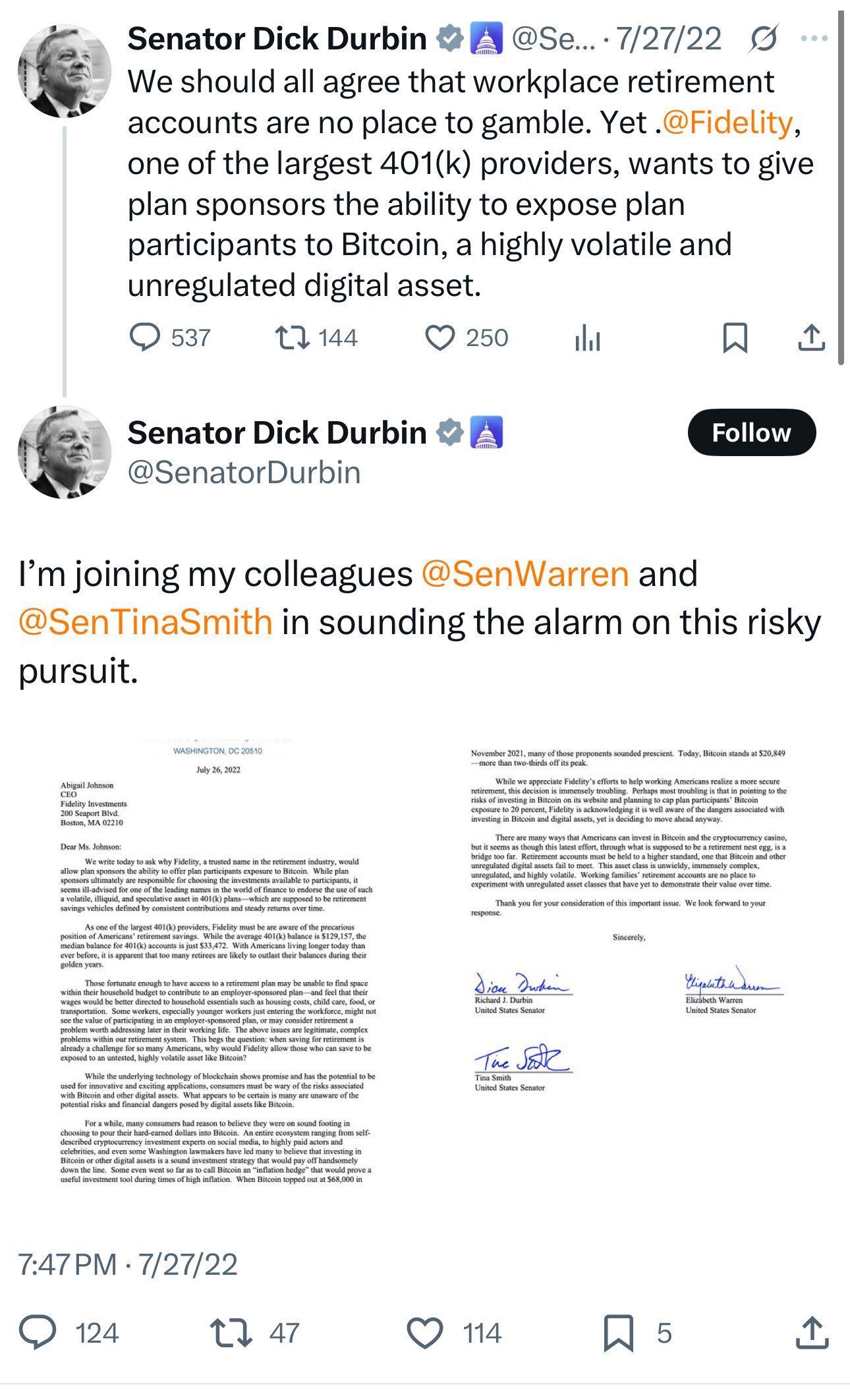
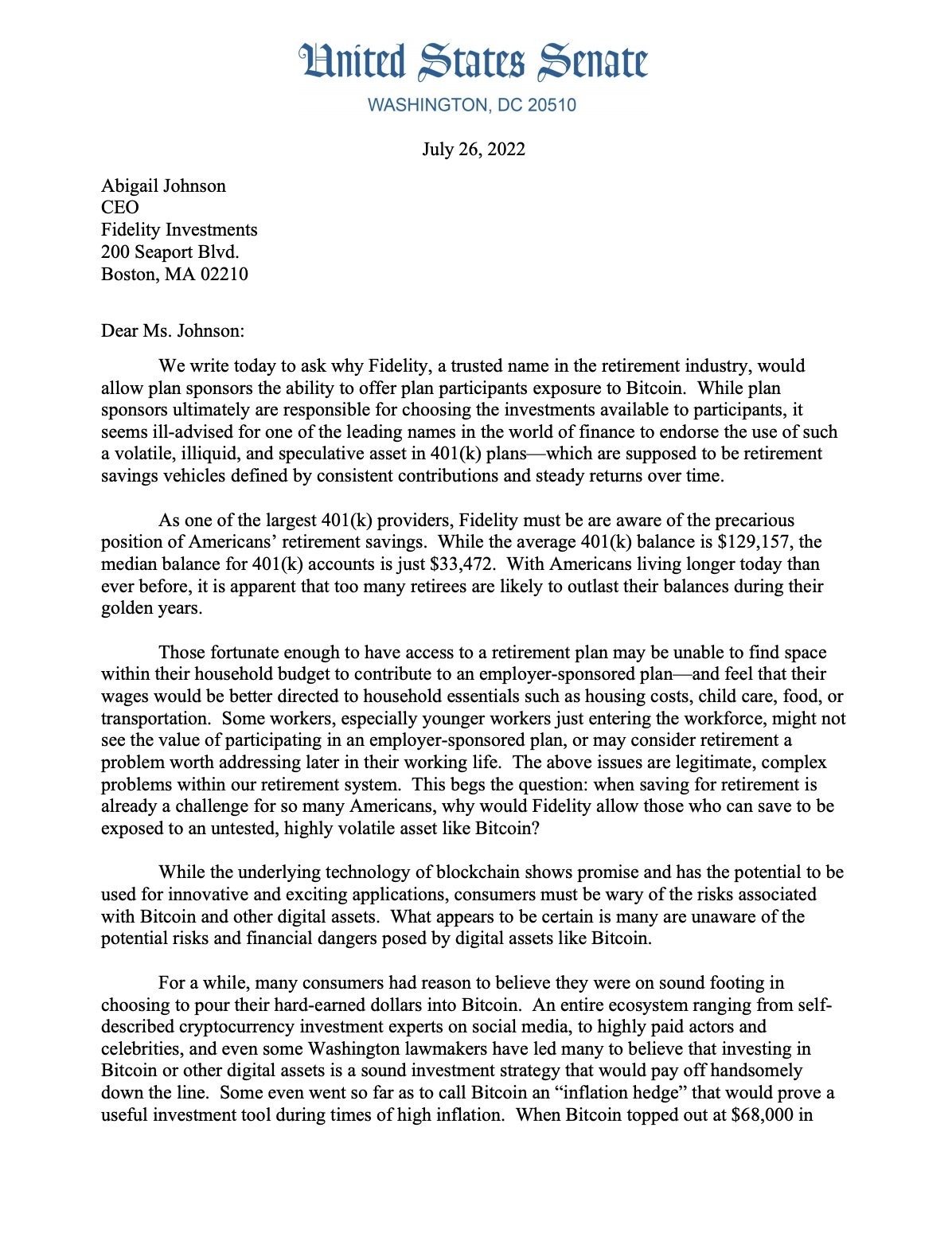
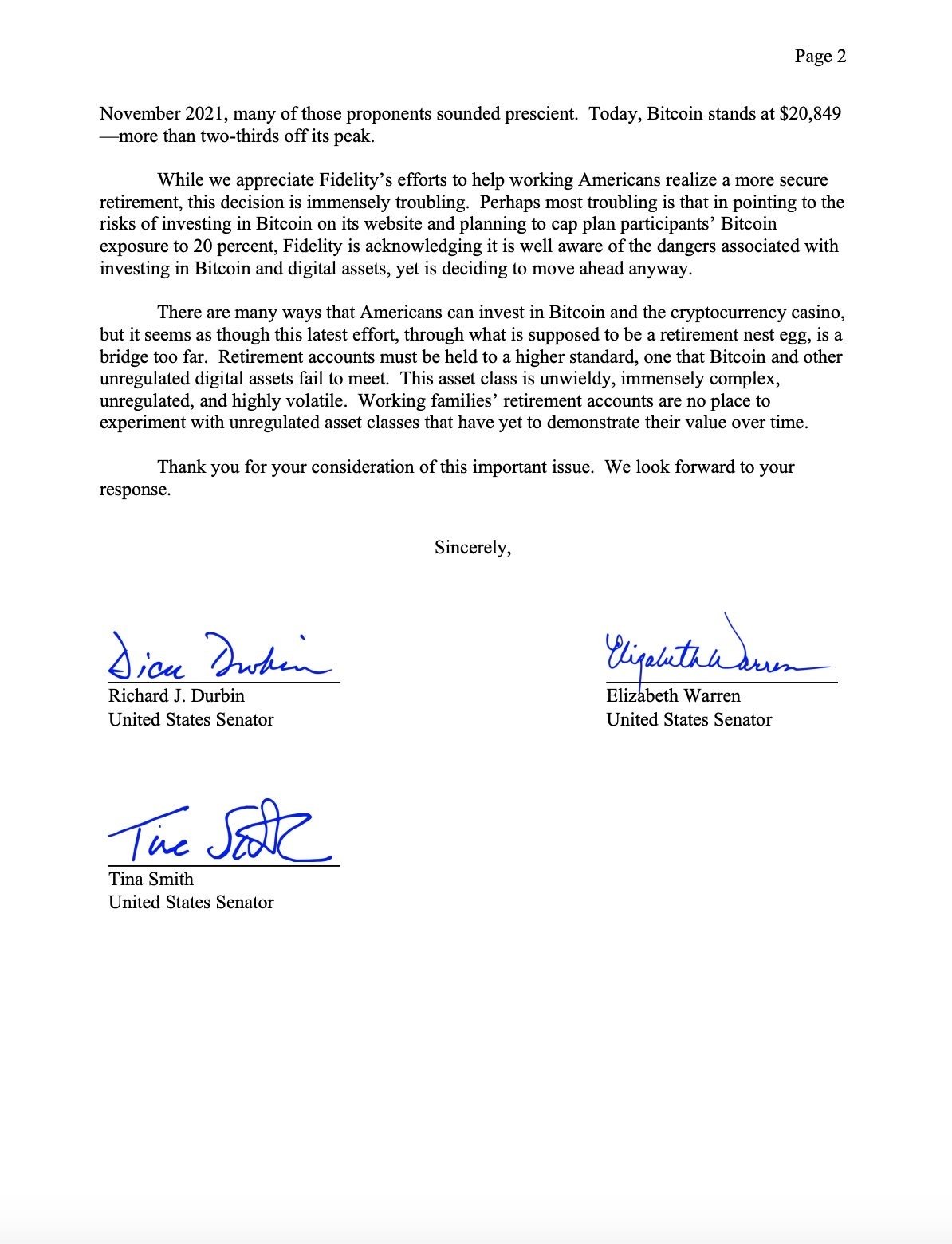



I think there’s something missing from the post.
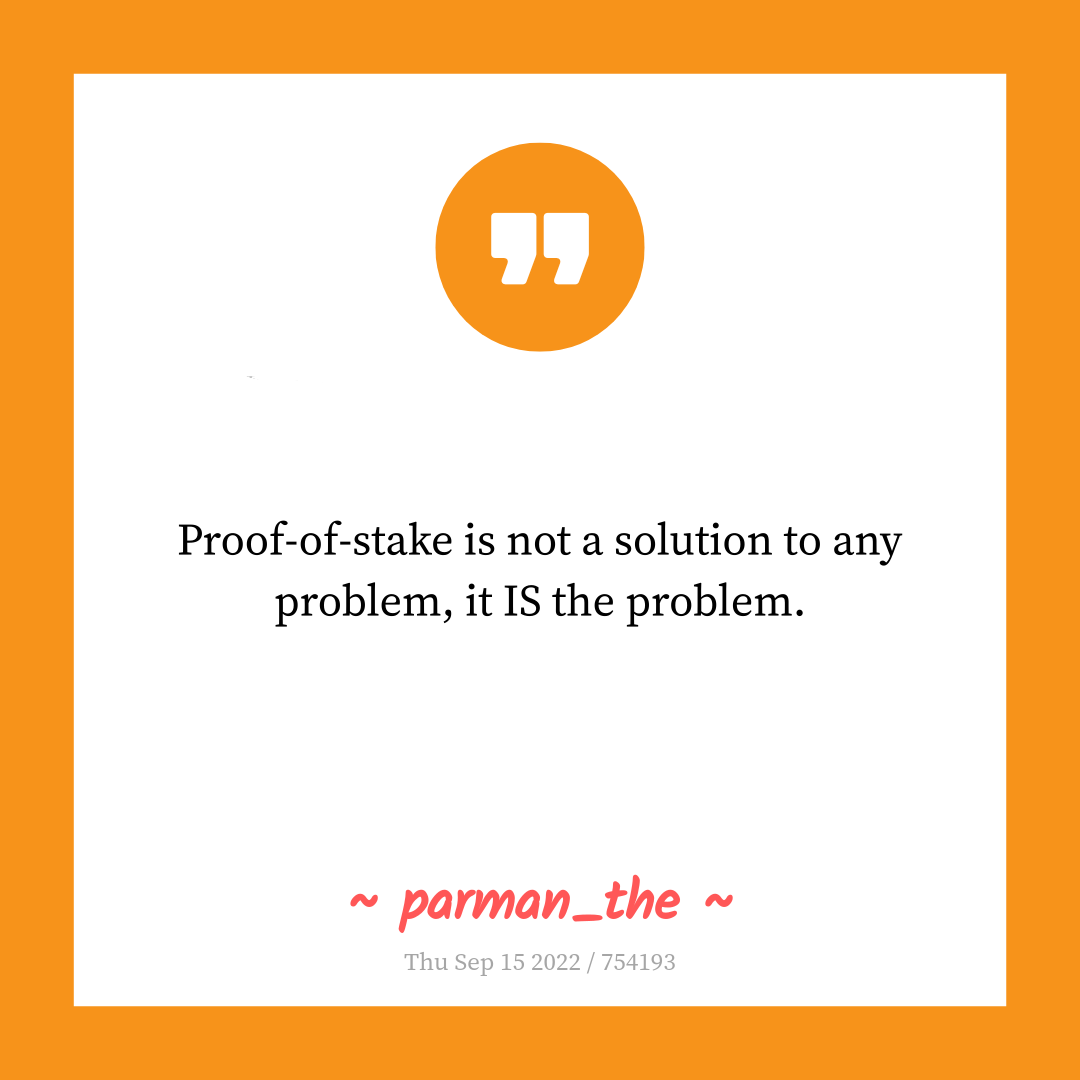
Proof-of-stake is not a solution to any problem, it IS the problem.
- nostr:npub1ltt9gry09lf2z6396rvzmk2a8wkh3yx5xhgkjzzg5znh62yr53rs0hk97y
#BitcoinTwitter
🤓
Greetings Source Energy Beings 🧡 Increase your volume of Love! We are All connected 💜❤️🧡


Greetings Source Energy Beings 🧡 Only in the present can Love be felt, known and extended. Stay present and observe the Shift with Love ❤️

