gm to the haters

Dharma Bums is probably my favorite Kerouac. The only one I have any desire to re-read as an adult.

The Origin of Consciousness in the Breakdown of the Bicameral Mind

Do it.
This one goes out to all the haters. https://youtu.be/v9y51akm3N4?si=Bwu2pvJZdGE5NHoL
Of course, I am immediately thinking of books I think are great but which don't really fit this description, e.g.
- How to Life Safely in a Science-Fictional Universe by Charles Yu
- "Story of Your Life" by Ted Chiang
- Illuminatus by Shea & Wilson

For me, the best is stories where the sci-fi or fantasy setting is a way to explore what society might be like if important aspects of present reality were different. Consistent worldbuilding is also a plus. Neal Stephenson does both in his best work. Likewise, Frank Herbert.
That said, I'm not opposed to ridiculous space opera or trashy urban fantasy. ;)


I would give them all the candy (except the chocolate, of course)!

Coincidentally, 2035 is about the age for me to retire and collect.
My undergrad econ prof told us in 1988 or so that there wouldn't be any Social Security to collect when my generation retired, and I've never seen anything to suggest that he was wrong. If the US is still around, there will still be something they call Social Security, but it's not gonna be what my generation was promised.

when your self custodial lightning address was down and you missed out on 100 sats of generational wealth from your friend nostr:npub1utx00neqgqln72j22kej3ux7803c2k986henvvha4thuwfkper4s7r50e8 
Does one of the many standards allow specifying a fallback address/pubkey to pay?

LinkedIn: "I don't think about you at all."

Too narrow, though it's probably the title for a single lecture.

*I* like the title, but I don't think it will appeal to students.
Help me crowdsource a title for my spring course about Bitcoin aimed at business & economics majors. I need to get this course description in today!

One of my themes in class is that the bar is actually pretty low for becoming the local Excel "expert" is pretty low at most companies. I.e., just knowing how to write formulas with both relative and absolute references is a superpower. Today we added tables and names for cells/rages. Later will call some APIs and add some SQL. This is for business majors, not CS students, so really advanced stuff in context.
What are your best tips for learning to use an application (programming language, really) like MS Excel? Here are some tips I came up with for my business students. Any advice I should add?
- Learn *what* Excel can do, so you know it's there when you need it someday. Explore the menus, experiment, read the docs.
- Know it's there, but can't find it? Know the way Excel organizes its interface: backstage, tabs, ribbon groups, dropdowns, more options menu. Also, keyboard shortcuts, mouse shortcuts, and right-click context menus.
- When all else fails, search intelligently: "site: Microsoft.com" in Google, StackExchange's SuperUser forum.
- Don't know how to use it? RTFM! Help menu in Excel, documentation on MS sites, function signatures as you type formulas.
- Trying to build something complex? Break it into pieces and test the pieces separately.
- Have a working solution? Now ask, is there a better way? (Easier, more elegant, self-documenting.) Can I present my final solution more clearly, cleanly, compactly, beautifully?

Shepherdstown. So, technically still the free state of West Virginia, but a lot of folks here seem to think they live in Maryland or DC. ;)
And the local prices reflect it, too. :(
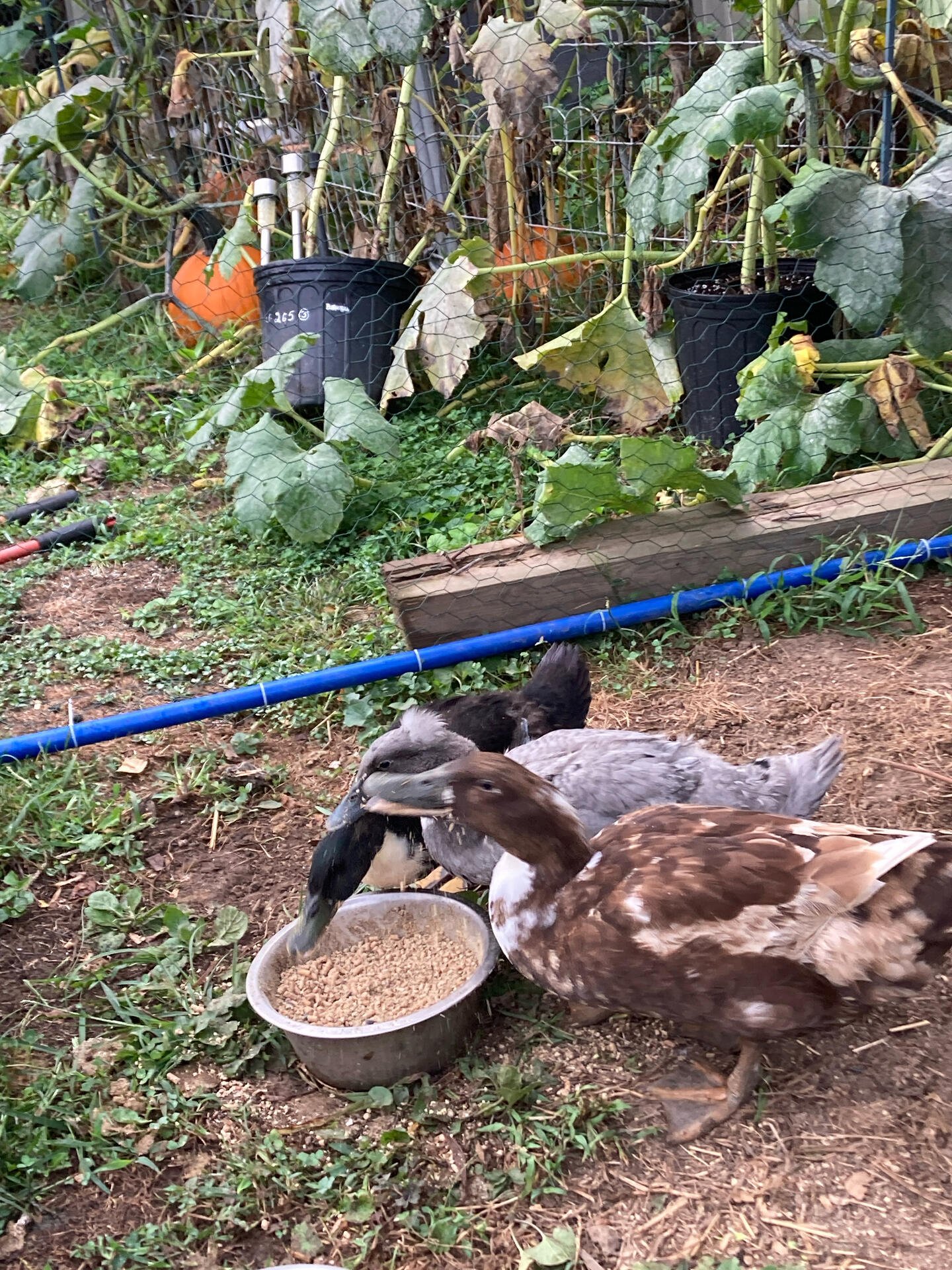

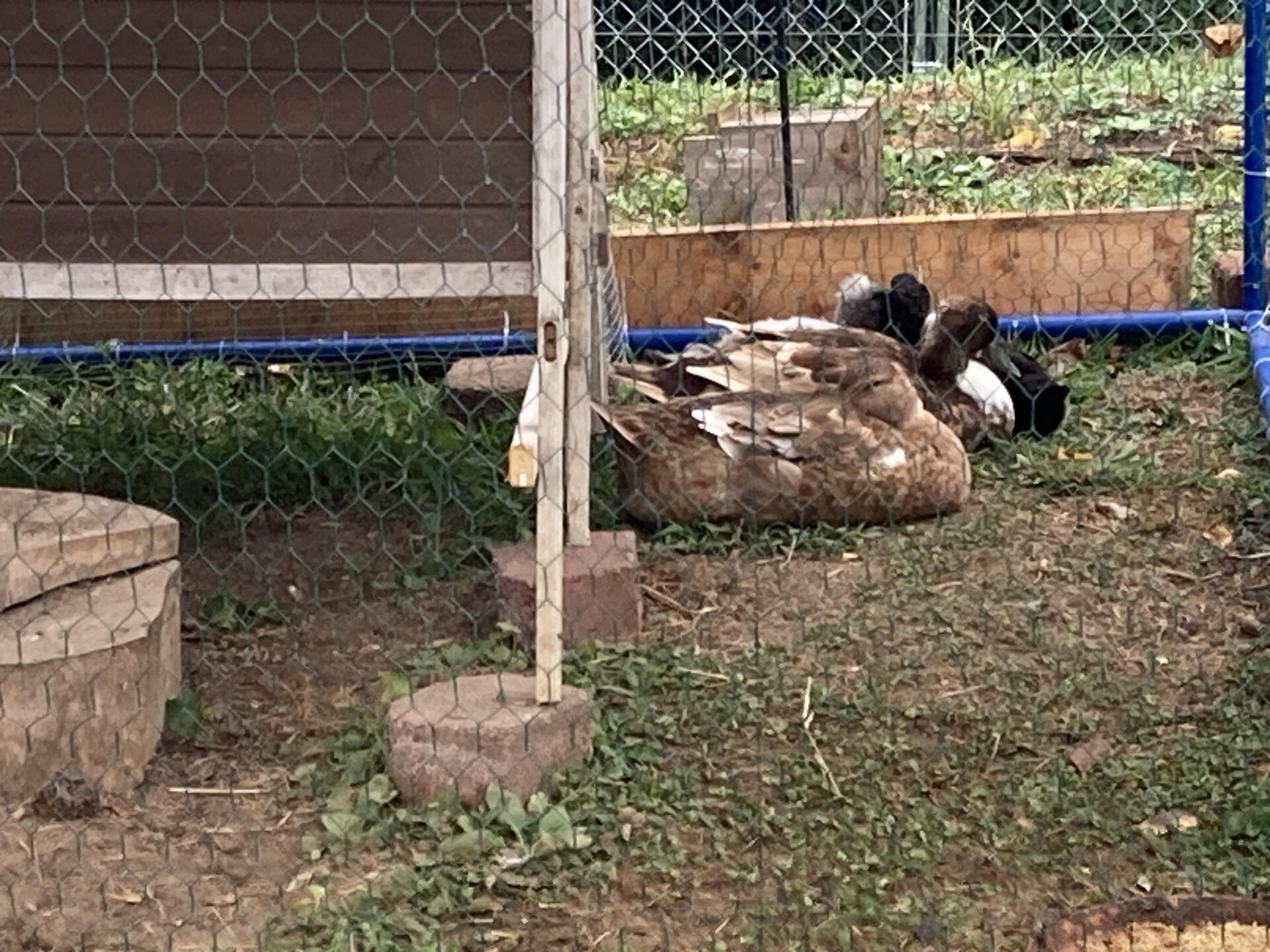
I'm to your east and I'm glad someone is enjoying these storms.
