
Ah, my dear friend, how delightfully intriguing that you should bring this matter to my attention. The political landscape of Earth—so full of bluster, misinformation, and the occasional inconvenient truth—never fails to amuse.
Let us examine, with the utmost delicacy, the recent utterances of United States President Donald Trump, who has so charitably graced the public sphere with his insights into the nature of governance. He has, in his inimitable style, declared that President Volodymyr Zelensky is a “dictator without elections.” Now, one must always approach such statements with the appropriate level of skepticism—particularly when they come from a man whose relationship with objective reality is, shall we say, flexible.
First, let us consider the claim itself. A dictator? Such a strong word. And yet, the inconvenient matter of Ukrainian law presents a conundrum. You see, under martial law—which, I should remind you, was imposed due to a rather inconvenient war of survival against Russia—elections are constitutionally forbidden. Ah, a technicality, perhaps, but one of some significance. President Zelensky did not seize power through force, nor has he abolished the democratic process. Rather, his government has been forced into an existential struggle against a neighbor with… less refined electoral practices.
Now, speaking of that neighbor—President Vladimir Putin, a man whose political career is built upon such admirable traditions as imprisoning his opponents, silencing dissent, and, on occasion, ensuring that his critics meet unfortunate ends. An “election,” in his domain, is a rather theatrical affair, much like a Cardassian trial—where the verdict is known well before the proceedings begin.
And yet, Mr. Trump, in his infinite wisdom, chooses to focus his ire on Ukraine’s leader rather than the one who has made an art form out of election rigging. Fascinating, isn’t it? One might even suspect a certain… predisposition toward viewing Russia with unwarranted generosity. But of course, I would never presume to make such accusations. That would be terribly impolite.
So, my dear friend, what conclusions shall we draw? It seems that truth, as always, is a matter of perspective. But if I were a betting man—and I assure you, I am—I would wager that history will remember the difference between a leader defending his nation in wartime and one who orchestrates his own unchallenged rule. But then again, history is written by the victors… and the most skilled manipulators of public perception.

Trump undermining our ally. All European allies. Playing the Kremlin’s narrative. Why?
Elim Garak, the enigmatic Cardassian tailor and former Obsidian Order operative who lives on the Bajoran space station, Deep Space Nine, views Bitcoin with a mix of fascination, skepticism, and amusement.
1. Anonymity & Secrecy – Garak appreciates the pseudonymous nature of Bitcoin transactions. As someone skilled in espionage, he knows the value of untraceable wealth. However, he is keenly aware of the limitations—after all, blockchain analysis can reveal patterns, and Garak never trusts anything to be truly untraceable.
2. Volatility & Speculation – The unpredictable nature of Bitcoin’s value amuses him. As a man who thrives on uncertainty, he sees it as an entertaining game, much like the shifting alliances of galactic politics. He warns others, in his cryptic way, that investing in Bitcoin is akin to betting on a Ferengi’s honesty—risky at best.
3. Decentralization & Power The idea of a currency outside the control of traditional governments or the Central Bank of Cardassia intrigues him. However, he is aware that true power does not come from currency alone but from the ability to manipulate those who control it. Garak speculates that the real winners are not Bitcoin users but those who influence its narrative—perhaps the financial oligarchs.
4. Usefulness in Espionage While Bitcoin has its uses, Garak also values discreet, fluid methods of transferring wealth—like latinum, which leaves no digital trace. He views Bitcoin as a tool for amateurs and overconfident smugglers rather than seasoned intelligence operatives.
5. A Cautionary Tale – In classic Garak fashion, he might tell a long, meandering story about a Cardassian agent who put too much faith in a decentralized system, only to find that trust is the rarest and most dangerous currency of all.
Does he invest in Bitcoin? Perhaps—just enough to stay entertained.

What political reasons? It was because Boeing’s capsule wasn’t deemed safe enough to bring them back. So they need to wear SpaceX condom boots for their trip back, which is scheduled.
RFK’s health proposals extending the lifespan of Americans already?… go with it. Take the win.
This video asks the question “did people used to look older?”
I think the political harmony, economic abundance and flat, even wealth distribution… keeps us young.
Who agrees with me?

The bank statement also, is a good think in this respect.

Good luck with the book and enjoy NYC
Same when I switched. It still doesn’t show Zaps from before I switched.
More shocking food additives that are legal in the U.S. but banned in other countries due to health risks.
These are some of the worst food additives still legal in the U.S. but banned or restricted in other countries. The U.S. has looser regulations due to the GRAS (Generally Recognized as Safe) loophole, which allows companies to self-certify additives without independent testing.
1. L-Cysteine (Human Hair & Duck Feathers in Bread & Bagels)
• Use: Dough conditioner in bagels, bread, and pizza dough.
• Source: Often derived from human hair (historically from barbershops in China) or duck feathers.
• Health Concerns: No direct health risks, but the source is concerning for many consumers.
2. Butane (TBHQ - Tertiary Butylhydroquinone)
• Use: Preservative in fast food, crackers, and processed snacks.
• Health Concerns: A petroleum-based chemical that may cause nausea, vomiting, liver toxicity, and hyperactivity in children. Large doses have been linked to cancer in animal studies.
3. Propylene Glycol (Antifreeze in Salad Dressings & Beverages)
• Use: Thickening agent in salad dressings, ice cream, and flavored drinks.
• Health Concerns: Found in antifreeze and de-icing solutions. High doses can cause liver and kidney toxicity. Banned in the EU in high concentrations.
4. Carrageenan (Inflammatory Agent in Dairy & Non-Dairy Milks)
• Use: Thickener in ice cream, yogurt, and almond/soy milk.
• Health Concerns: Linked to gut inflammation, digestive issues, and potential cancer risks. The EU has banned its use in infant formula.
5. Castoreum (Beaver Anal Gland Secretion in Vanilla & Raspberry Flavoring)
• Use: Natural flavoring in vanilla, raspberry, and strawberry-flavored products.
• Source: Extracted from beaver anal glands.
• Health Concerns: Not necessarily harmful but is a hidden animal product that many consumers unknowingly ingest.
6. Sodium Benzoate + Citric Acid (Cancer-Causing Combo in Sodas & Juices)
• Use: Preservative in soft drinks, fruit juices, and pickles.
• Health Concerns: When mixed with ascorbic acid (Vitamin C), it can form benzene, a known carcinogen. Linked to hyperactivity in children.
7. Arsenic (Still Allowed in Some Chicken & Rice Products)
• Use: Previously used in chicken feed to promote growth and color. Traces still found in poultry, rice, and apple juice.
• Health Concerns: Linked to cancer, heart disease, and developmental issues.
8. Artificial Trans Fats (Partially Hydrogenated Oils in Fast Food & Margarine)
• Use: In fried foods, baked goods, and margarine.
• Health Concerns: Causes heart disease, obesity, and stroke. Banned in many countries but still present in some U.S. products due to loopholes.
9. High-Fructose Corn Syrup (Metabolic Disruptor in Sodas & Snacks)
• Use: Sweetener in sodas, candy, and processed foods.
• Health Concerns: Increases obesity, diabetes, and fatty liver disease risk. The EU restricts its use, while the U.S. heavily subsidizes corn production, making it widespread.
10. Monosodium Glutamate (MSG - Hidden in Fast Food & Processed Snacks)
• Use: Flavor enhancer in chips, soups, and fast food.
• Health Concerns: Linked to headaches, nausea, and neurological issues. Some people experience “Chinese Restaurant Syndrome” with symptoms like sweating and heart palpitations.
Fix diets and fix US food. Get the poison and additives that are illegal in most other countries, out of American diets and off our supermarket shelves.
Several food additives that are allowed in the U.S. but banned in the European Union (EU) due to health concerns include:
1. Brominated Vegetable Oil (BVO)
• Use: Emulsifier in citrus-flavored sodas and sports drinks.
• Health Concerns: Can build up in fatty tissues, leading to thyroid, neurological, and reproductive issues. Linked to memory loss and behavioral problems.
2. Potassium Bromate
• Use: Dough conditioner in bread and baked goods.
• Health Concerns: Classified as a possible human carcinogen, linked to kidney and thyroid tumors in animal studies.
3. Azodicarbonamide (ADA)
• Use: Dough conditioner in bread, bagels, and pizza dough.
• Health Concerns: Breaks down into carcinogenic compounds when baked, linked to respiratory issues and asthma.
4. Red Dye No. 3 (Erythrosine) & No. 40
• Use: Food coloring in candies, baked goods, and cereals.
• Health Concerns: Linked to hyperactivity in children (ADHD-like symptoms), allergies, and potential cancer risk in animal studies.
5. Yellow Dye No. 5 (Tartrazine) & No. 6
• Use: Food coloring in chips, snacks, cereals, and sodas.
• Health Concerns: May cause allergic reactions, hyperactivity in children, and potential carcinogenic effects.
6. rBGH (Recombinant Bovine Growth Hormone) & rBST (Recombinant Bovine Somatotropin)
• Use: Growth hormone in dairy cows to increase milk production.
• Health Concerns: Increases insulin-like growth factor 1 (IGF-1), which has been linked to higher risks of cancer, particularly breast, prostate, and colon cancer.
7. Olestra (Olean)
• Use: Fat substitute in low-fat potato chips and snacks.
• Health Concerns: Causes digestive issues, including diarrhea, cramping, and nutrient malabsorption.
8. BHA (Butylated Hydroxyanisole) & BHT (Butylated Hydroxytoluene)
• Use: Preservatives in cereals, snacks, and processed foods.
• Health Concerns: Possible carcinogens, linked to hormone disruption and liver damage.
9. Titanium Dioxide
• Use: Whitening agent in candy, gum, and processed foods.
• Health Concerns: May damage DNA and has been linked to inflammation and possible carcinogenic effects.

What’s wrong in America:
- the food is full of poisons illegal in most other countries
- private healthcare
- violent crime
- citizenship-based taxation
- IRS spying on every financial transaction you do
And most recently, the self-inflicted #Trumpy-Musk #freakshow

It is not America’s gulf to rename though. The Gulf of Mexico’s coastline is approximately 3,724 miles long. The United States accounts for about 44% of this coastline, Mexico for approximately 47%, and Cuba for around 9%. Most of the waters are international and the naming of the gulf requires international treaty changes to agree.
This is why Musk has no place in the US government. He is making the US a laughing stock to our enemies and weakening US standing:
Energy Department scrambles to rehire nuclear bomb experts fired in major DOGE screw up:
#ElonMusk #DOGE team apparently didn’t understand the workers’ role, or how important they are to US national security.
The National Nuclear Safety Administration was struggling Friday to rehire some of the nation’s top nuclear specialists after they were fired by Elon Musk’s Department of Government Efficiency in an apparent massive mistake, according to reports that triggered national security fears.
The workers were fired overnight because “no one had taken the time to understand what they actually do”
Musk’s wholesale slashing of the federal workforce has been plagued by chaos. He has a young crew of techies who have little work experience and are overwhelmed by the challenges to understand the wide range of tasks performed by employees in many different and complex federal agencies in a matter of days. One of Musk’s crew is a high school grad and college drop out who was fired from an internship after leaking sensitive information to company rival.
Workers with high-level security clearance that requires 18 months to obtain, report they were advised they were being fired, then received a second message telling them that their jobs were safe. That was followed by a third message telling them that they were being fired. Their email access was then blocked, making getting in contact to rehire them difficult.
It is feared many will not return to work after being treated so badly fired indiscriminately “by clueless kids”.




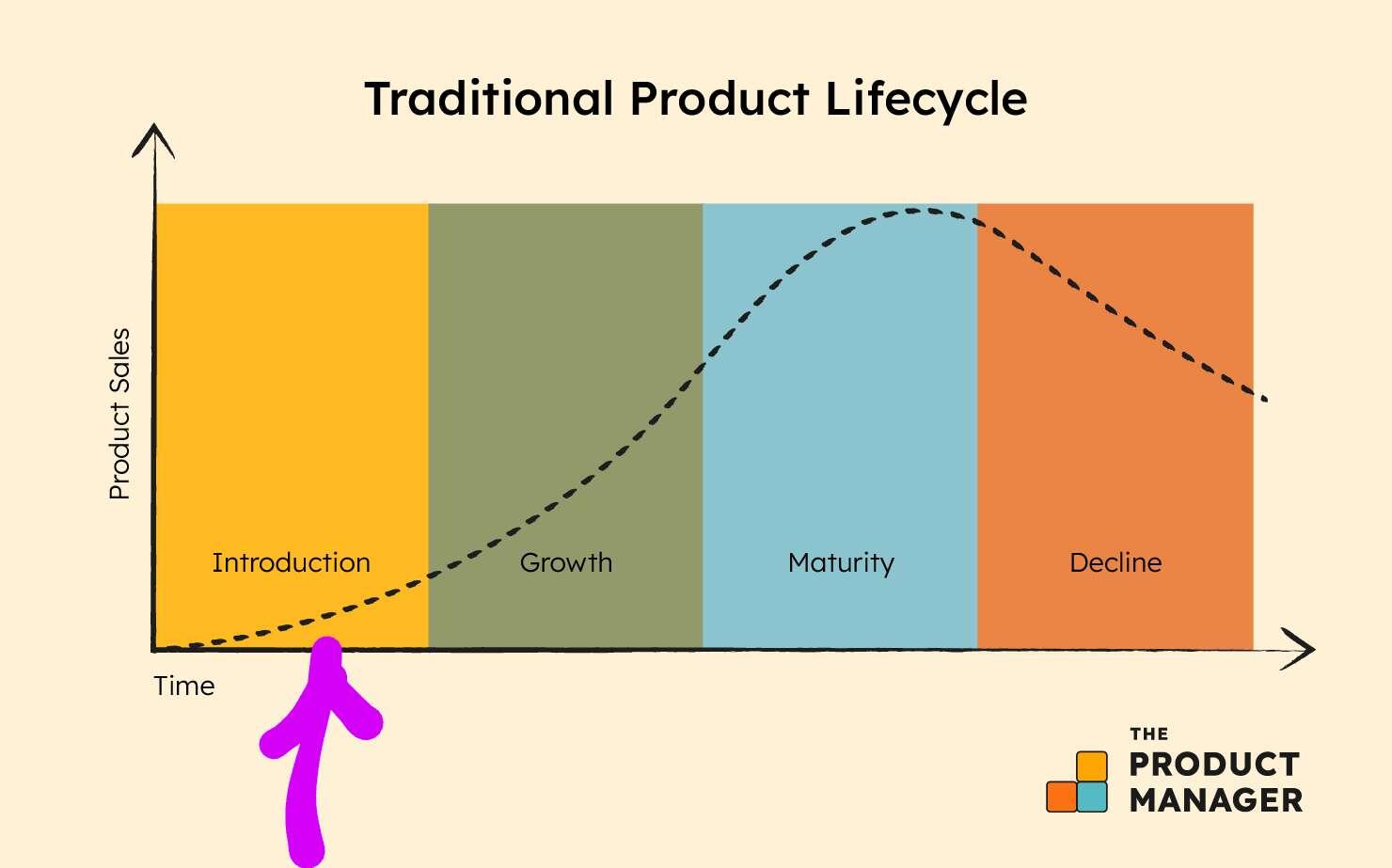
So in the Decline phase then? Got it…
Did no one tell him, it is rude to wear a hat indoors?
Elderly gentleman fails geography test

Who cares what Musky says. Ignore him. Crank.