
cannot connect to my node? only to electrum server? or should I not connect to my node for some reason?
App Settings, "Enable testnet". I presume that is testnet3? Should be testnet4?
weird, primal.net/home note reply button doesn't work on my chrome Version 132.0.6834.94 (Official Build) (64-bit)
Just nothing happens.

love it; liquid, lightning, but sadly no taproot 😟

been meaning to ask, I use a tiny bit of butter when my hands are dry. any thoughts of creating a lotion?

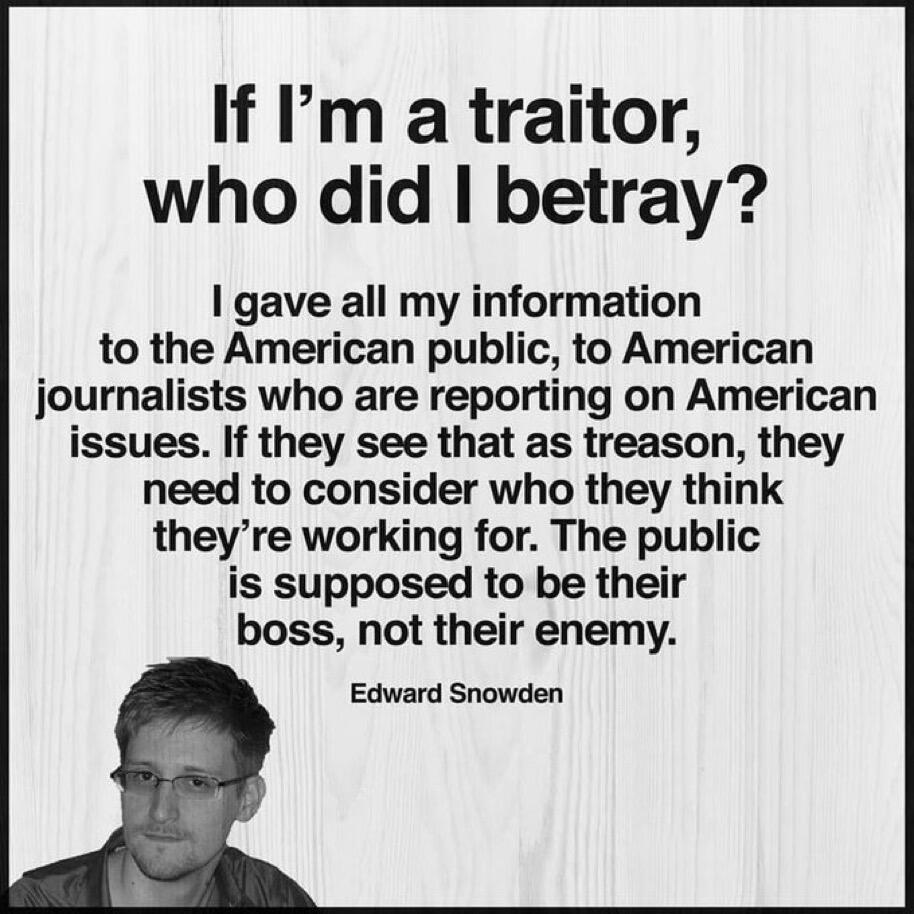
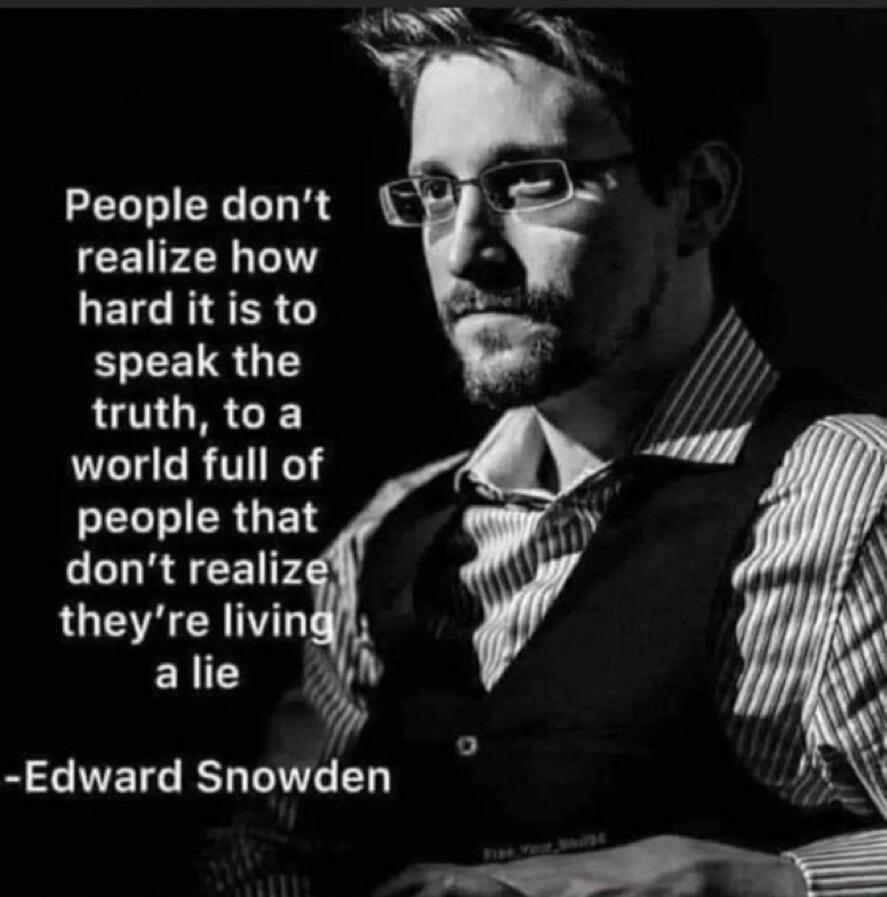
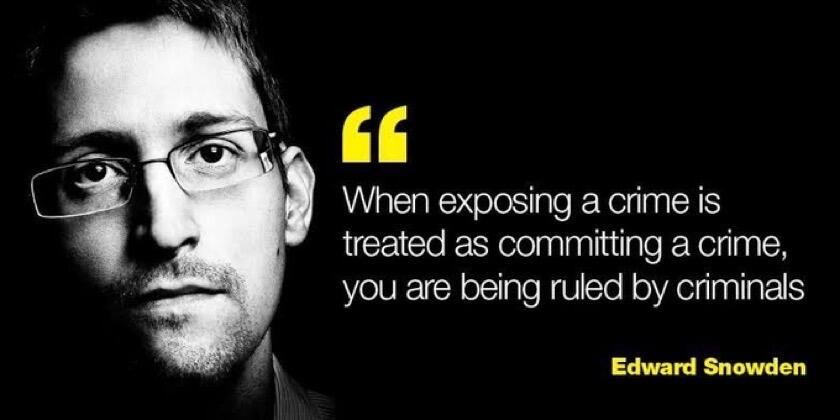
no hitmen, no child porn, no bad drugs

fascinating!
tried ghee?
fermenteds? kefir? buttermilk? kumis?
maybe not getting the energy out of what you are eating. acid? bugs? bile?
hypnosis? :)


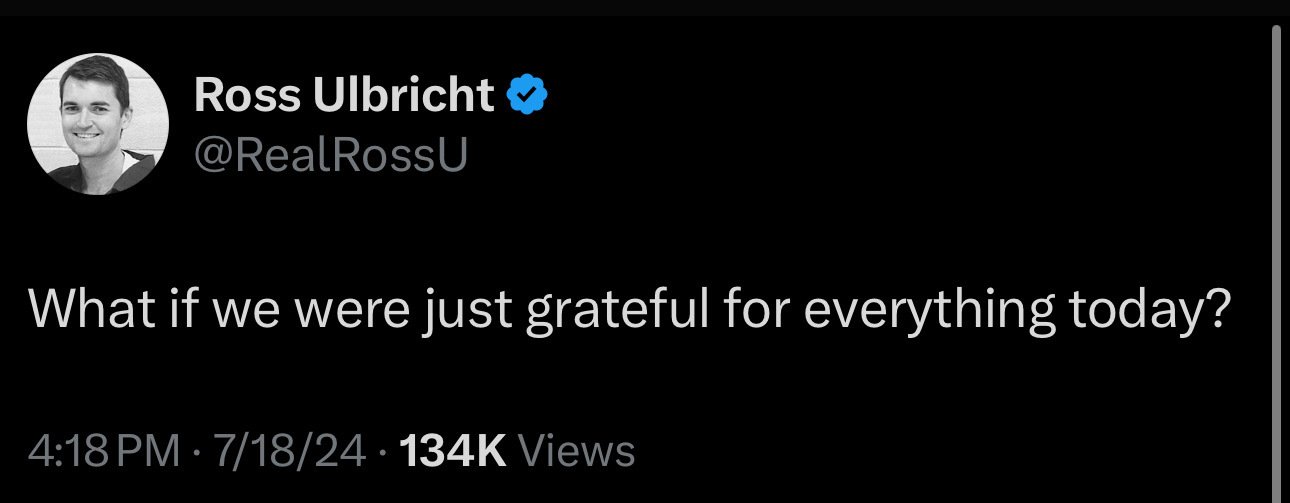
from perplexity, with receipts
how many law enforcement personnel were convicted of felonies in the Bulger and Ulbricht matters?
In the Whitey Bulger case, former FBI agent John Connolly was convicted of second-degree murder in Florida for aiding Bulger and sentenced to 40 years[4][8]. In the Ross Ulbricht case, two federal agents, Carl Mark Force IV and Shaun Bridges, were convicted of corruption-related felonies, including extortion and money laundering, for exploiting their roles in the Silk Road investigation[7].
Citations:
[1] Trump pardons Silk Road creator Ross Ulbricht https://www.bbc.com/news/articles/cz7e0jve875o
[2] Whitey Bulger verdict: Mob boss is convicted of 11 killings ... https://www.csmonitor.com/USA/Justice/2013/0812/Whitey-Bulger-verdict-Mob-boss-is-convicted-of-11-killings-racketeering
[3] Ross Ulbricht - Wikipedia https://en.wikipedia.org/wiki/Ross_Ulbricht
[4] Ten years ago this month, Whitey Bulger was found guilty on 31 ... https://themobmuseum.org/blog/ten-years-ago-this-month-whitey-bulger-was-found-guilty-on-31-counts-including-11-murders/
[5] United States v. Bulger, No. 13-2447 (1st Cir. 2016) - Justia Law https://law.justia.com/cases/federal/appellate-courts/ca1/13-2447/13-2447-2016-03-04.html
[6] Ross Ulbricht, aka Dread Pirate Roberts, sentenced to life in federal ... https://www.ice.gov/news/releases/ross-ulbricht-aka-dread-pirate-roberts-sentenced-life-federal-prison-creating
[7] Could the Crimes of Two Corrupt Agents Free Ross Ulbricht? - Forbes https://www.forbes.com/sites/sarahjeong/2015/04/17/could-the-crimes-of-two-corrupt-agents-free-ross-ulbricht/
[8] The rise and fall of James 'Whitey' Bulger - Police1 https://www.police1.com/legal/articles/the-rise-and-fall-of-james-whitey-bulger-NuSe4MFMc2cqUByu/
[9] Silk Road Creator Ross Ulbricht Sentenced to Life in Prison - WIRED https://www.wired.com/2015/05/silk-road-creator-ross-ulbricht-sentenced-life-prison/
[10] United States v. Ulbricht, 858 F.3d 71 | Casetext Search + Citator https://casetext.com/case/united-states-v-ulbricht-10
oh yeah, and the drug war was pure racist politics, almost forgot
what percentage of those drugs are now, or soon will be, legal around much of the world
(adding to the well known topic of, he made the drug purchasing and use safer; maybe wasn't his goal, but still)

From MARA holdings, a U.S. public bitcoin miner
“The U.S. needs to grow its share of the global hashrate so we can censor others and they can’t censor us” basically 🙃
Cc nostr:npub1mznweuxrjm423au6gjtlaxmhmjthvv69ru72t335ugyxtygkv3as8q6mak nostr:npub12lzwey2hjc2ce0stwa3ldhg04h93wj263lvdhrf87qfzz9jsggeqwuntw2 maybe yall can discuss on nostr:npub1fpcd25q2zg09rp65fglxuhp0acws5qlphpg88un7mdcskygdvgyqfv4sld 😉

from perplexity
The scenario you describe—where BRICS nations (Brazil, Russia, India, China, South Africa) mine Bitcoin blocks that only include transactions from "friendly" countries while intentionally excluding transactions from the U.S. or other "unfriendly" nations—raises important questions about Bitcoin's decentralization, neutrality, and resilience in the face of geopolitical pressures. Let’s break down the implications:
---
## **1. How Selective Mining Would Work**
BRICS miners could implement custom rules in their mining software to exclude transactions originating from certain countries or regions. This could be done by:
- **Analyzing IP addresses** associated with transaction broadcasts (though this is not always reliable due to VPNs and Tor).
- **Examining metadata** or patterns in transactions that suggest their origin.
- Using tools like blockchain analytics to identify addresses linked to specific jurisdictions.
By doing so, BRICS miners would effectively create a policy of censorship within the Bitcoin network.
---
## **2. Potential Effects on Bitcoin Transactions**
### **a. Delayed Confirmation for Excluded Transactions**
If BRICS miners control a significant portion of the global hash rate (e.g., 30–50% or more), they could refuse to include U.S.-related transactions in the blocks they mine. This would:
- Increase the time it takes for U.S. transactions to be confirmed.
- Force these transactions to rely on non-BRICS miners, potentially creating a backlog.
- Drive up transaction fees for excluded users as they compete for limited block space.
### **b. Fragmentation of the Bitcoin Network**
This selective mining strategy could lead to a form of "soft partitioning" in the Bitcoin network:
- Transactions from BRICS-friendly countries would flow smoothly through BRICS-mined blocks.
- Transactions from excluded countries might be delayed or require higher fees to incentivize non-BRICS miners to process them.
While this wouldn’t create a full split in the blockchain (as all miners still follow the same consensus rules), it would introduce inefficiencies and inequities in transaction processing.
---
## **3. Impact on Bitcoin’s Neutrality**
Bitcoin is designed to be a neutral, borderless system where anyone can participate regardless of nationality or political affiliation. Selective mining based on geopolitical considerations would undermine this principle by:
- Politicizing Bitcoin mining.
- Turning Bitcoin into a tool of economic warfare rather than a neutral financial network.
- Eroding trust in Bitcoin's ability to serve as an impartial global currency.
This could harm Bitcoin’s reputation and adoption in regions affected by such censorship.
---
## **4. Countermeasures by Excluded Countries**
Countries like the U.S. and its allies wouldn’t passively accept such restrictions. They could respond in several ways:
### **a. Increasing Their Own Mining Capacity**
The U.S. and allied countries could invest heavily in domestic mining operations to counterbalance BRICS influence over the network’s hash rate. This would decentralize mining further but could escalate a "hash rate arms race."
### **b. Encouraging Miners to Include All Transactions**
Non-BRICS miners might be incentivized (through higher fees or subsidies) to ensure that excluded transactions are still processed efficiently, mitigating the impact of BRICS censorship.
### **c. Promoting Privacy Tools**
Users in excluded countries might turn to privacy-enhancing tools like CoinJoin, mixers, or second-layer solutions (e.g., Lightning Network) to obfuscate transaction origins, making it harder for BRICS miners to identify and censor them.
---
## **5. Risks for BRICS Miners**
While selective mining might seem like a powerful geopolitical tool, it comes with risks for BRICS nations themselves:
### **a. Loss of Miner Revenue**
By excluding certain transactions, BRICS miners would miss out on transaction fees from those excluded users. This could make their mining operations less profitable compared to non-censoring competitors.
### **b. Incentivizing Mining Decentralization**
Such actions might push excluded countries and private entities to diversify mining operations geographically, reducing BRICS’ share of global hash power over time.
### **c. Potential Forks or Protocol Changes**
If selective mining becomes too disruptive, the Bitcoin community might consider technical changes (e.g., soft forks) that make censorship harder or less effective. For example:
- Implementing stronger privacy features at the protocol level.
- Adjusting incentives so that censored transactions are still included indirectly through mechanisms like "child-pays-for-parent" fee structures.
---
## **6. Broader Geopolitical Implications**
This scenario reflects how cryptocurrencies are increasingly intersecting with geopolitics:
- **Weaponization of Blockchain Technology:** Selective mining would represent an attempt to use decentralized technology as a tool for economic sanctions or influence.
- **Erosion of Trust:** If major powers use Bitcoin as a battleground for geopolitical conflicts, it could deter adoption by neutral parties who fear becoming collateral damage.
- **Regulatory Backlash:** Excluded countries might impose strict regulations on Bitcoin mining and usage within their borders, potentially fragmenting global adoption further.
---
## **7. Why Bitcoin Might Be Resilient**
Despite these challenges, Bitcoin’s decentralized nature makes it difficult for any single group (even one as large as BRICS) to dominate completely:
- The global distribution of hash power ensures that no single entity can unilaterally control the network.
- The incentives built into Bitcoin’s design encourage miners to act in their own economic self-interest—meaning that excluding profitable transactions may not be sustainable long-term.
- Users have tools like privacy enhancements and second-layer solutions (e.g., Lightning Network) that can reduce their vulnerability to censorship.
---
## **Conclusion**
If BRICS nations attempted selective mining based on geopolitical alliances, it could disrupt Bitcoin’s neutrality and efficiency in the short term but is unlikely to succeed long-term without significant control over global hash power. Such actions would likely provoke countermeasures from excluded nations and lead to innovations aimed at preserving Bitcoin’s censorship resistance.
Bitcoin’s strength lies in its decentralized and permissionless nature—while selective mining poses risks, it also highlights the importance of maintaining a diverse and distributed network of participants globally.
Department of Regulation Killing

I think I'm gonna learn a lot from the new guy

these people need to see their dox

City through Brita