Hi nostr:npub1g9ym6t98cz9tvvsac865zak83txjjhd2yqcdegzwsqg2mxfww9xs8fy05t
Thank you so much for your response!
I DM you the link to the content!
I truly appreciate you taking the time to look at it.
#bitcoin
#nostr
#book


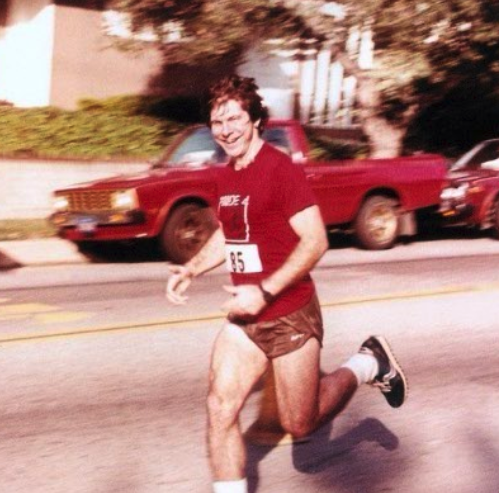
He used to run marathons when he was diagnosed. Terminal illness. He only had 5 years left.
An athlete and developer, he lost all motor functions but never stopped coding.
The project he dedicated the end of his life to changed the world.
This is the extraordinary story of Harold Finney👇
In this note, you'll learn how a life-loving nerd:
• built a machine to type using only eye movements;
• mined a fortune in #Bitcoin; and
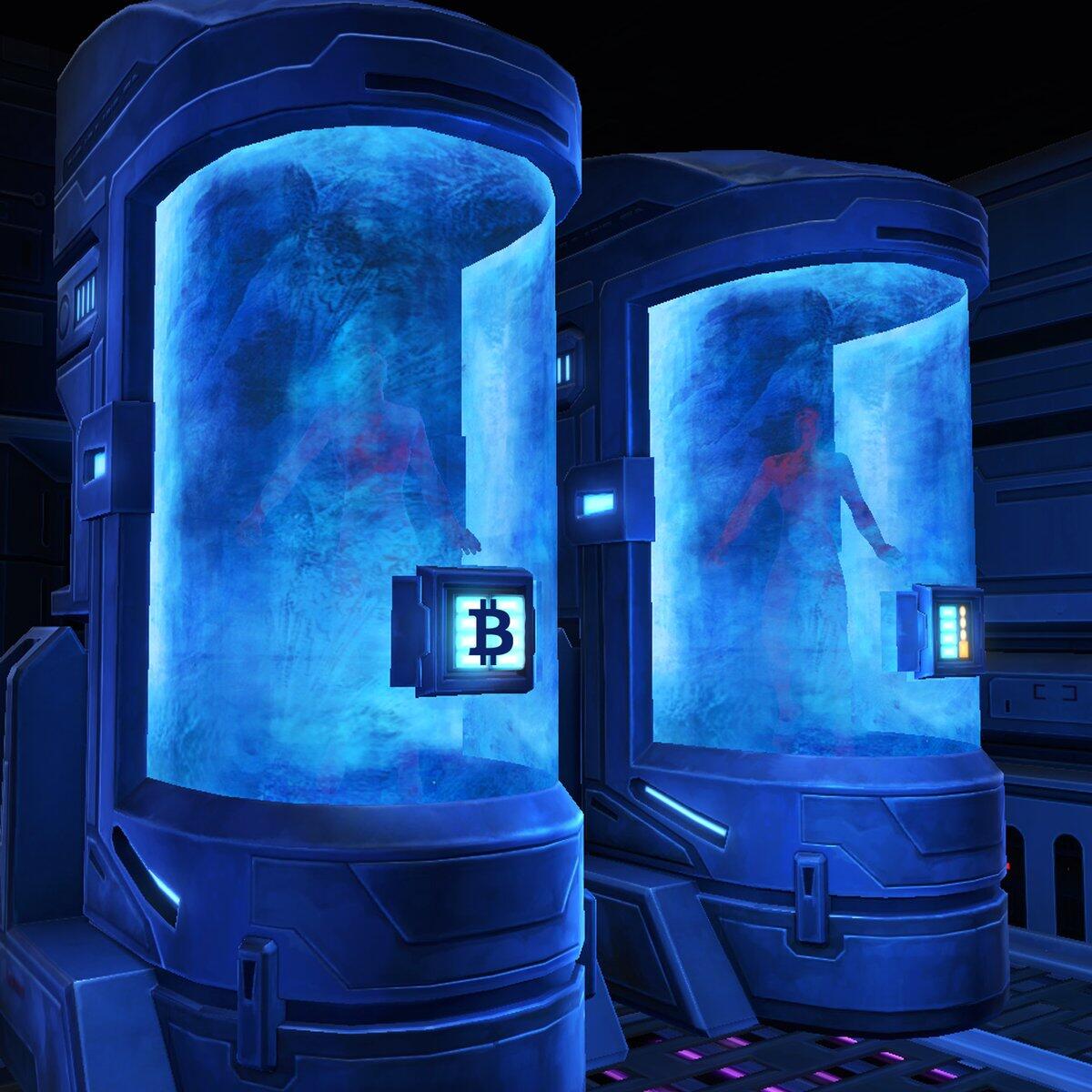
• froze himself in a liquid nitrogen tank in hopes of seeing the future.
But first, we need to start from the beginning…
Harold (Hal) Thomas Finney was a polymath. He started his career developing games.
Later, he joined the PGP Corporation—one of the first companies to commercialize cryptography—working alongside the legendary Phil Zimmermann.
He was an active member of the Cypherpunks mailing list, exchanging ideas with pioneers like Wei Dai and Nick Szabo.
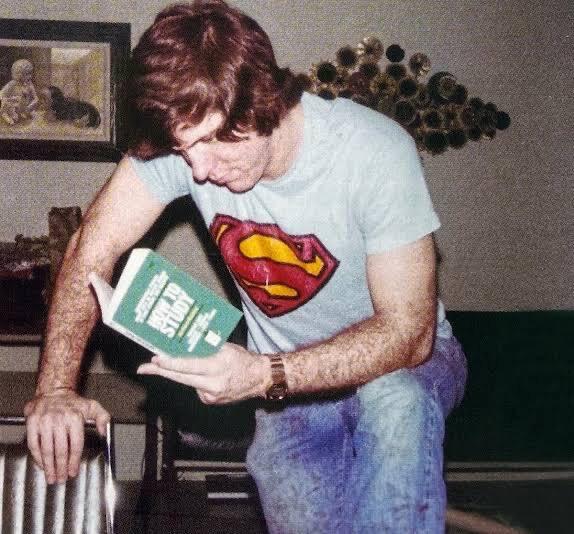
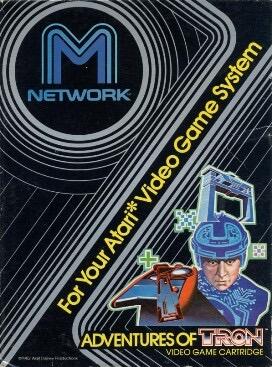

Hal operated servers that routed anonymous messages.
On the early internet, he debated ways to defund the U.S. government’s “ponzi” schemes.
He also launched prototypes for new forms of electronic money, such as RPoW (Reusable Proof of Work).
👑 But his most iconic achievement happened on January 12, 2009 👇

Hal Finney had been following a new idea circulating on the cypherpunk mailing list: #Bitcoin.
On January 11, 2009, a Sunday, someone named Satoshi posted Bitcoin’s source code on the list.
Hal was the FIRST to reply! In a moment of wild imagination, he suggested that 1 BTC could one day be worth $10 million.
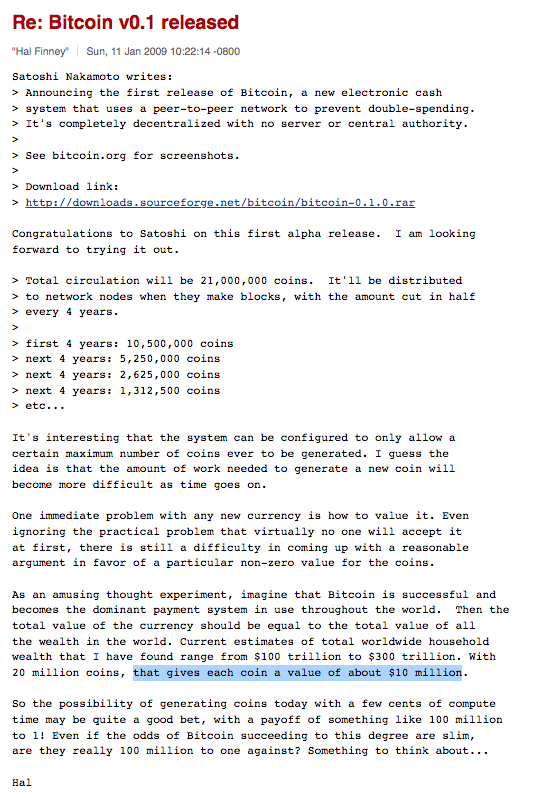
Hal even exchanged emails with Satoshi and helped fix bugs in Bitcoin's code.
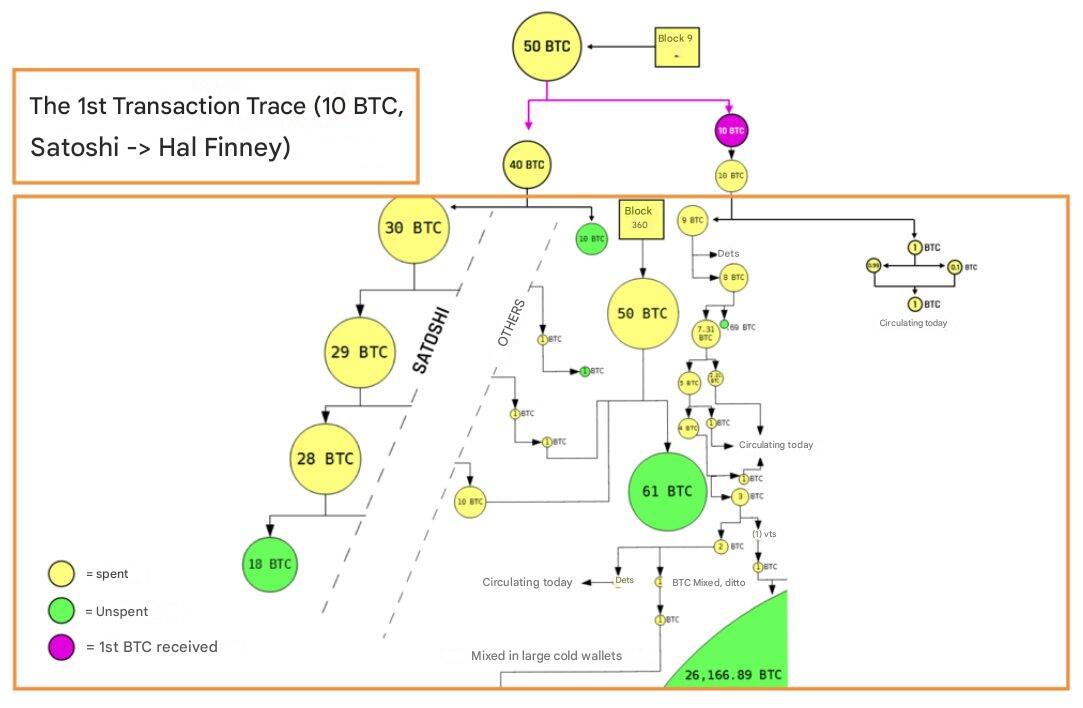
On January 12 in Greenwich (January 11 at 7:24 PM in California), Hal received 10 #BTC in a "test" transaction initiated by the creator himself.
This was—and will forever remain—the first transaction in the history of #Bitcoin.
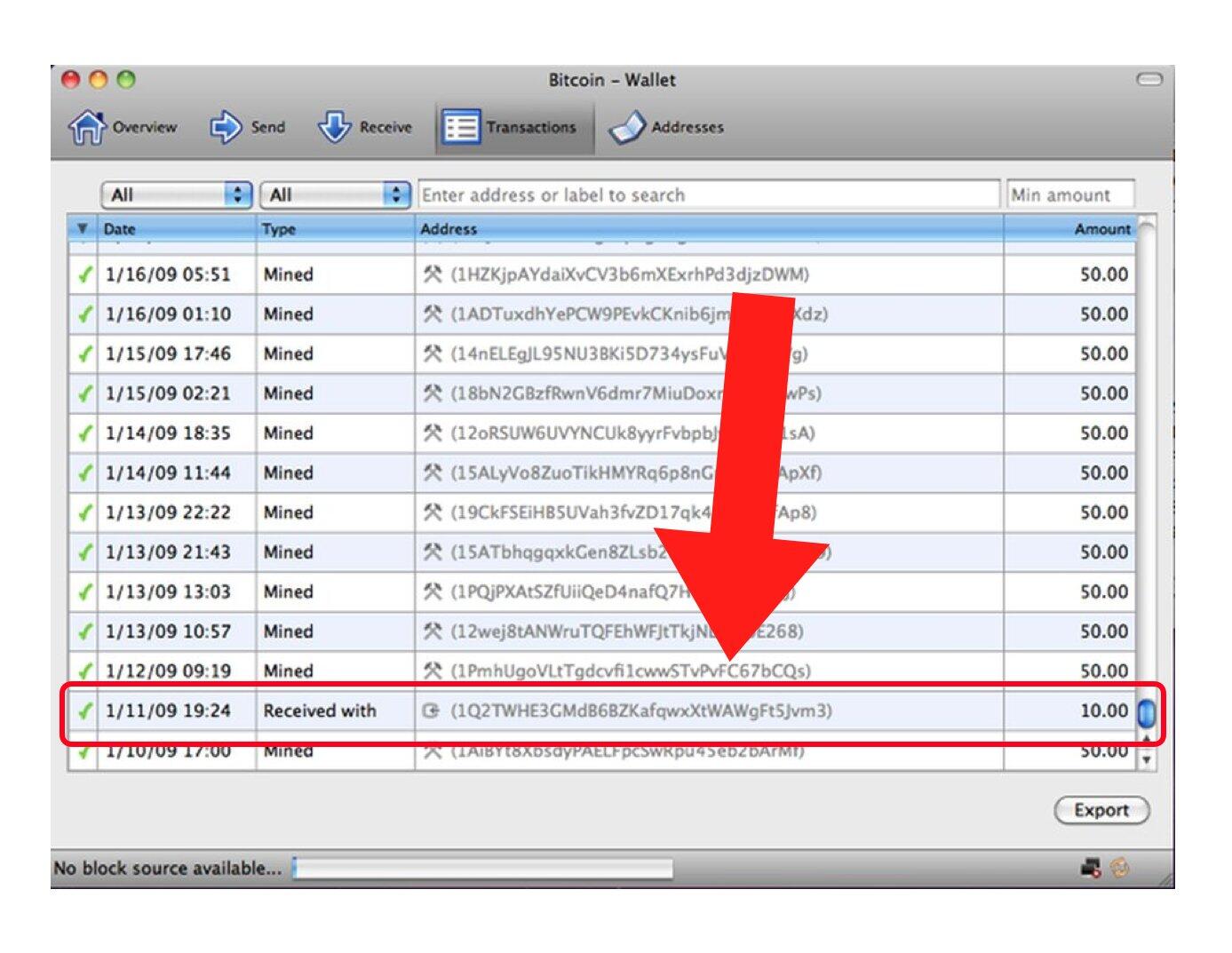
Fun fact 👇
Those 10 #BTC, today, are worth more than $1 million.
Each "50.00" #BTC block mined represents ~$5M 🤑.
Hal mined over $12 MILLION in just one week, between January 10 and 16, 2009 🤯
(calculated at today's value of $100,000 per BTC).
During those days, Hal's son, Jason, could hear the processors roaring at full speed in the attic 🔥
He recalled his dad's excitement in an interview:
"He told us he was helping someone build a prototype for virtual money. It didn’t sound real. More like an experiment."
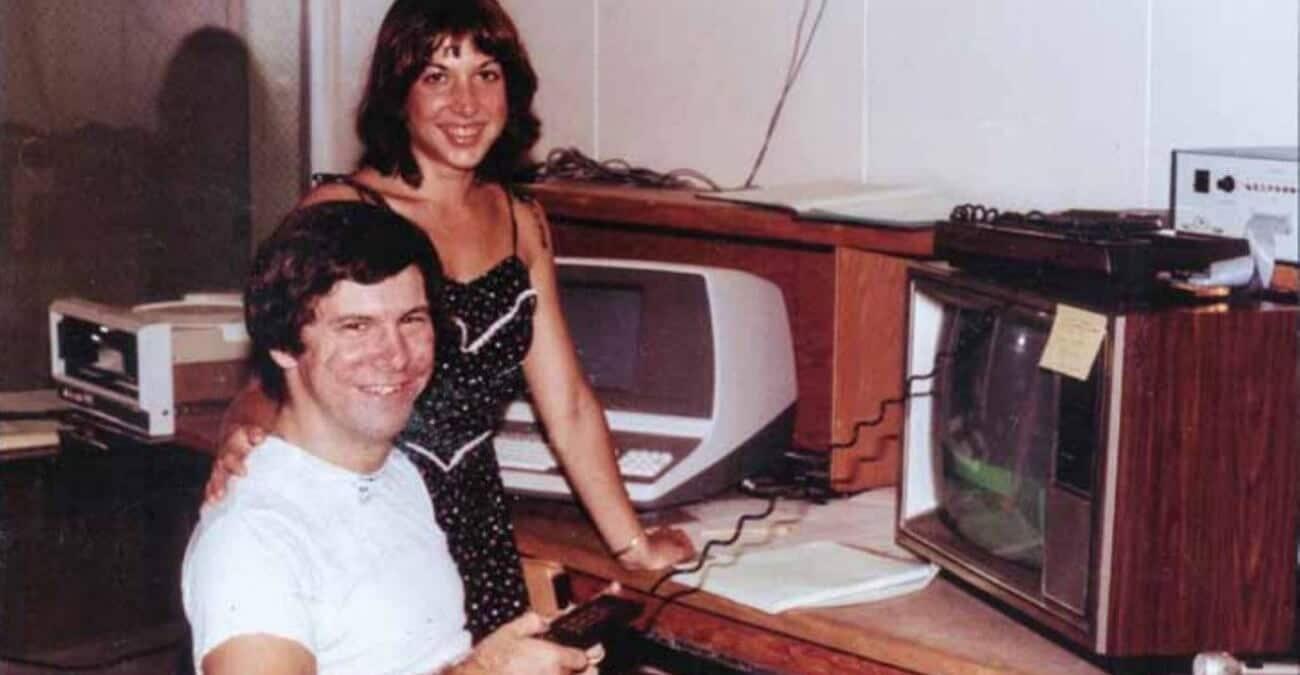
Hal wrote about this period 👇
"I stopped because it made my computer overheat, and the fan noise annoyed me."
He helped bring the project to life but wouldn’t return to it until 2010.
Eight months after the genesis of #Bitcoin, Hal received news that changed everything... ☹️
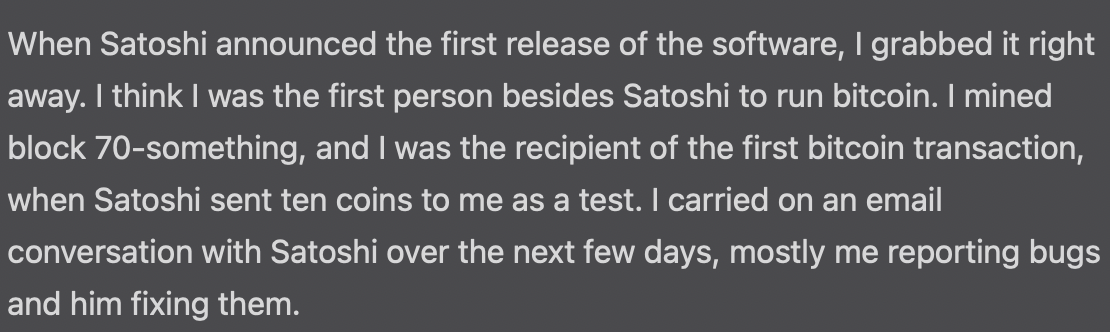
It was August 2009. Hal Finney was diagnosed with ALS.
The longest-living patient with the syndrome was Stephen Hawking, who survived for 55 years.
Most don't make it past 5.
In October, Hal shared his diagnosis online in a post titled "Dying Outside." His unshakable sense of humor stood out 👇
"I am lucky to have good support, caring family, and access to excellent medical care. Still, I find myself sometimes walking in circles, obsessing over what I could have done differently. But hey, life goes on—except for me, apparently!"
Even as his body failed, Hal's mind remained as sharp as ever.
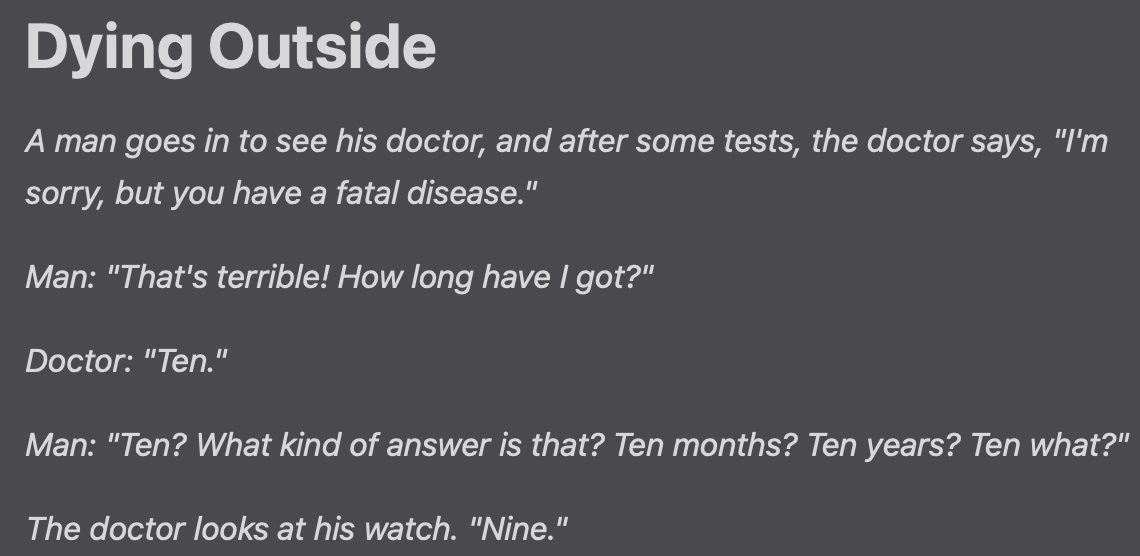
In this text, Hal confesses:https://lesswrong.com/posts/bshZiaLefDejvPKuS/dying-outside
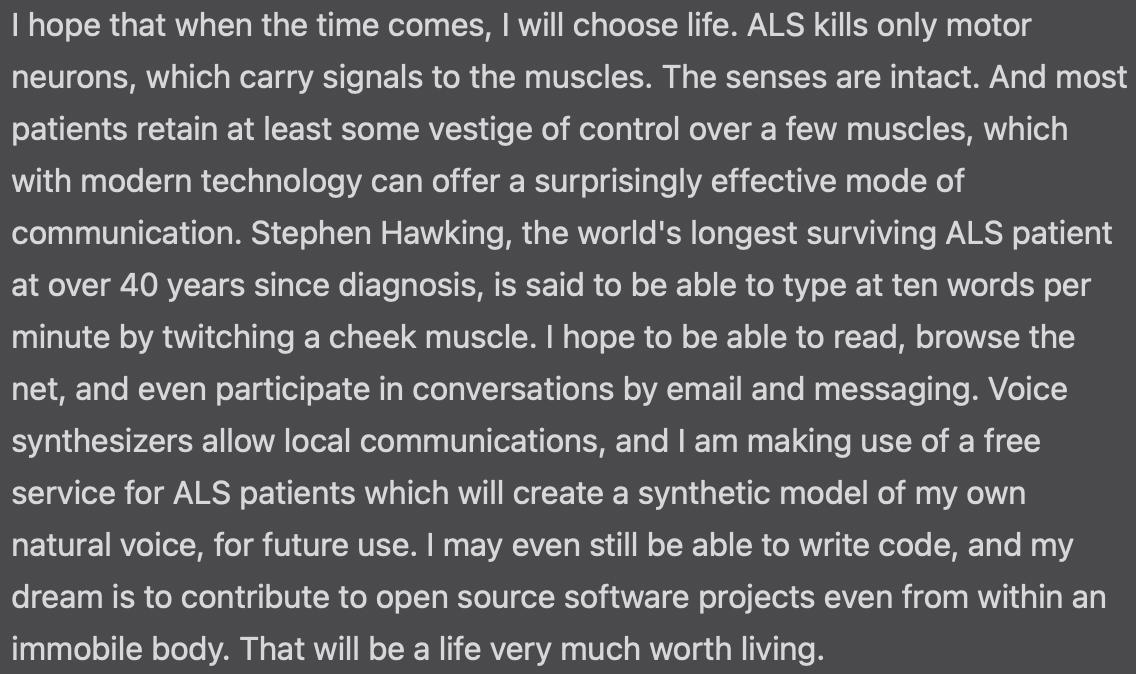
"My dream is to contribute to open-source projects even from within a motionless body. This is a life worth living."
With the help of his wife, Hal did what was needed in the following years to achieve this mission ✊
Even as ALS ravaged his body, Hal never stopped working, continuing to contribute to projects like Bitcoin and other open-source endeavors. His dedication to his work and the legacy he built serves as an inspiration for many, showcasing how perseverance and passion can defy the most difficult of circumstances.
First, Hal lost strength in his legs.
Then, in his upper limbs.
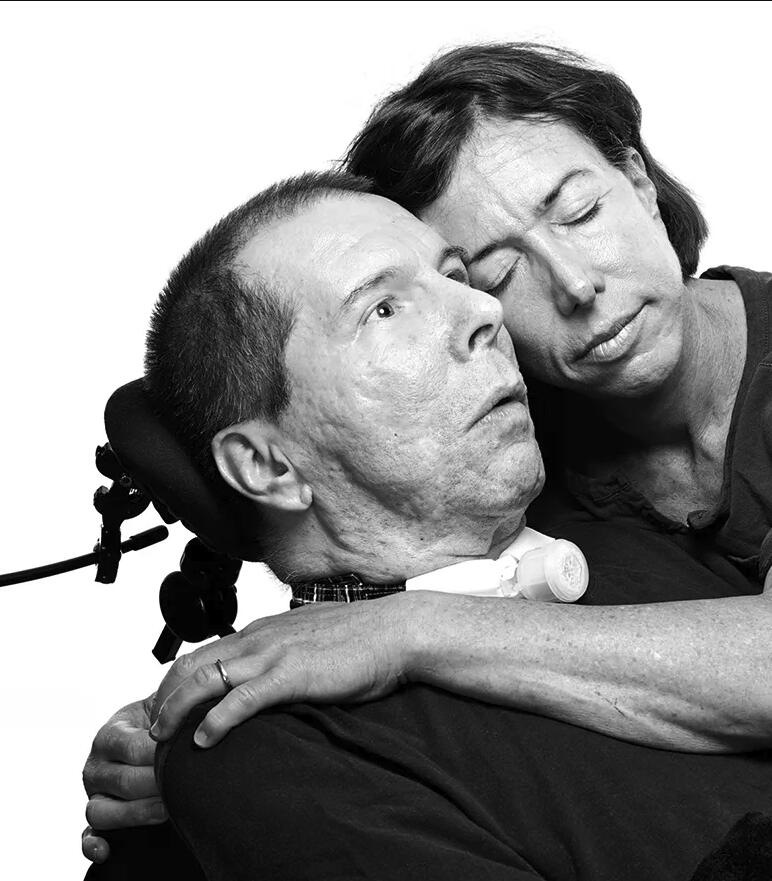
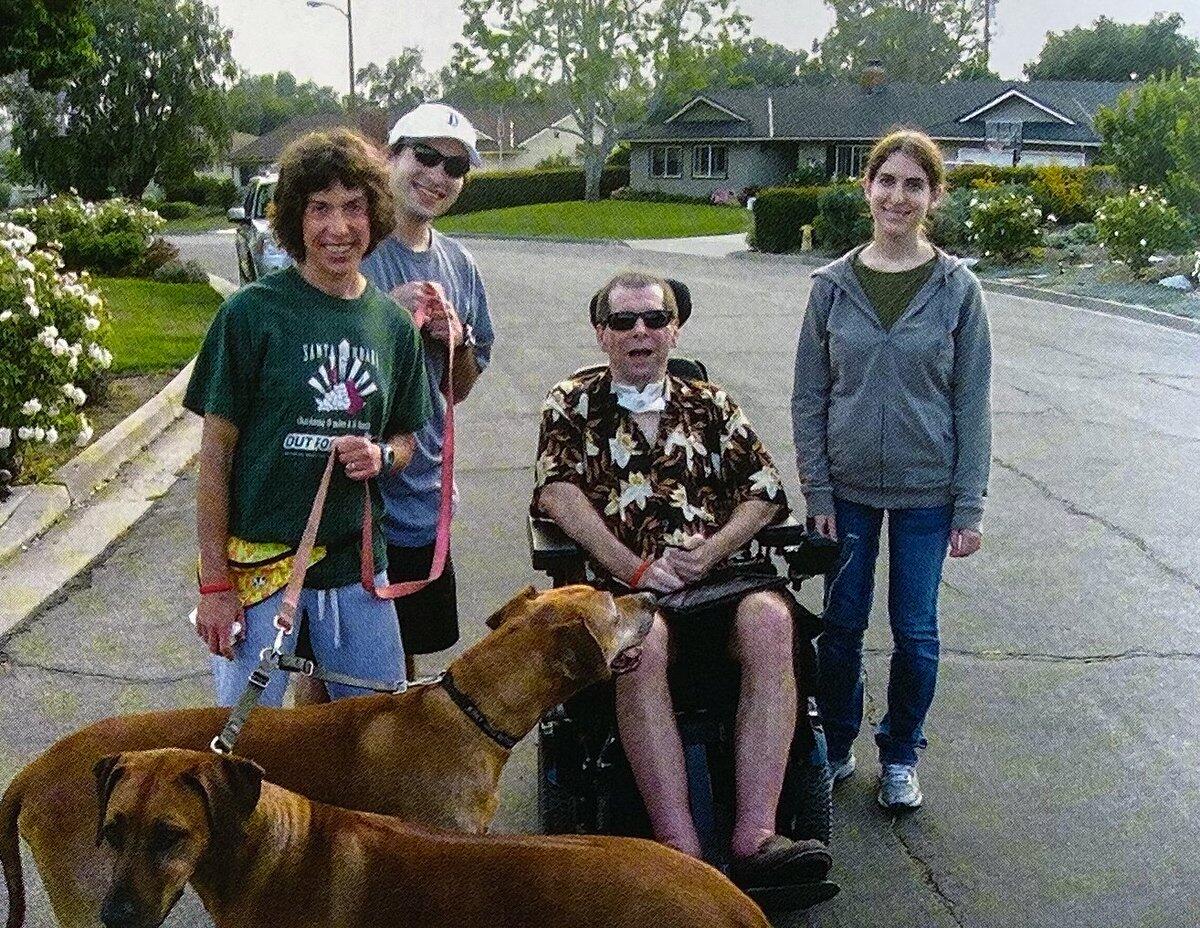
As his hands weakened, he built a device to continue typing with the movements of his eyes (the "black antennas" in the last photo).
He was never seen complaining.
He had a superpower 👇
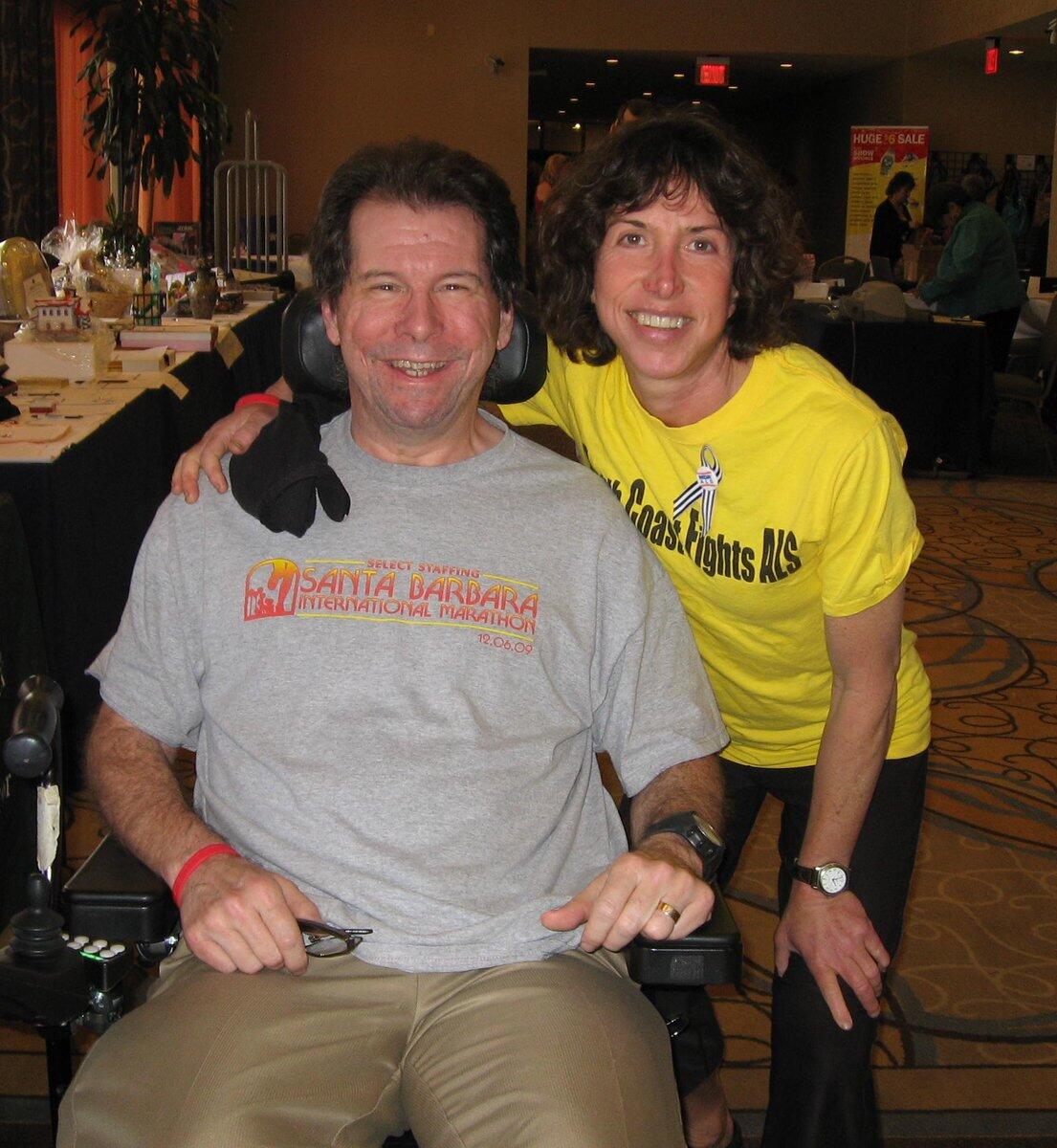
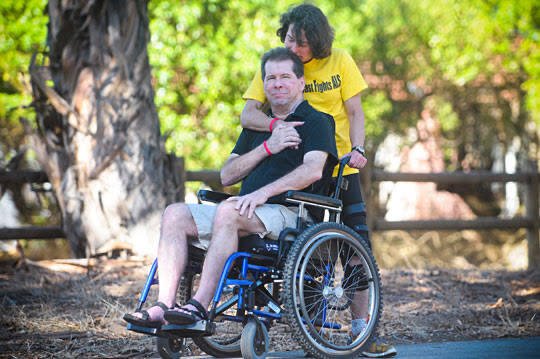
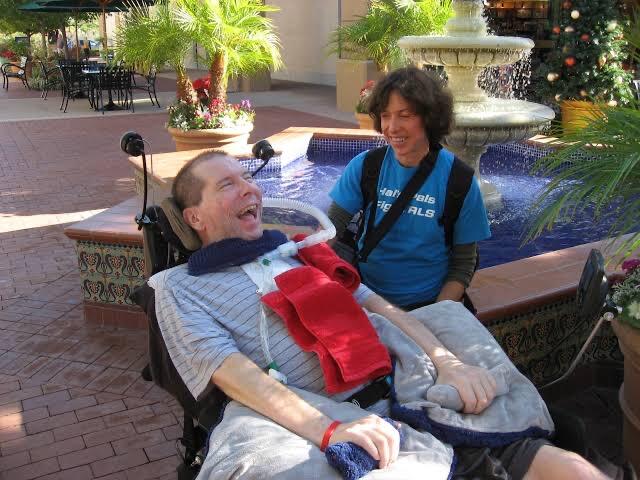
An immeasurable passion for life 🦸
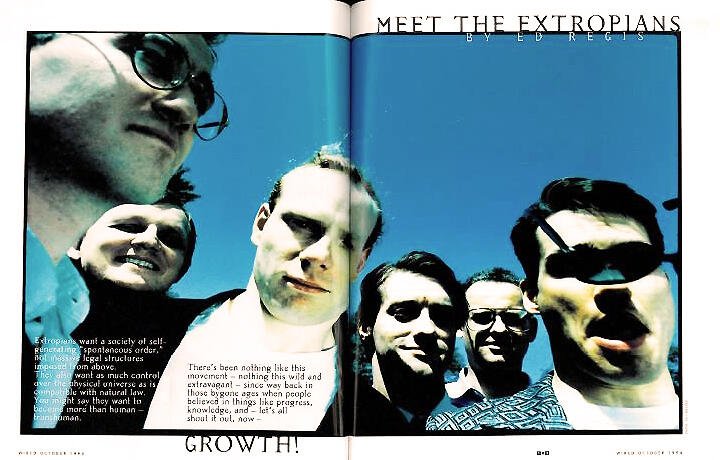
Hal was a Transhumanist and corresponded with Extropians—a group of technologists fascinated by extending life.
He even convinced his wife to become a client of ALCOR—one of the few companies that... you won't believe what they do 😅
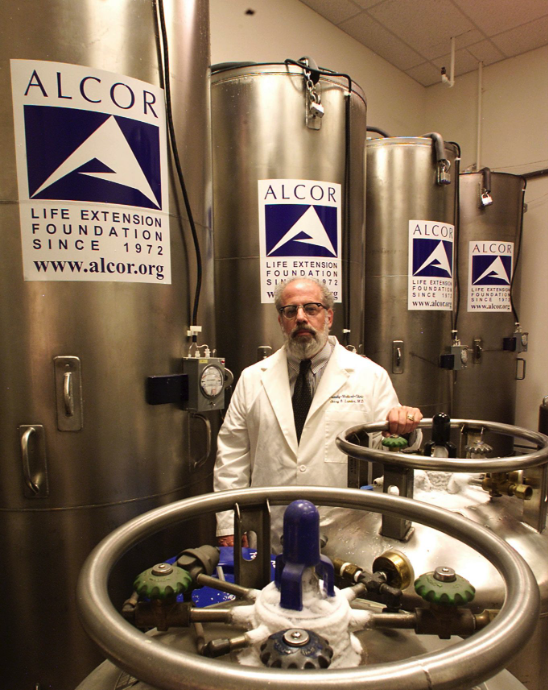
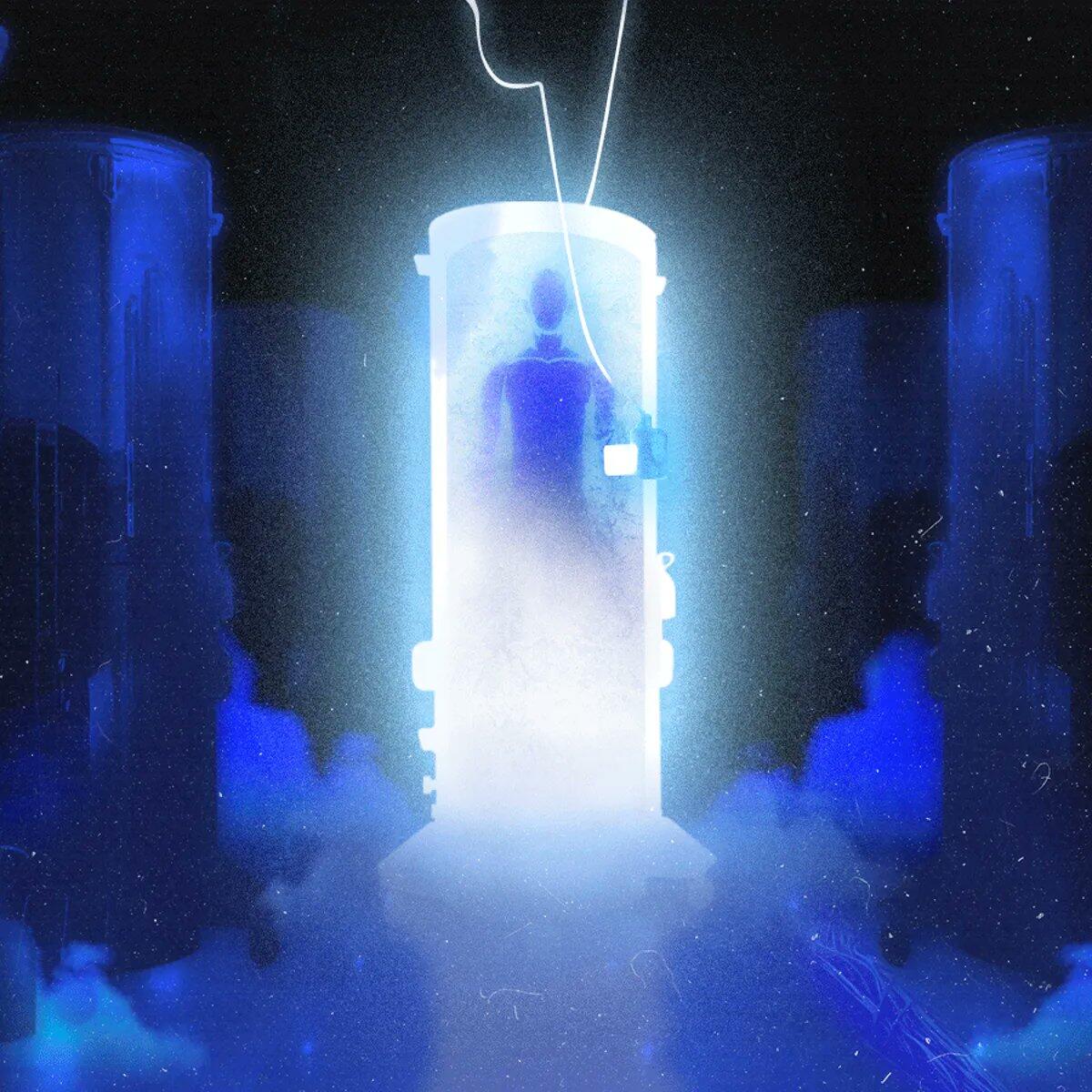
Alcor freezes ("cryopreserves") the bodies and heads of people who want to give science a chance to evolve to the point of bringing them back.
In addition to Hal Finney, other Extropians embraced the idea. Peter Thiel is one of their clients. Paris Hilton too.
https://video.nostr.build/46b32fa82e97e584bb1a879db1f761f063848dd6651ef8a69e0ffd872d848ff8.mp4
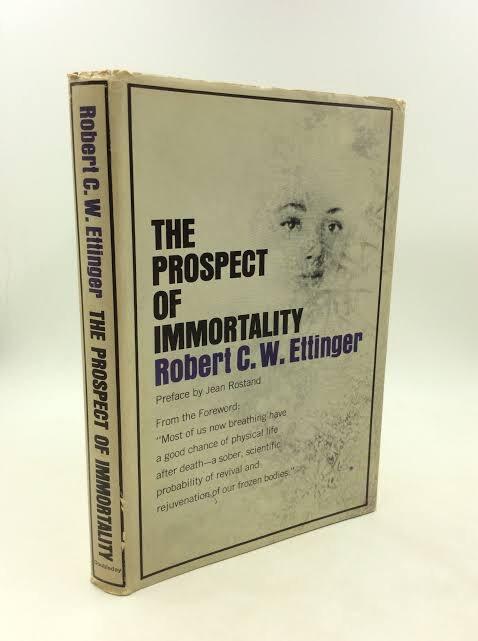
"The prospect of immortality" inspired Hal.
🔭 Extropians envisioned a future where consciousness could be downloaded into machines. Where the body would be transcended. Where life could span generations.
Their affinity with Bitcoiners is OBVIOUS. Ask yourself the following question 👇
"If you were to travel 100 YEARS into the FUTURE, HOW would you carry VALUE with you?"
Dollars? Gold? 🤔
(Spoiler: #Bitcoin)
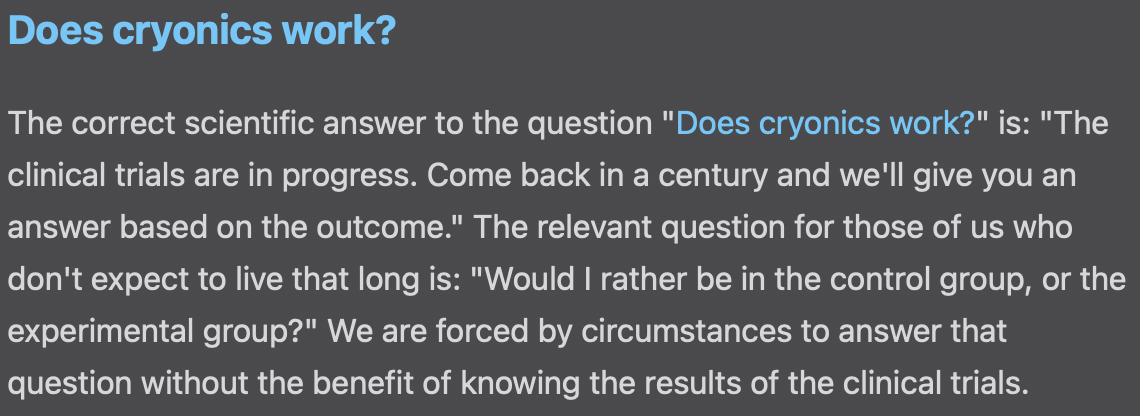
Ralph Merkle, another renowned cryptographer, once said about cryonics:
"It's not about whether it 'works' or not. It's an experiment. Do you want to participate or stay in the control group?"
In 2011 and 2012, Hal's disease progressed.
But the prospect of cryonics gave him hope. Just as the work he was doing on Bitcoin wallet security did.
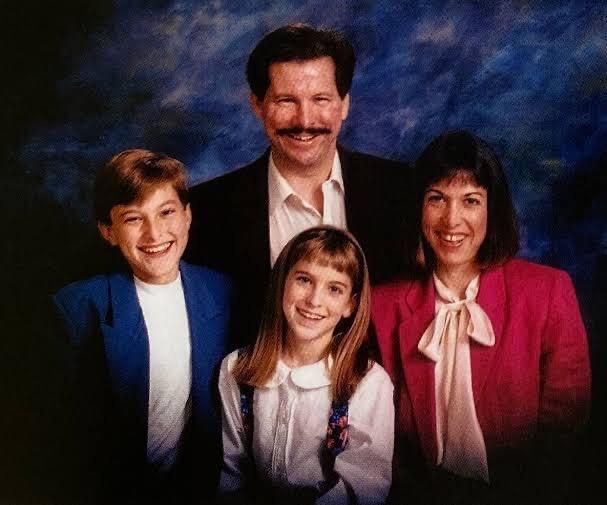
Fran Finney recalls:
"Hal longed to experience tomorrow. He embraced every new thing."

On his last ski trip, Hal reflected on the mental strength that remained:
“It’s good that, you know, I can say goodbye mentally as it happens. It makes it a little easier.”
He had agreed with Fran that when he could no longer communicate with his family, it would be time to go.
On August 26, 2014, the day arrived.
Hal’s vital functions were ceased, and the cryonic procedure was initiated.
He became the 128th patient of Alcor.
Today, his body floats in a tank at -150°C, in the middle of Arizona.
His memories, informationally, remain intact.
The Extropians have long asked: "When does a person actually die?"
When breathing stops? (No - it can be resumed!)
When the heart stops? (No - it can be revived!)
When brain electrical activity ceases?
They have a concept that ANSWERS this👇
https://video.nostr.build/3239e5ab29d40a124c22eccd545d00996ced94ff41d2c466ea5b905f8dfc94cb.mp4
R. Merkle argues that the definition of death has always EVOLVED alongside medical technology.
A person declared dead in 1930, if given the medicine of 2023, might have survived.
http://ralphmerkle.com/definitions/infodeath.html
This idea underpins the decision of many cryonicists to "freeze themselves."
The "theoretical informational death" only happens when the structures that encode memory and personality are broken to the point of becoming irrecoverable.
By this criterion, Hal remains alive.
And in the #BTC blockchain, too. Many addresses still carry traces of his transactions to this day 🤯.
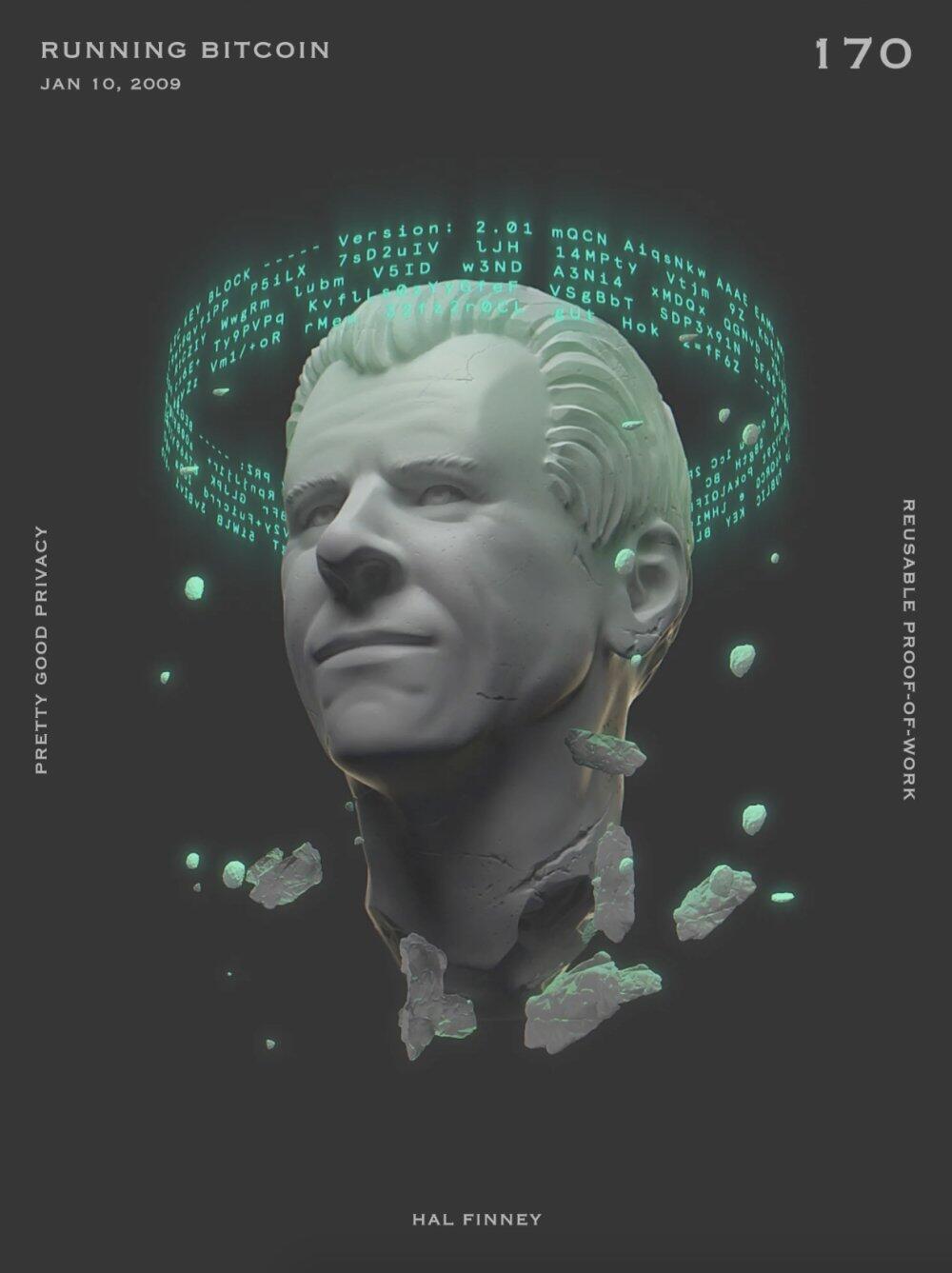
Before he passed, Hal wrote a farewell letter and posted it on a Bitcoin forum he had been a part of since the beginning.
The letter is called "Bitcoin and Me" 🥹
"My kids understand technology. I'm comfortable with my legacy." 🙏
https://bitcointalk.org/index.php?topic=155054.0
Hal was a prodigy of cryptography.
The first disciple of Satoshi.
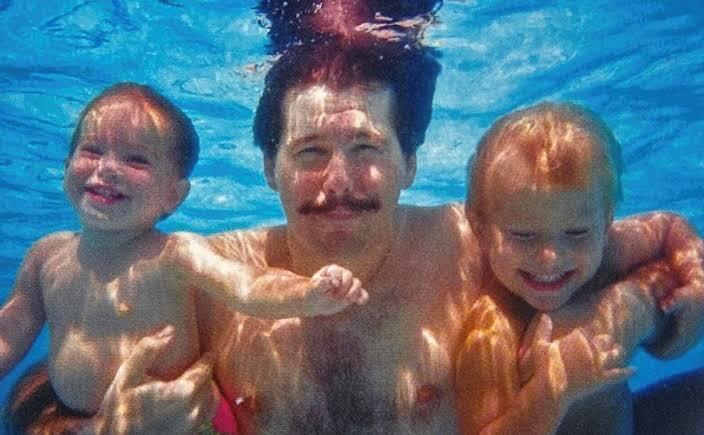
A father, gamer, inventor.
And he taught us that even though life is short, time can be so full of life that it feels infinite.
🙏
We hope to be here to witness his return. Who wouldn't want to hear the stories!?
His goodbye text is inspiring:


Americans' trust in the media is at its lowest point since 1972.
Long live #nostr

Descobriram o maior número primo conhecido pela humanidade. E o que isso muda na minha vida, além de saber que foi através de um programa de computação distribuída?
Antes, alguns fatos sobre a descoberta:
- Foi descoberto no dia 11 de outubro, confirmado em 12/10 e, após mais verificações, anunciado em 21/10;
- O número é 2^136279841 -1 e possui 41.024.320 dígitos;
- Quão grande é? Bom... Esta imagem do post contém exatamente os primeiros 4000 dígitos dele. Se você ver uma imagem dessas a cada 1 segundo, demorará 2 horas e 51 minutos para ver todos os dígitos;
- O maior número primo até então havia sido descoberto em 2018 e tinha 24.862.048 dígitos;
- A descoberta foi feita pelo programa Great Internet Mersenne Prime Search (GIMPS), um projeto de computação distribuída no qual qualquer pessoa pode contribuir;
- Até 1951, todos os números primos haviam sido descobertos à mão. Nesse mesmo ano, um novo número primo foi encontrado por um computador, e desde então, todos os números primos foram descobertos por supercomputadores até 1996, ano em que o GIMPS começou. A partir daí, números primos passaram a ser descobertos por computadores comuns conectados à rede do projeto;
- Este número foi descoberto por Luke Durant, utilizando um supercomputador na nuvem. Ele trabalhou na NVIDIA e combinou GPUs em 24 datacenters de 15 países para formar esse supercomputador;
- A GPU que fez a descoberta está em um datacenter em Dublin, e a GPU que fez a confirmação no dia seguinte está em San Antonio, Texas;
E, respondendo à pergunta:
Números primos são utilizados em criptografia.
Um exemplo é o algoritmo RSA, utilizado em sistemas bancários: ele cria uma chave pública para codificar dados (como a senha de um usuário ou uma transação) e uma chave privada para decodificar, que só o banco possui.
Para isso, é necessário escolher dois números primos e multiplicá-los para formar um número ainda maior. Para que invasores consigam descobrir esses primos originais, seria necessário fatorar esse número, que é uma tarefa extremamente complexa e demorada para números grandes.
Daí o interesse em se descobrir números primos maiores!

Este livro, lançado há um ano e meio, não está mais à venda, mas ainda é possível encontrar algumas cópias usadas sendo vendidas a preços elevados. O motivo?
Ele foi colocado sob revisão pelo Departamento de Defesa dos Estados Unidos, supostamente por conter informações sensíveis.
A tese defendida no livro é que o #Bitcoin pode se tornar uma arma geopolítica para projeção de poder.
Dado que impérios já caíram e guerras foram perdidas devido à desvalorização de moedas, um ativo de reserva descentralizado, que não pode ser inflacionado, pode assumir um papel estratégico.

What a delight it is to go through Grokking Bitcoin by nostr:npub1g9ym6t98cz9tvvsac865zak83txjjhd2yqcdegzwsqg2mxfww9xs8fy05t.
The best book I ever found to serve as the foundation for an excellent undergrad course. As a bonus, published as open source: https://github.com/kallerosenbaum/grokkingbitcoin
Why did I only find it after my classes have already started?
Both this book and Mastering Bitcoin by Andreas Antonopoulos have been foundational to my understanding and writings. I plan to publish my insights soon for free.


Network State (Balaji)


Fun fact of the day:
Exactly 15 years ago, the first exchange rate between Bitcoin and the dollar was published by the website 'New Liberty Standard.' But more interesting than the rate itself is how it was calculated!
The initial rate was set at 1,309.03 BTC per 1 USD, valuing each bitcoin at approximately $0.000764 USD.
That's right! With just 1 USD, you could buy over 1.3k BTCs.
Interestingly, the price of #BTC in fiat currency set by the New Liberty Standard wasn't determined by supply and demand, but by the cost of electricity and the site owner's personal BTC mining production.
In other words, just passing along the cost of electricity...


Thank you nostr:npub1h8nk2346qezka5cpm8jjh3yl5j88pf4ly2ptu7s6uu55wcfqy0wq36rpev for this incredible show! Truly an honour having me and making this possible! 🙏 🥹
Talking about the energy the Bitcoin and Nostr Ecosystem is offering us and so much more …
Now a available on nostr:npub1v5ufyh4lkeslgxxcclg8f0hzazhaw7rsrhvfquxzm2fk64c72hps45n0v5
#grownostr
#nostr
Listened yesterday during workout!
Light and pleasant conversation!
Hope to see you in Brazil SatsConf nostr:npub1hz5alqscpp8yjrvgsdp2n4ygkl8slvstrgvmjca7e45w6644ew7sewtysa
Hey Guy! Sent some Zaps but received the message that your wallet is not connected! Don’t know if is my client problem…
Guys,
I just finished writing a book about #Bitcoin. It will be free, without copyrights, to reach more people.
Since I don't want to spend money on illustrations, I'm drawing some figures and flowcharts myself to illustrate the book.
Like: if you can guess which chapter the drawing is from,
Comment: if you have any suggestions,
Repost: if you think it deserves visibility,
Zaps: only if you think the drawing is really bad! : )

“Bitcoin is down today but fiat has been down since 1971.” Anonymous

Mesmos desafios do Nostr.
Como early adopters temos que estar cientes de que ainda existe trabalho a ser feito!
Por enquanto, vale focar em ouvir os podcasts sobre Bitcoin.
Pra música ainda tá longe de poder competir com as centralizadas!