
and it's so reasonable. if you don't do this - like op suggests, everybody merges early, totally freeing up the right lane. then the space is either wasted or someone else passes by from the very end eventually.... new picture opportunity for op! :D

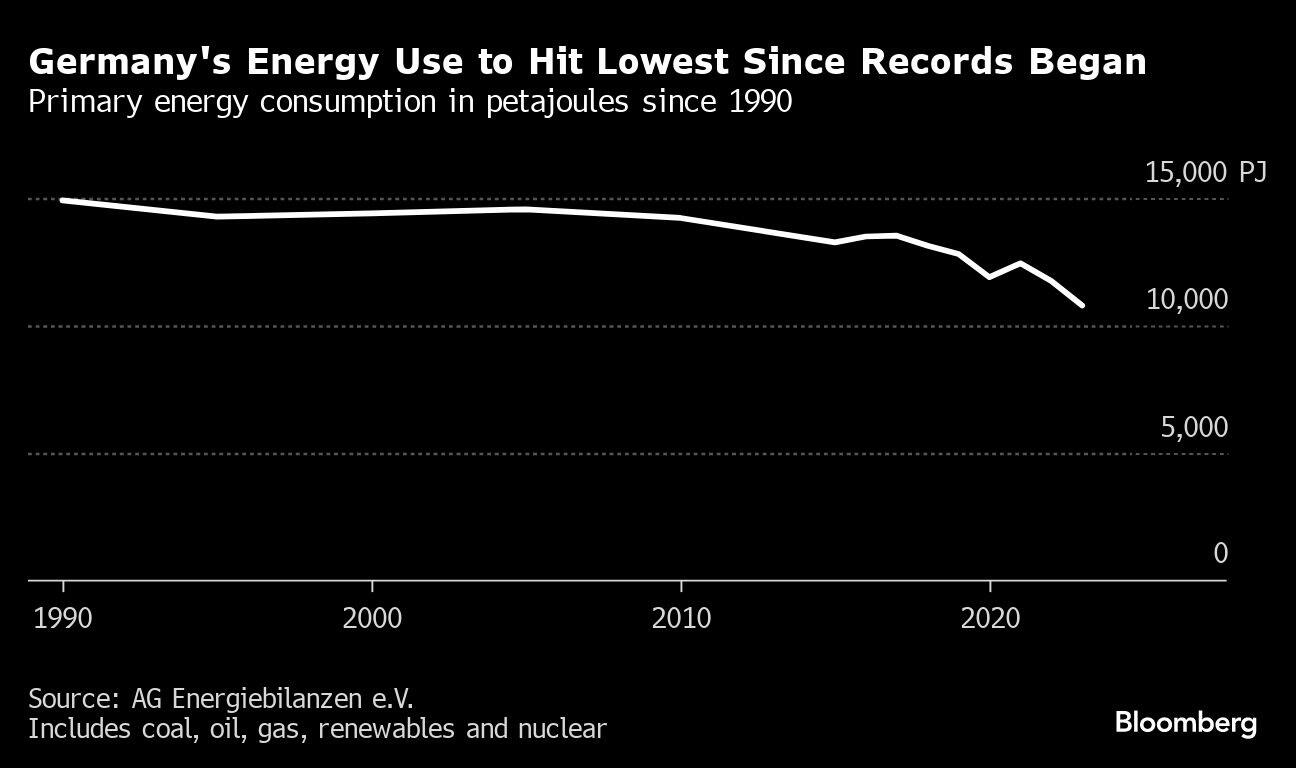
"Der Endenergieverbrauch der privaten Haushalte stieg von 1990 bis 1996 deutlich an. Im Jahr 2021 ging er gegenüber dem Höchstwert im Jahr 1996 um fast 17 % zurück. Die Raumwärme macht nun rund 70 % des Energieverbrauchs in Haushalten aus, da über die Jahre unter anderem die zu beheizende Wohnfläche zugenommen hat.17.03.2023" (https://www.umweltbundesamt.de/daten/energie/energieverbrauch-nach-energietraegern-sektoren)
this site explains a lot, but -17% in private households is also a clear indicator.
to answer the question about the government trying to reduce energy usage look at the news after Ukraine war broke out and look at the subsidies for efficient housing.

> But it's a general rule of thumb that mobile devices will generally be less private.
I disagree with this claim. in desktop OS usually all programs run in the user's context, hence they can access each other's data without much effort, unless the other program prompts the user for a password each time. in Android different apps are isolated from each other's user data. any windows malware can steal your wallet.dat. not so in Android.
of course the system itself has the required privileges, and privilege escalation is s thing. but there are also good reasons to prefer mobile from a security perspective.

if both are only used for the described purpose and physical security is out of scope I'd say both are very secure and would trust quite some value to them. for life changing amounts I'd always opt for completely offline.
also, depending on a lot of factors like FDE, key storage etc data might be easier to exfiltrate from a standard PC, but depending on the bounty that is meaningless.
so you present a 30 year graph and back your assumptions by a1 month development?
https://de.statista.com/statistik/daten/studie/165463/umfrage/deutsche-exporte-wert-jahreszahlen/
this is the export value which you claim is declining.

did #snowden suggest #nostr? or this community or what?

not to forget: #LND can just do SCB, which requires cooperation and thus availability of your peers. this causes LND operators to FC channels with peers that are offline too long to minimize risk.
#CLN has real time backup, redundant databases and also SCB - as a last resort.
what a nonsense, like if life would be any better if we didn't switch to LED lights. the Kardashev is an indicator, but can not be used isolated like you are trying to do.

🛡️Secure your Lightning Network nodes enabling Watchtowers! Whether you're running #LND or #CLN
💡 How to Get Started
https://frznode.com/wtforall.html
#bitcoin #LightningNetwork #Watchtower
I just want #eltoo to have this madness stop already! or to be simplified, that is.

not sure if this is what you are asking for, but you can 'plugin stop' and then 'plugin start' the plugin and time.
yet, stopping clboss crashes my node, so ymmv :)

Keystone says their code is open source but wallet scrutiny says it’s not. What’s the truth? This seems to be it https://github.com/KeystoneHQ/ but I’m not really sure what I’m looking at. Is WalletScrutiny.com automated in some way and it’s an error or is Keystone lying? #opensource #walletscrutiny #hardwarewallets
'. Due to copyright, some vendors’ code cannot be made public, and we have removed some of the code from the source code. Therefore this open source code cannot be compiled. However, we can share this part of code under an NDA if you want to fully verify the code and reproduce it.'
#walletscrutiny links to it's own issue about the wallet, where it explains the problem. this issue also links to https://github.com/KeystoneHQ/Keystone-system where keystone writes what I quoted above. nosource seems to be a valid verdict.
I ran both implementations for quite a while. both are good, but have different goals. lnd prefers stable fast and cheap payments, while cln puts much more focus on privacy, even if it means you might pay a few sats more.
lnd needs way more resources, but if you only manage a few channels, who cares. 200 channels on a routing node, certainly cln is better/cheaper. I also think bolt11, liquidity ads are superior concepts, but it seems everyone is happy with centralized liquidity markets (magma, ln+pool, ...) so idk.
user tooling is better on lnd, but cln allows deeper access for plugins. cln had better backup and redundancy options compared to minimal sbc of lnd, which requires cooperation (and thus availability) of your peers.