

On Nov 14 the Human Rights Foundation will launch its CBDC Tracker at the National Press Club in Washington, DC
The Tracker will go online for the first time, providing the public with a resource to examine the progress and risks of CBDC implementation worldwide
Like paper dollars or euros, CBDCs are liabilities of central banks
Unlike paper dollars or euros, CBDCs do not offer the privacy protections, neutrality, or finality of cash
Virtually all money today is already digital, but it is typically issued and controlled by private banks and fintech companies, even in dictatorships like China
When consumers use a credit card, spending is at the discretion of the corporation that issued the card
When consumers deposit money into their bank accounts, their funds are liabilities of the bank
CBDCs are an effort to:
1) Replace paper cash with government-issued, government controlled digital credits
2) Reduce the power of private banks
3) Expand state control over the economy
Paper cash doesn’t require identification, can be used by anyone with no discrimination, and cannot be easily tracked
As such, cash is a daily tool of human rights activists, dissidents, and civil society, especially under authoritarian regimes
CBDCs stand to potentially phase out this tool for human rights defenders, making them entirely reliant on currency that is surveilled and easily frozen and censored
Unlike cash, CBDCs can require ID, have expiration dates, be remotely
frozen, and abide by blacklists
HRF believes CBDCs pose a significant threat to human rights work worldwide, especially for people living under tyranny
More than 100 countries are researching CBDCs, while more than 20 have pilots, and a handful of governments have already launched some kind of retail product
Russia, India, the EU, the US, Brazil, and other major governments
have all signaled intent to pursue CBDC projects
HRF considers it important to track these activities and document what risk they pose to human rights
We are pleased to be working with the Bitcoin Policy Institute to launch the CBDC Tracker at the National Press Club in Washington at 10:00am ET on November 14th
We are excited to share the work of the project authors: Nick Anthony, Janine Roem, and Matthew Mezinskis
If you would like to learn more about the project or RSVP to the launch event, please contact nostr:npub1cf3zeytdnwgwzz5pk2ax0vvmmlzad03xcft4d50ejrfhsh8pxcdsefx7gk
We look forward to sharing the resource with all of you on Nov 14
Nice


Take it from a software engineer
The Silicon Valley generation will be among the last to get Bitcoin
They are fundamentally blind to economic reality because of the bubble that produced and sustains their livelihood
You get Bitcoin at the price you deserve it

#Bitcoin is for the masses.


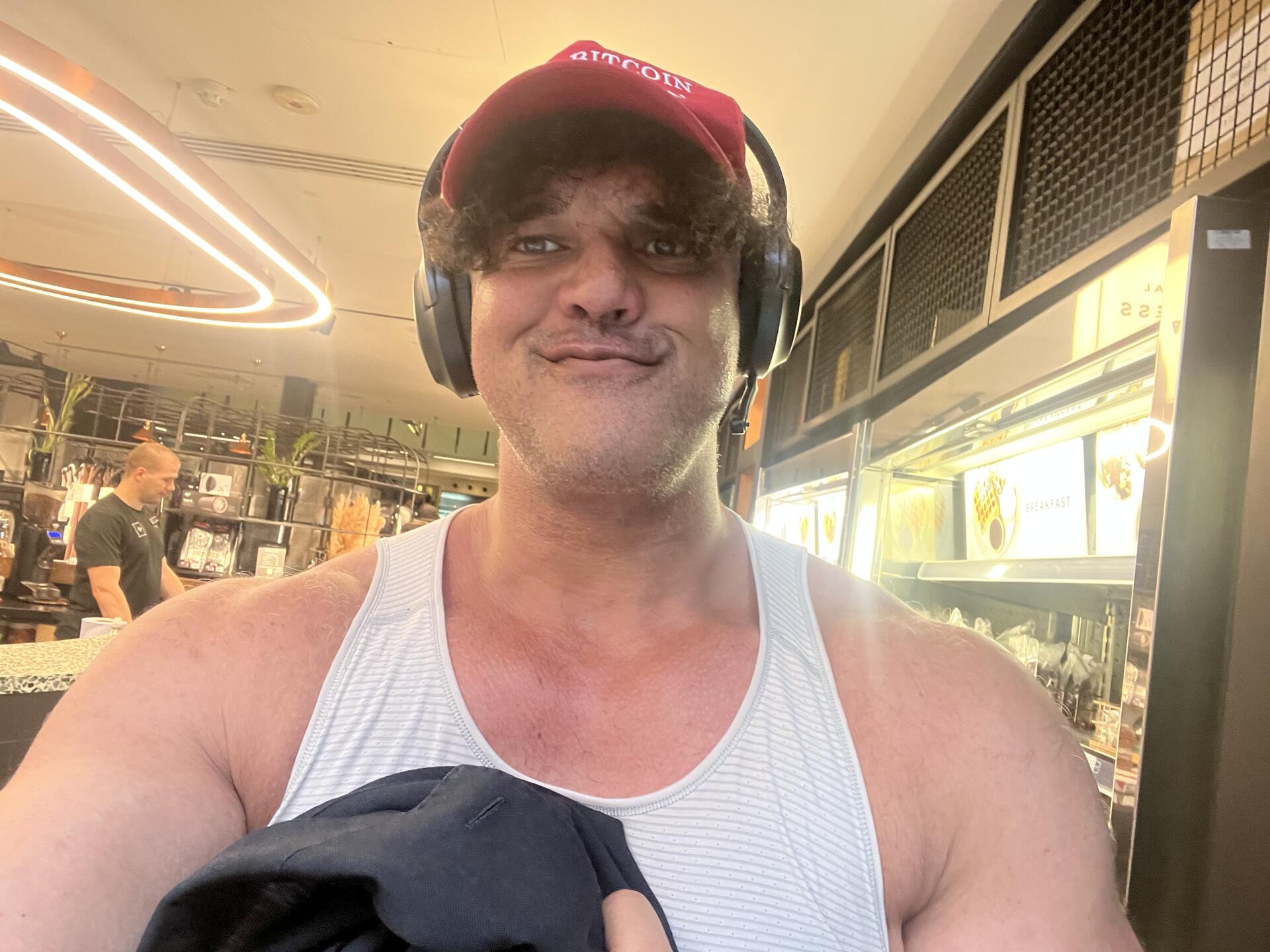
Stay sats and stack swole *
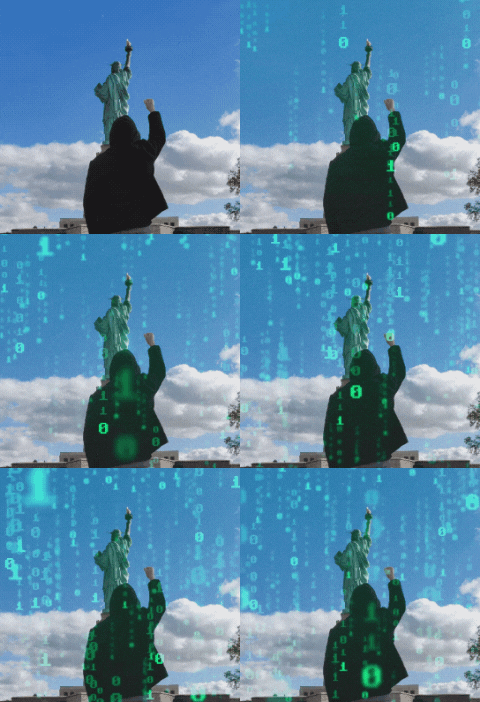
Do not cling onto the power that Bitcoin has granted you.
Nothing leads to Bitcoin Derangement Syndrome faster than fixating onto status and position, leveraging them to be a hero that ushers the final solution.
Case study: https://blog.plan99.net/the-resolution-of-the-bitcoin-experiment-dabb30201f7#.h81ihjioy
This is so weird to go back and read now



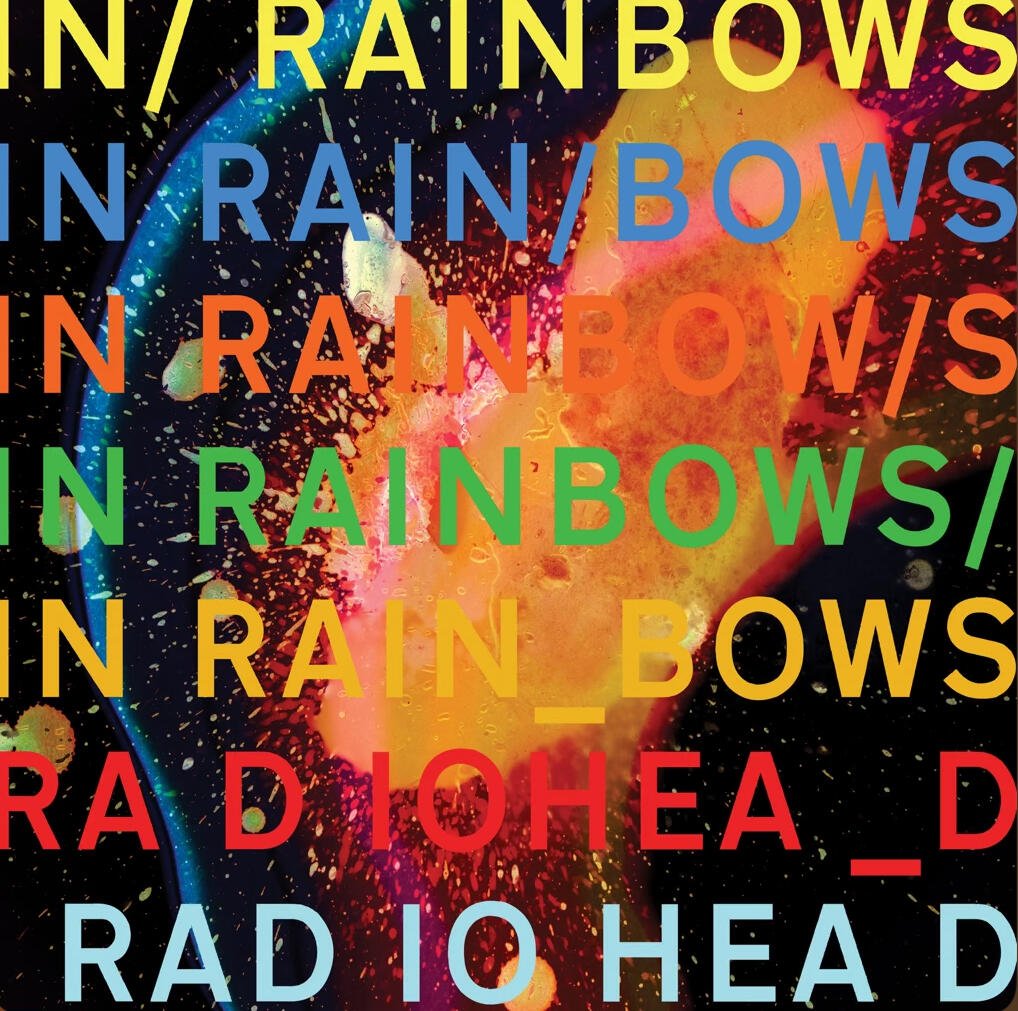
This is how you remind me


Some big media account on Twitter asked people what they think the best music album ever was, front to back.
While some albums are more iconic than others, the fascinating thing about the question is how it tends to be a sign of what era someone came of age in (i.e. which decade they grew up as a teenager), and what cultural part of that era they were more in line with. Sure, some people go back and find older iconic music and appreciate it the most, the absolute greats of the past, but the more typical outcome is that someone finds music from their coming-of-age years to be what somehow sticks out.
For me it was rock in the 2000s, and my mental answer to the question of "best album?" was Meteora by Linkin Park.
While it was a very popular album and also well-remembered, it doesn't generally go down on the ageless list of greats. In other words, it's always kind of a top two or three genre item. I could argue why other more iconic albums are better, and why they "should" be my answer. For example I could go a little bit before my time, but still close enough, and say Nirvana's Nevermind was better. That would poll better.
But basically, as a product of my time, Meteora is just the one that struck the right chords at the right time when I was a teenager. It's the one that spoke to me. I would listen to it casually, and then also listen to certain songs in it before martial arts tournaments to get myself in the combat zone. Even as my musical tastes changed over time, that's the album I listened to the most of all time, and so when I hear it in the present day, I still appreciate it a ton.
The fact that they crossed genres appealed to me a lot. Their main vocalist, Bennington, struck their melodic and emotional aspect. The other vocalist, Shinoda, was their hip-hop guy, with a rougher or more practical aspect. Mr. Hahn brought an electronic aspect, and Delson brought the rock guitar aspect. Some of their stylization was anime-aligned, and I was into anime at the time. Basically whatever vibes I might be feeling as a teenager at the time, there was something in Linkin Park that spoke to it, with Meteora being among their best and which came out at the right time when I was 15. It's like Bennington would speak to my emo aspect and help me acknowledge it, while Shinoda and the others would pump me back up, and tell me to not fuck around and get back out there, and boost my confidence. Yin and Yang.
Another reason I thought of this is that here in 2023, Linkin Park released a 20th anniversary edition of Meteora, which included a couple songs like "Lost" that didn't make it into the original. It all hits a bit harder for us fans based on the fact that the lead singer, Chester Bennington, is no longer with us. RIP.
https://www.youtube.com/watch?v=7NK_JOkuSVY&ab_channel=LinkinPark
Anyway, I’m doing a series of “real thoughts” uniquely on Nostr, and this is the second one.
Conclusion: Sometimes what hits harder subjectively is worth appreciating, rather than just whatever can be argued to be the best objective answer. Somewhere on that border between "objectively good" and "came out at the right time and hit the spot for you and imprinted itself" is your answer that is worth exploring and sharing.
What's your answer?
Amazing choice. Right there with you. #RIPChester
What if our monetary future does not continue down the path of centralization and debasement but, rather, follows a new path of decentralization and growing value? Today’s dollar hegemony was engineered by Richard Nixon and Henry Kissinger. Tomorrow, the currency of America could be based on the twin ideals of the Founding Fathers and Satoshi Nakamoto.
Unlike America, which lost its first battle over centralization just a few years after its founding, Bitcoin won its first battle over centralization during the Blocksize War, where user control and personal freedom defeated business interests and the concentration of power.
On July 4, 1821, Secretary of State John Quincy Adams warned of an America that would become a global imperium “in search of monsters to destroy.” An America where the “fundamental maxims of her policy” have “insensibly changed from liberty to force,” where we have become “the dictatress of the world.”
Perhaps Bitcoin can help Americans reflect on our history and remember that our true glory, in Adams’s words, is “not dominion, but liberty,” and that our true march is “of the mind” and not the sword.
https://bitcoinmagazine.com/culture/bitcoin-and-the-american-idea
🔥🔥🔥🔥
“Unlike America, which lost its first battle over centralization just a few years after its founding, Bitcoin won its first battle over centralization during the Blocksize War, where user control and personal freedom defeated business interests and the concentration of power.”
Corrupt Blackrock CEO Larry Fink Shilling Bitcoin on Fox Business
https://video.twimg.com/ext_tw_video/1676685643076829184/pu/vid/1280x720/ZzFQanTb00K_wLKw.mp4?tag=12
Bitcoin is money for our enemies

Yeah bro everything is sOcIaLlY cOnStRuCtEd!!

What if spam does exist, and you have the fee money?



I have the same feeling. It has “e-pirate” vibes.