
I think fiction writers fall in love with the world they create and a comprehensive ending will means its death, which they can’t accept.
We all need brutal honesty in our lives. Only way to grow.
You were born for a large audience!

Every European nation could do with a Trump right now.

Hi Tomoko. I look at Trump as a master negotiator. The tariffs are not there to be imposed but avoided. They are a threat to get nations to change their behavior in favor of Trump’s demands. I don’t think Trump intended them as a lasting arrangement. At the moment it is probably easier to bend to US demands than switch trade relations to China and Brics.

Hey Carl, I have been mining for about 3 years and it’s tough. Even though the house doesn’t cheat, the big guns still get the newest and fastest miners and us little guys get the crumbs. Constantly playing catch up with newer machines and increasing difficulty adjustments.


Colombian president says he’ll block deportation flights
From RT
The US cannot treat “migrants as criminals,” Gustavo Petro has said Colombian President Gustavo Petro has said that he will deny entry to American planes carrying deported migrants. The US has been rounding up criminal migrants and deporting them ever since President Donald Trump took office. “The US cannot treat Colombian migrants as criminals,” Petro […]
Jan 26th 2025 12:00pm EST
Source Link: https://www.rt.com/news/611669-colombia-rejects-deportation-flights/?utm_source=rss&utm_medium=rss&utm_campaign=RSS
Share, promote & comment with Nostr: https://dissentwatch.com/boost/?boost_post_id=914427
They are criminals, dufus! That’s why you don’t want them back.


Just 4 but most of the others are close and inevitable.
Gaza developments devastated Zionists, elevated Islam, resistance: Iran top general
From Press TV
Iran’s highest-ranking military commander says the Gaza developments were the beginning of a disaster for the Zionists and the elevation of Islam.
Jan 20th 2025 5:21am EST
Source Link: https://www.presstv.ir/Detail/2025/01/20/741260/Iran-Pakistan-Gaza-disaster-Zionists-promotion-Islam
Share, promote & comment with Nostr: https://dissentwatch.com/boost/?boost_post_id=910813
Exactly the opposite of all the propaganda coming out of Iran is true. So this means: “Gaza developments devastated Hamas, weakened Islam and Islamic resistance.” I appreciate the honesty, top general.
Brothers in sanctions: Why the Russia-Iran strategic agreement is important
From RT
The two nations, both under immense pressure, are together pushing to create a fairer world The relationship between Russia and Iran is deeply rooted in history, dating back to the 16th century when the two nations first established contact. Despite periods of tension, pragmatism has always been at the core of their interactions. Historically, Russia […]
Jan 18th 2025 11:34am EST
Source Link: https://www.rt.com/news/611144-russia-iran-partnership-agreement/?utm_source=rss&utm_medium=rss&utm_campaign=RSS
Share, promote & comment with Nostr: https://dissentwatch.com/boost/?boost_post_id=910076
They are brothers in sanctions as a result of being brothers in evil.
Got rid of Insta 2 years ago and X two weeks ago, but I have to say I am missing my X content. Looking forward to Nostr growing.
That 16% are all ghey.
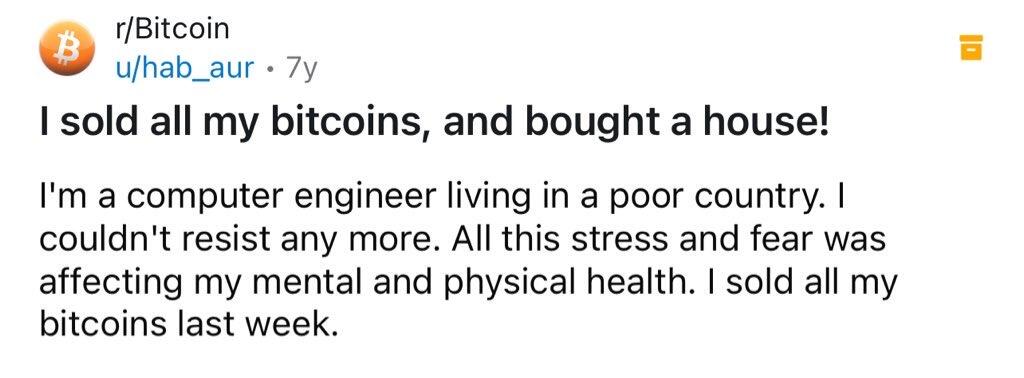
You cannot live in a USB drive, but please start buying Bitcoin again when you can.
Here for the uncensored banter. Want to meet fellow bitcoiners and improve my knowledge of crypto in general.
#introductions