

Nostr is permissionless communication, the way Bitcoin is permissionless money.
The ideals of an open internet with all the unlimited functionality of digital technology, condensed to its simplest form.
Like Classroom notes being passed around but only read by whom you want.



I am interested in how to backup my past notes if possible, have any client exclusively pull from or publish to my local Citrine DB, and what is meant by "contacts list". Does contacts list mean Citrine relays their future notes only ?. Also, a recommended android signer to access those contacts would be cool.

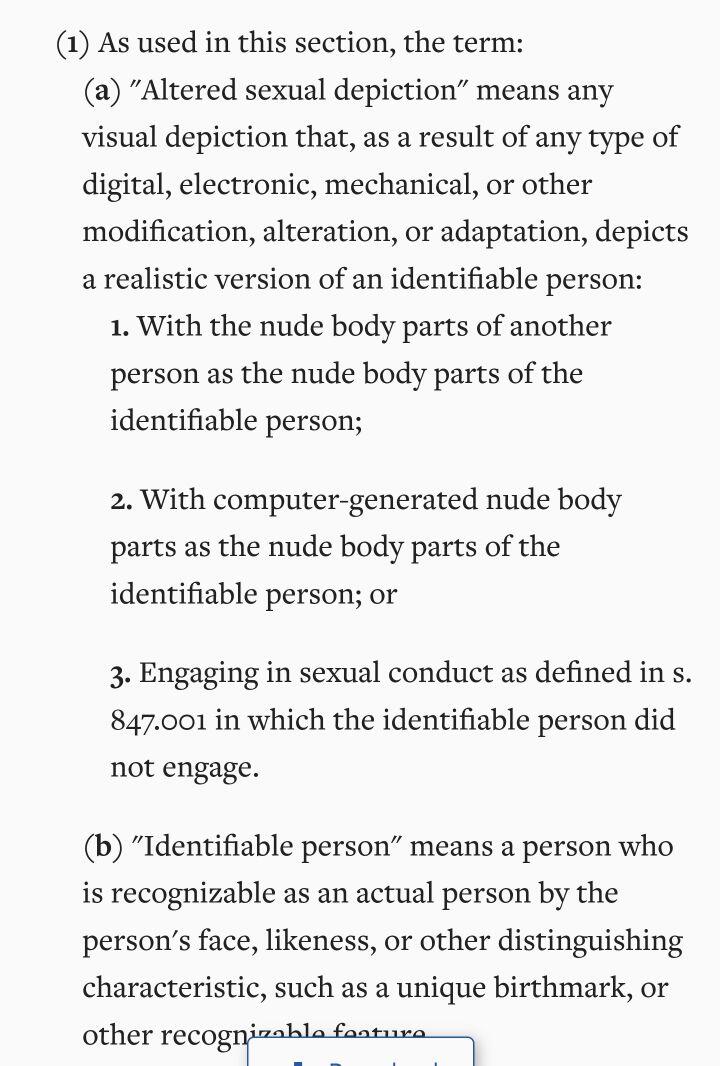
The legal system is like a virgin on the night of her wedding to Singularity.

Could be hidden under the three dots > edit > dropdown on click > edit / edit history

Is your nostr equivalent to the emails ?


Nah, too many words.
The purple nostrich and words "Get Nostr" would be better

git in itself is a state chain. every commit id is a hash of all previous changes. that way you can be certain you aren't missing any data.
I thought the hard part was identifying who the authoriative maintainers are fpr a repository if they change overtime, such as bitcoin-core. I proposed https://github.com/DanConwayDev/ngit-cli/tree/v0.0.2 which uses OpenTimestamps.
Someone then pointed out that you can embed this information right into the commit history and contributors will 'build on top of' whichever history they don't object to. Overtime the longest chain (of quality commits, by contributors we trust), will determine the authorative maintainers.
This is what ngit optionally does when you run `ngit init`.
"Large patches and binaries would need to be transported separately and referenced in a stub patch event."
Which is where the convenience of Github comes in. Potential security issues too.
Forward looking though its also an oportunity for V4V storage.
git in itself is a state chain. every commit id is a hash of all previous changes. that way you can be certain you aren't missing any data.
I thought the hard part was identifying who the authoriative maintainers are fpr a repository if they change overtime, such as bitcoin-core. I proposed https://github.com/DanConwayDev/ngit-cli/tree/v0.0.2 which uses OpenTimestamps.
Someone then pointed out that you can embed this information right into the commit history and contributors will 'build on top of' whichever history they don't object to. Overtime the longest chain (of quality commits, by contributors we trust), will determine the authorative maintainers.
This is what ngit optionally does when you run `ngit init`.
Oops. Missed the "show more" and did not read the full note.
From the link: "Forks are replaced by permissioned branches."
Replaces the whole "key holder" issue. If i understand correctly. Neat.
So as a project moves through its life cycle, a baton of sorts is passed on to the next endorsed npub or the most popular branch. This eliminates a bunch of friction. Organic. Neat.
User expectations/behavior will have to change. Particularly around malicious fake accounts and noobs.
git in itself is a state chain. every commit id is a hash of all previous changes. that way you can be certain you aren't missing any data.
I thought the hard part was identifying who the authoriative maintainers are fpr a repository if they change overtime, such as bitcoin-core. I proposed https://github.com/DanConwayDev/ngit-cli/tree/v0.0.2 which uses OpenTimestamps.
Someone then pointed out that you can embed this information right into the commit history and contributors will 'build on top of' whichever history they don't object to. Overtime the longest chain (of quality commits, by contributors we trust), will determine the authorative maintainers.
This is what ngit optionally does when you run `ngit init`.
Timestamp based Single use seals is what i was thinking. Linked to ones npub. Can be revoked, updated, passed on, as maintainers come and go.
Memecoin and "web3" shills are already back at it. It's nuts. Outright fraud. I thought this narrative had died.
Shitcoins, shitcoins everywhere
Btc timestamp right ?
Test note for editing


Announcing: Wikifreedia 0.0.4!
SEARCH!
Wikifreedia now supports NIP-50 full-text search. There was no relay indexing wiki entries for full text-search, so I wrote a NIP-50 relay to serve this function, wss://relay.wikifreedia.xyz.
It's, obviously, open-source so anyone can run this.
https://wikifreedia.xyz/?q=philosophy

I go away for a few weeks and you and Vitor replace the whole internet.
Wow. What a day. Email just died.

The repo can be Radicle...so...
The architecture I propose for achieving this is treating git servers like relays. The nostr repository event includes a list of git servers and the commit-ids for the tips of each branch. a git remote-helper enables maintainers to push to all git server mirrors and update the repo event with the new branch tip with a simple 'git push' command. I wrote a bit more about the proposed repo event format for this here: https://github.com/nostr-protocol/nips/pull/997#discussion_r1464484832
I hope you guys get the bounty ! Perhaps after some more refinement to meet the terms ?
Can't the latest version be recreated by a going through past Pr and issue bearing Notes ? Combine with a fork of the "centralized" github repo to other self hosted solutions .
This seems like a valid de-centralization and redundancy step for sure.