Avatar
Kristen
804d6f7c0d7cfbe4c54966edd70fed177ce1fff17c2fe33fd1b0f22bf63f604e
Wife. Mother. Homeschool. Entrepreneur. Small plot homesteader. Endlessly reaching for more freedom.

'"Just living is not enough," said the butterfly, "one must have sunshine, freedom, and a little flower."

- Hans Christian Anderson

Happy new year, nostr Frans!

And a better reason to celebrate: Idk my exactly nostrversary but I know it was shortly before the new year. 🎊🎊

No blue light 3 hours before sleep. Amber glasses for work on computer during the day.

No food 4 hours before sleep. Less sugar/caffeine.

Aim to be asleep 8-9 hours before the sun comes up. Leave curtains open for the sunlight to wake you.

Exercise after waking for one hour.

This cured my insomnia 15 years ago and I refuse to deviate from it or I end up a mess.

Winter blues 🐟💧❄️🌊🌬🔵💙

Would love to hear pop vs Ubuntu. We use Ubuntu, but Pop is really intreging

This hasn't worked out so well in the past.

There is beauty in the winter-barren landscape. #nature #lake #proofofwalk

Replying to Avatar Anarko

🌊 SURF 'N TURF 🏝️

-THE ISLAND LIFE-

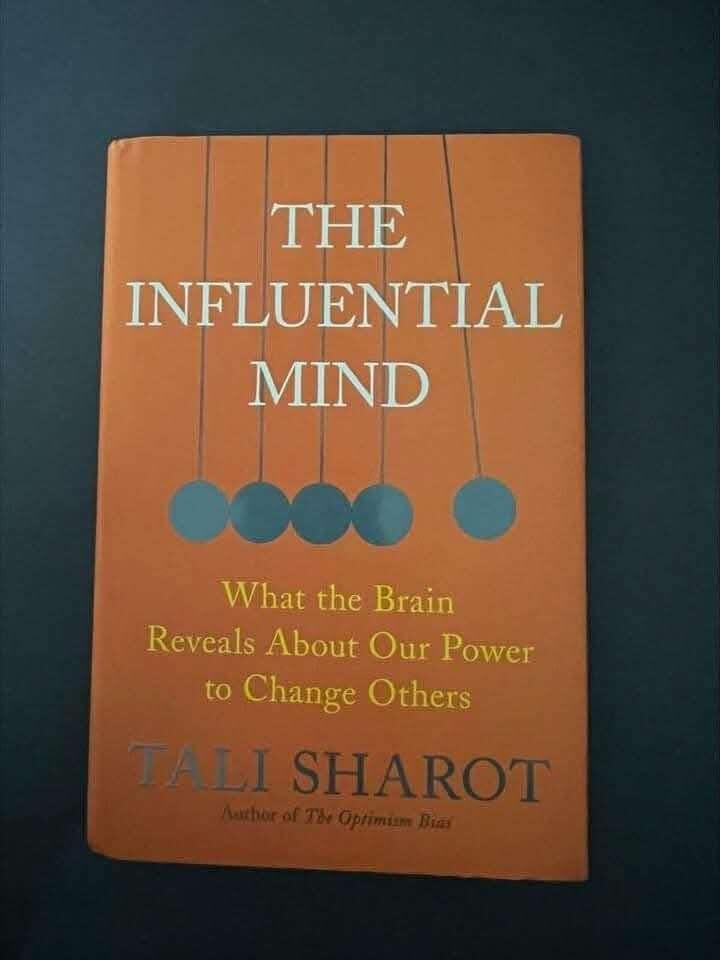
"True influence comes from aligning your message with the emotions, beliefs, and desires of others."

The Influential Mind: What the Brain Reveals About Our Power to Change Others by Tali Sharot explores the science of influence, examining how human emotions, beliefs, and biases shape our ability to persuade. By understanding the brain's mechanisms, we can improve how we connect with and inspire others.

Here are lessons from the book:

1. Emotion Drives Influence

Logical arguments alone rarely persuade. Emotion is a powerful driver of influence, so connecting emotionally with your audience is key to making an impact.

2. People Resist Fear

Fear-based tactics often backfire. Instead of scaring people into action, focus on inspiring hope and offering solutions to encourage positive behavior.

3. Beliefs Are Sticky

Changing someone’s beliefs is difficult because they are deeply tied to identity. Present new information in ways that complement, rather than challenge, existing beliefs.

4. The Power of Rewards

Positive reinforcement is more effective than punishment. Rewards create a sense of achievement and encourage the adoption of new behaviors.

5. Confidence Is Contagious

People are drawn to confidence. Expressing certainty in your ideas increases your credibility and makes others more likely to follow your lead.

6. Stories Over Stats

The brain is wired for storytelling. Personal narratives are more memorable and persuasive than presenting facts and data alone.

7. Curiosity Sparks Engagement

Asking thought-provoking questions and presenting intriguing scenarios captivates attention and encourages active participation in discussions.

8. Choice Matters

People are more likely to act when they feel they have a choice. Frame decisions to empower others rather than pressuring them to comply.

9. Social Proof Works Wonders

Highlighting what others are doing influences behavior. People are more likely to follow a course of action if they see it as socially acceptable or popular.

10. Adapt to Cognitive Biases

Understanding biases like confirmation bias or optimism bias allows you to tailor your approach, making your message more relatable and persuasive.

These insights can help you become a more effective communicator, capable of influencing others ethically and authentically in various aspects of life.

Credits Goes to the respective

Author ✍️/ Photographer📸

🐇 🕳️

#Bitcoin #Satoshis #Freedom #Apocalypse #Music #Movies #Philosophy #Literature

#dogstr

Boosting this so I don't forget about it.

nostr:note16cxkc666syejmwrj3ypyk4lwh8t86dakq93nl9hmpg5r68qape8shdhwfz

I tried to pretend all day it wasn't happening, but I am definitely coming down with something. 😖 Shot of oregano oil and beef broth for dinner.