

Nostr and Bitcoin fix the impending nightmare that's unfolding on X / Twitter.
“When I say payments, I actually mean someone’s entire financial life,” Musk said.
If you get banned from Twitter, you'd be locked out of your entire financial life. That's scary.
Nostr and Bitcoin cannot ban you and put you in control of your social and financial life without the potential for censorship or needing your personal information.
https://www.theverge.com/2023/10/26/23934216/x-twitter-bank-elon-musk-2024
I think that's a stretch. Most countries financial regulations would make it impossible to be blocked from your financial life due to something you do on twitter.
Not that I'd be using that garbage in the first place 🤣

Potentially though I think most countries will sign up in the same way they do to AML rules. And if businesses using crypto are disallowed from transacting with non-KYC wallets, then most people using them will do it.
I think there's a belief in crypto that everyone shares this hatred of the state and opposition to things like KYC. Most people really don't care.

I wrote a note about this type of issue yesterday. My feeling is that the key we use day to day should be a secondary key that can be changed by signing an event with a primary key (preferably a hardware one). Rationale being that the key used to log in day to day is frequently e posed to apps using it so is at a higher risk and should be quick and easy to drop.
For bigger social media users the 30 days could be pretty problematic as from my understanding the compromised key would still be what most clients see as the real identity.
For someone big it could be a massive issue though. Imagine a celebrity with a mass following putting out links to a scam site for tickets for example. And the risk may be enough to put them off using the platform.

Nah, I think they'll be fine with self-custody as long as they know who owns the address.

Do you know where in the doc it says this roughly?
I think they will want to have KYC on all legal addresses and only have KYC to KYC transfers in the long run, I just didn't see this doc as that.

I dunno, I'd bet a scammer would love to be able to post as a celebrity to get massive reach from a trusted person. "Tickets on sale now (link)" for example.
With passwords however, a breach is temporary. Recover the account, change the password and all is fine. Not so simple with a key.
Yeah I figured that would be the case. Owning your own keys is fine and all but if widespread adoption is attained then there will always be breaches. With software doing the signing too you can't really keep it air gapped.
I wonder if a pimary/secondary key system could work, like you create a primary key on hardware then sign to associate a secondary key with a single identity. That way if the secondary key were compromised you sign a new one and unlink the old one.

nostr:npub1ezw0xm0w52rd4yfdg9zlw9qvwdy46alzelklkefptrd203m37tuq4djmeg we make maps like this of the US. You might like this one 😂
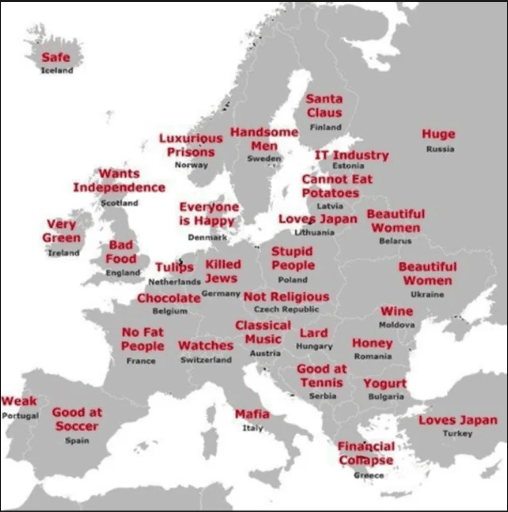
How dare you, our food is great. I defy you to find a better breakfast than a full English 🤣

Yeah absolutely, I don't pour cash into a pit 😂


You're assuming the only motive is profit though. I'm happy taking smaller gains on projects I find interesting.
Depends on the coin but it's not all about value. There are plenty of interesting projects across the crypto space.
I'm into a bunch, with a big chunk in BTC. Diversity that portfolio and all that.
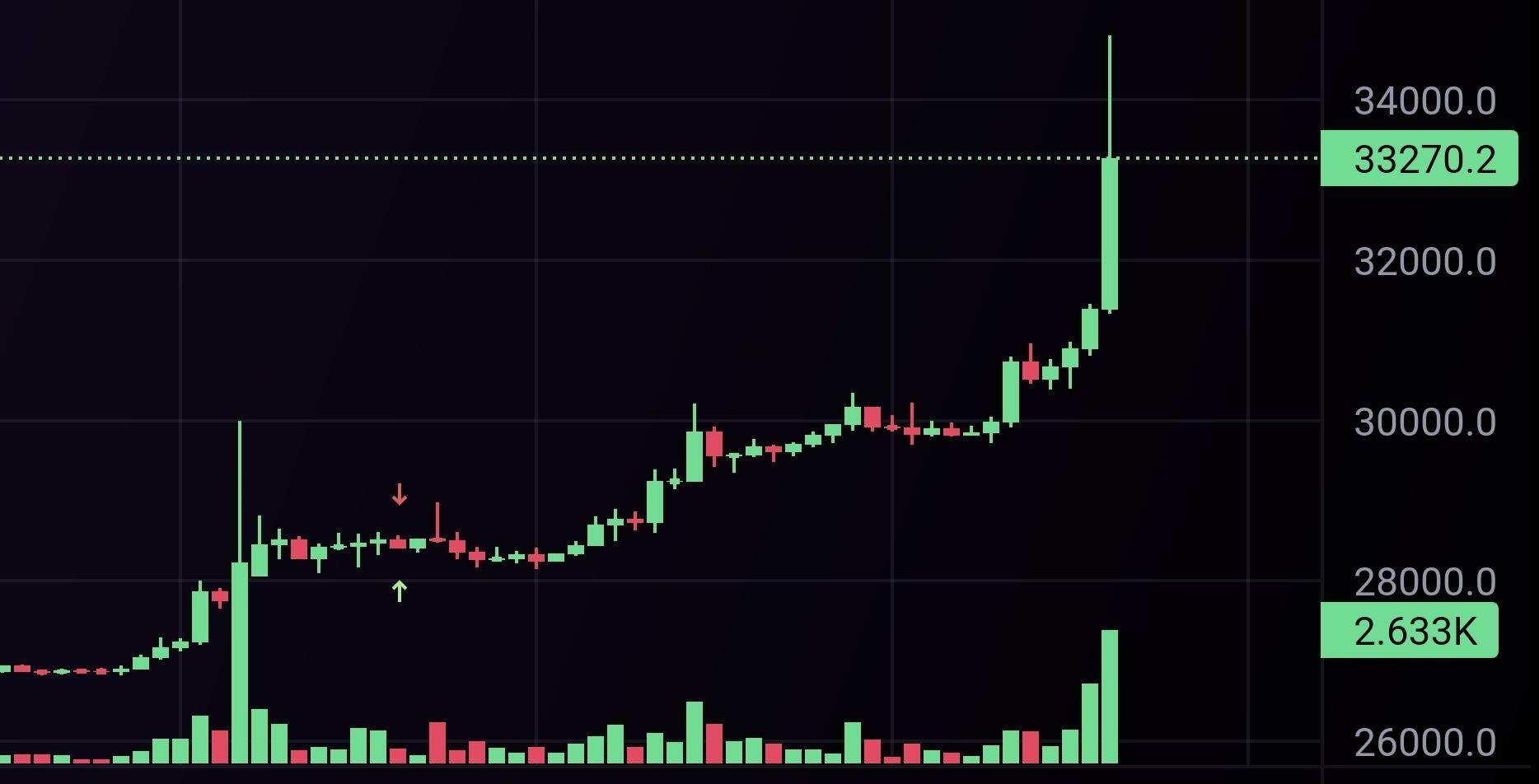
I have to say that's a nice looking #Bitcoin chart.
I always figured the way they'd approach this is by enforcing KYC throughout the transaction chain at and point of use and through exchanges. That way KYC users can only really interact with other KYC users or they'll get flagged. All non-custodial wallets would have to register with a KYC provider to mark them as legal.

I must be reading it wrong because I can't see anything indicating it would ban bitcoin transactions in general.

That would go along with the key if it were compromised, right?
So one of the benefits I've seen referred to on #Nostr is that if you are banned on Twitter you lose your identity, while on Nostr you retain your identity even if banned on a relay.
With this in mind, what happens if a users private key is compromised? Is there a process for moving from one key to another for example? #AskNostr