

Wait till you see a guy trying to recreate some of the old stone structures. This guy is mixing wood ash and water glass ( not heard of it before) and mixes them and pours into molds, they turn solid after curing.
So he’s trying to say that these stones structures were made by taking the raw materials and moulding them at site (pyramids, Inca sites and the 🗿)

In capitalism, the person who owns a resource can also control what is done with it. In a socialized economy, this isn't true because there is no longer any owner. Nonetheless the problem of control remains. Who is going to decide what is to be done with what? Under socialism, there is only one way: people settle their disagreements over the control of property by superimposing one will upon another. As long as there are differences, people will settle them through political means.
If people want to improve their income under socialism they have to move toward a more highly valued position in the hierarchy of caretakers. That takes political talent.
Under such a system, people will have to spend less time and effort developing their productive skills and more time and effort improving their political talents.
As people shift out of their roles as producers and users of resources, we find that their personalities change. They no longer cultivate the ability to anticipate situations of scarcity to take up productive opportunities, to be aware of technological possibilities, to anticipate changes in consumer demand, and to develop strategies of marketing. They no longer have to be able to initiate, to work, and to respond to the needs of others.
Instead, people develop the ability to assemble public support for their own position and opinion through means of persuasion, demagoguery, and intrigue, through promises, bribes, and threats. Different people rise to the top under socialism than under capitalism. The higher on the socialist hierarchy you look, the more you will find people who are too incompetent to do the job they are supposed to do. It is no hindrance in a caretaker politician's career to be dumb, indolent, inefficient, and uncaring. He only needs superior political skills. This too contributes to the impoverishment of society.
https://mises.org/mises-wire/why-politicians-win-and-workers-lose-under-socialism
The writer points out the ills of the communist ideology and he also notes that capitalism isn’t perfect either as there is misallocation of resources and the inferior quality of products and services.

💯
There is you and all this debt tied to you.

I wasn’t a big fan of them but my parents loved it, maybe you’ll like it too

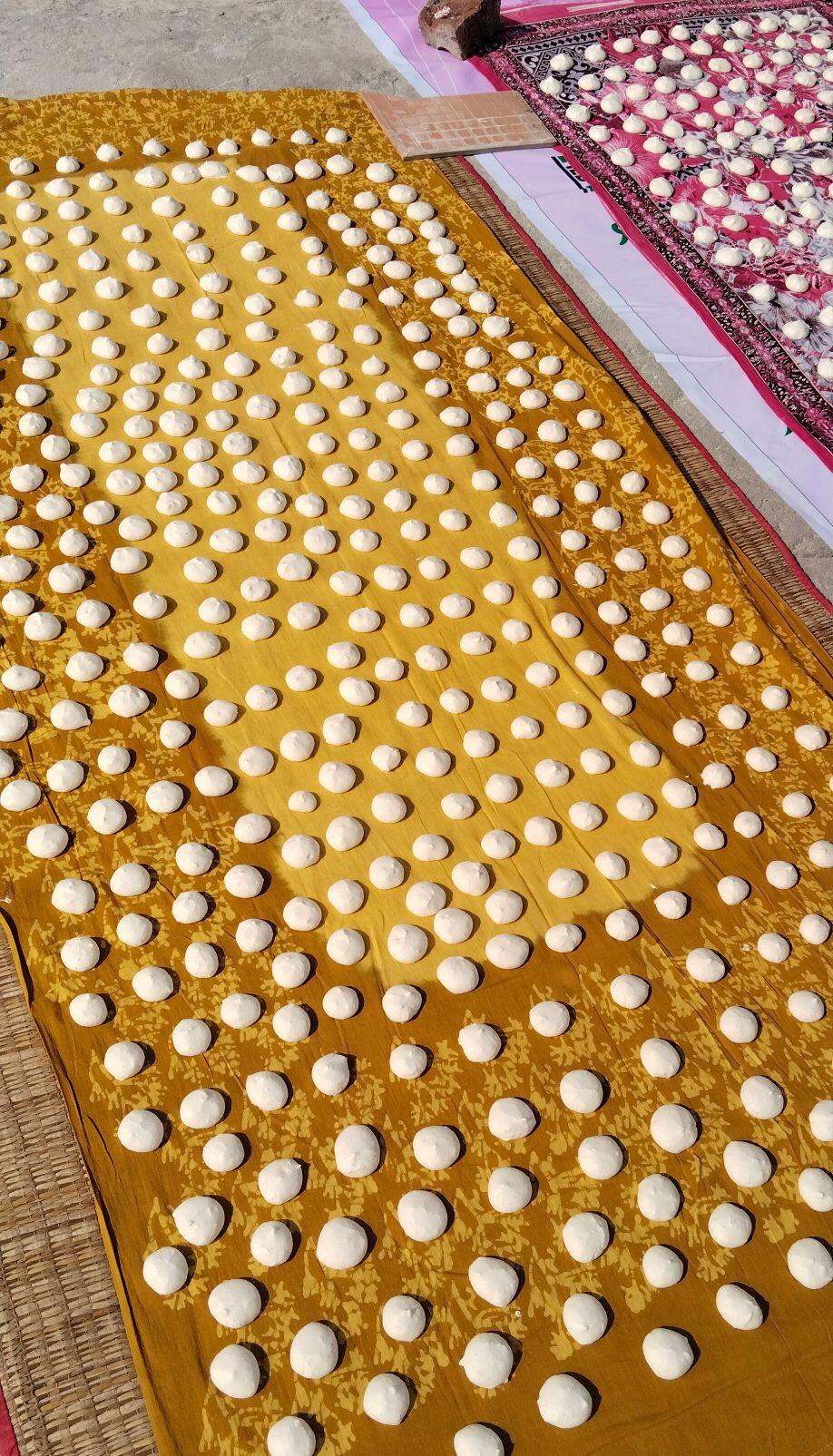
In Punjab they have a similar thing called wadiyan and these are usually bigger and different coloured ones.

They just enabled fiat currency and debasement at a scale never seen before.
Does every transaction need to be sovereign is the question
 #m=image%2Fjpeg&dim=918x1605&blurhash=%5DBLfpr%3FR5AM%7CRl%3Fw%25DxvWEof0qRi%25IRoWBakIqxUoMoeM%7CS7RPt7ozNJNff*V%40WsIst8WUaJo%23tSR-SPjDkDNHkDofaxjH&x=358511a6be26dabc8ebef885e78664bda2e729b4a88e4a0c1ea76569a00865ae
Nah bro, you got it wrong. The creature of jekyl island tells you the whole story of how the fed was created and who wanted the money to be controlled
fiat, it’s one of the best ways to manipulate and transfer wealth
This was all designed to work this way, I mean not in our favour at least

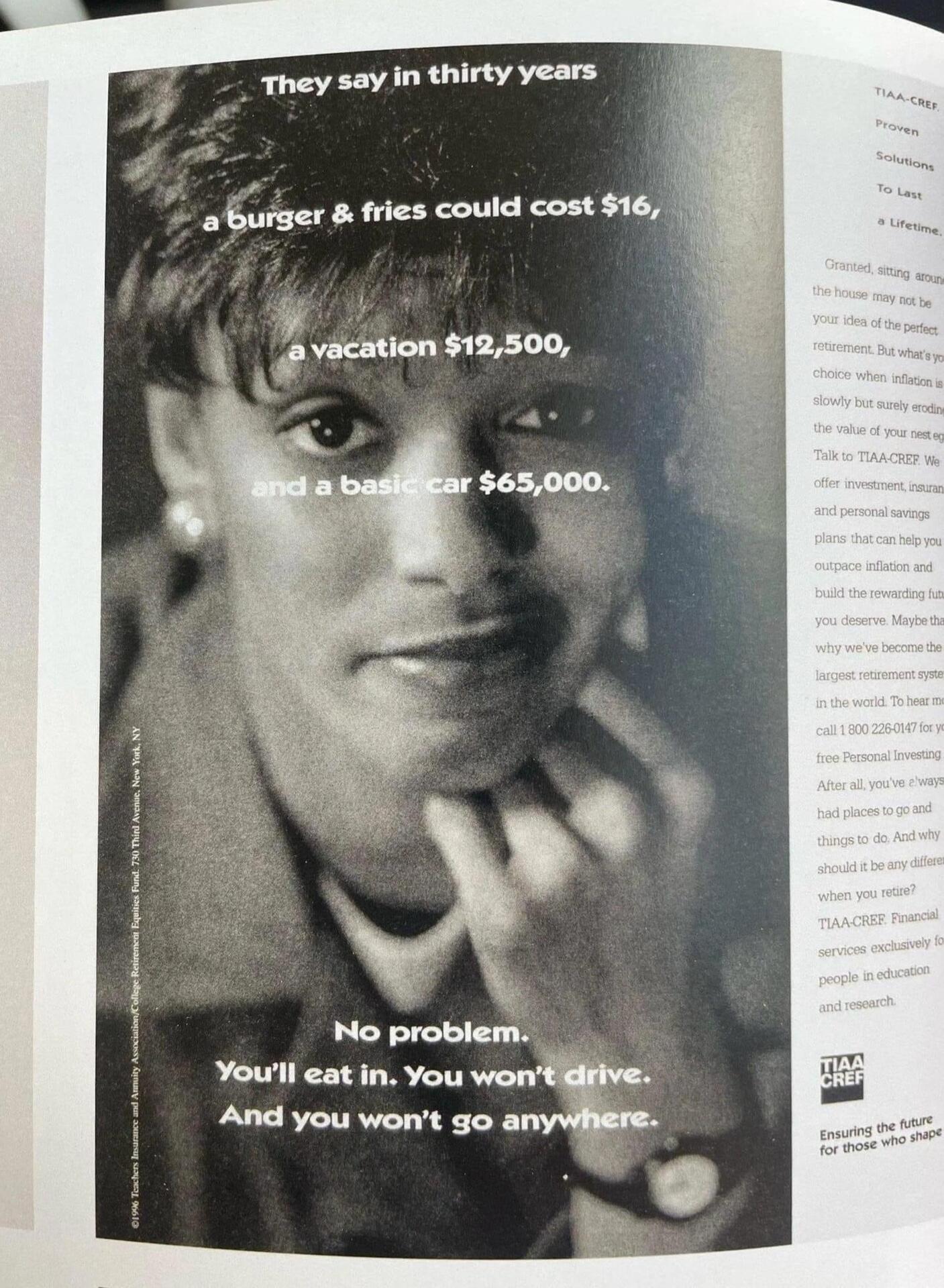
Based on what I see about their returns on retirement investments, they are right, you will eat in, won’t drive and won’t go anywhere if you were one of their customers, as it looks like their plan isn’t beating inflation
#hopeimreadingthechartscorrectly 

This is just so common these days in the part of the world where I live, the skies are not safe
😂
Never thought of this rug

I’ve looked into but the lights and was surprised at the price.
Have you also replaced your regular led lights to incandescent lights ?


There’s twenty two wallet that’s open source. FYI


I got some sun through the beautiful chemtrail clouds, hope it counts

Some GREAT news out of Canada 🇨🇦
Apparently our highly incompetent government needs more time to get more control over us.
The NON-KYC bitcoin is still in play!
Shoutout to #[0] for this incredible sly roundabout way to buy bitcoin with cash at the post office.
If you don’t have any account yet, use my referral code here to get some free bitcoin. $20 worth I believe. Sign up as a LIMITED account!
https://bullbitcoin.com/signup?referralcode=107340163460596405960052942398110598676939
Get as much as you can,
While we still can
🫡
💯


