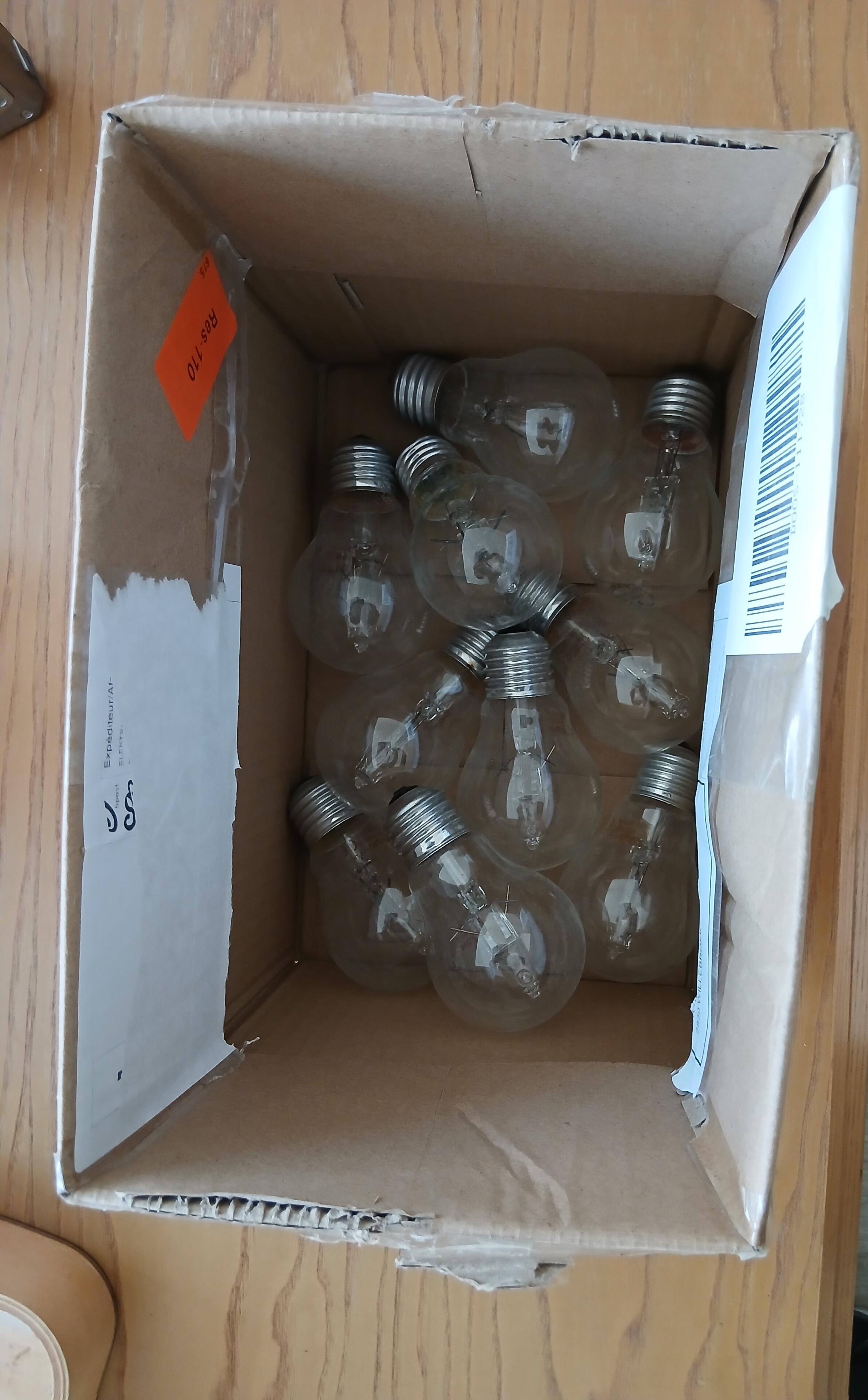
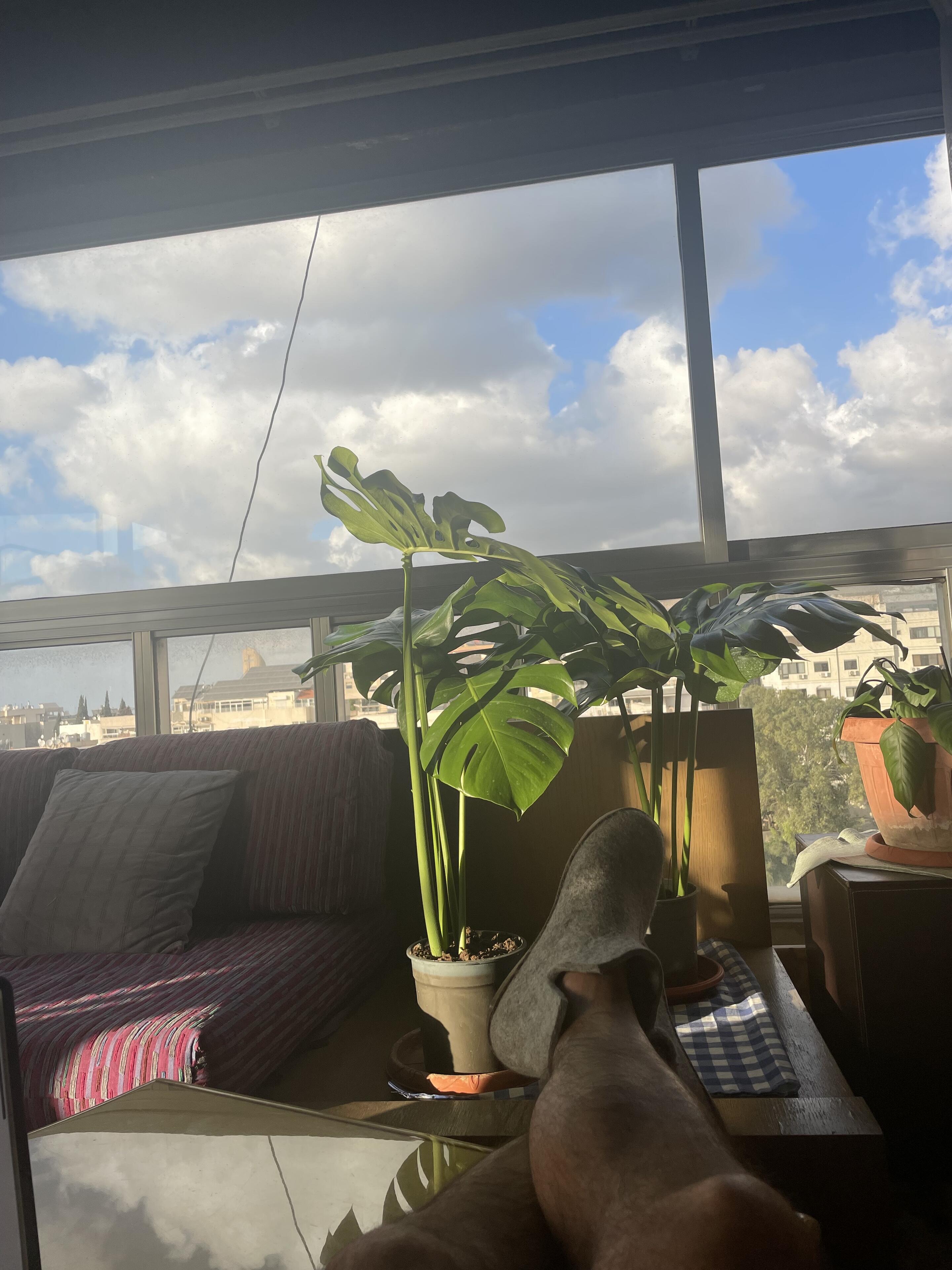
It's mainly the lack of red light in the regular LED's that throw off the circadian rhythm.
That's mainly what I focus on now.
I do have to say I haven't done my research on this myself, but took it from Jack Kruse.
I did notice an improvement since I changed the light bulbs yesterday.
I do 100% know there is a difference since I've put a red filter on my phone and PC screen.
Without filter, my brain felt microwaved after looking at screens after a long period
I recently started to use the ‘night shift’ mode on my phone and laptop. That adds like a warm yellow hue, also I lower the brightness.
This was mainly cuz I noticed a sensitivity to light/dark contrasts… didn’t really have any issues with sleeping though.
I even installed an app called twilight to make it more red 😅
I did notice without filters, I felt more awake in the evening, so it was more difficult for me to fall asleep. It also helped my brain to feel less microwaved after staring at screens for long periods..
oh that app sounds helpful! my other strategy along with the night shift mode, and lowering brightness is to just not use screens much after like 7 pm … meditate …
it also might be related to the fact that I haven’t been to get my eyes checked since 2019, and I found out that my left lens prescription was a little too high. So I got that fixed, and got transitions lenses for outside. Soooo much better.
I think it’s not so much the ‘light’ that affects my sleep, but more like the speedy pacing of online activity that gets me mentally jittery. A lot of online activity tends to be about ‘volatility’ in many areas.
Yes, so true.
During the day I try not to use my phone or other screens as much, but it's still difficult.
Mostly I'm on them in the evening, cause I do most of my work and tasks during the day and in the evening I Mostly watch some shows or am on Nostr 😅
The twilight app did help immensely with my phone usage..
Thread collapsed
Thread collapsed
Thread collapsed
Thread collapsed