

Honestly, I think it is still fungible.
If I came into your store with a face mask and the bank across the street is raising its alarm and I pull out some cash to buy a bunch of stuff from a duffel bag, you might wonder if you want that cash, but really, how much are you thinking: hmm, that $100 bill is really worth $10 because of its history.
Now let's say I come in normal clothes, a week after a robbery, and my money looks new, but nothing else is fishy... Do you reject the money? You'd probably only do that if you strongly suspected me... And even then, do you have prejudice against the money or against me?
So now bitcoin. Here's the deal. I create a bitcoin address, you send bitcoin, how often am I going to look at its history to see if it was from a coin join or on some blacklist?
Exchanges do it for sure, but if some people look at it and treat it differently to others, then why would we only look at one type of buyer (exchange/institutions) and base our definition based on their behaviour vs on the money itself?




Them monkeys also live in a world backed by theft. What is their inflationary currency and how do we fix that using Bitcoin?
😇


Is this legitimately real or did you splice together the posts?
It reads like a private telegram group of degens.







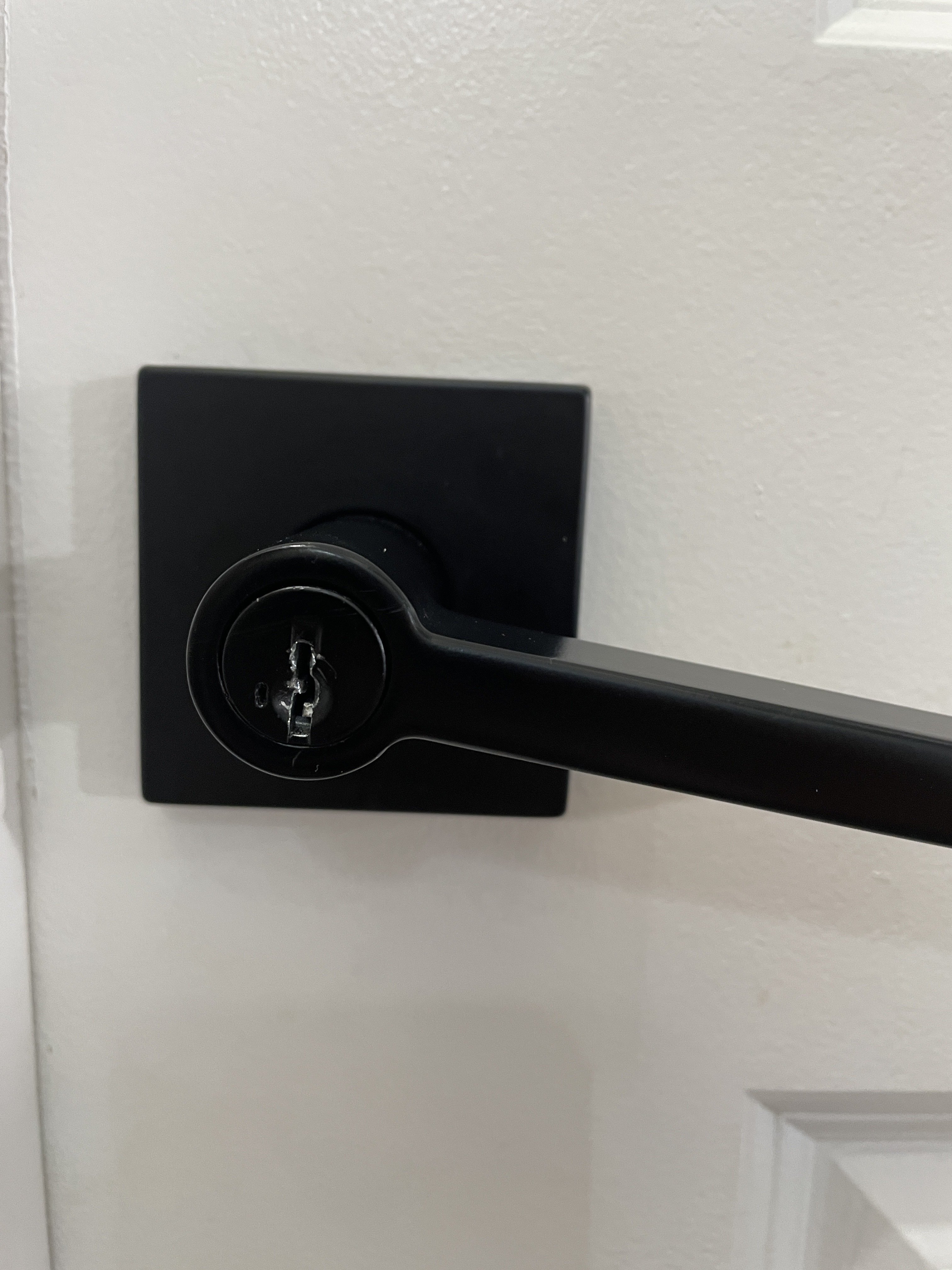
Lock picking Lawyer?
https://www.youtube.com/channel/UCm9K6rby98W8JigLoZOh6FQ
But for reals, maybe agree with the bnb to get a locksmith in at his cost or some other solution if not.
It should cost them not you.

Wasn't a rumor, but maybe outdated info in hindsight.
https://thehackernews.com/2021/01/apple-removes-macos-feature-that.html
But at the same time, They are surveillance houses that track what applications you are installing, when you run them, where you run them and these operations bypass whatever VPN you have.
Well all disagreements are two party events, but if one person makes the first move, then the other disagrees I guess.
Each time money flows from one side of the channel to the other, there is a possibility of a disagreement. That said, until both parties agree and have signed transactions backing that agreement, nothing has officially happened.
So let's say, you want to update the channel, 500 sats from me to you. I get your request, I disagree. My node is handling everything in an automated fashion and really it disagreed because something about your request was not following the expected rules of engagement.
Instead of "negotiating", it just decides to break the connection ASAP and broadcasts the latest transaction it knows that your node also agreed with. Since the nodes never agreed on this new balance change, what is broadcast to the network IS the last agreed balance.
Also, if this dispute was part of a chain for someone to else's payment, that person's payment aborts and their wallet tries again finding a different route.
I mean, this implies "only when there is a disagreement", implying that when someone force closes a channel which naturally will have the amount that each of you agreed you were entitled to.
If you do a consentual close, then you technically get to pay less in fees, so you get back more than you would otherwise, and TECHNICALLY, you can agree to split it 10 ways just to confuse Blockchain observers, you and the partner are just making a standard multisig withdrawal.
Also, you can easily identify a forced channel close, but a mutual close will hide the fact that your channel was ever a lightning channel.
Can someone what this sentence means on the btc lightning white paper (https://lightning.network/lightning-network-paper.pdf) page 6

#asknostr
Until you close a lightning channel, the balance between you and your channel partner is private information.
When you close the channel, the funds need to be split between two addresses. So at that point it is known on the public Blockchain what the split was... 50/50, 20/80, 90/10 etc.

How about a live stream of 1 block confirmation, or if you can squeeze it in, two.

Which was it? Our government, or unelected bureaucrats?... Really "your" government, but whatever.
