Avatar
B
0fdb4c25ac659e5ef841dad7417e7a57bc8099d4f78c3c41a4094d4b9c8993b4
Bookworm and lover of stories

🫣

Wordle 1,557 5/6

🟨⬜⬜⬜🟨

🟨🟩⬜⬜⬜

⬜🟩🟩🟩⬜

⬜🟩🟩🟩🟩

🟩🟩🟩🟩🟩

Replying to Avatar Gigi

GM

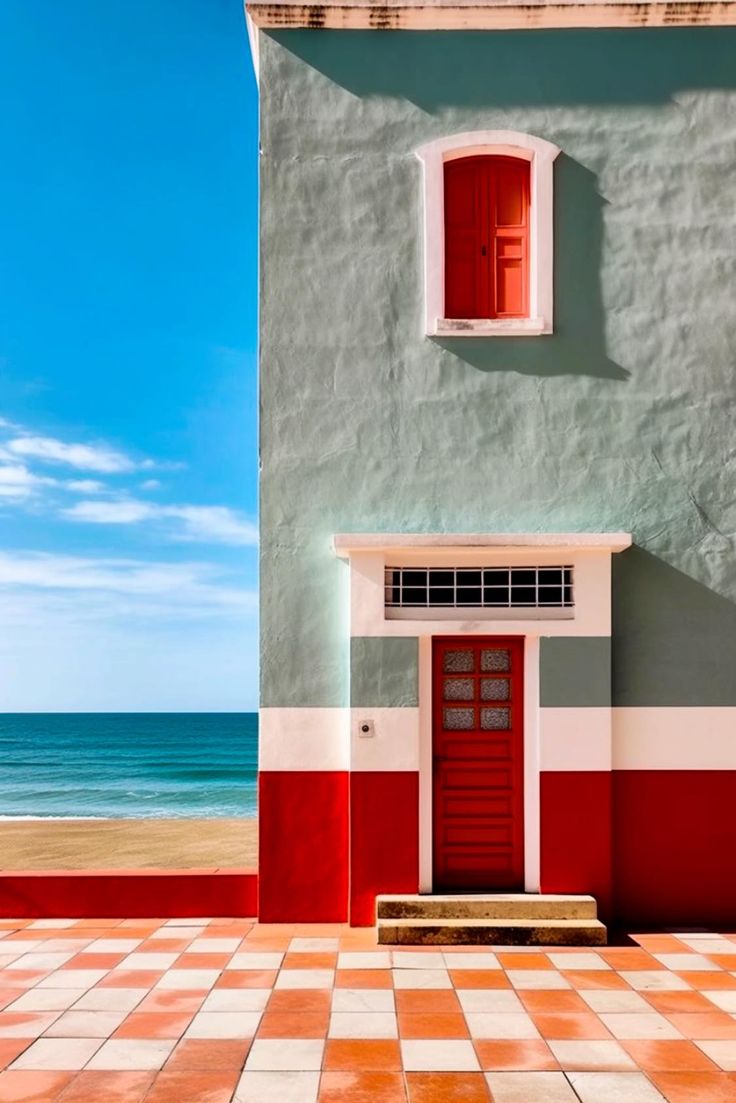
Great shot! Shadows, light, waves, lines

Plus coffee 🥰

No. I believe Queensland will Think they are being saved.

The rest of us will just get on with our lives.

No Rapture in South Australia. Though if it’s going to happen in Oz, I feel it will be an Eastern Coast thing.

You clearly inspired me!

Wordle 1,556 3/6

⬜⬜⬜⬜⬜

⬜🟨⬜⬜⬜

🟩🟩🟩🟩🟩

Fluked it! Now you can say it!!! 💅🏻

Didn’t realise the new one was open. Will play now.

I’m not expecting a repeat of yesterday!

Replying to Avatar Gigi

GM

GM Chugging along! 💚🤍

Replying to Avatar Jood

Beautiful and peaceful ❤️💚

Replying to Avatar Gigi

GM

Loving these so much I finally reverse image searched. I’m still unsure who created them but my heart is happy 😊

And once again thank you for sharing such beautiful art 🥰❤️

Gen X are doing the quiet referrals - go see a millennial, they love helping with this stuff. Walking off giggling 🤭

No but if he’s in it, I need to!!!

Kesterson House

#architecture

Architects: BUNSTON

Area: 289 m²

Year: 2023

Photographs: Tasha Tylee

City: St Kilda

Country: Australia

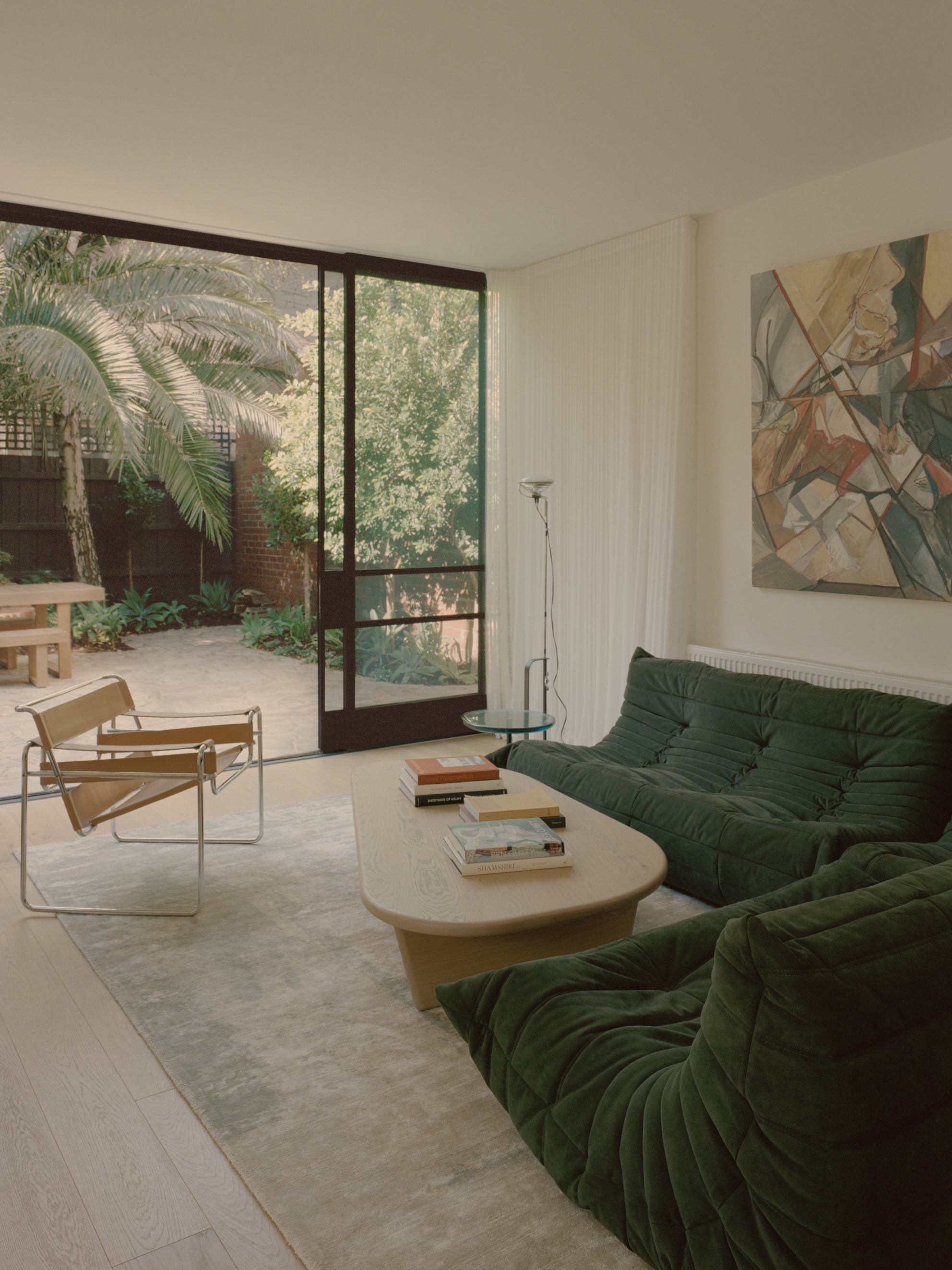
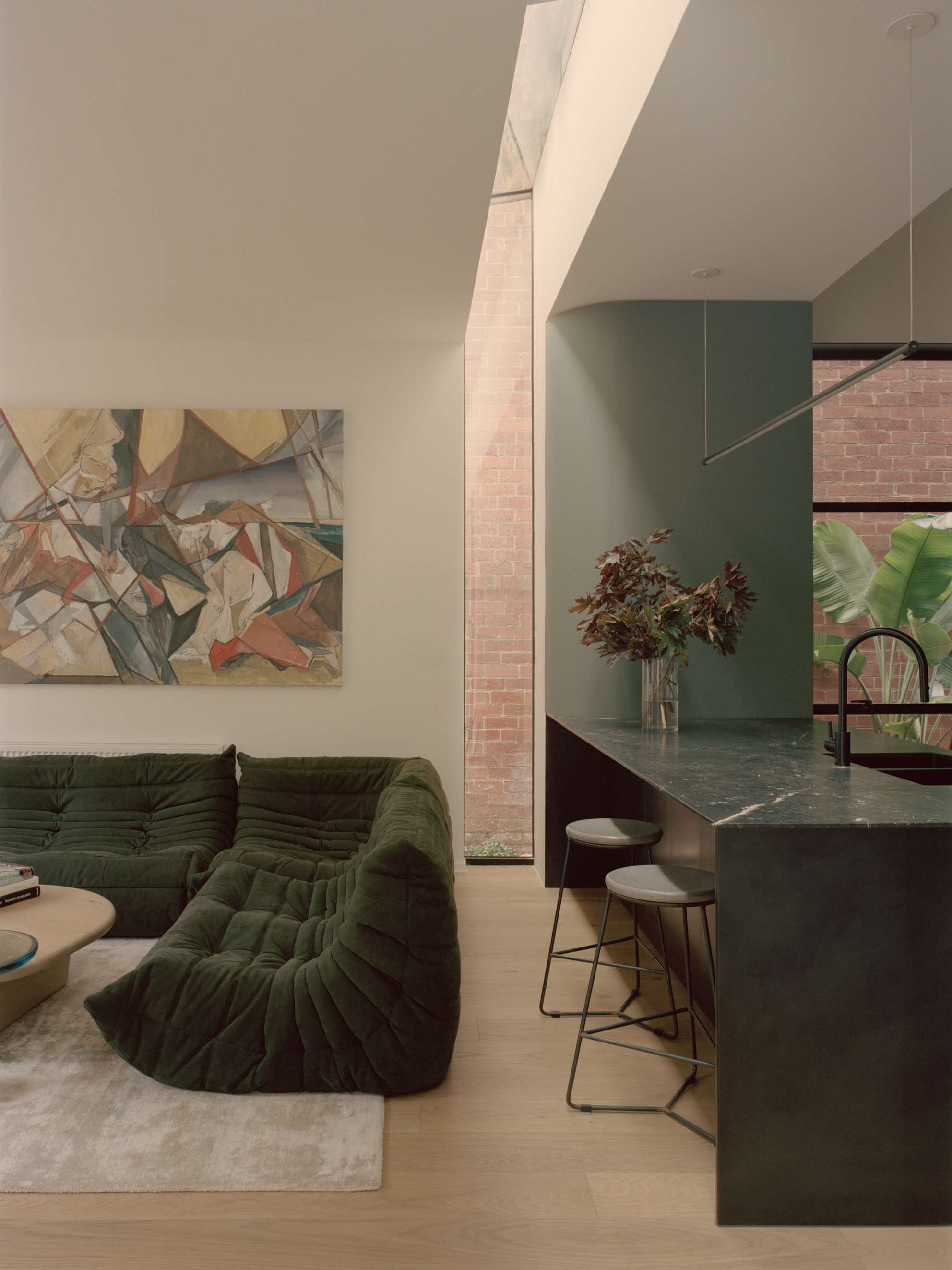
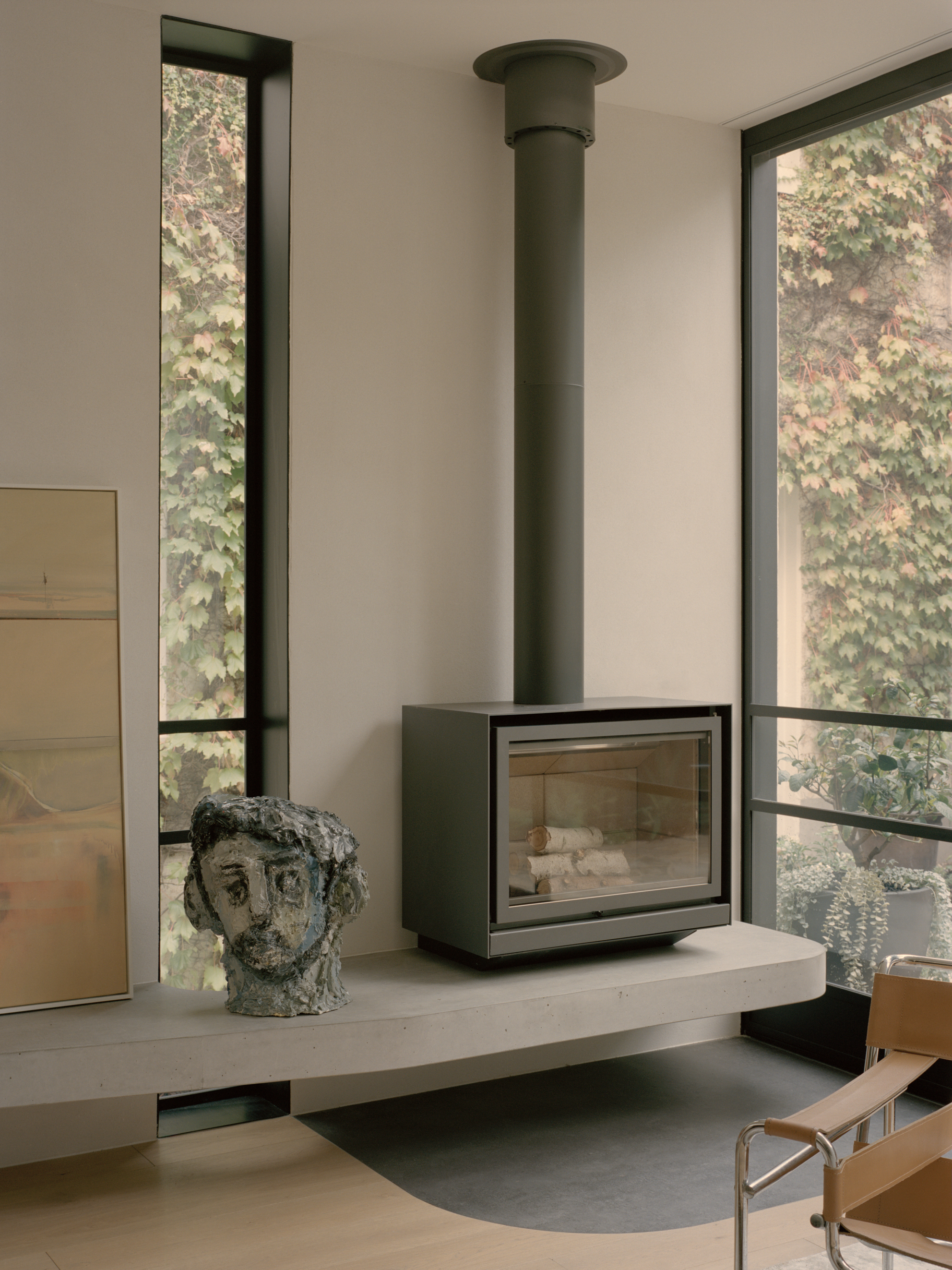
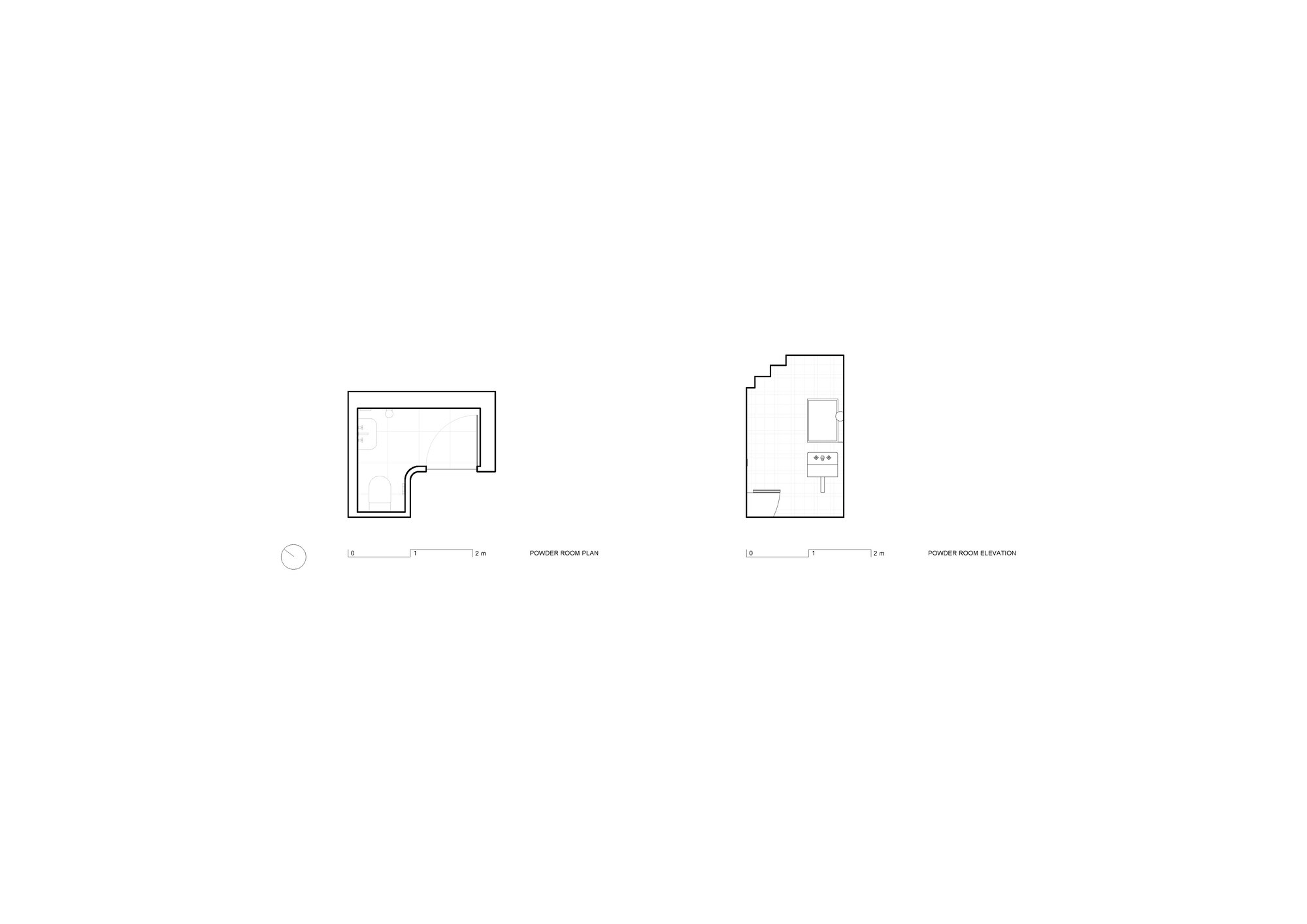
Previously owned by Victorian Architect Allan Powell; this building was known as the office of Powell & Glenn Architects. Our project brief was not to add amenities but rather to convert a former office into a family home.

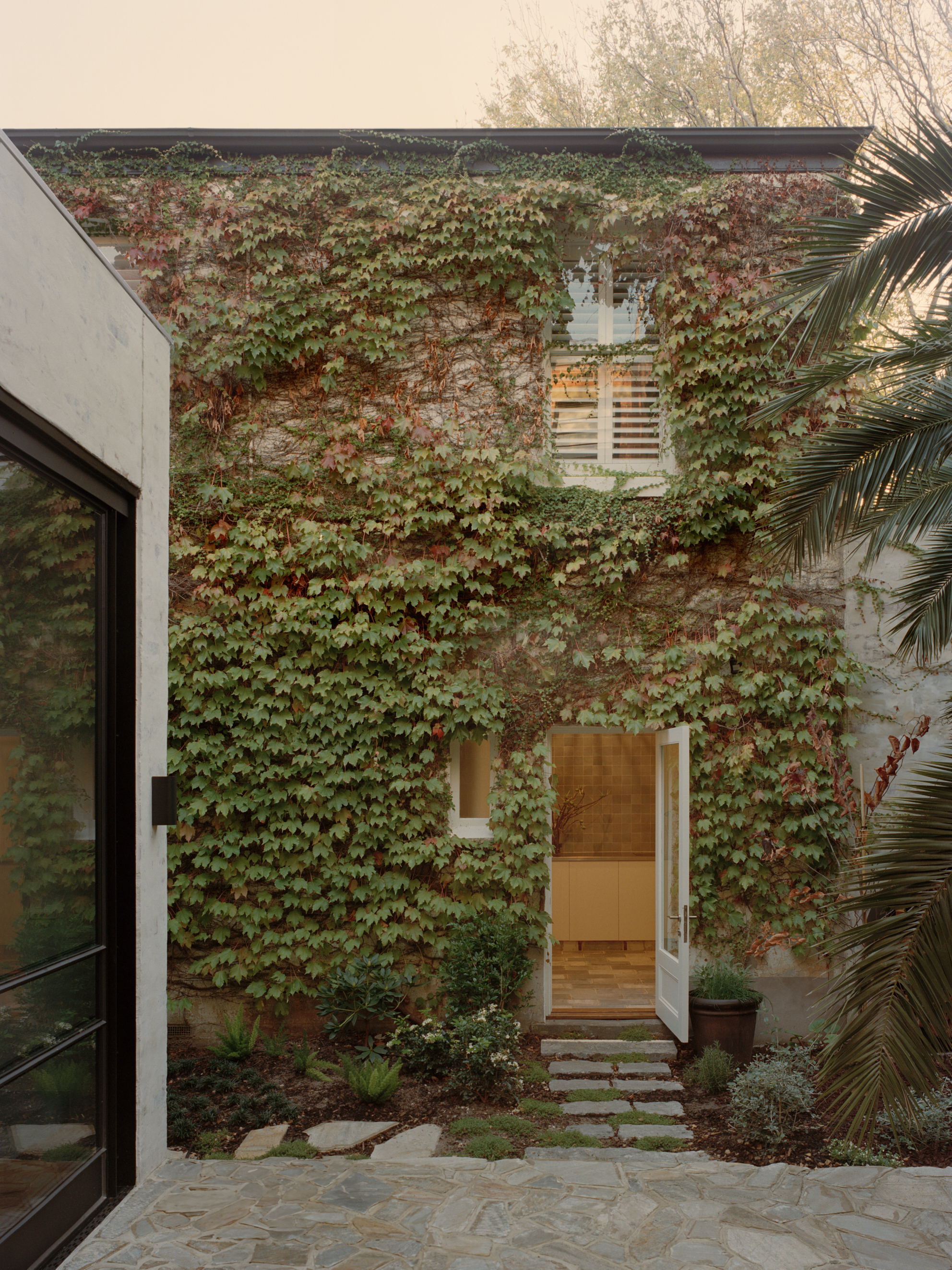
During construction, the existing roof revealed its problematic leaks, and the scope of the building works grew to include an entirely new slate roof, the refurbishment of both chimneys, and a re-rendering of the façade. All restoration works were done in accordance with Heritage Victoria guidelines and ensured the preservation of the significant building. The street frontage is particularly unique with Powell's 'Crigan House' to the left and the Valma, an art deco block of flats to the right. During construction, we became aware of the St Kilda Heritage walking tour, which occurs every Wednesday. The tour highlights these three properties and was another reminder of our project's historical significance.

We reused the bricks and predominately maintained the existing footprint whilst reinterpreting the non-original 'lean-to'. The living is arranged around a central garden which is experienced upon entry and throughout spaces within the house. As the old accepts the new, the new will become less prominent, and we envision the newly built walls will soon be covered in ivy. We hope that the house will be 'better' with age, 'better with the ivy.'

The link between the old and new is perhaps the most important element of the alterations. A combination of our client's appreciation of the ivy and the design challenge of a south-facing backyard brewed the glass link. We envisioned our clients, perched at the island reading the paper with the light from above. On reflection it's difficult to imagine the project without this link and without the light - the feeling would be completely different.

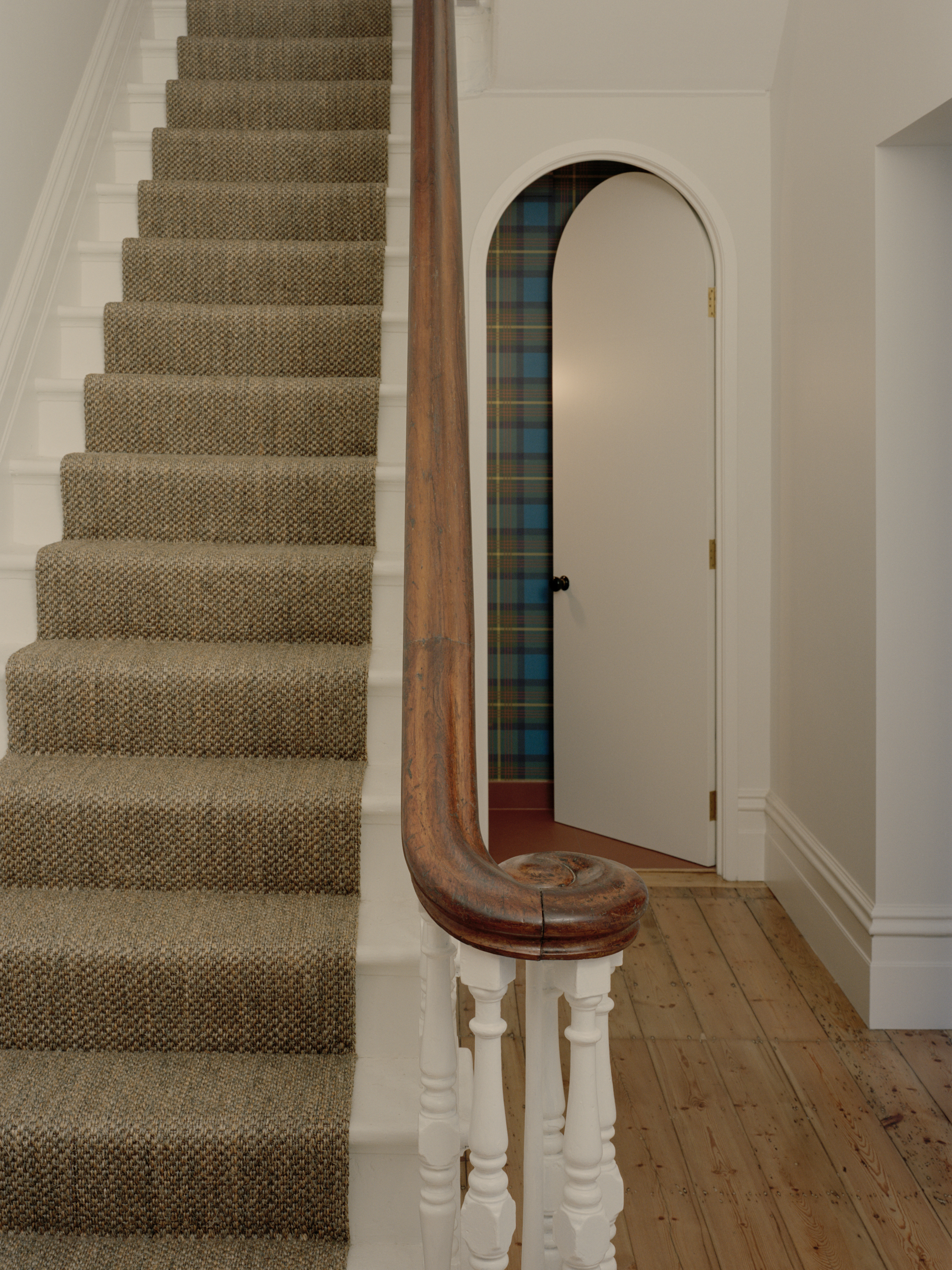
Throughout the house are elements of surprise. The kitchen internals are lined in an unexpected orange and with the same brush, a ladder offers access to overhead storage. The 'Harry Potter' cloakroom consists of design elements never to be seen together. Scottish tartan represents our clients, CLAN, the mirror is also sourced from our client's hometown. Our clients' selections are what makes this project unique, it's the quirks in the house and it's the personality in the architecture.

Love this 💜💚

InnoValley

#architecture

Architects: DRAFT, TAISEI DESIGN Planners Architects & Engineers

Area: 10397 m²

Year: 2024

Photographs: Kotaro Imada

City: Ranzan

Country: Japan

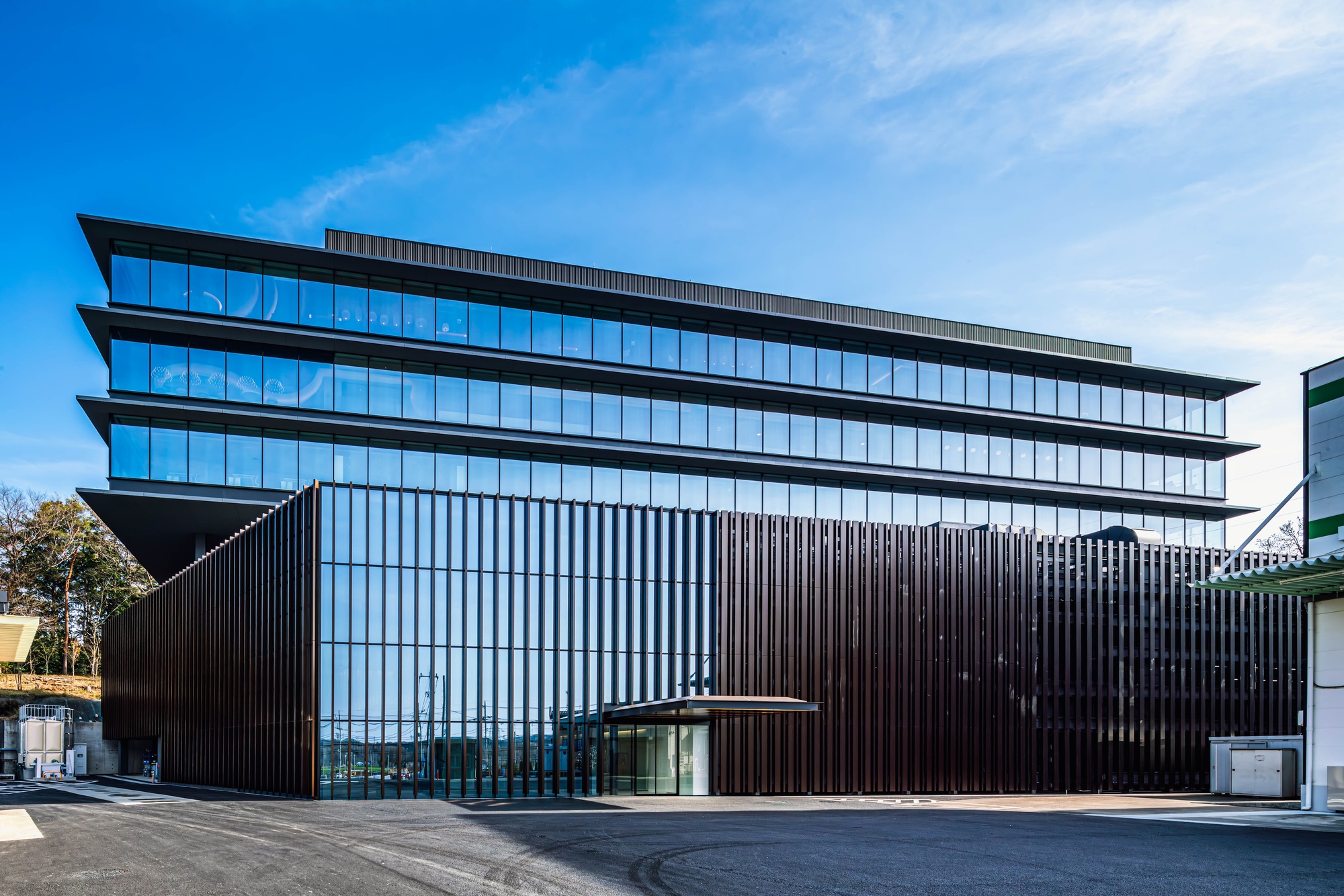
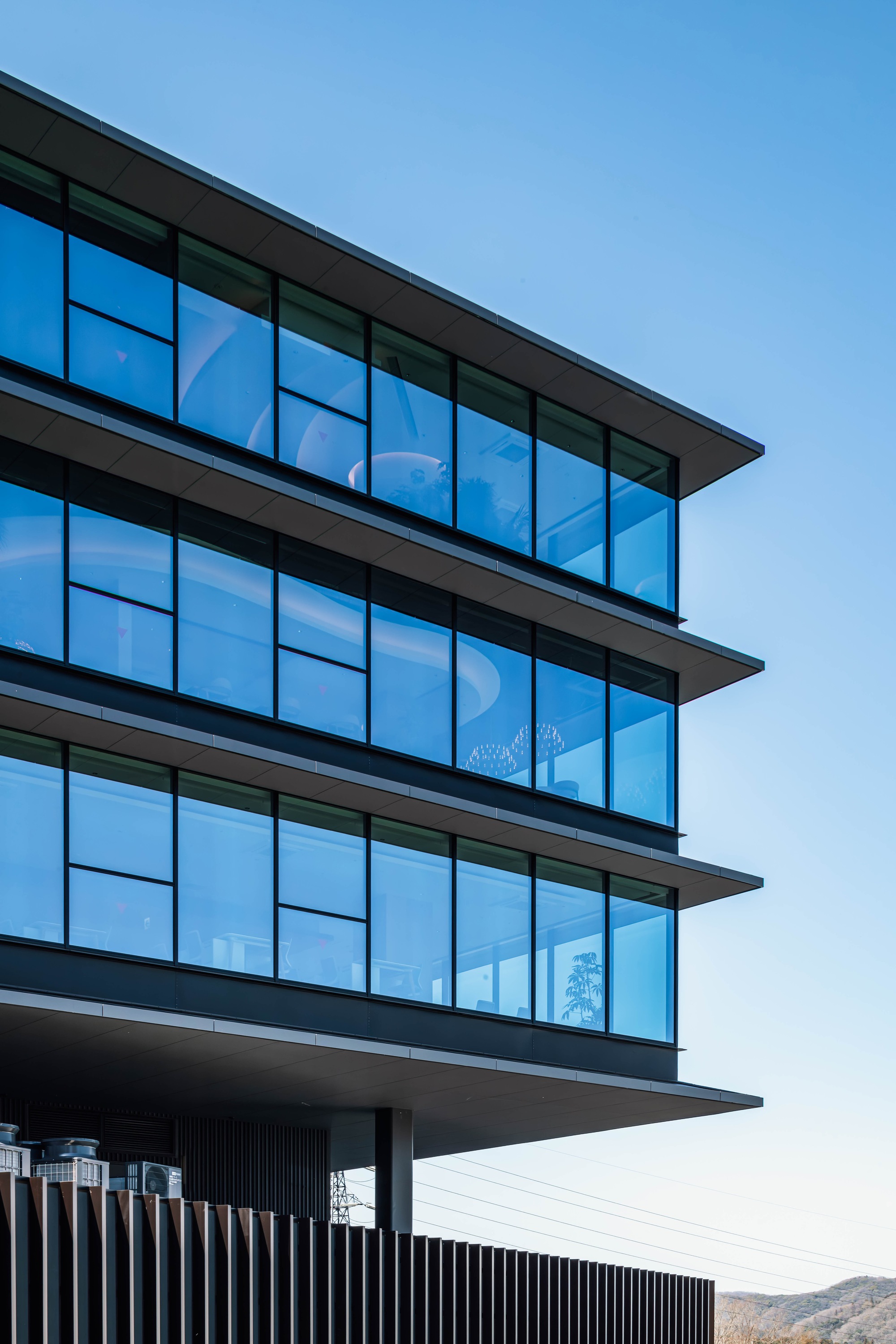
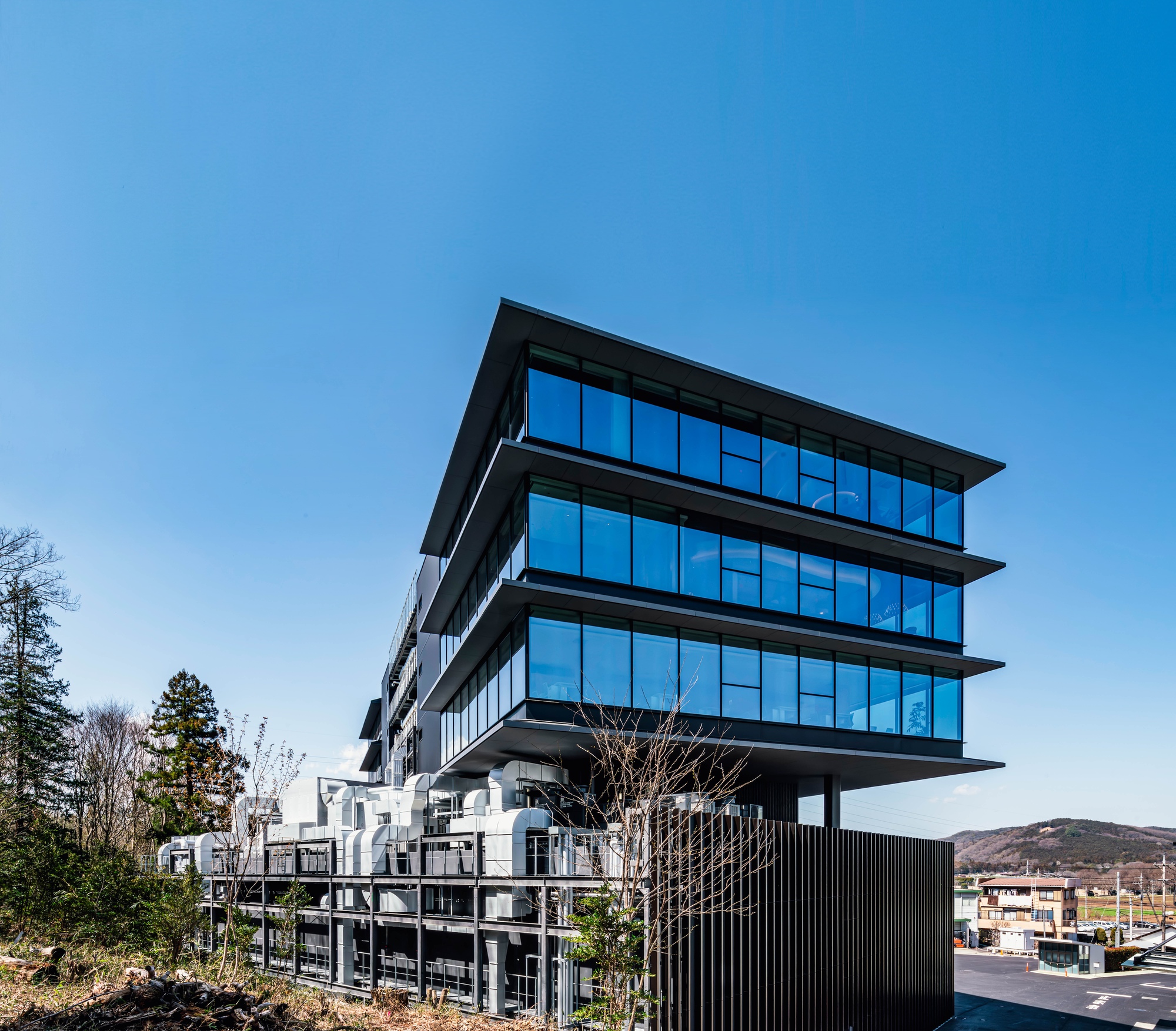
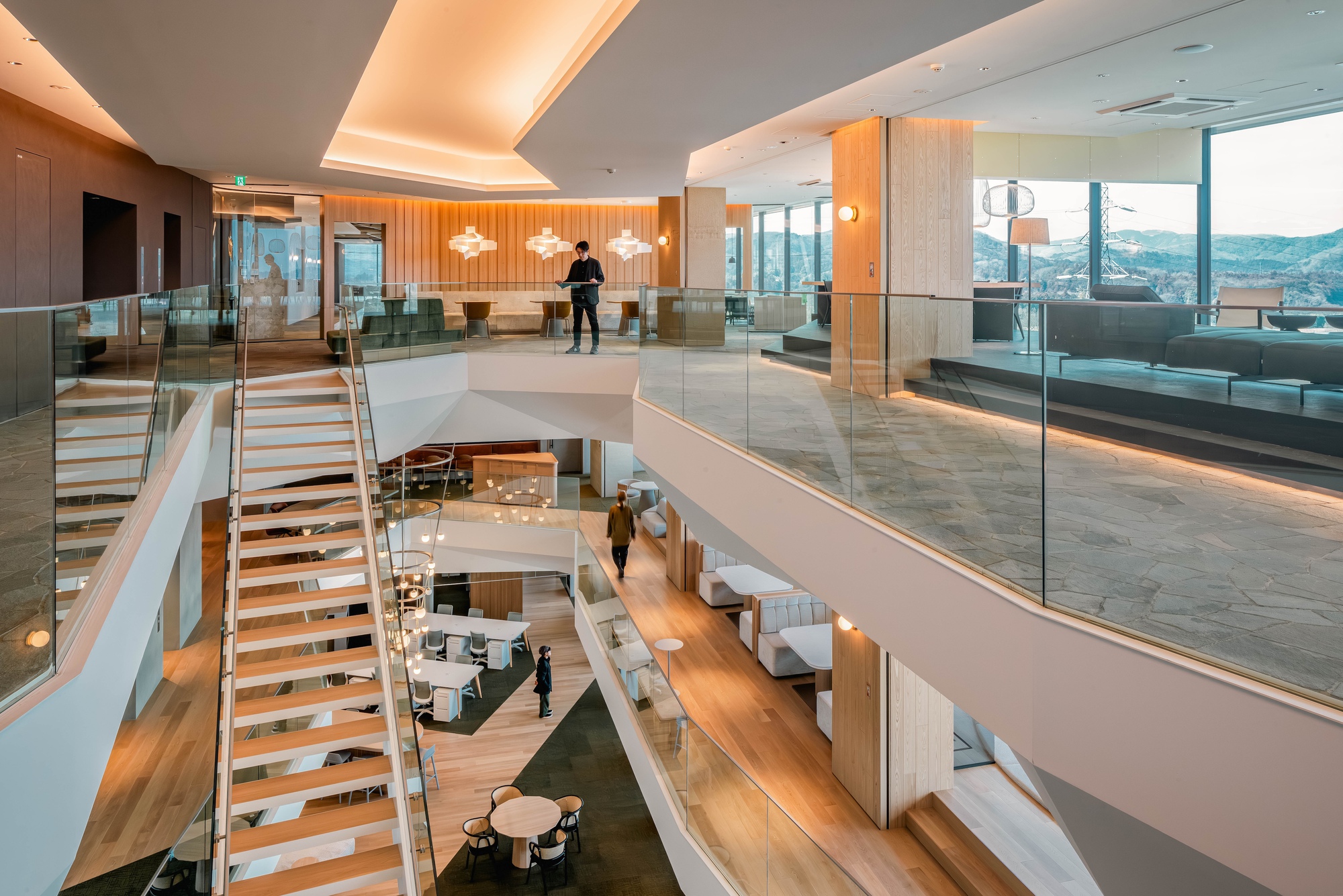
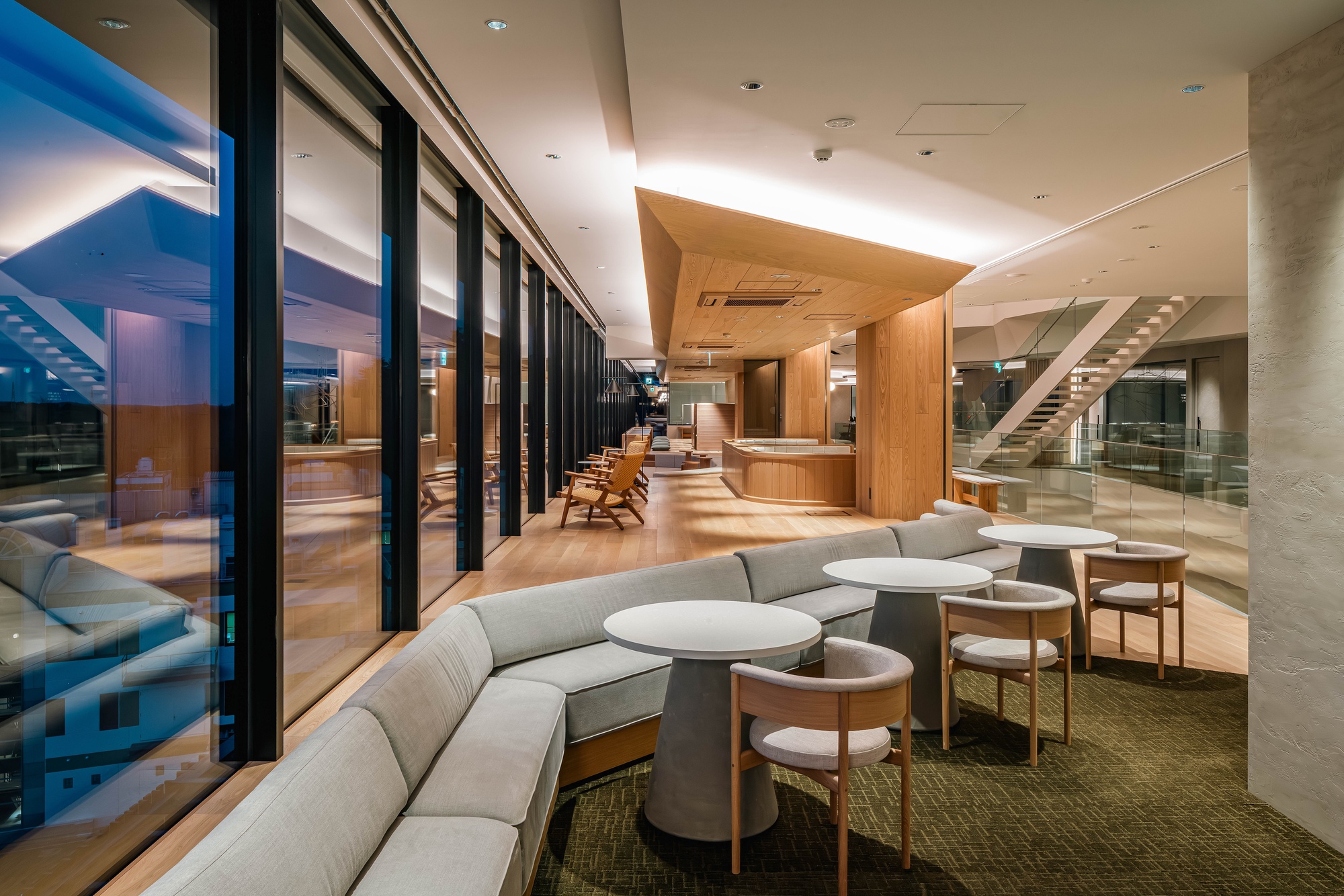
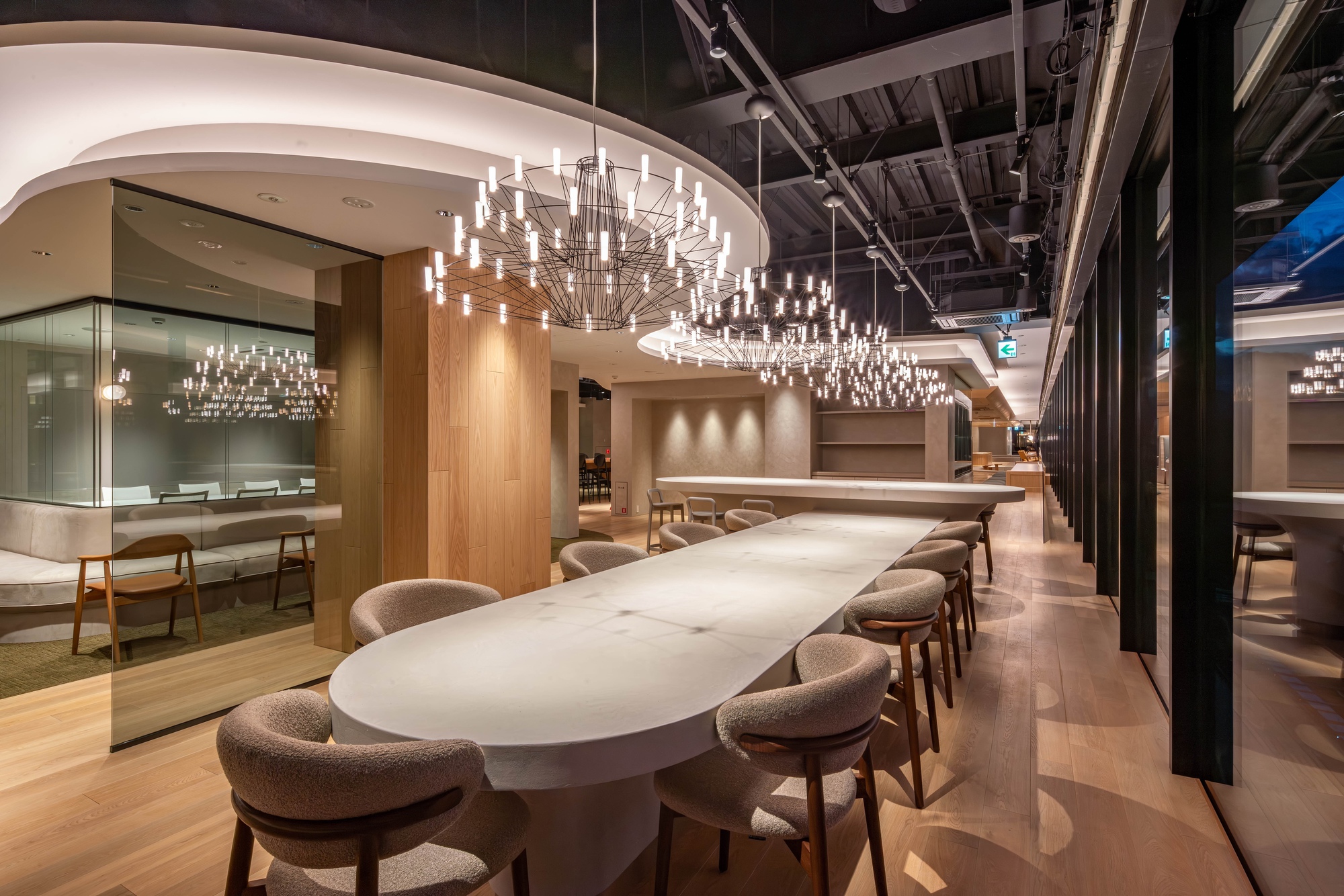
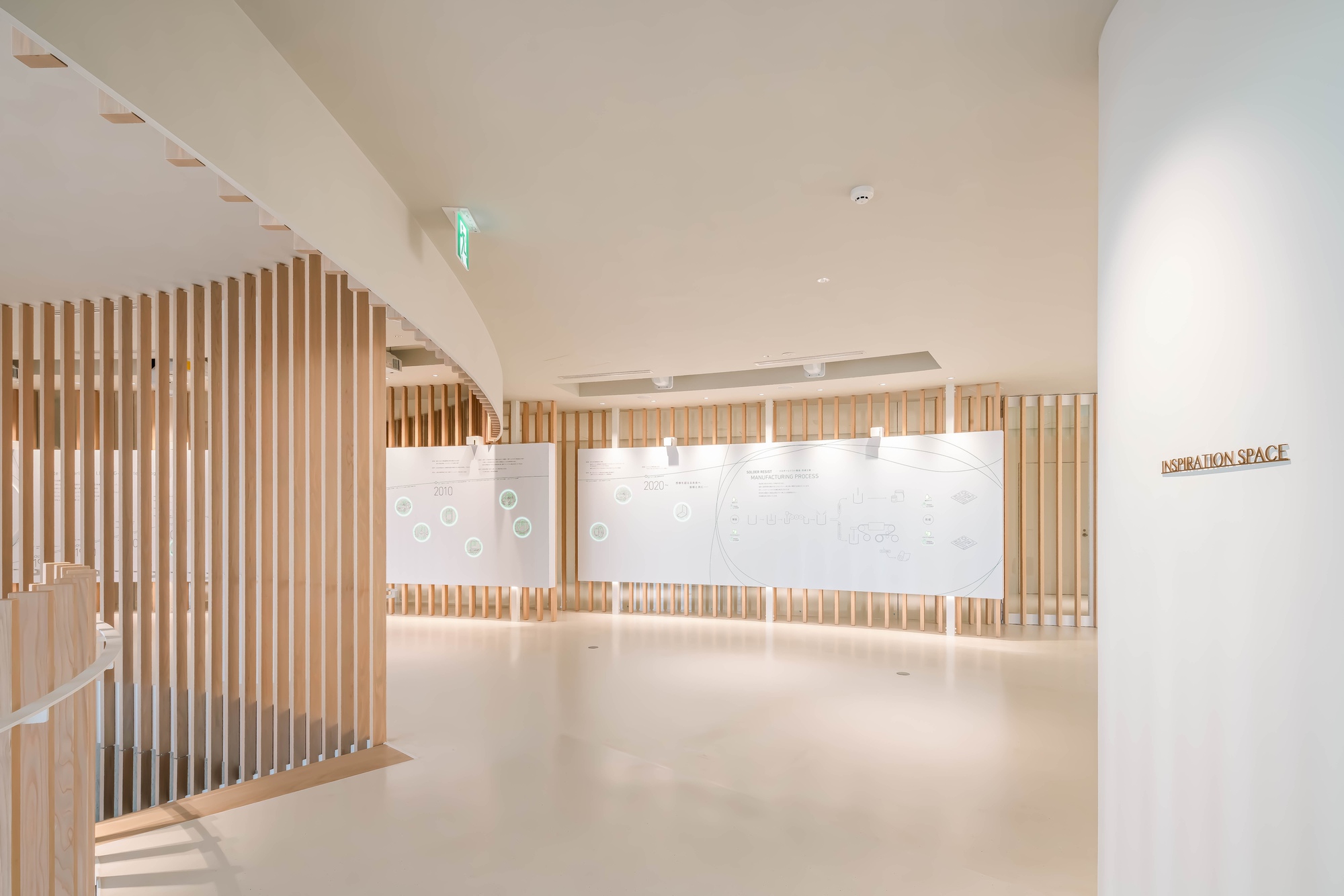
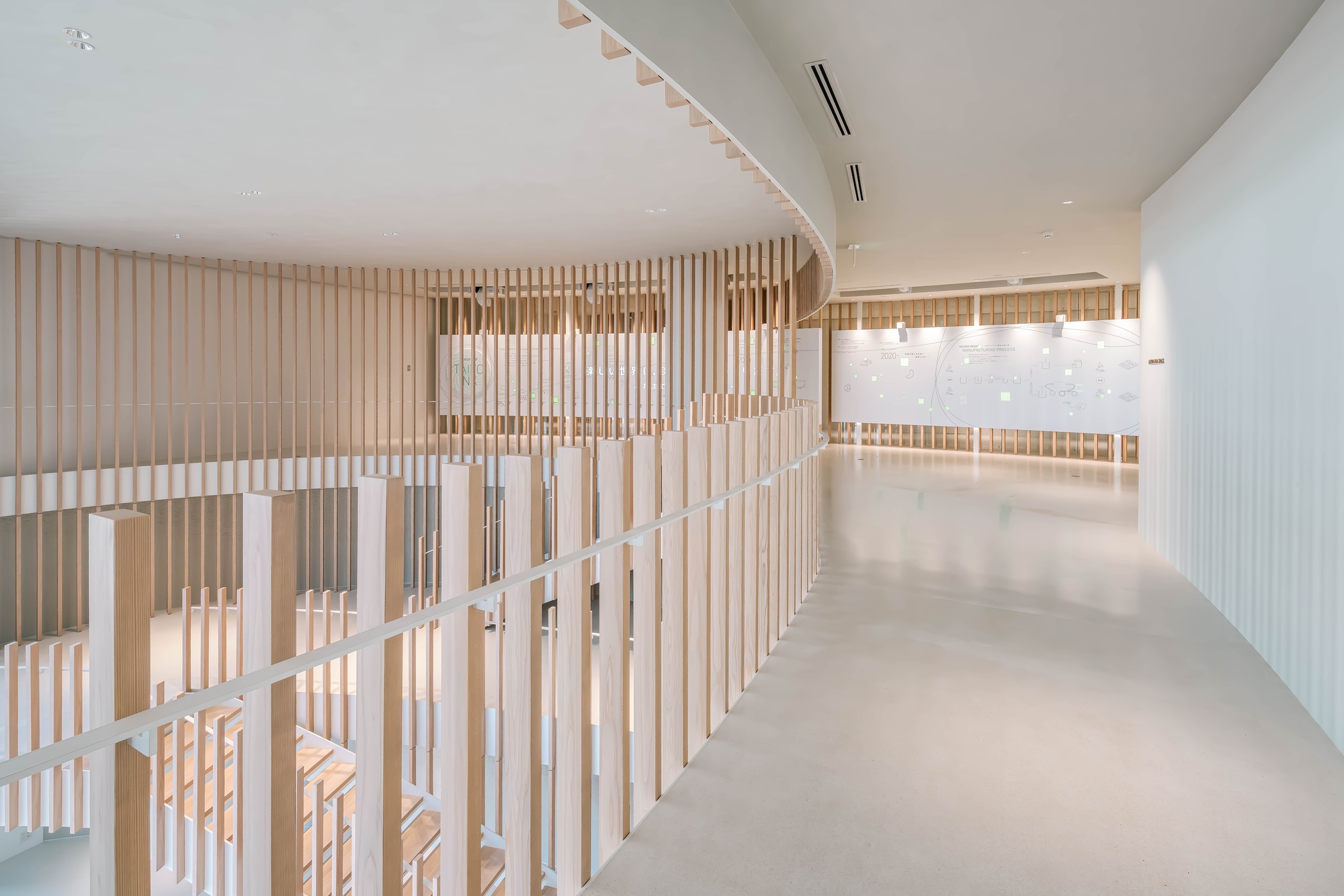
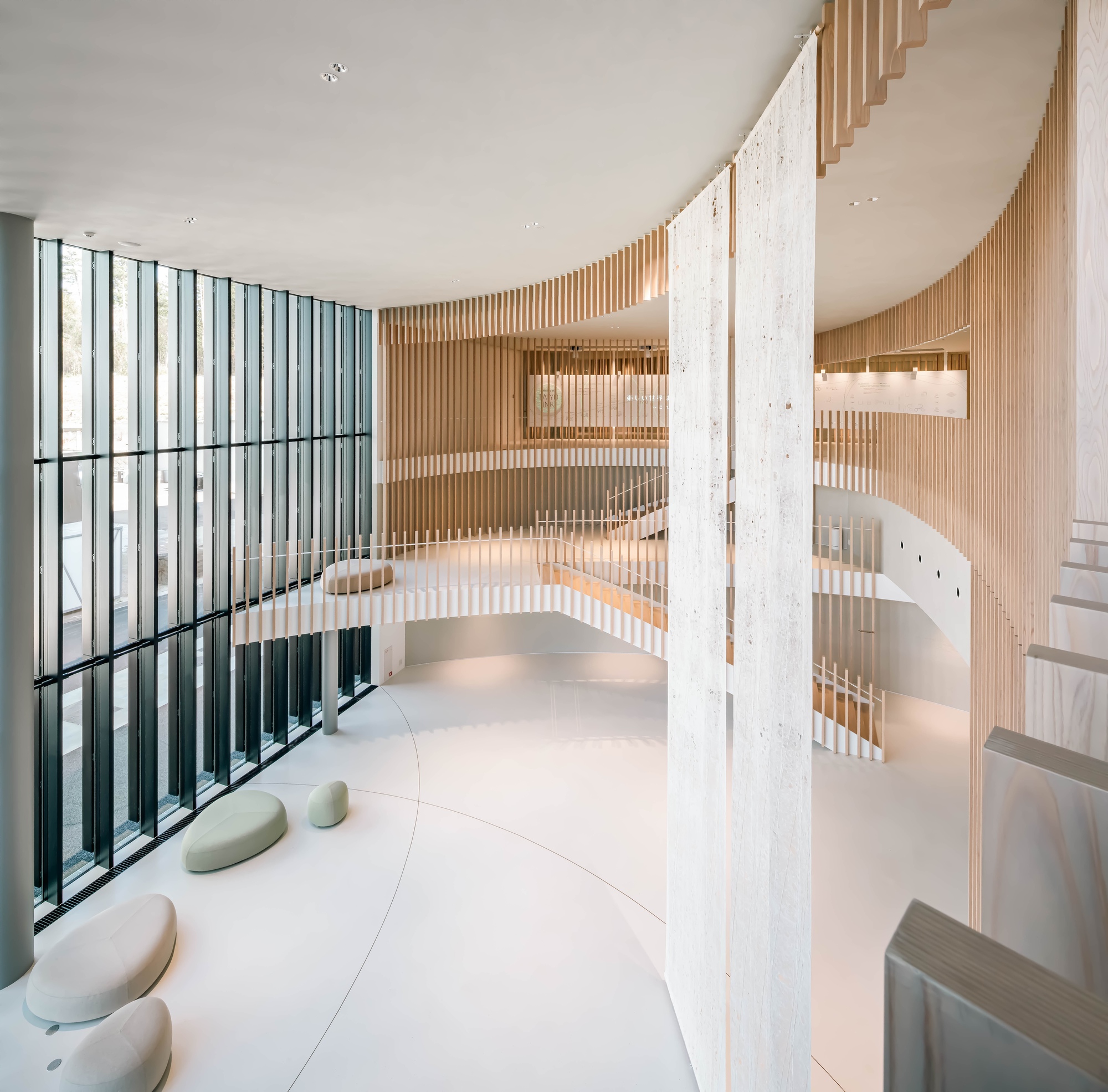
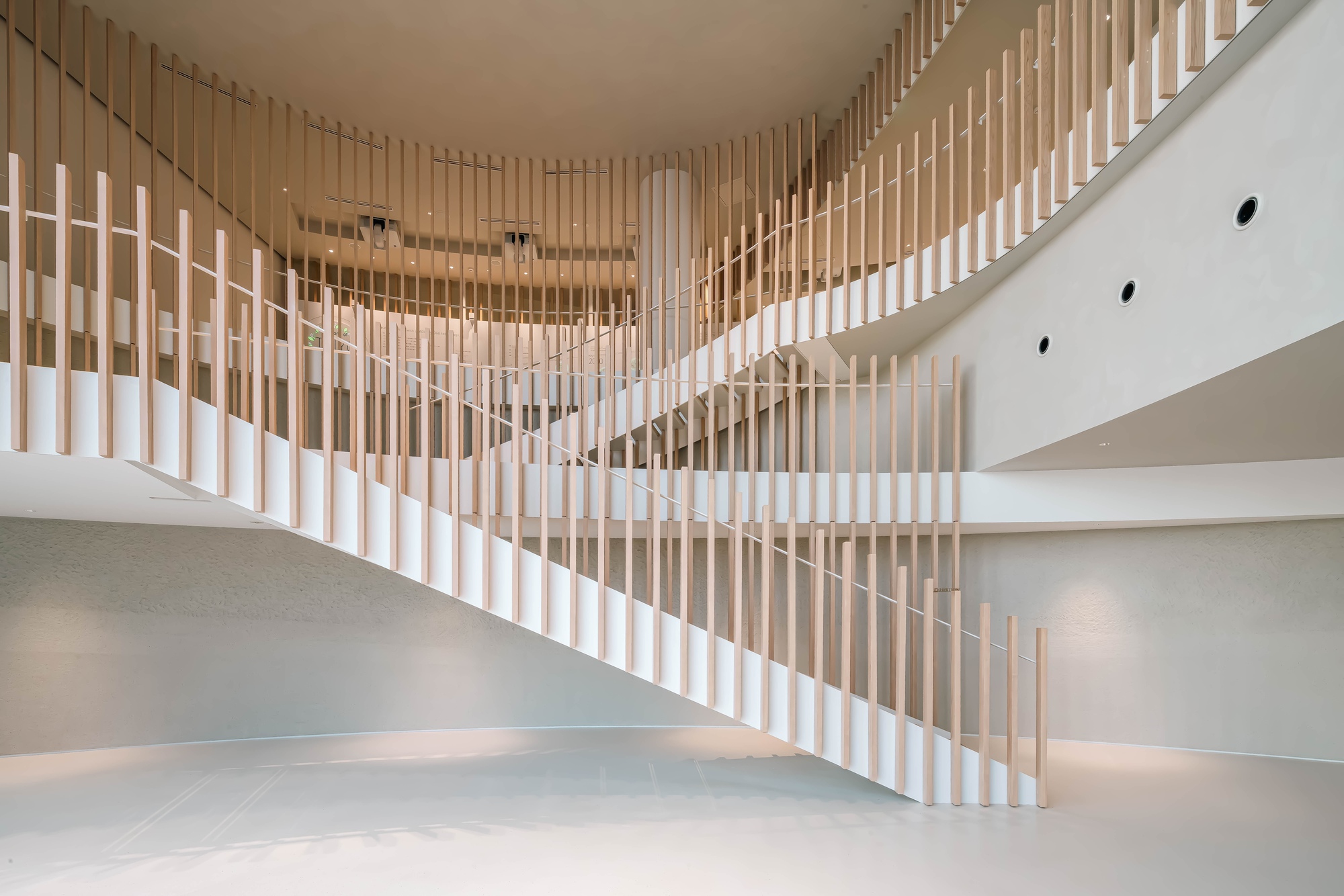
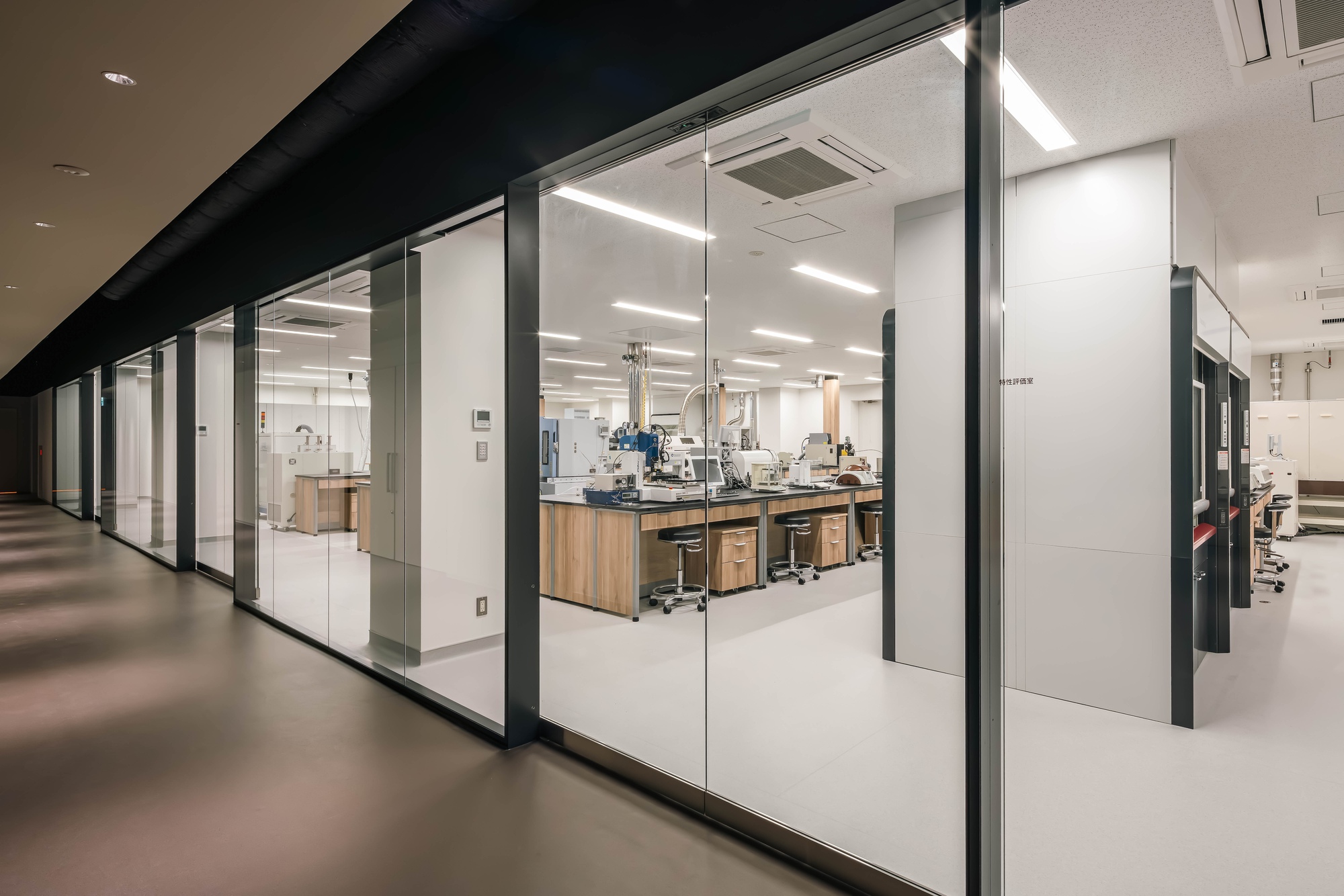
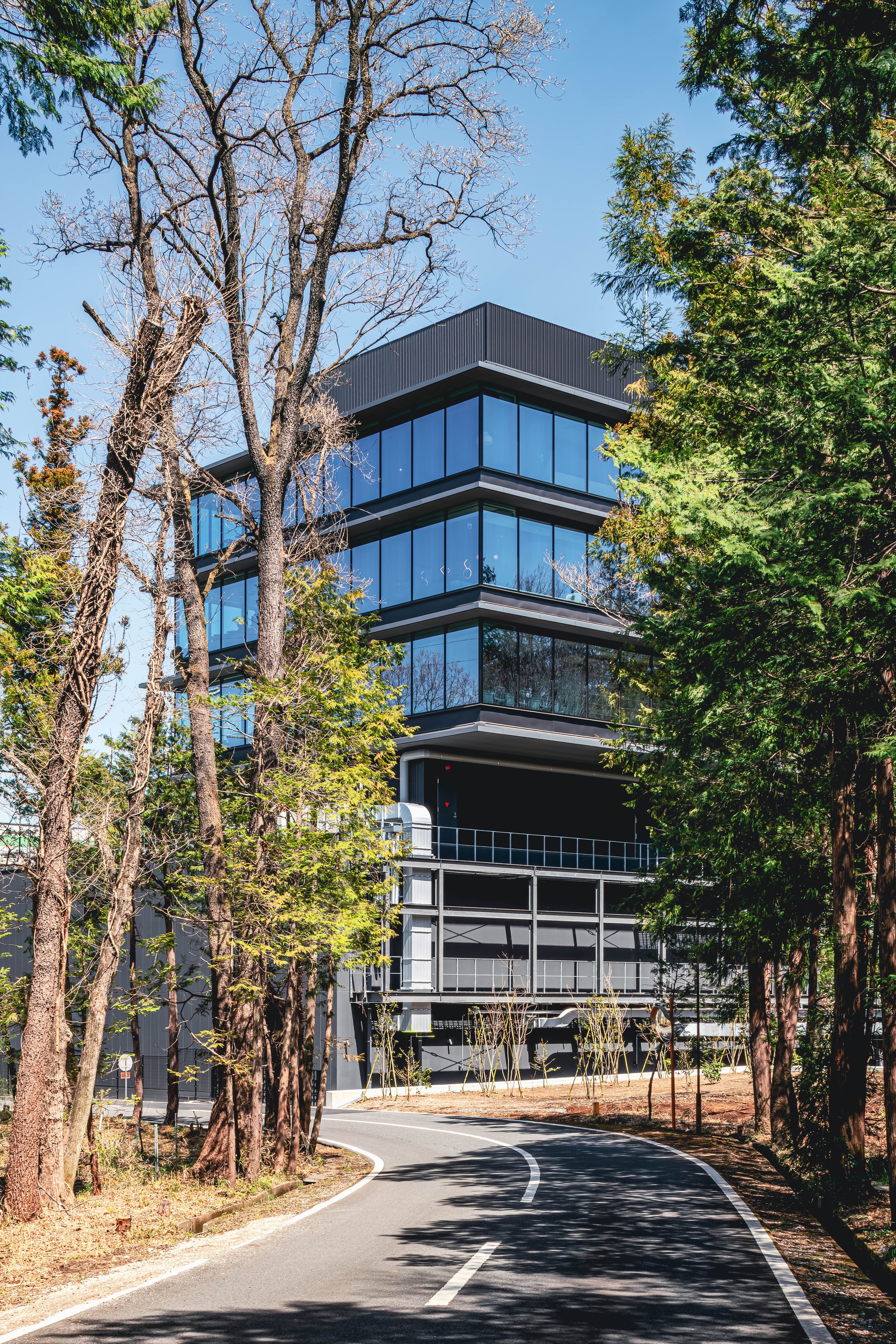
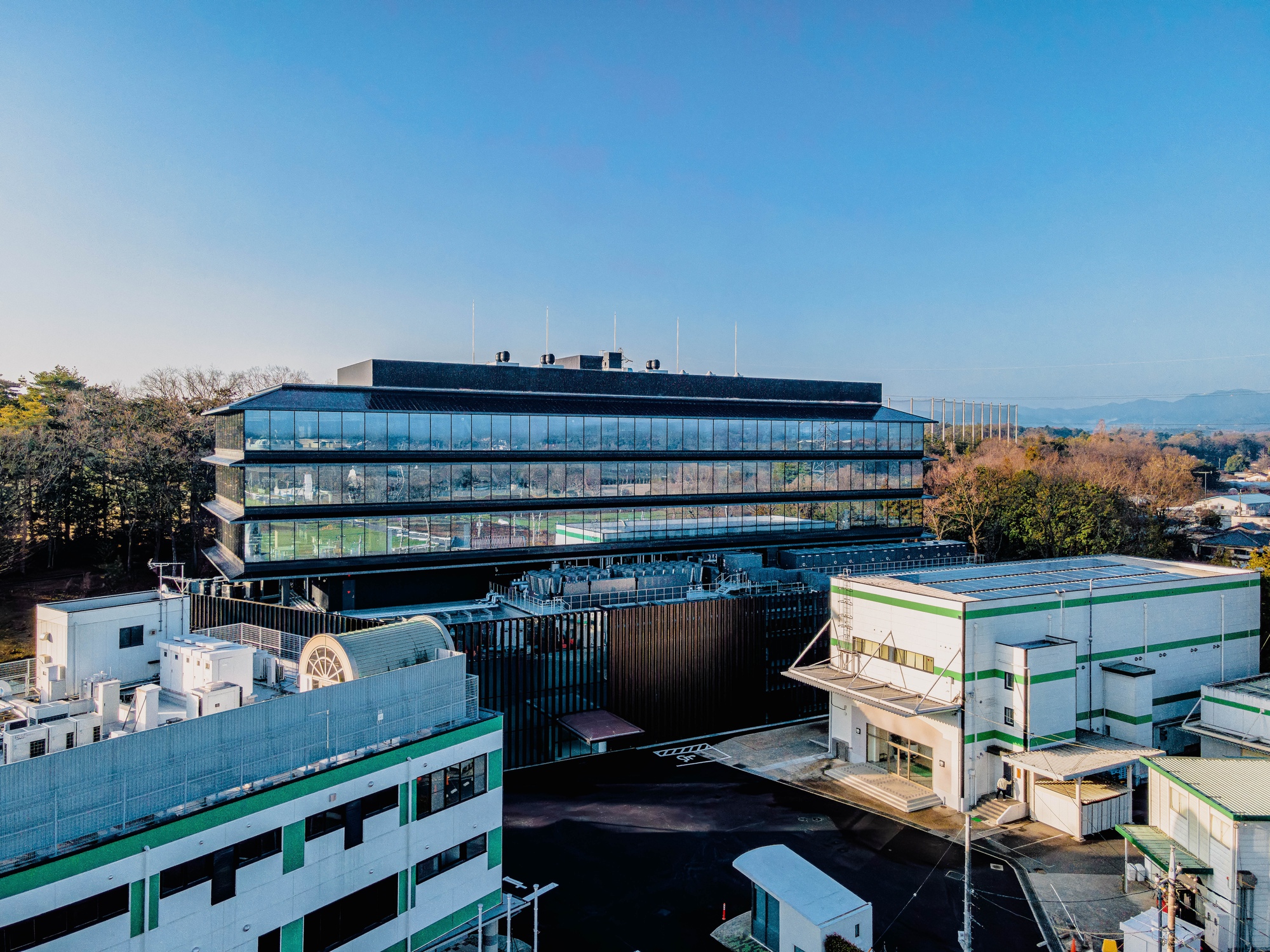
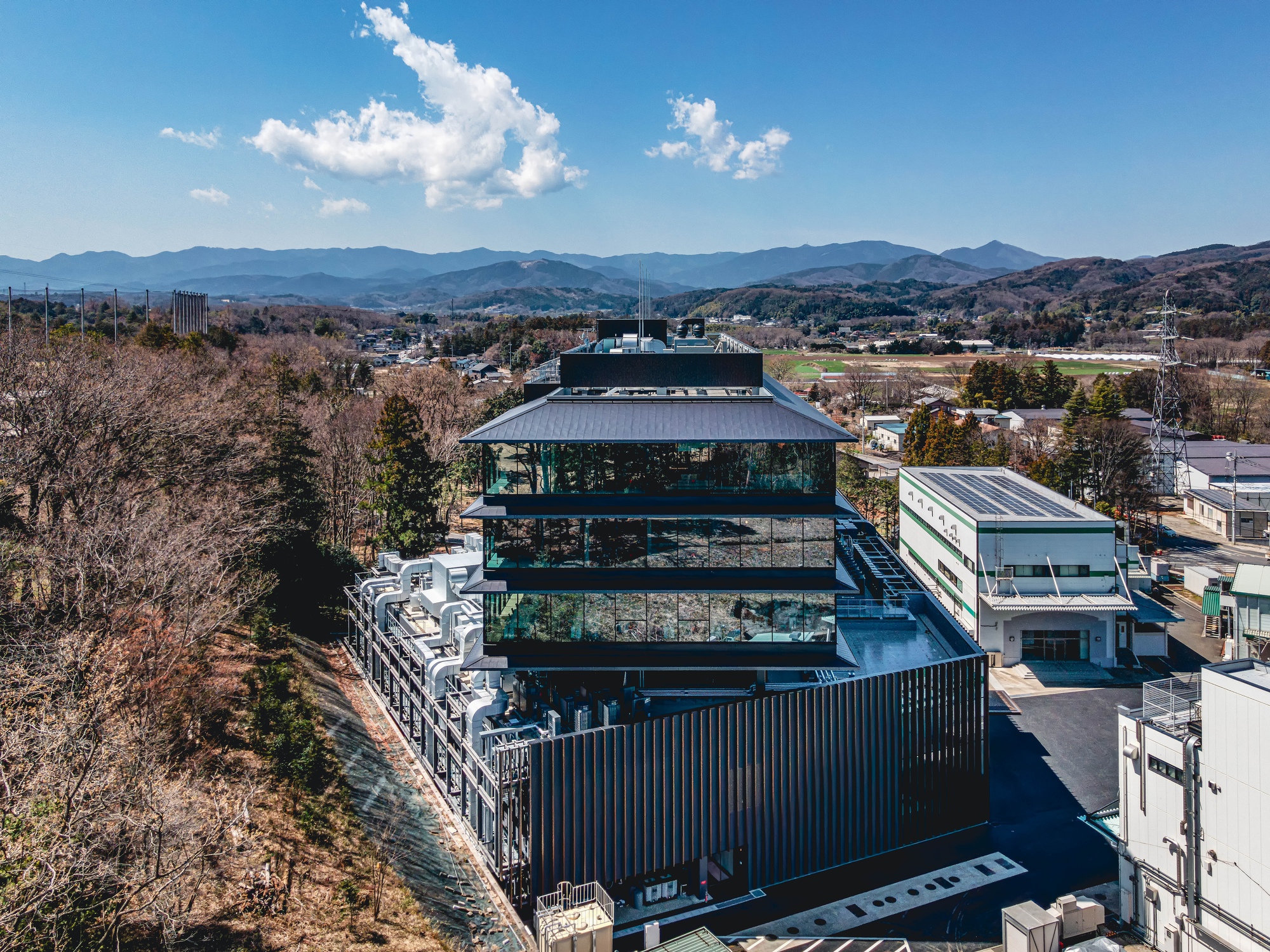
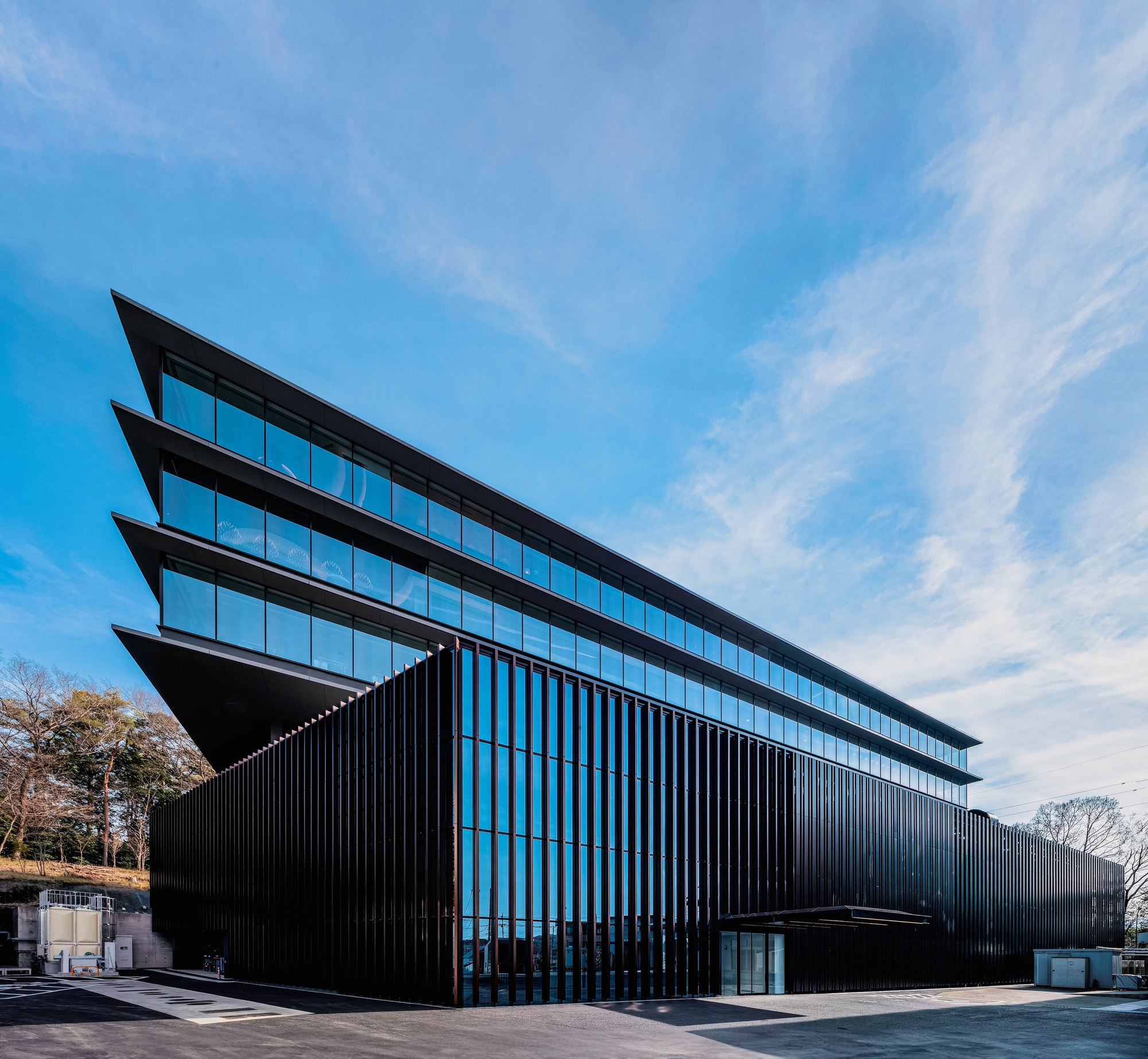
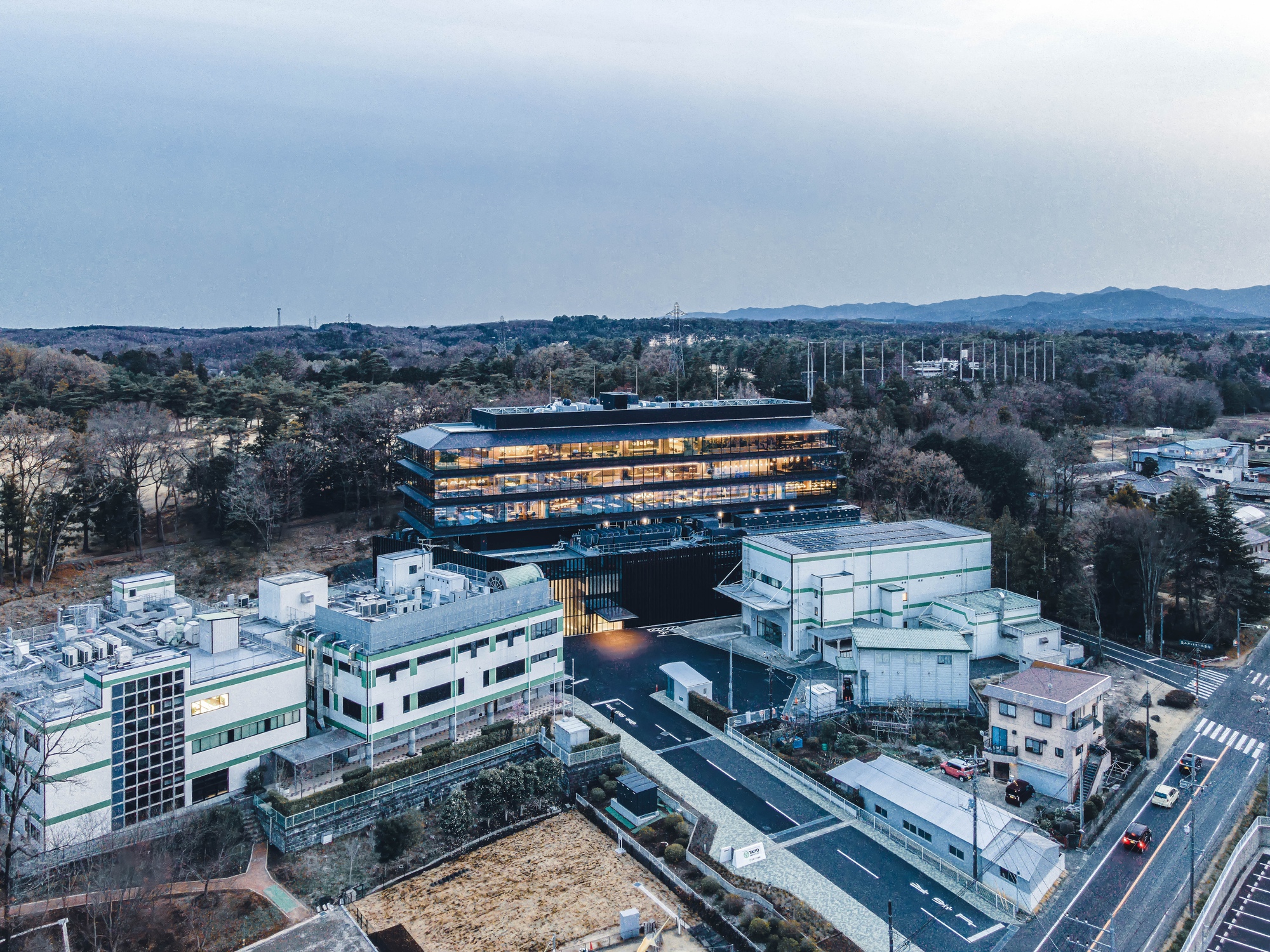
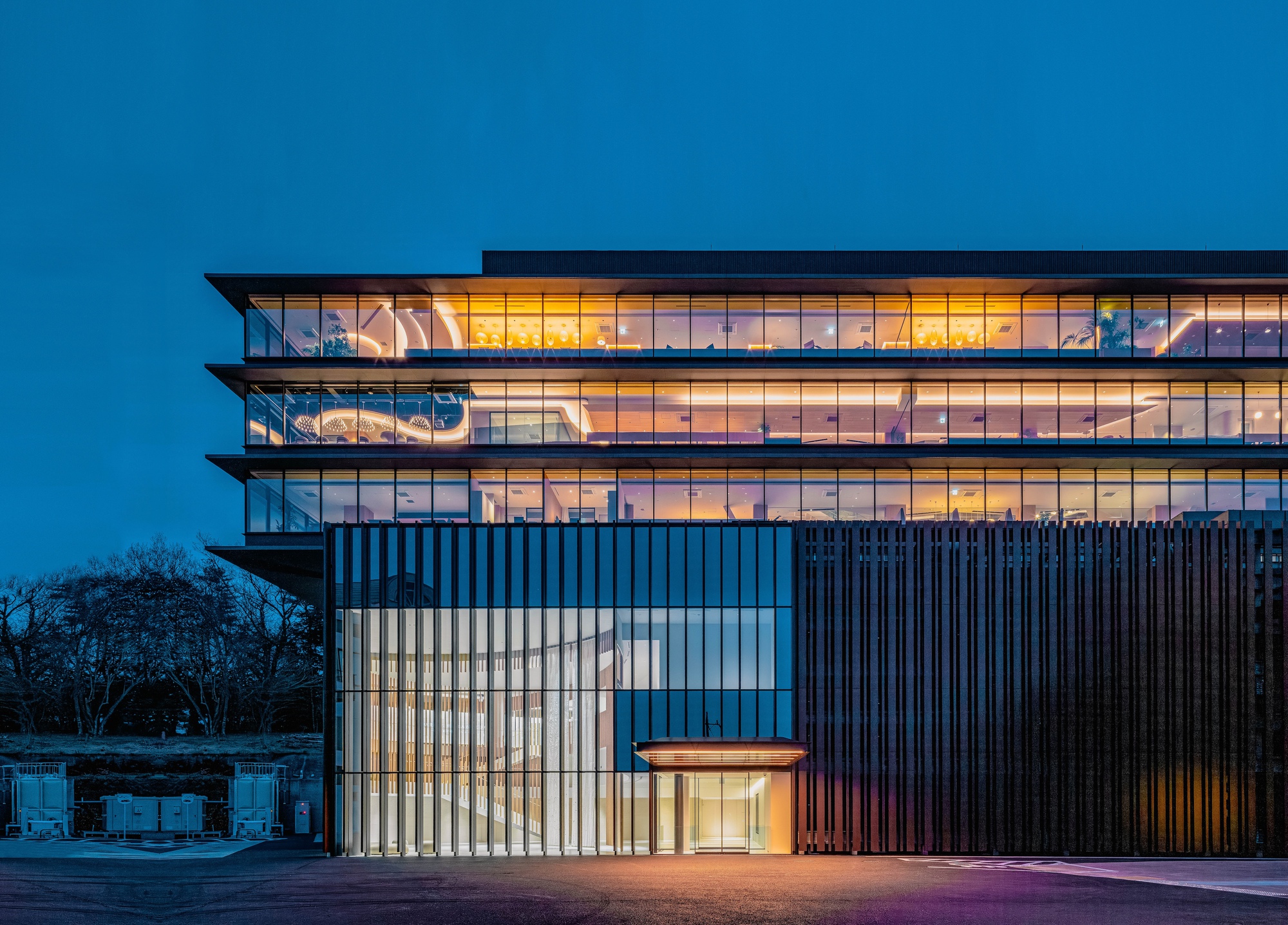
A new research and development center of a chemical manufacturer has been built on a nature-rich site with views of the Chichibu Mountains. An unprecedented type of technology development center was required to respond to the need for faster product development in the rapidly changing field of electronics and to secure a stable and capable workforce amid a declining birthrate.

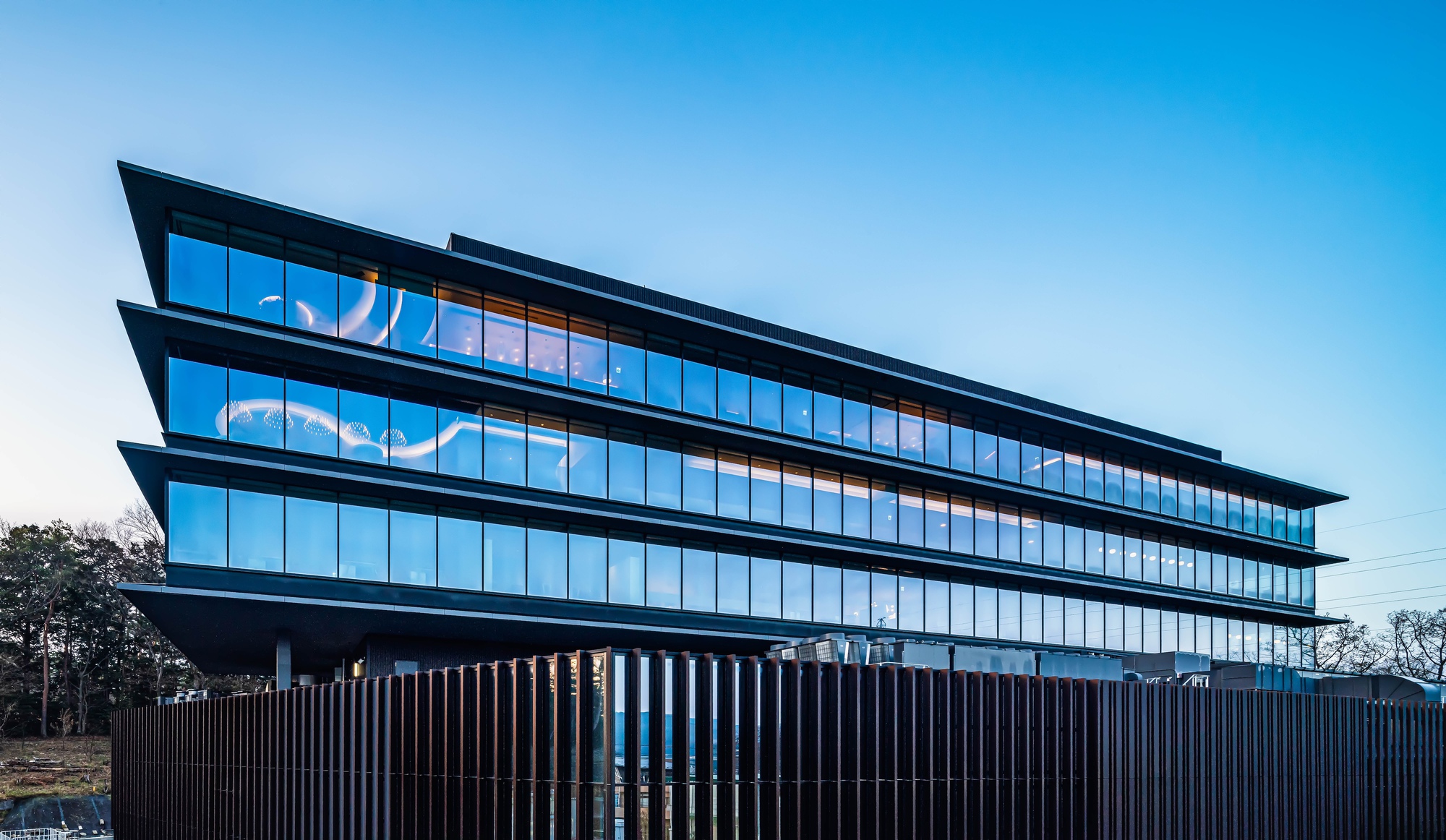
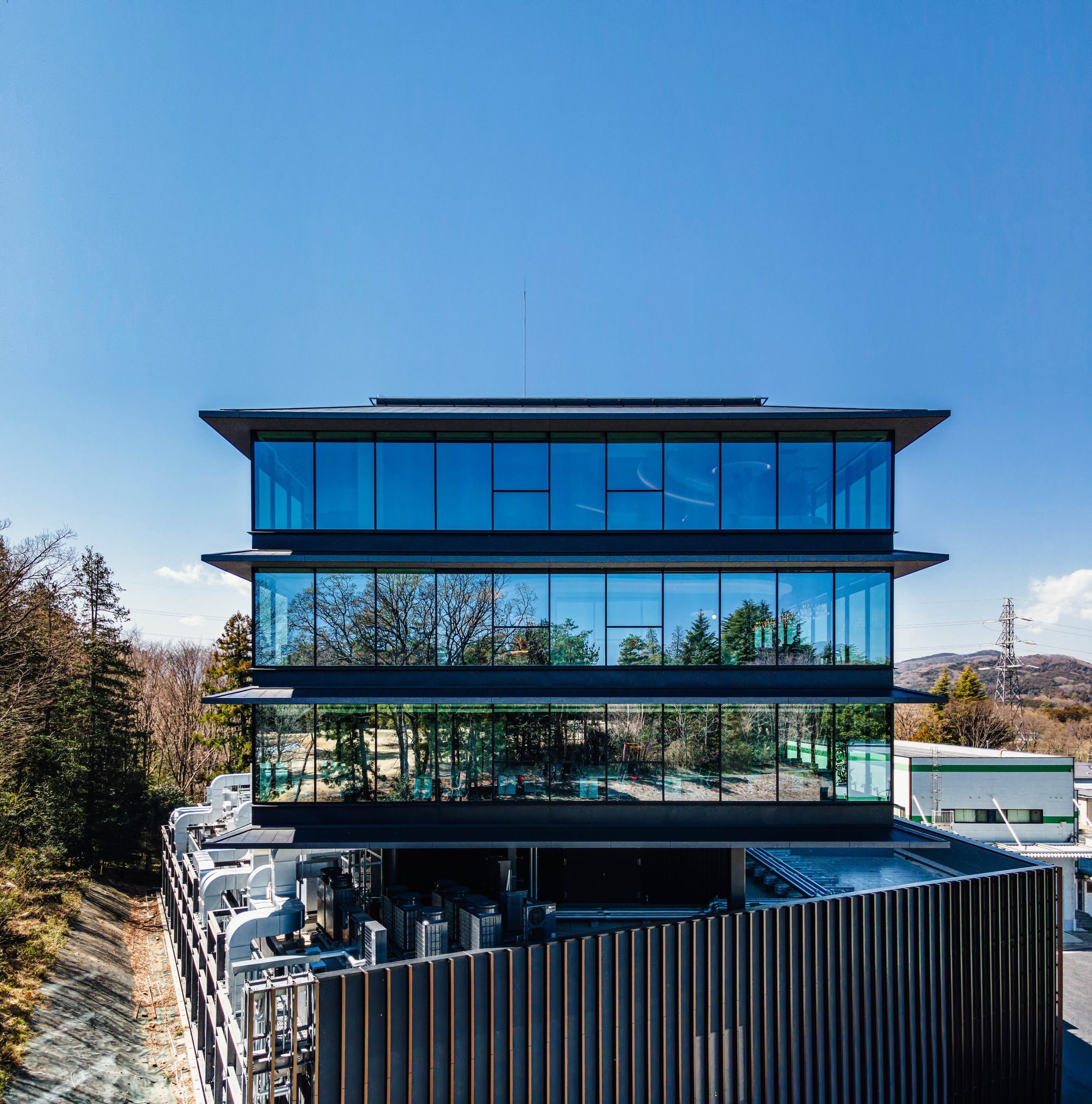
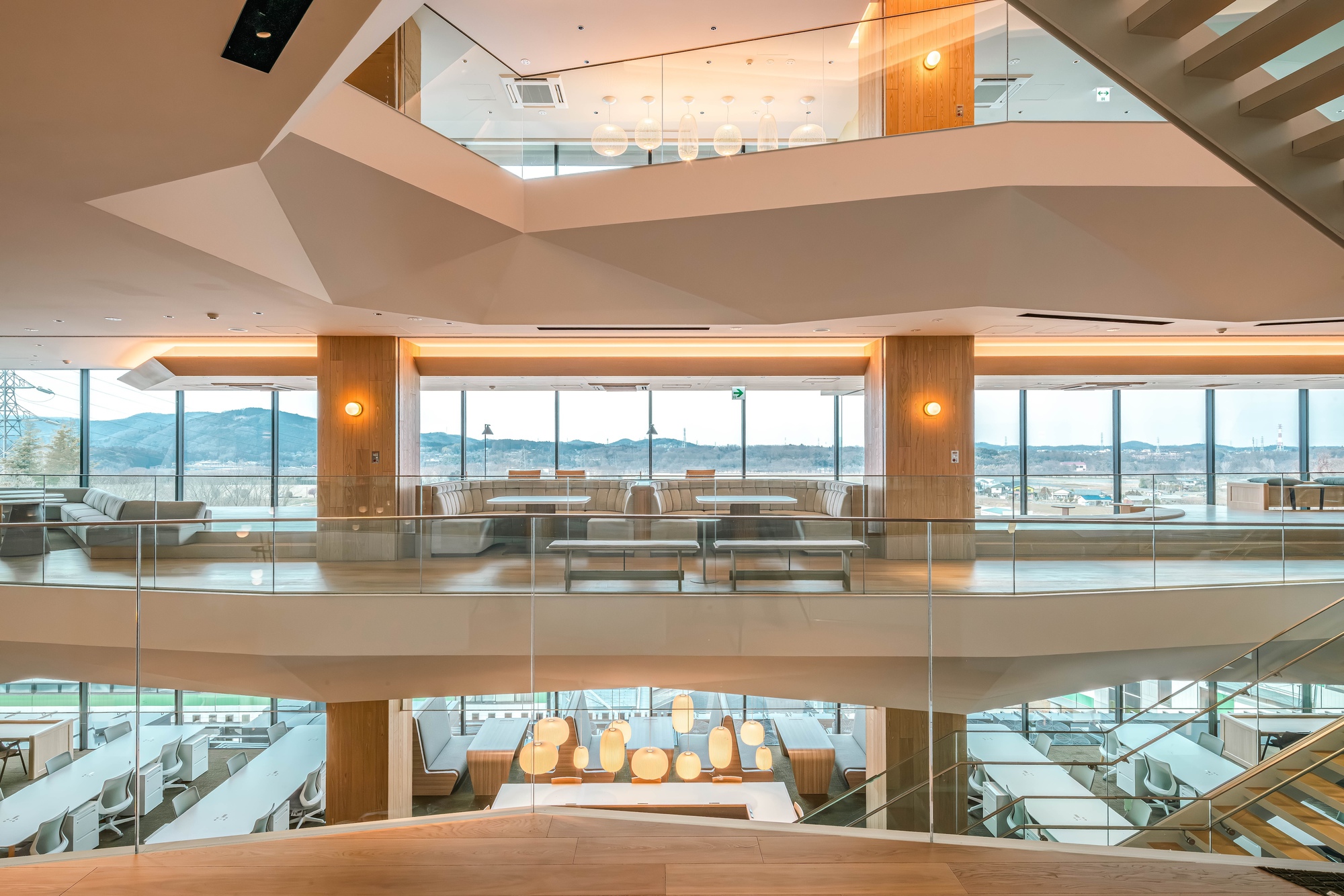
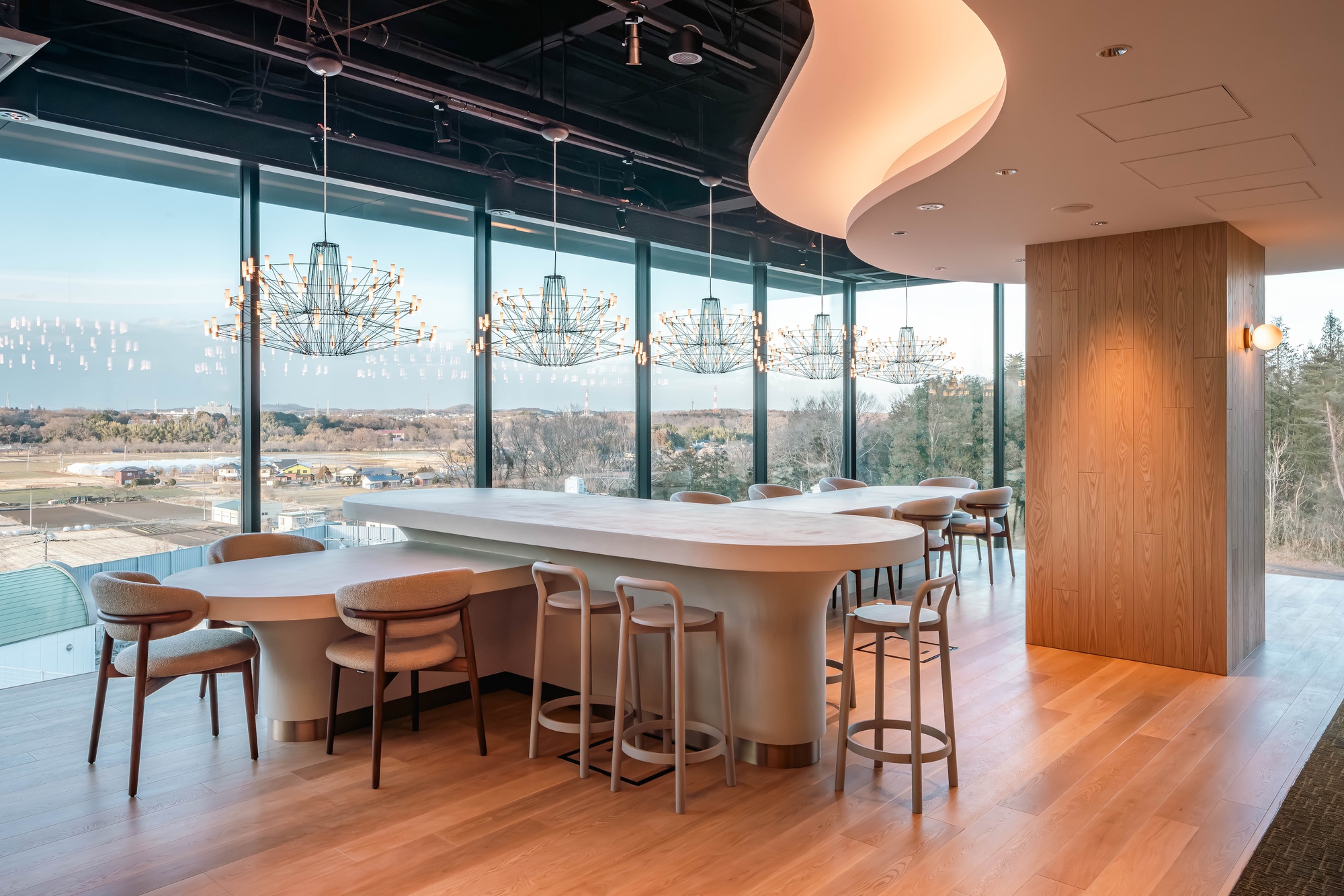
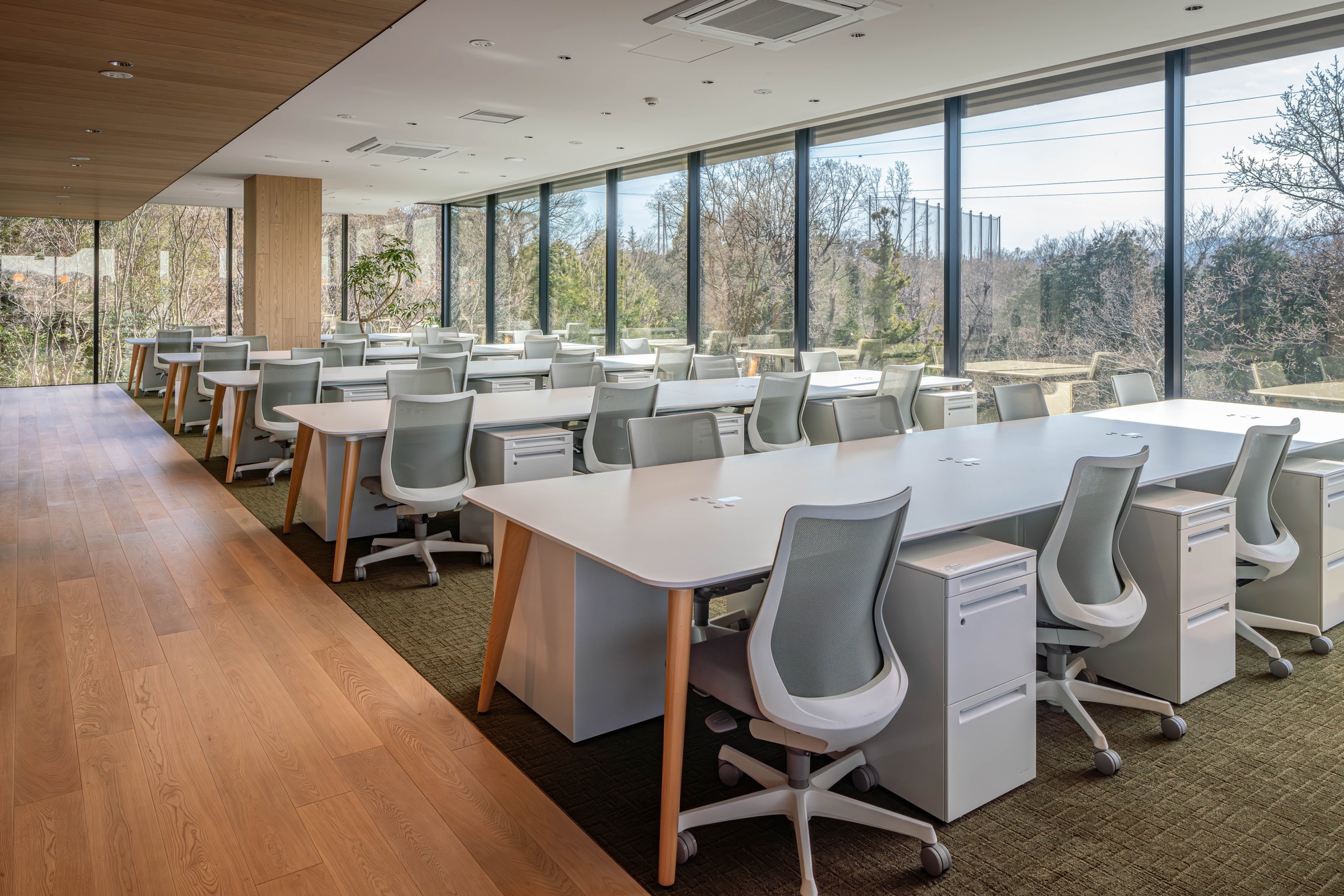
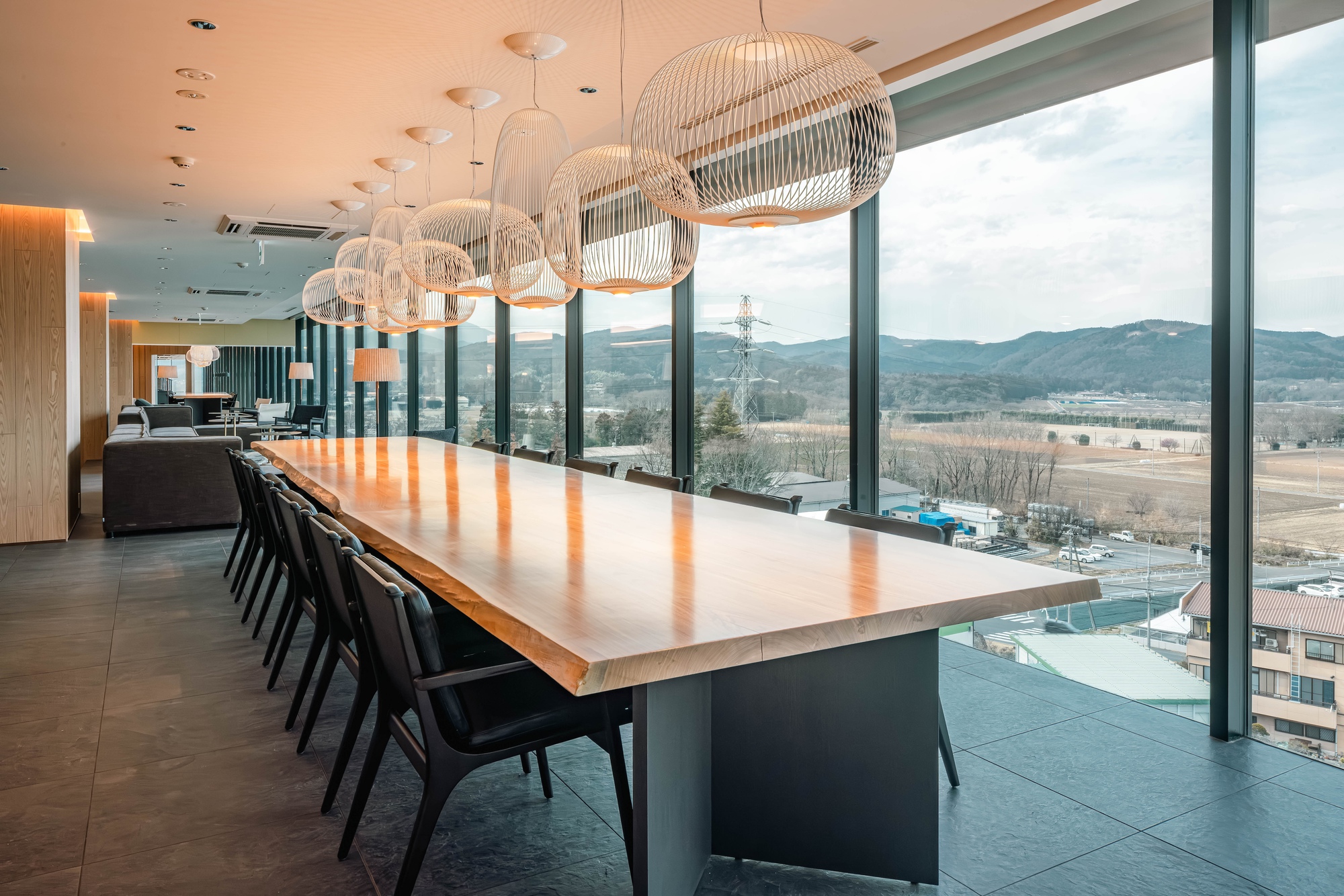
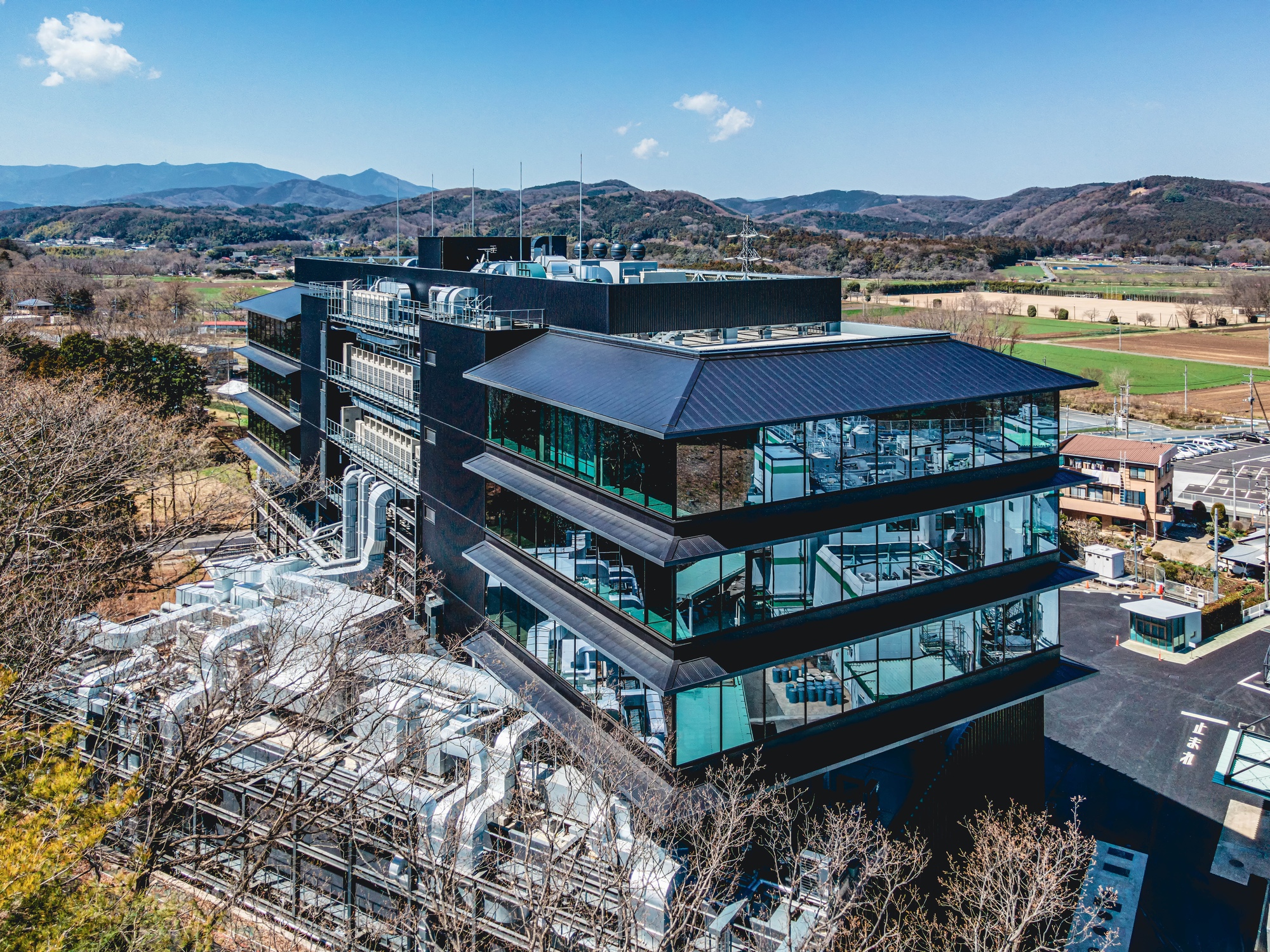
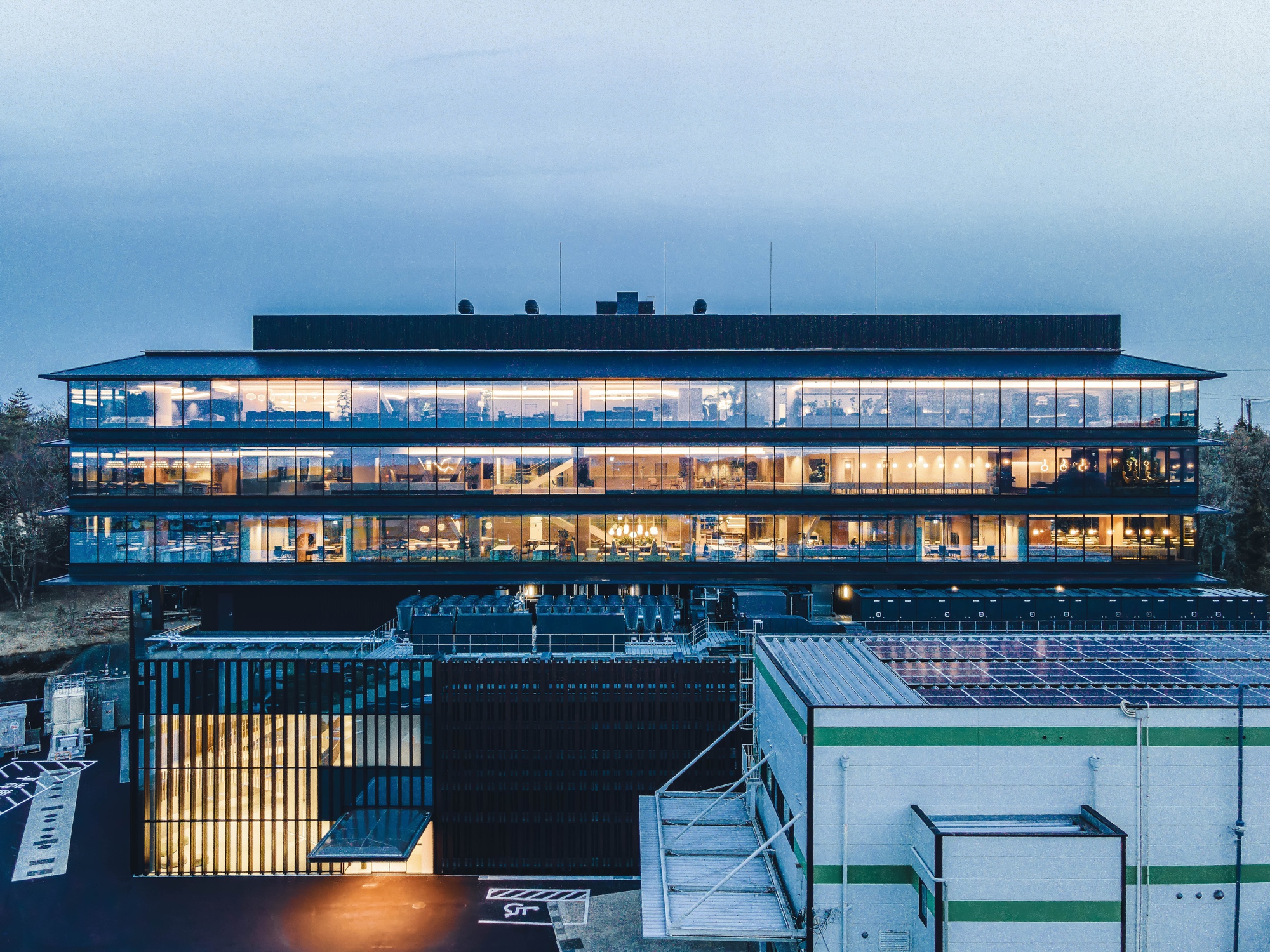
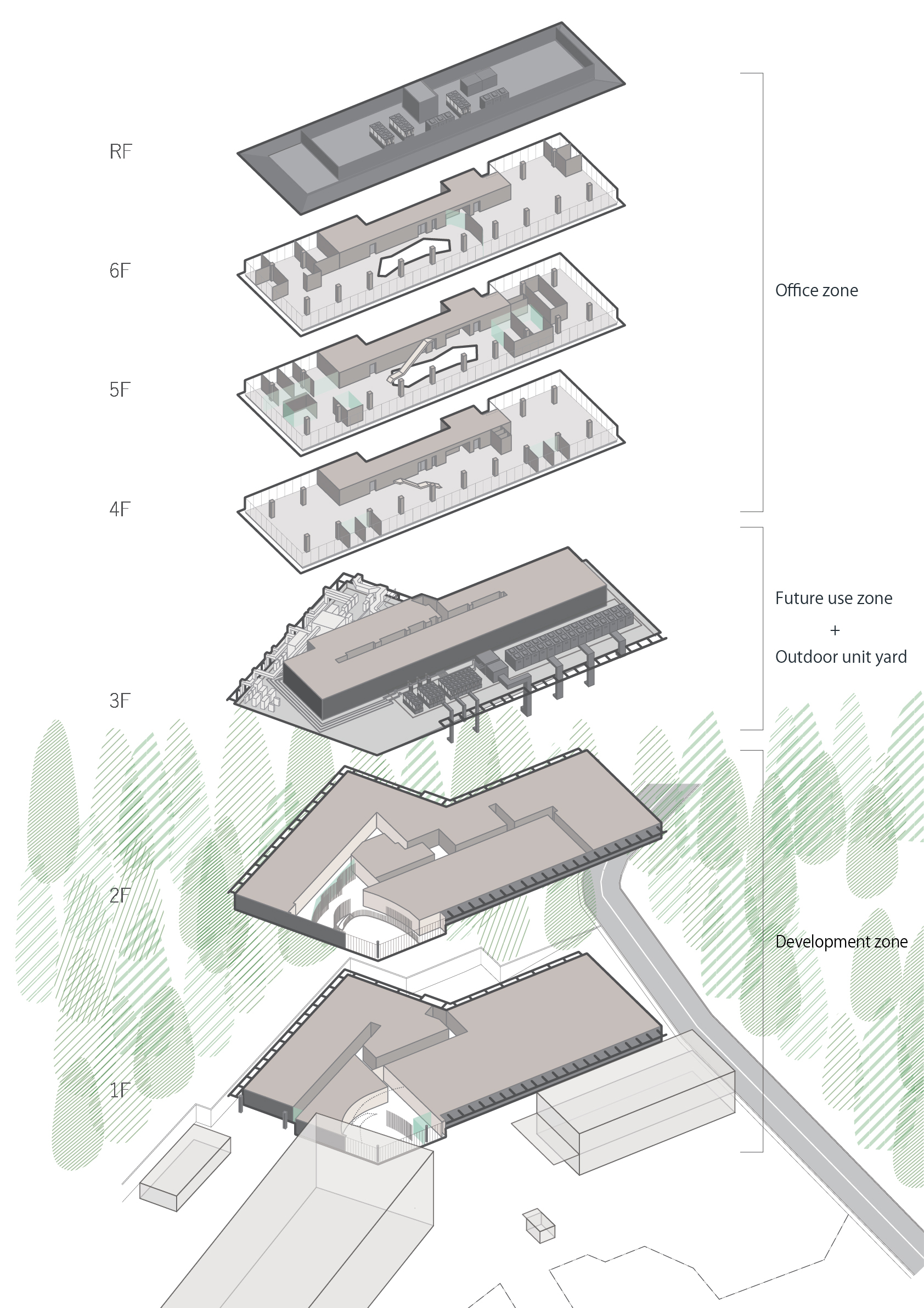
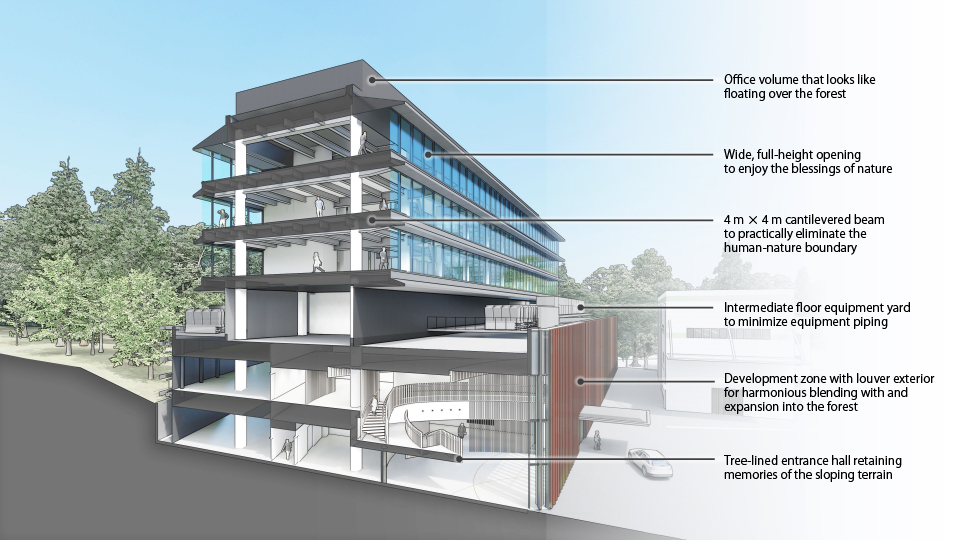
The building thus created consists of the lower floors to be used as a development zone, the intermediate floors containing machinery and equipment for the lower floors and extra space for future use and the upper floors designed as an office zone with bird's-eye views of surrounding natural landscapes. By stacking functionally optimized, purpose-specific planes, a dynamic space with a rich variety of indoor and outdoor space has been created.

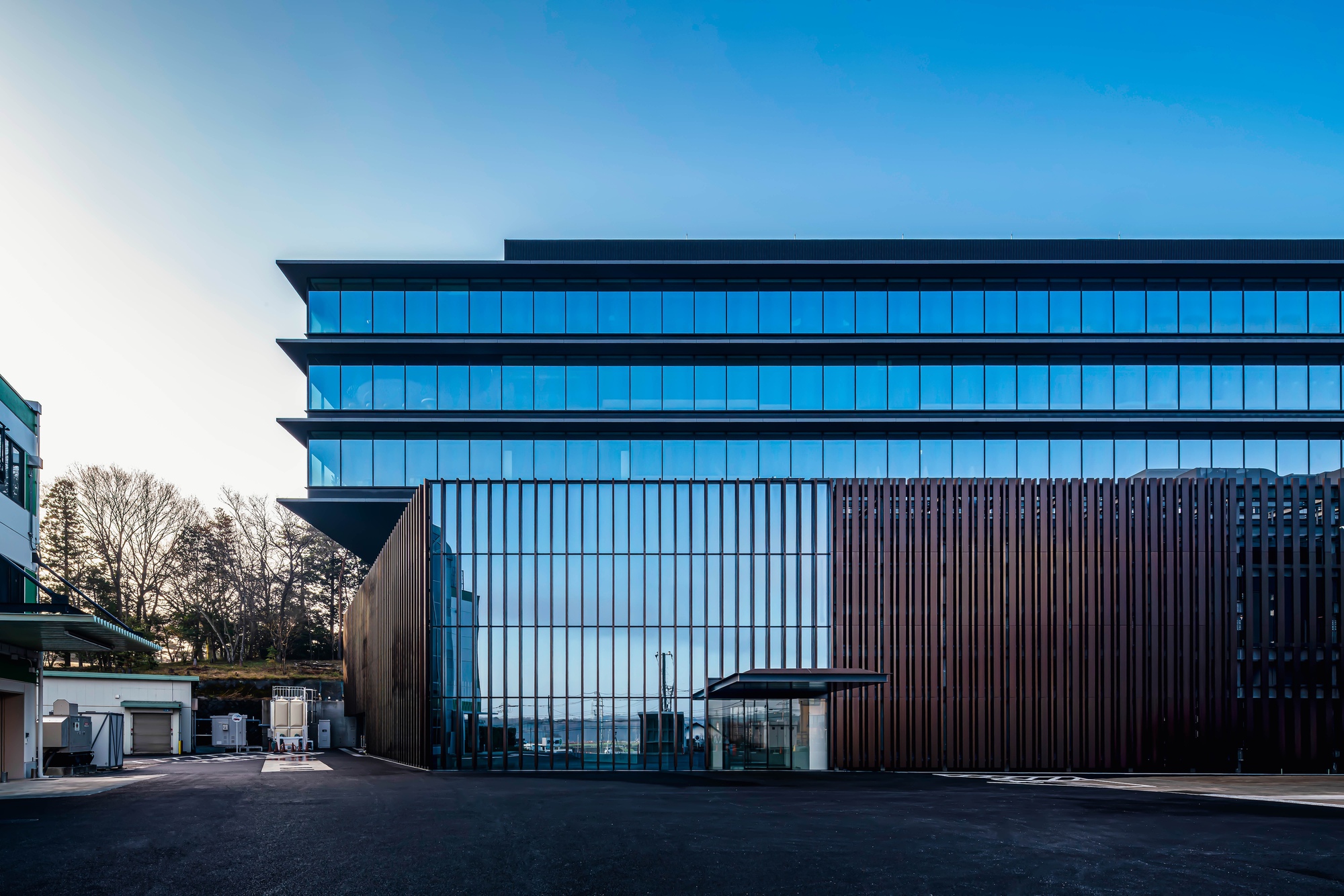
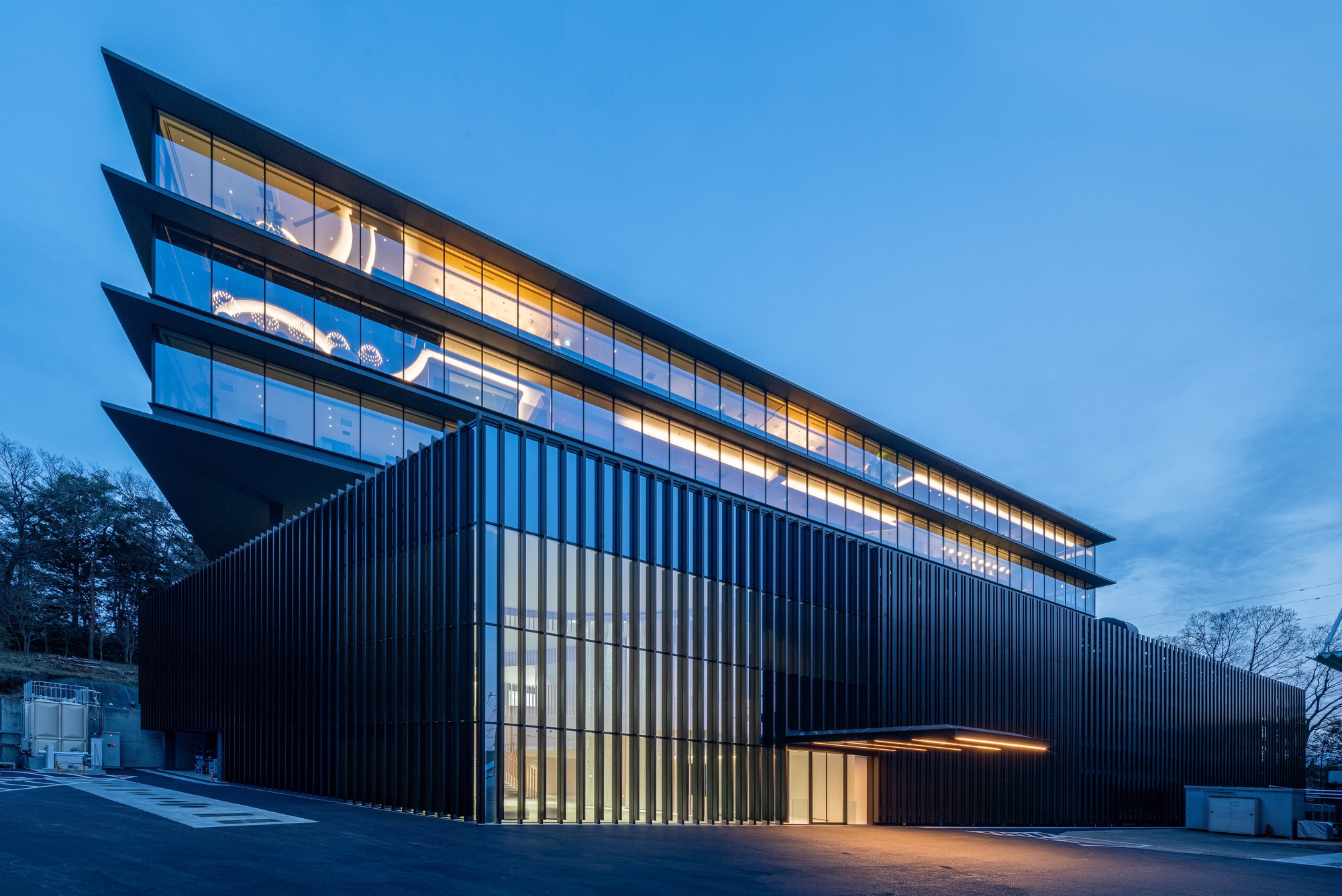
The exterior of the lower floor zone is finished with earth-colored louvers to blend harmoniously with the surrounding lush greenery. The upper-floor office zone is enclosed by glass and horizontal eaves to create a striking contrast to the lower-floor design. The simplicity of the vertical and horizontal elements stresses the presence of a voluminous structure that looks like floating over the forest.

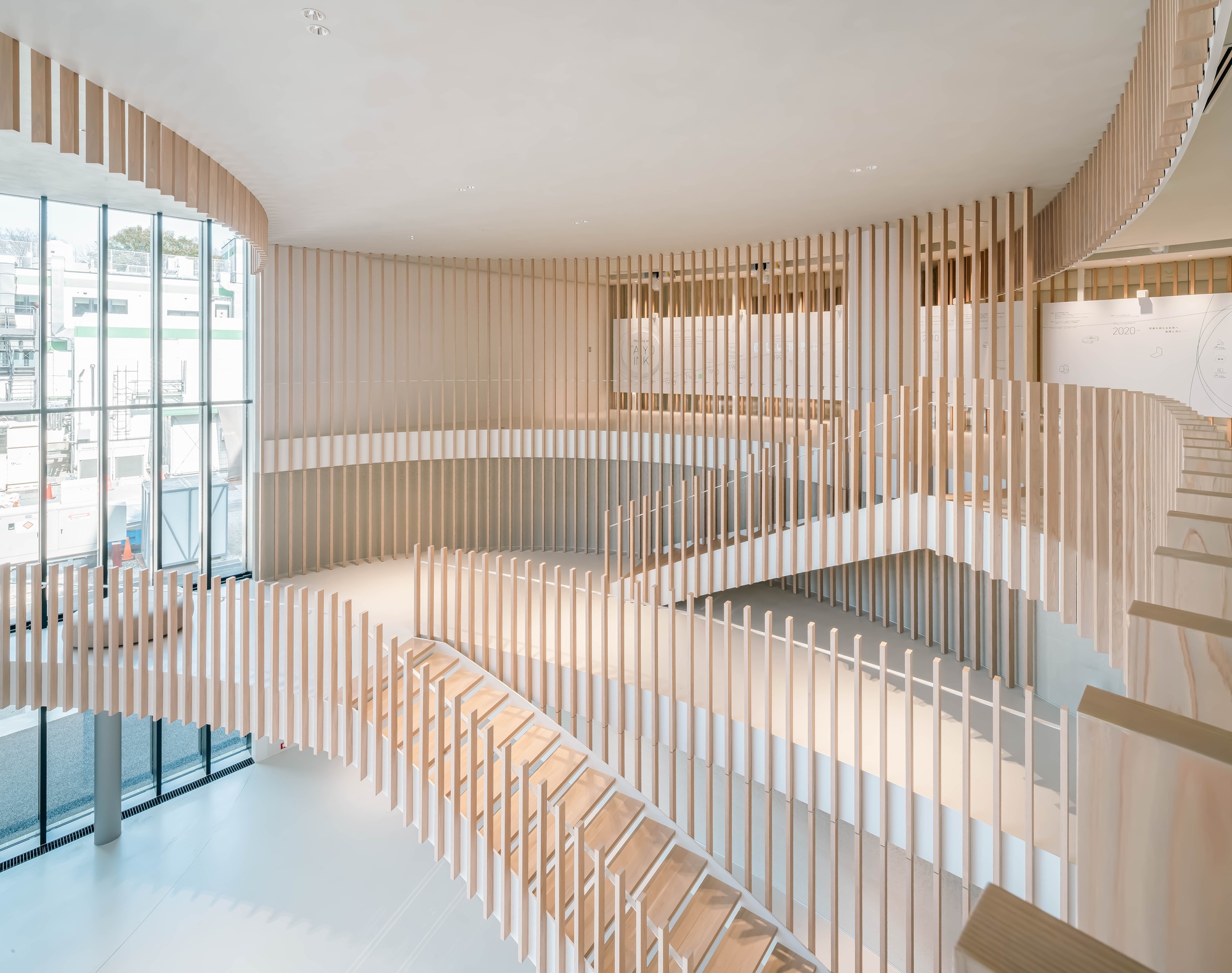
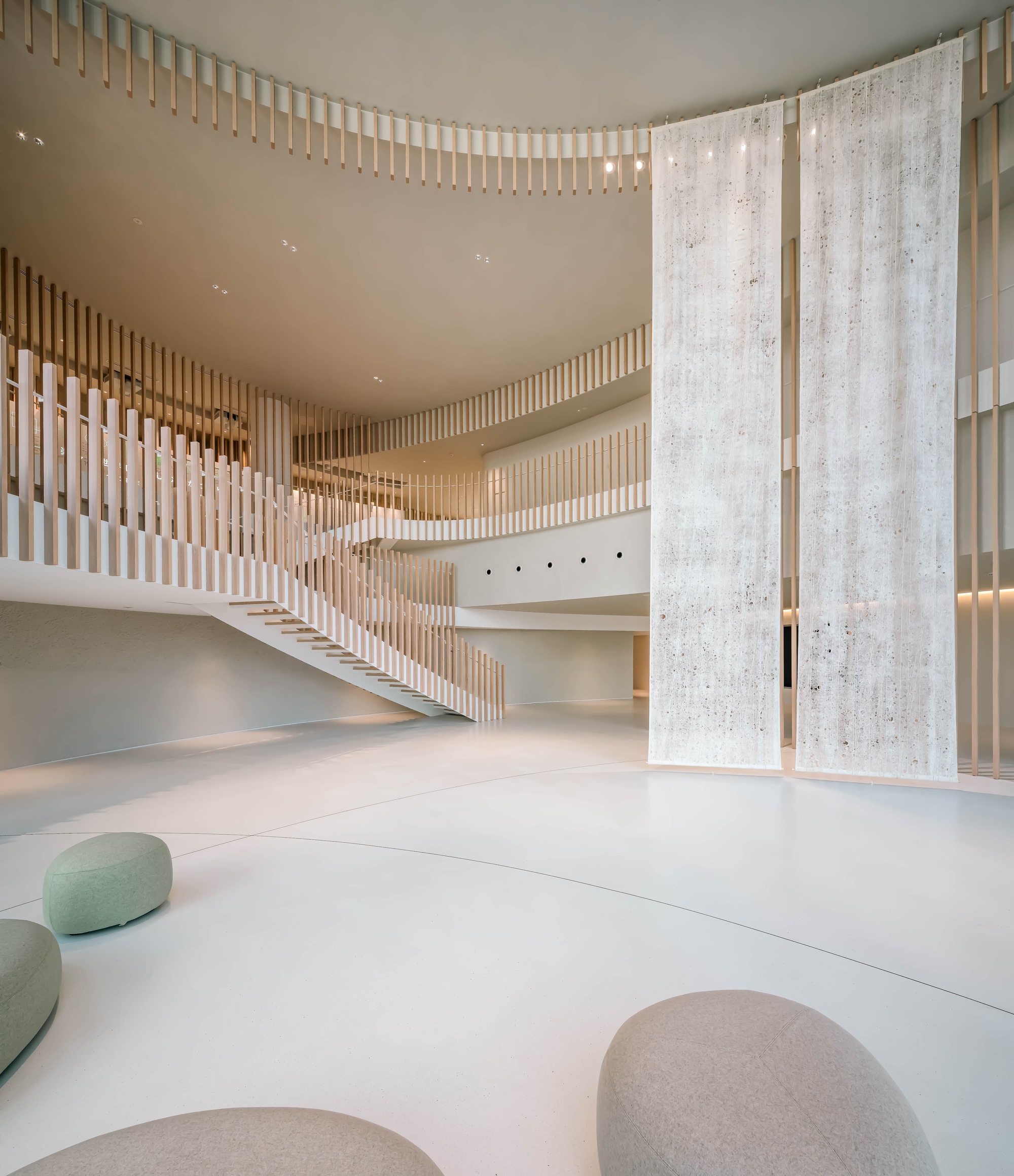
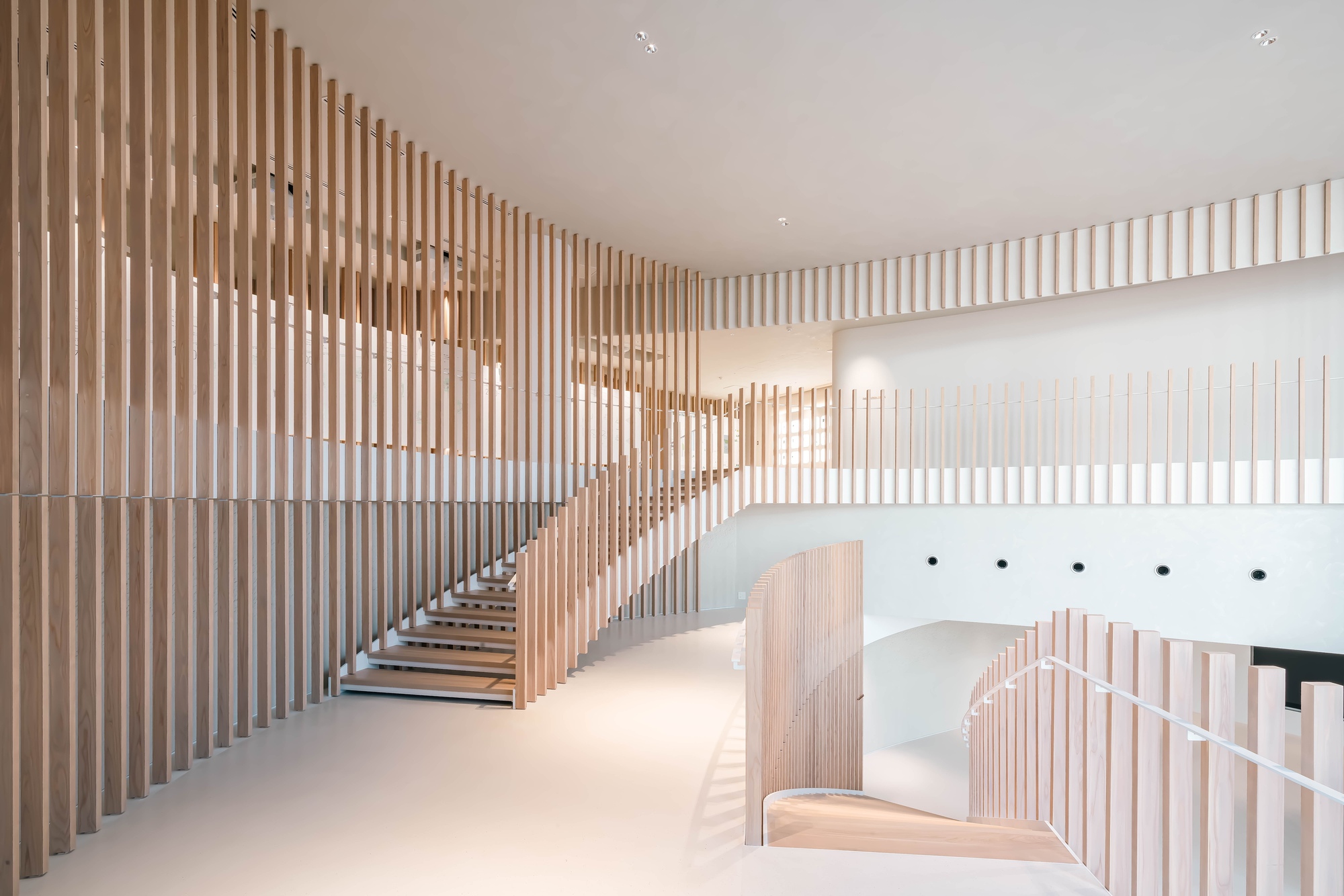
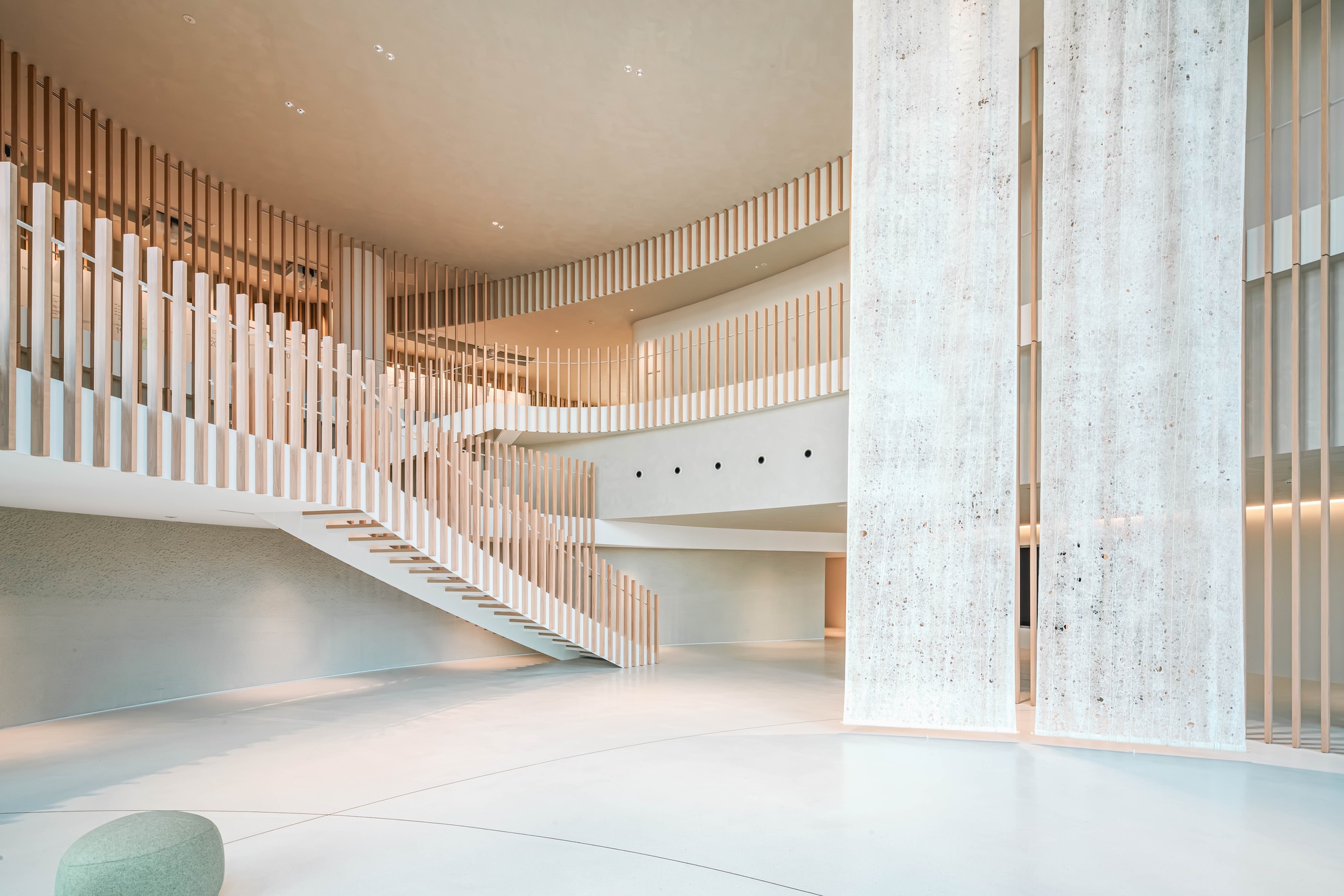
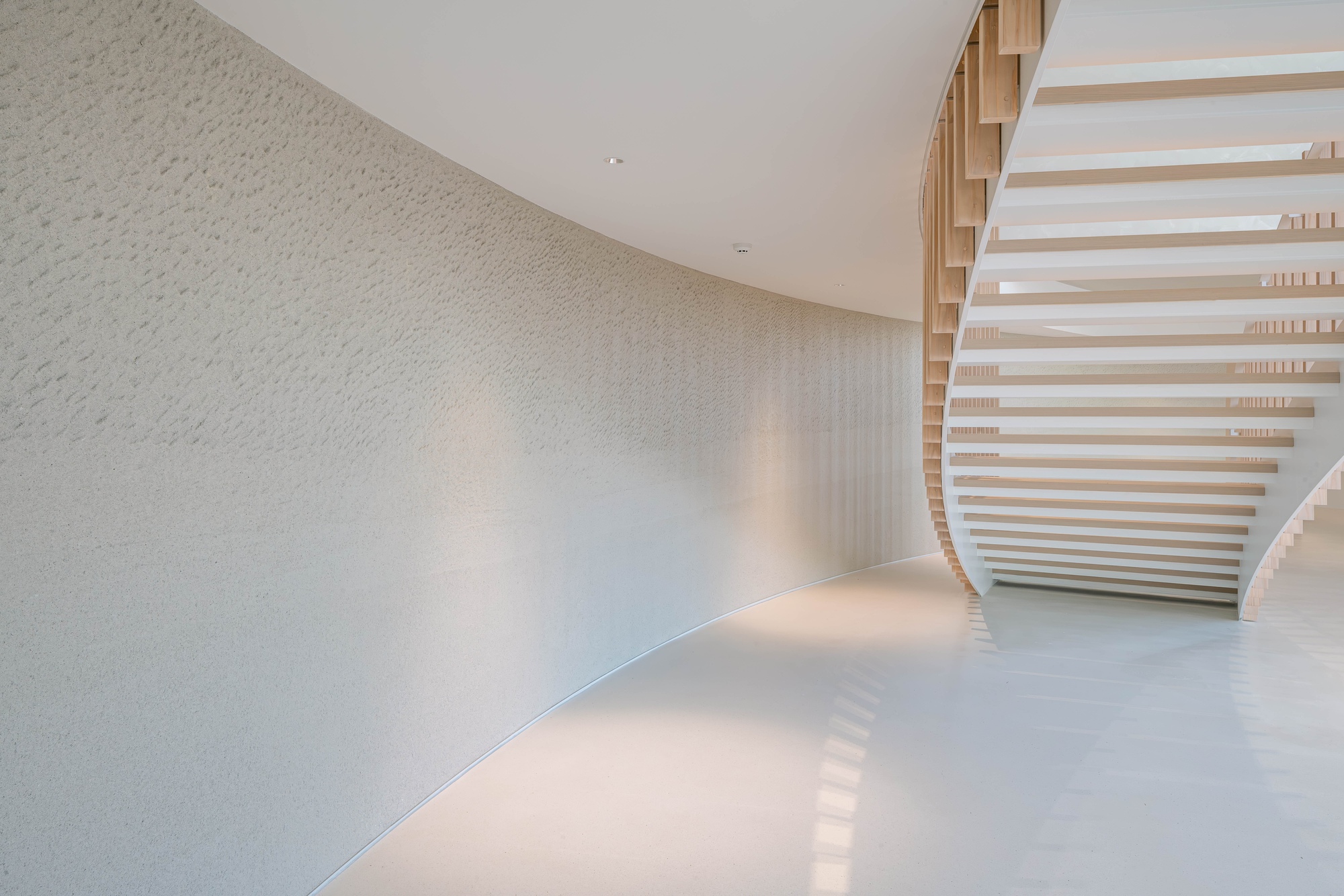
The entrance hall retains the memories of the sloping terrain woodland that once existed at the site, creating a heartwarming space that invites visitors to walk up an easy slope. The tapestries designed to mimic rain falling on trees were created, in collaboration with a craftsman specializing in Japanese paper (Ogawa washi) making, a traditional craft of a neighboring town, by using 2.5 m × 8.0 m pieces of washi. The plaster walls produced by the artistic plasterer Naoki Kusumi also add color to the entrance hall.

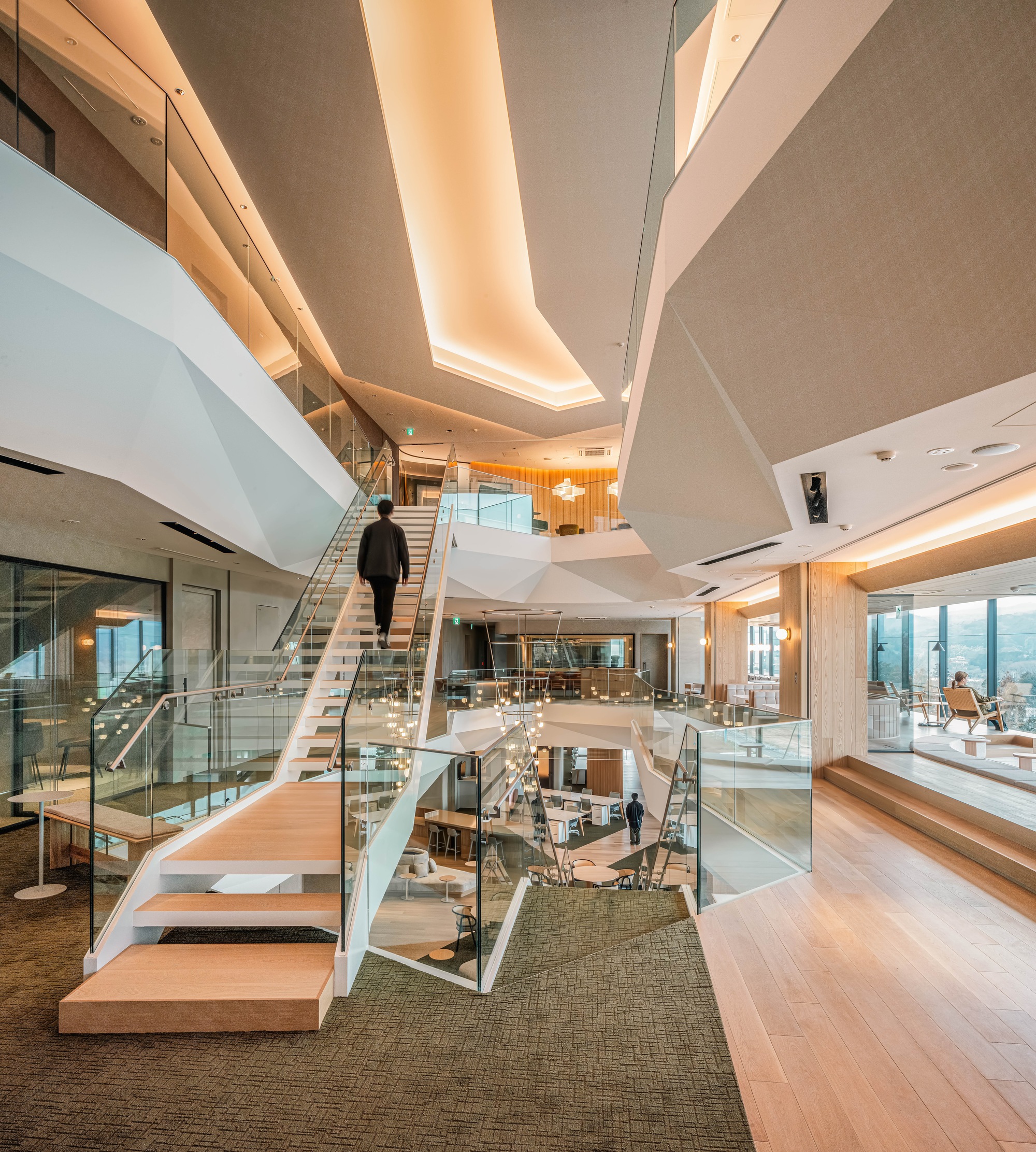
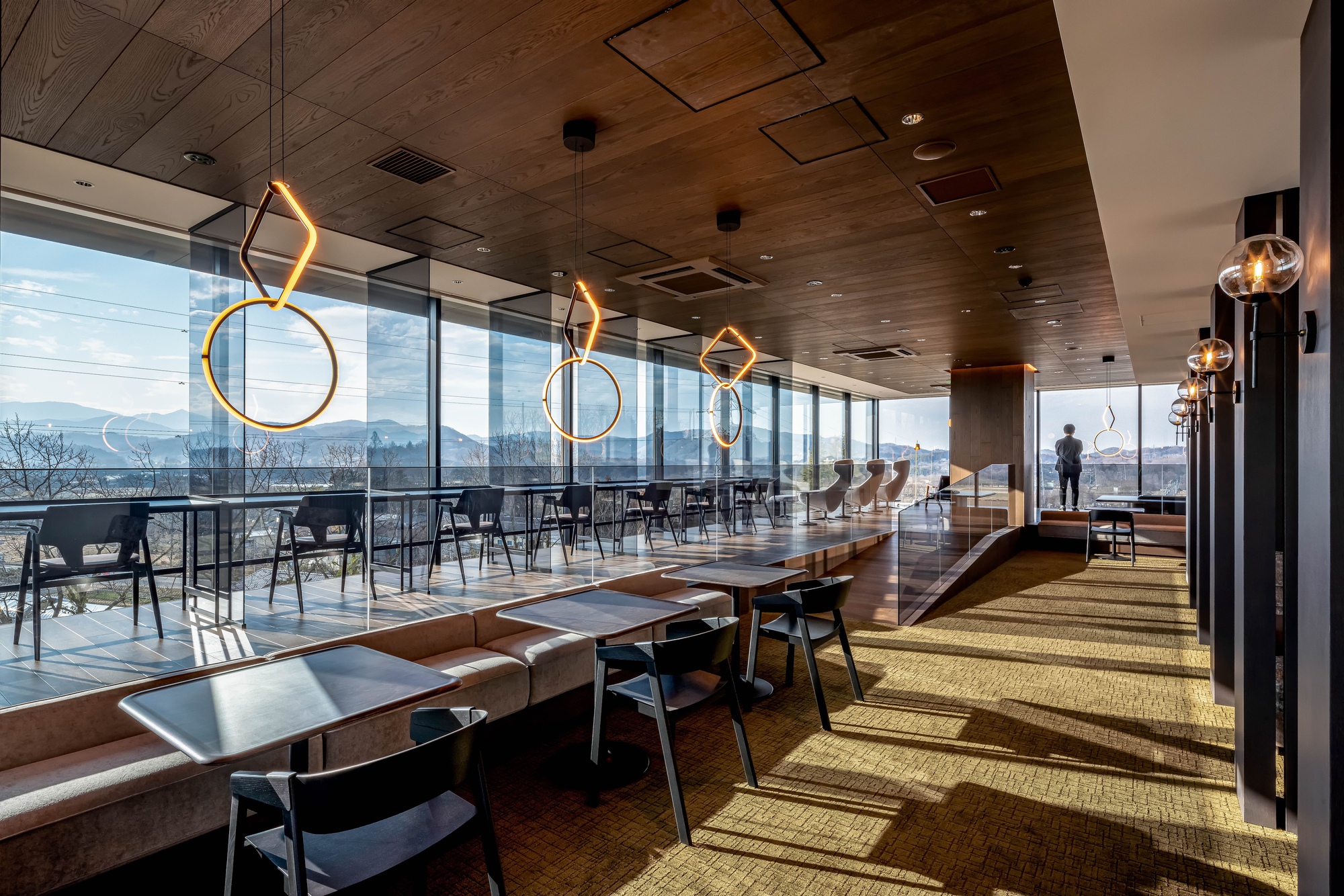
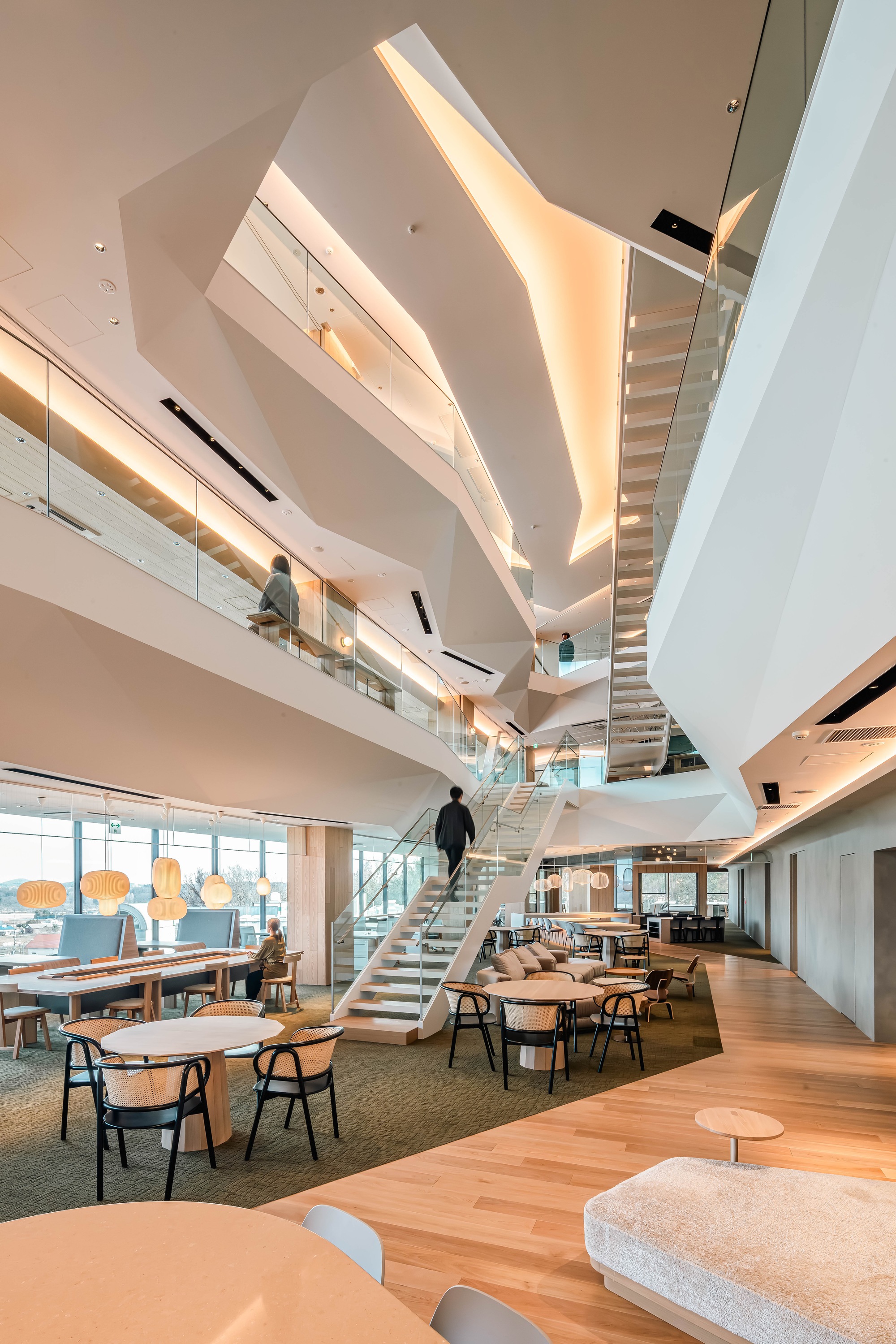
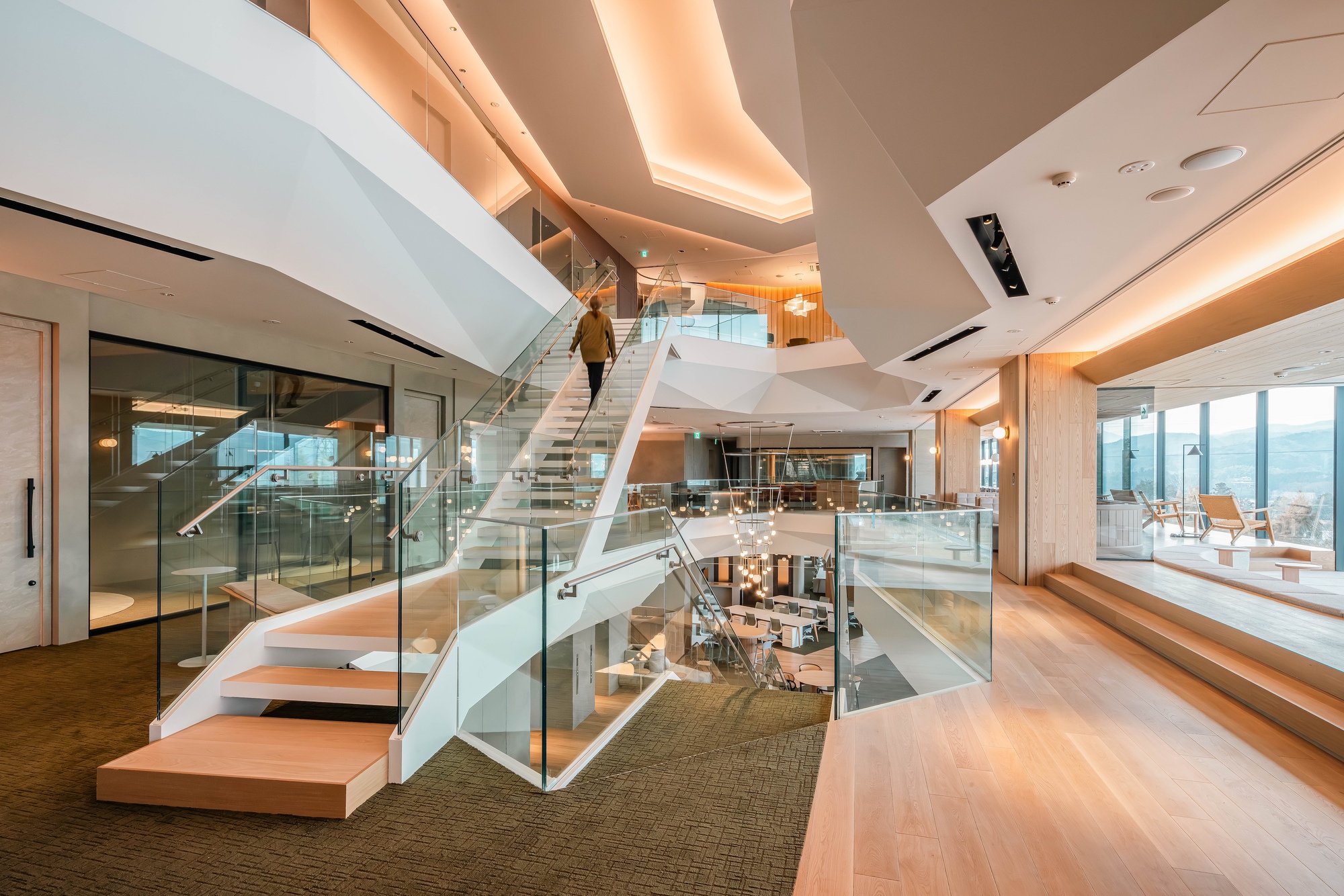
The multi-floor open space interconnecting the three office floors was inspired by the panoramic ridge lines of the Chichibu Mountains and the landscapes of the Ranzan Ravine. The irregularly shaped multi-floor open space creates places of various configurations, just as a ravine offers places of varied shapes so that anglers and campers can find places of their liking. Varied spaces and places laid out around the multi-floor open space are interconnected by stairs and circulation lines so as to create opportunities for unexpected exchanges. The four-meter-wide cantilevered peripheral zone of each floor forms a daringly wide, open space that practically connects the internal space and the surrounding environment.

Creativity and inspiration of individual workers are stimulated by unknowingly moving between different environments created by the lower floors and upper floors, well-lit spaces and shaded spaces, time- and space-dependent changes in external environmental conditions, and varied combinations of materials. It is hoped that opportunities for unexpected encounters incorporated in the space stimulate communication between individuals and organizations and induce serendipity to give rise to unprecedented innovations.

Stunning inside.

Light and spacious. So much beauty. The only room that leaves me a bit flat is the grey office area. It seems incongruous to the rest of the design. Still has amazing light though.

A very old local pub has finally reopened after 14 years.

Looking good. Food and service was great.

Element House

#architecture

Architects: APOLLO Architects & Associates

Area: 189 m²

Year: 2024

Photographs: Masao Nishikawa

City: Uji

Country: Japan

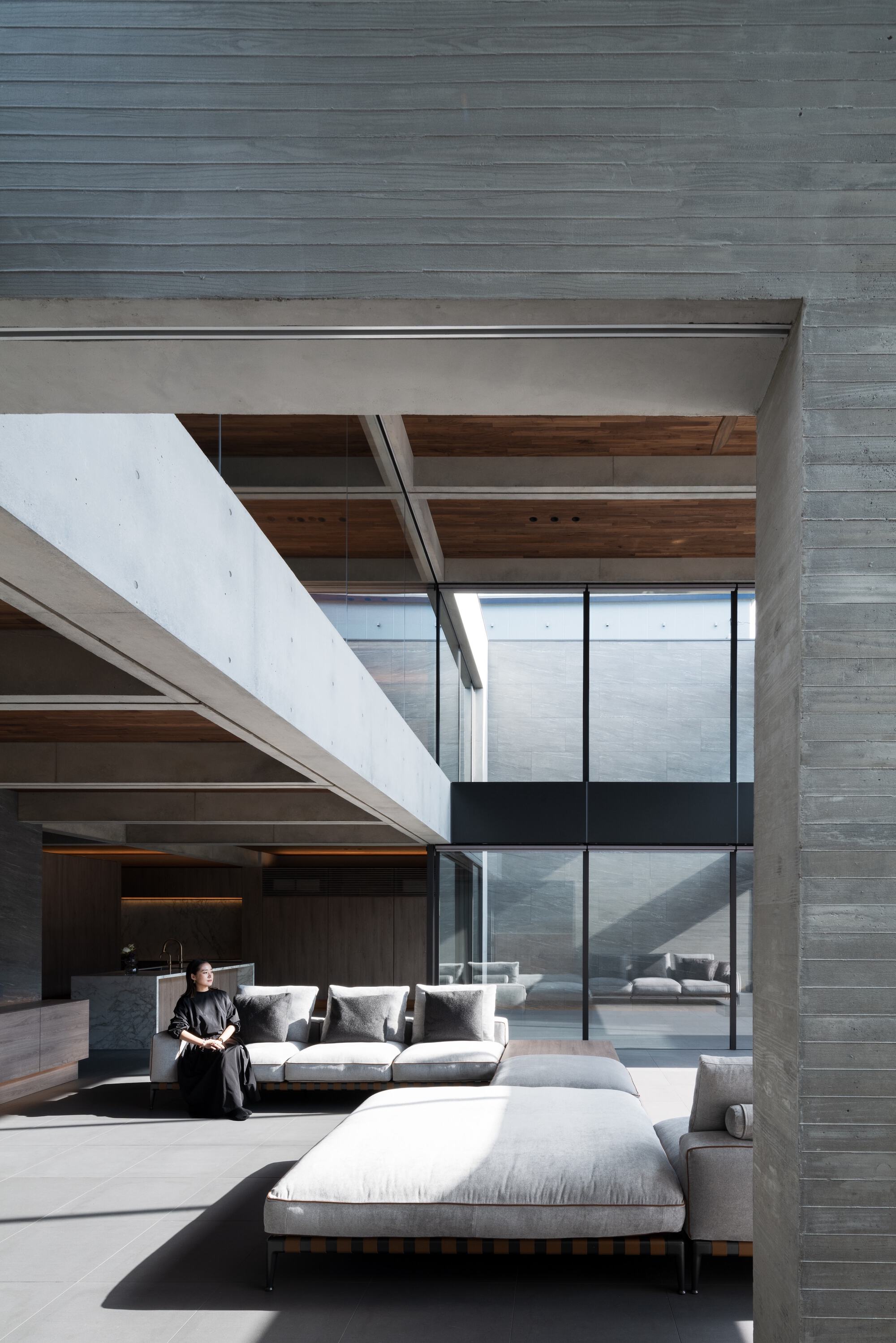
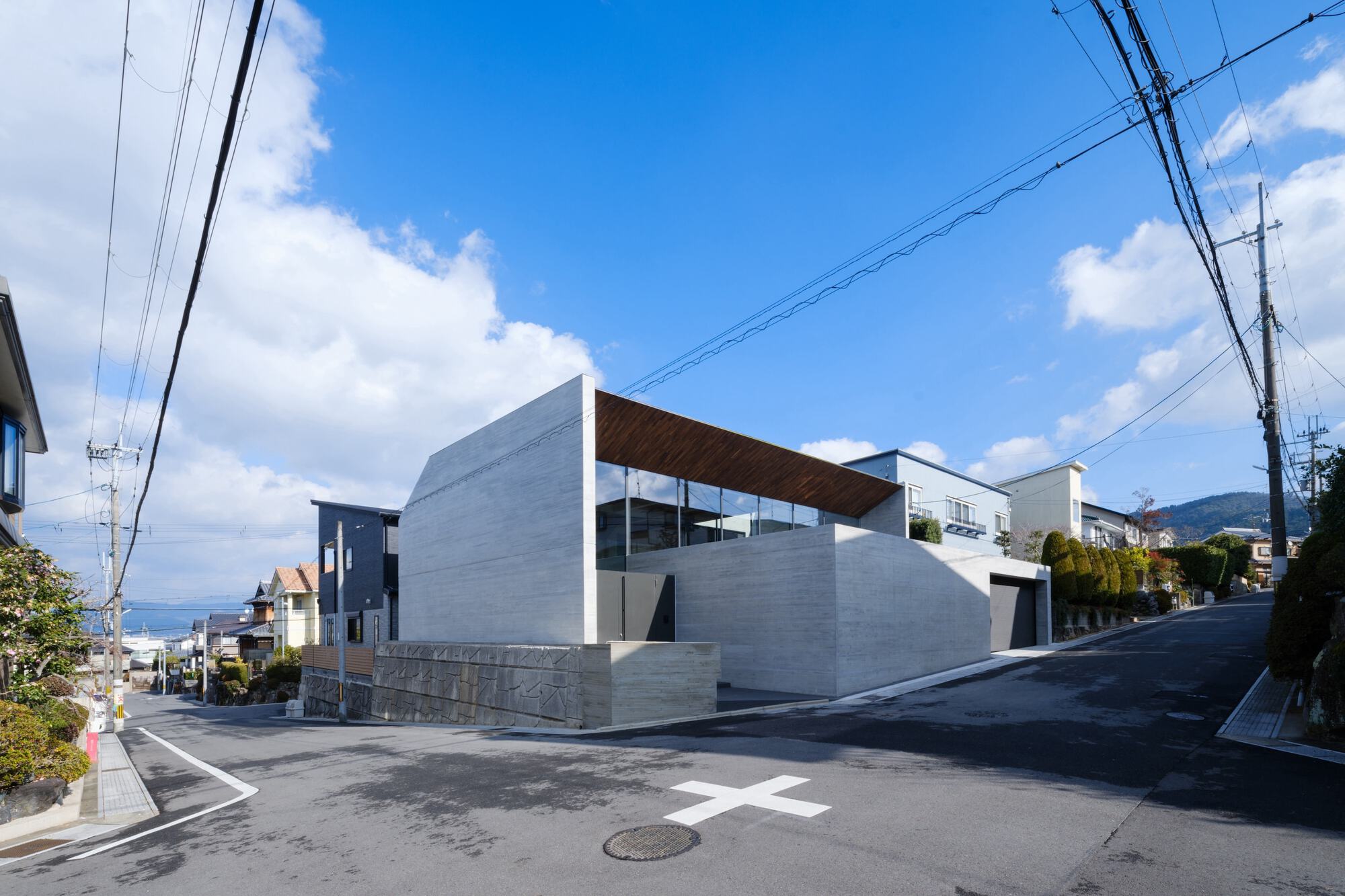
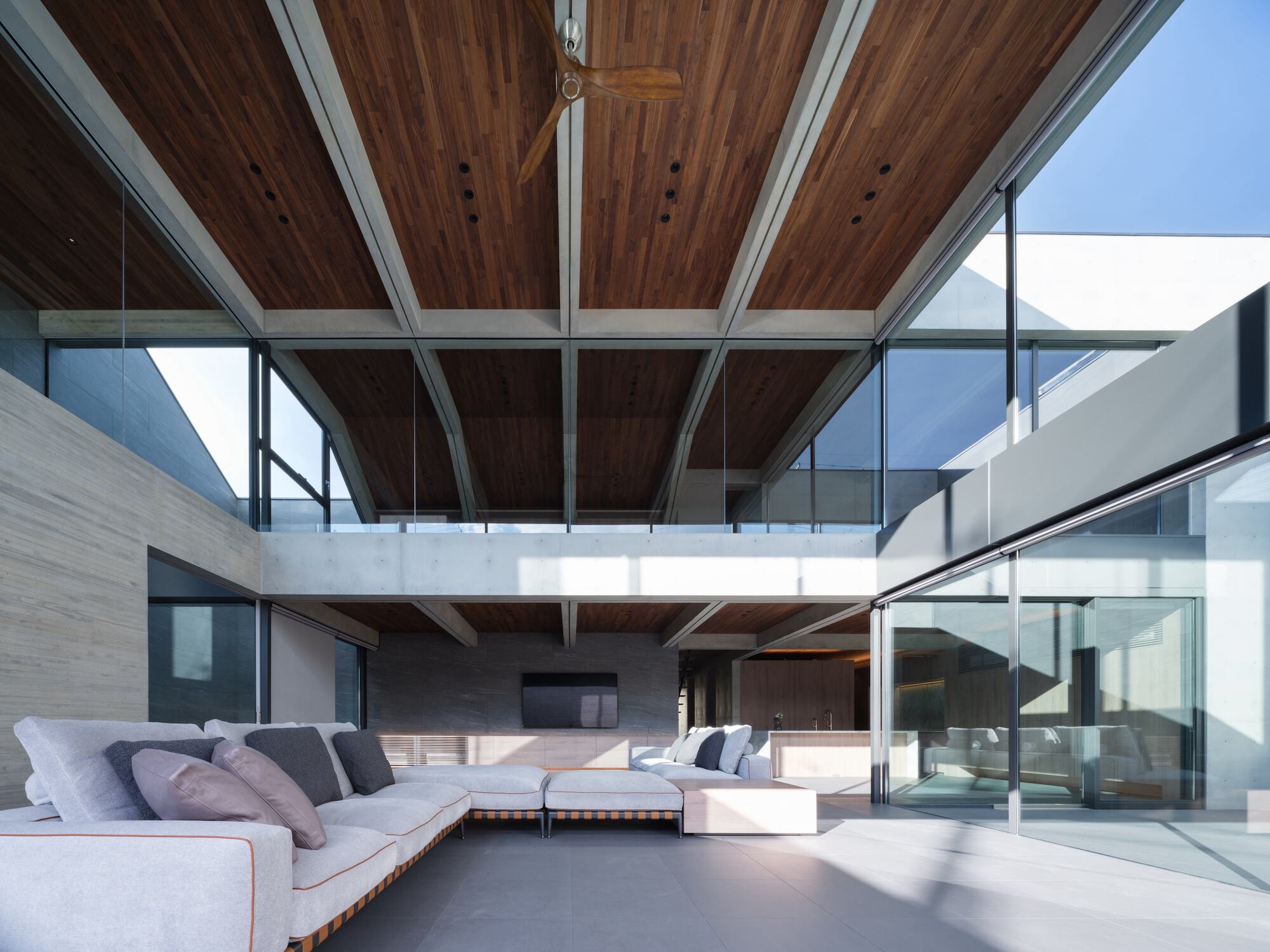
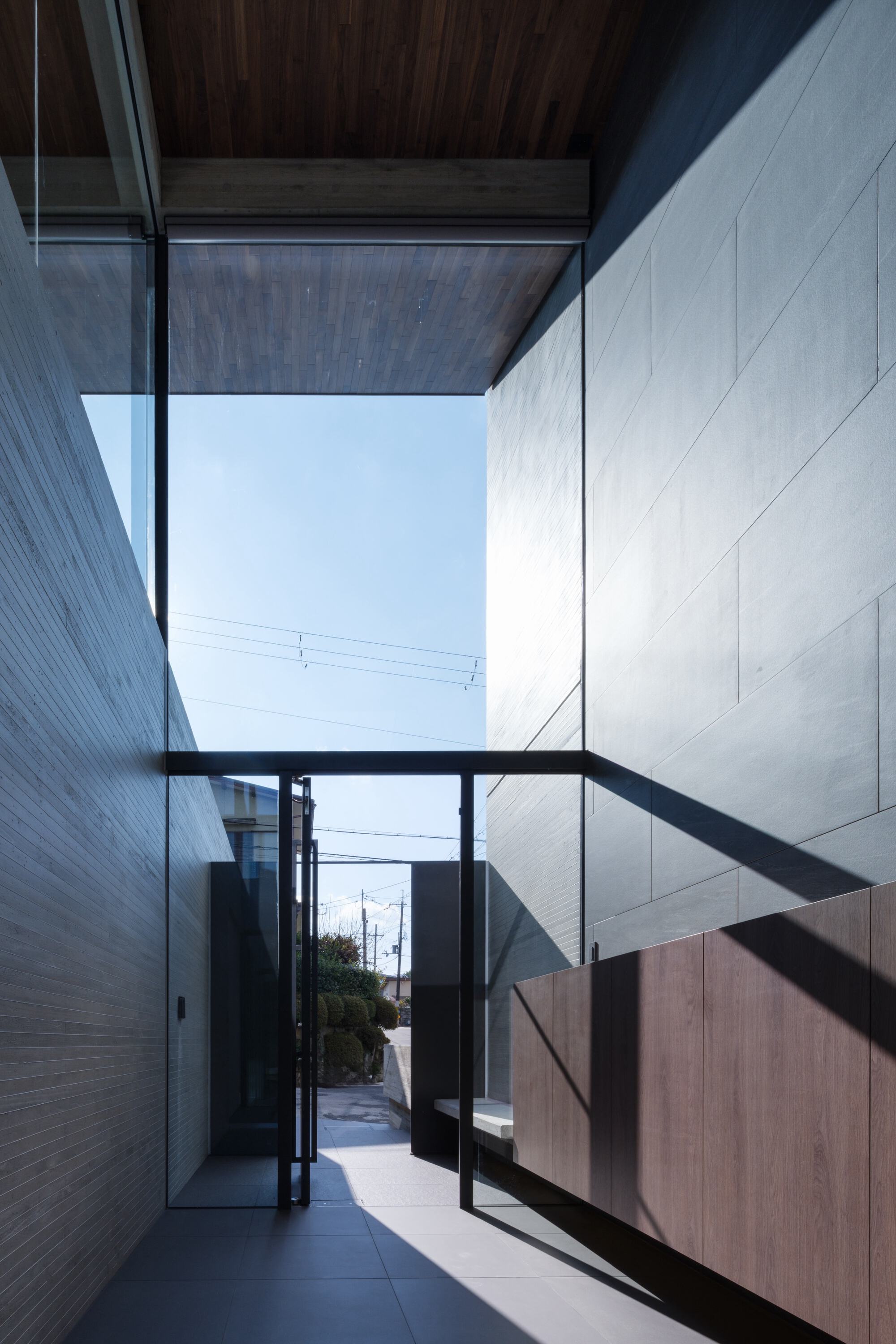
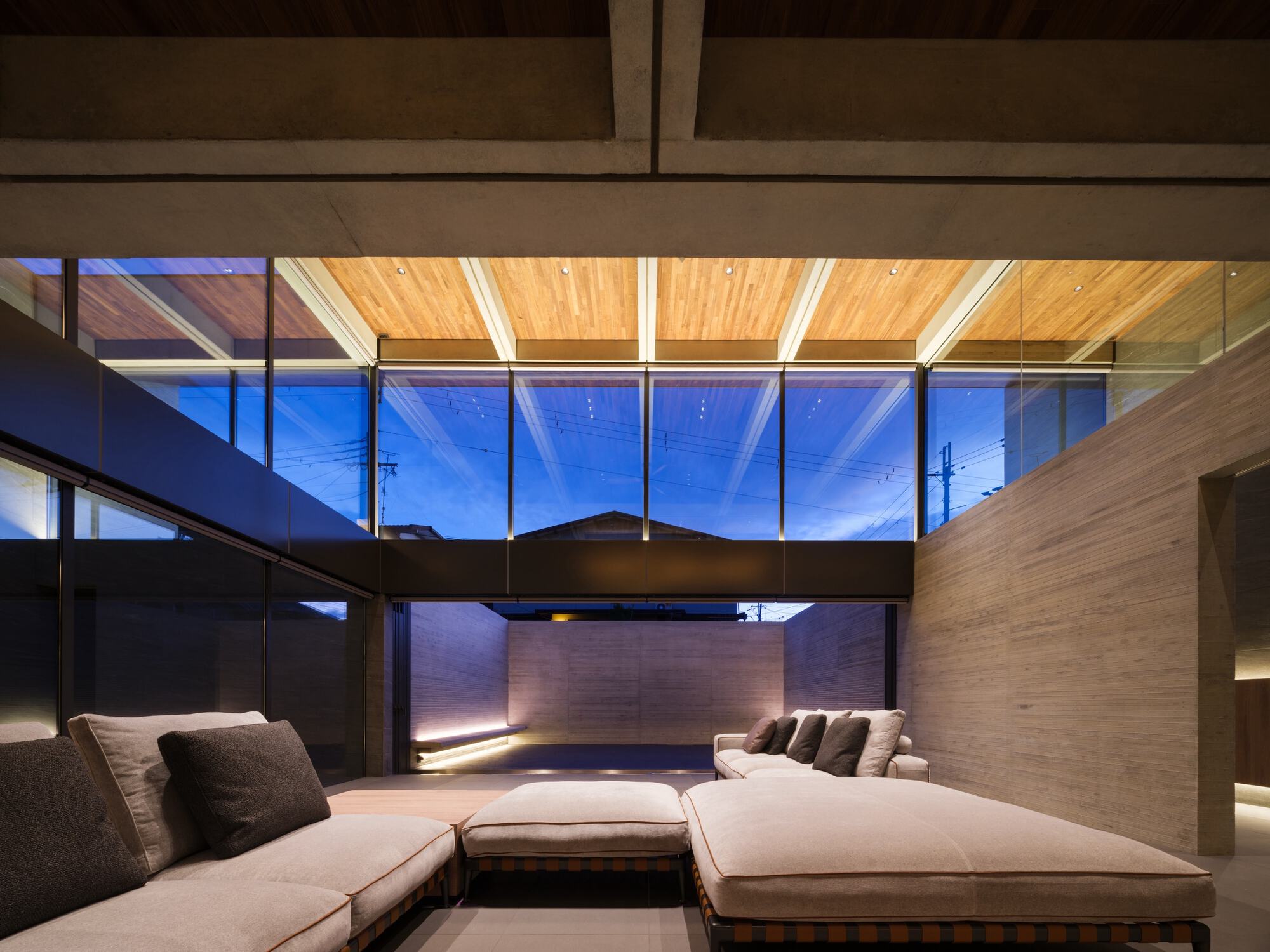
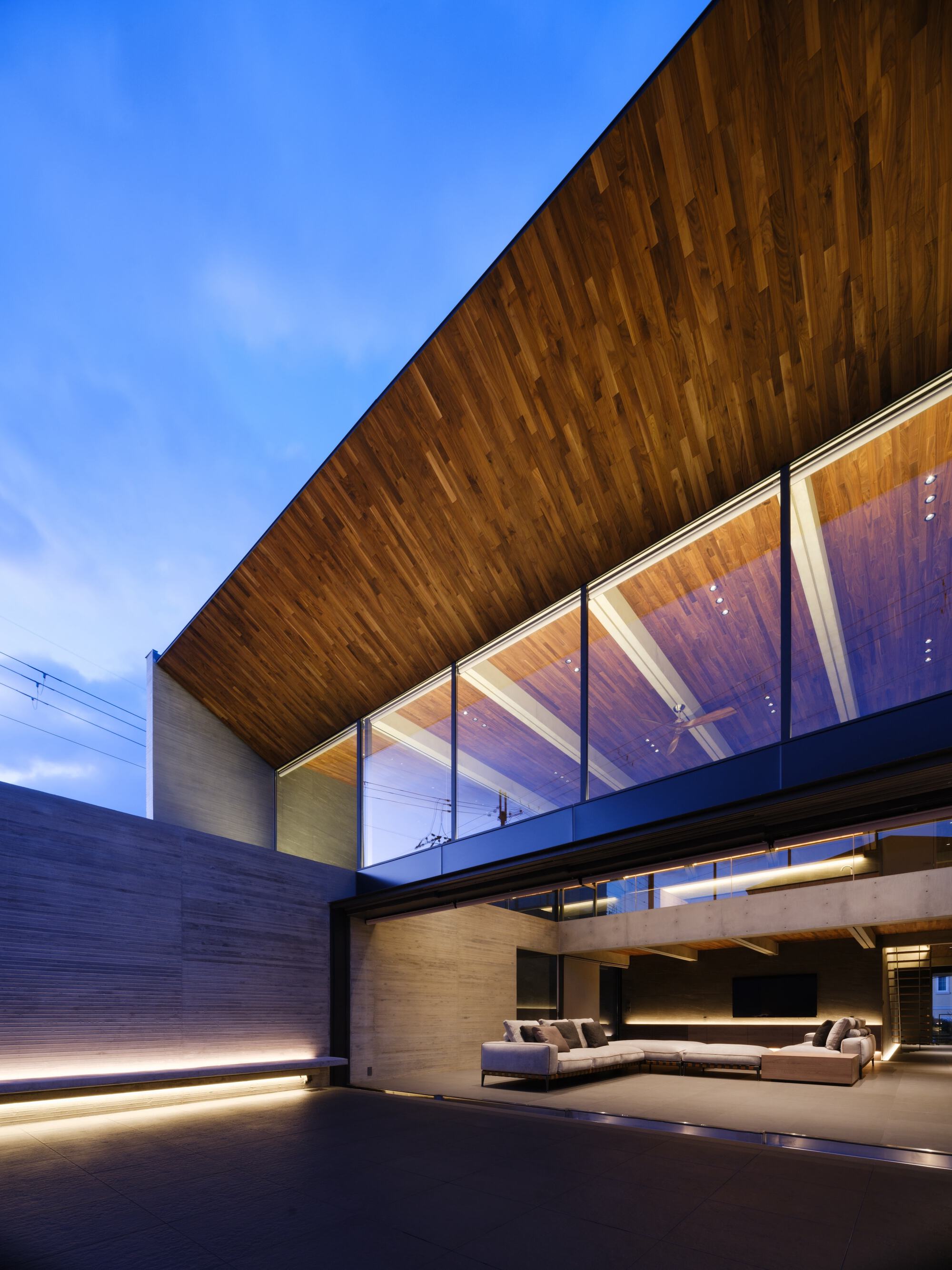
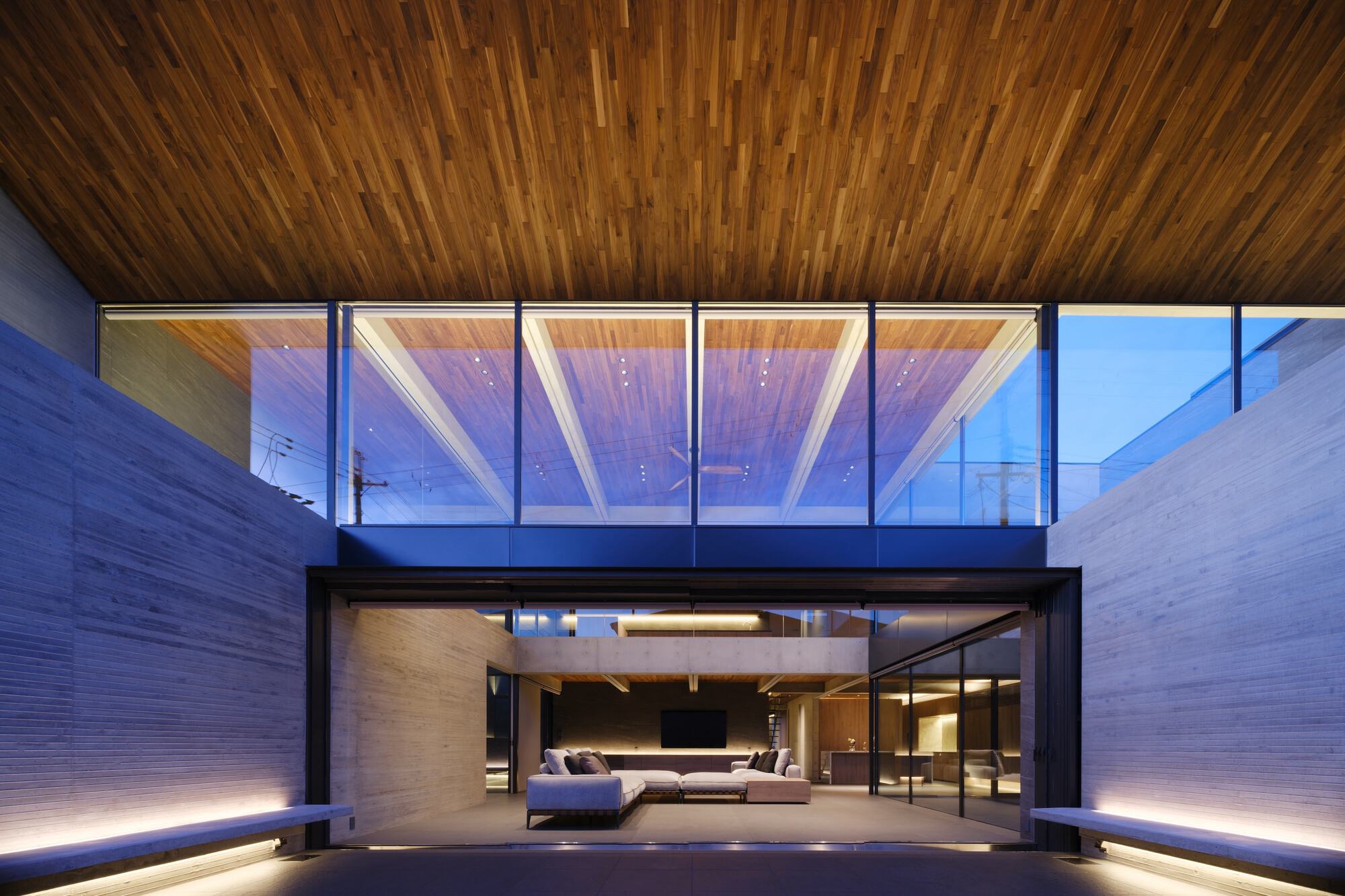
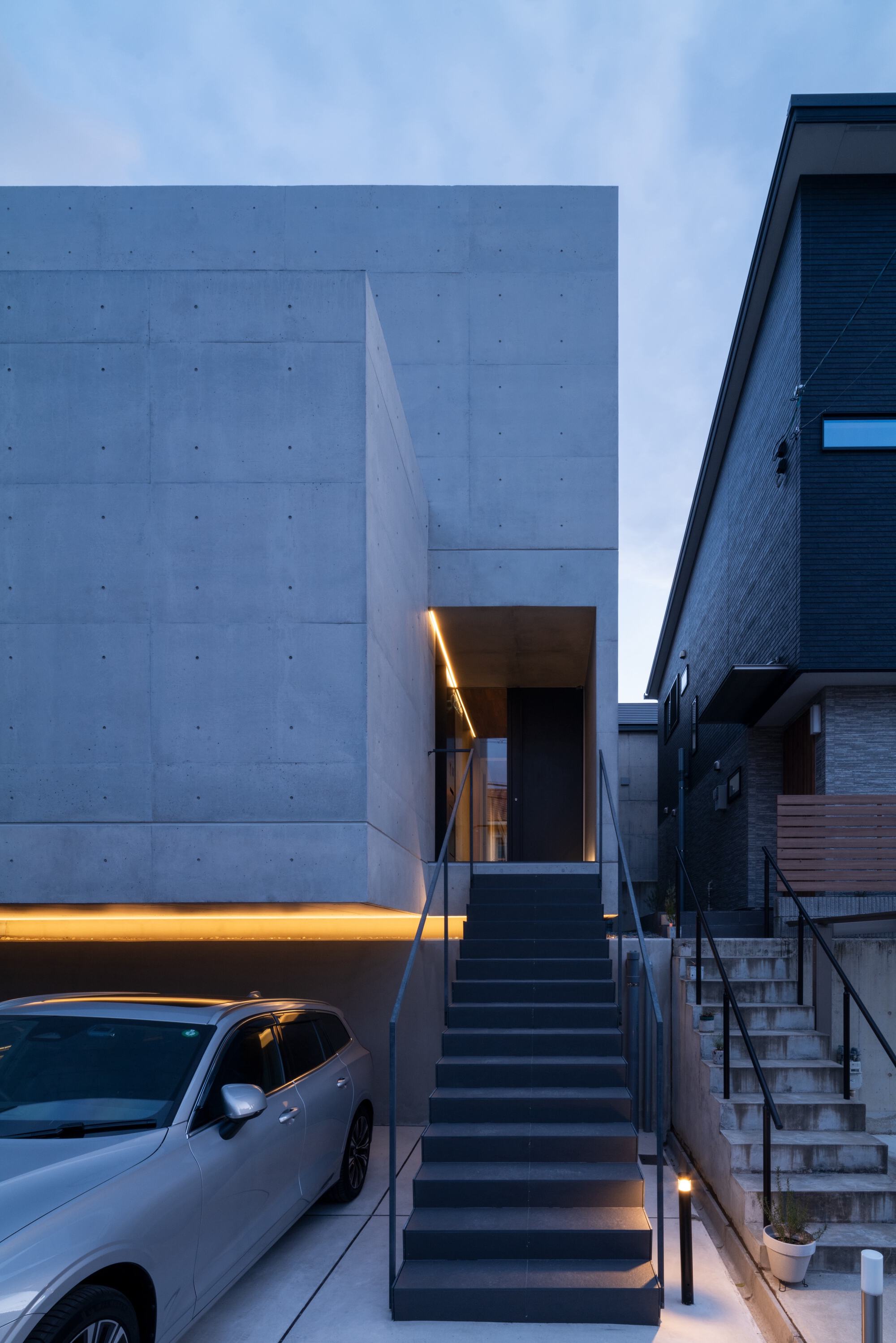
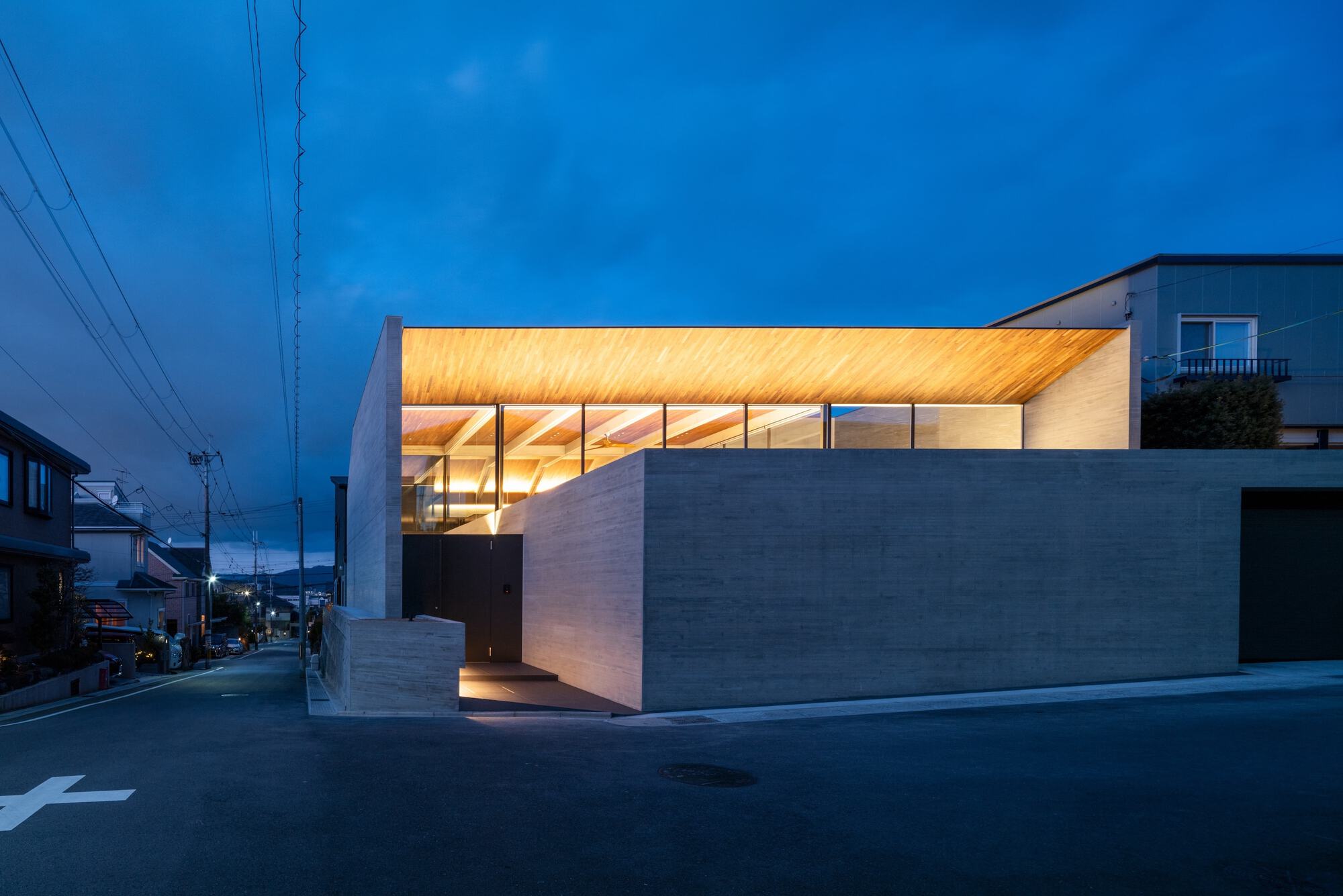
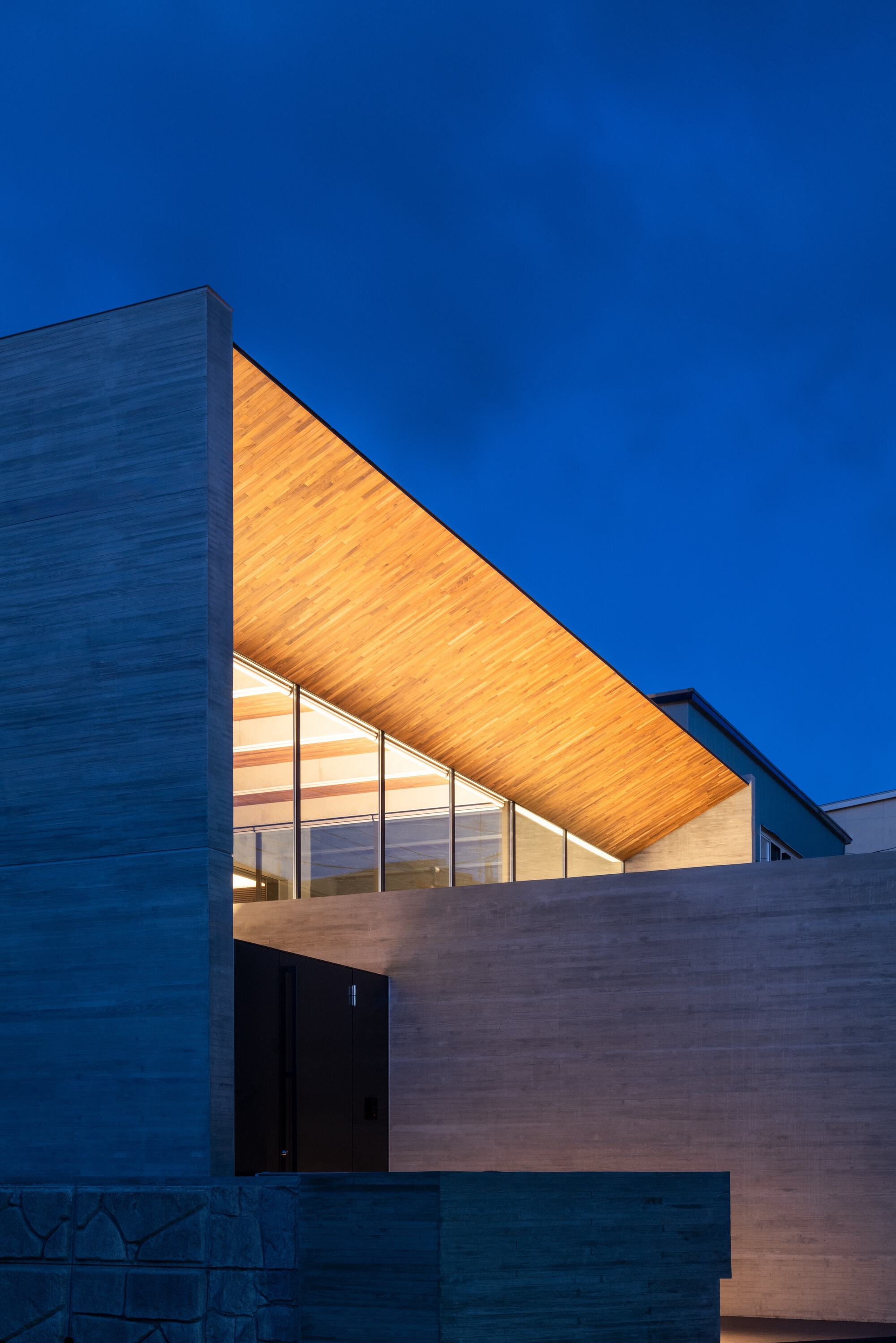
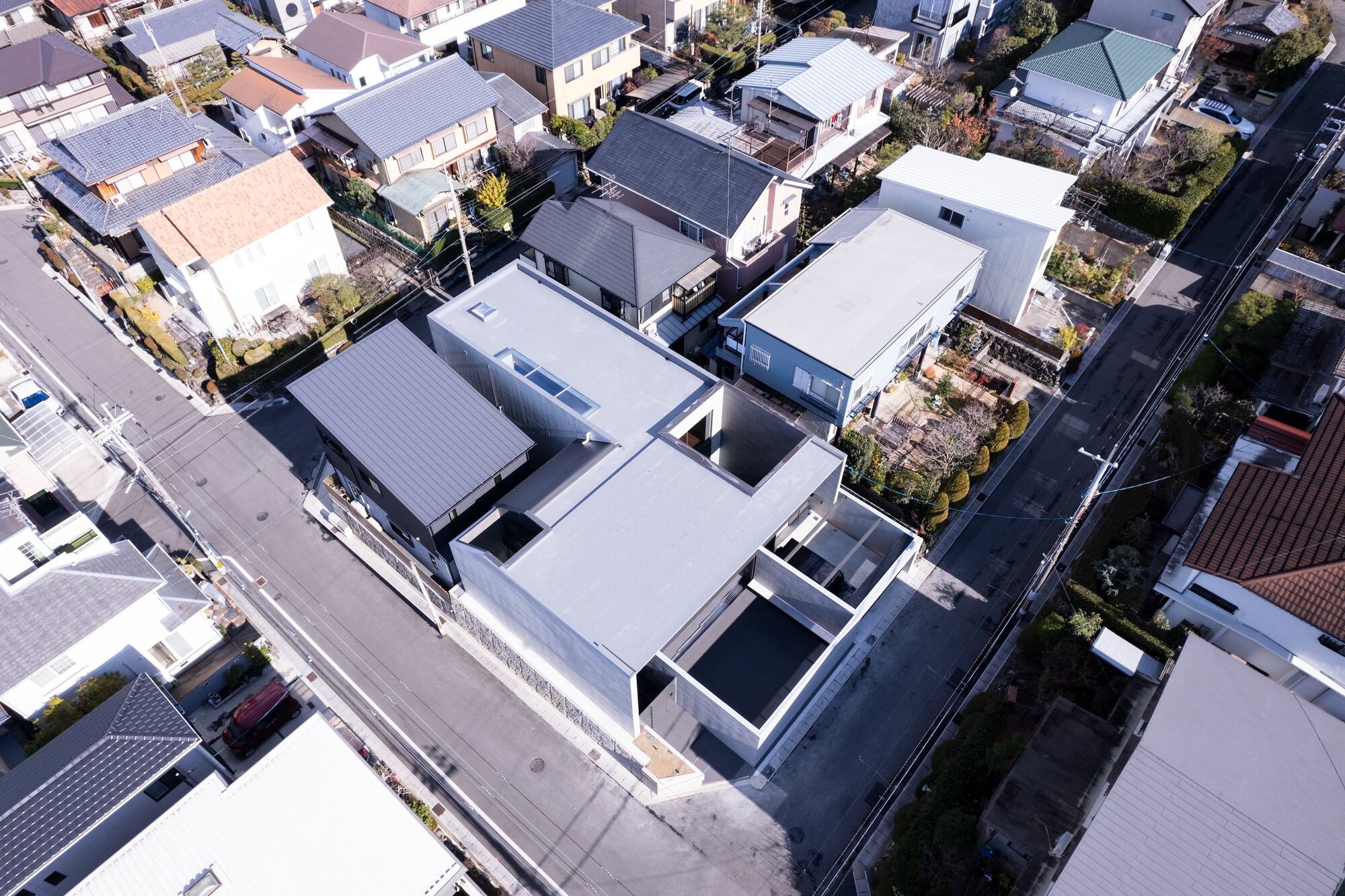
ELEMENT stands in a quiet residential area in the southern part of Kyoto. The L-shaped plot, which faces two roads, features a change in elevation and distinct facades on the north and south sides. The main facade is characterized by a large overhang with a wide southern-facing window, enclosed by a concrete wall imprinted with cedar-board formwork. The secondary façade is distinguished by its powerful cantilevered appearance, which allows for a pilotis-style garage area.

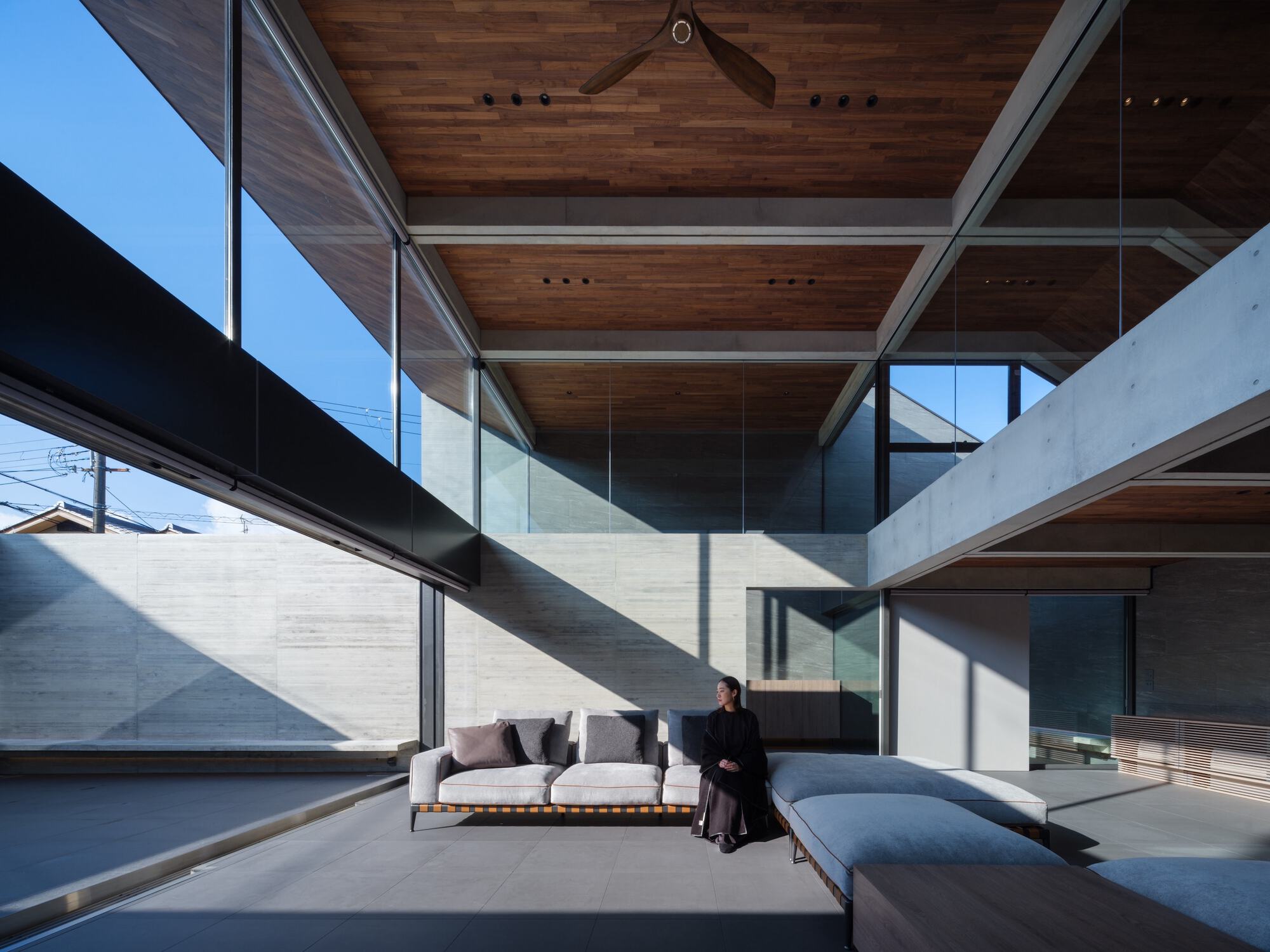
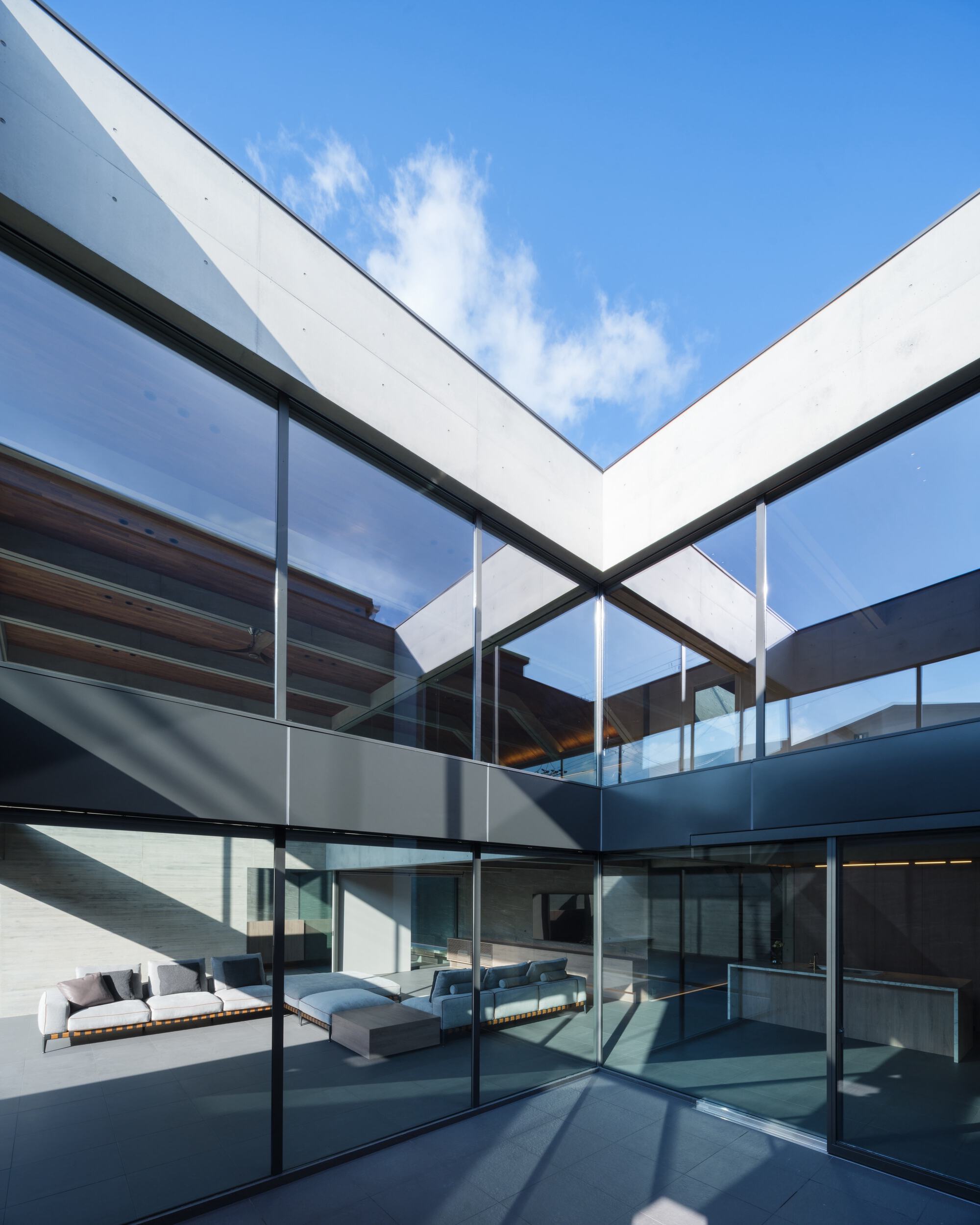
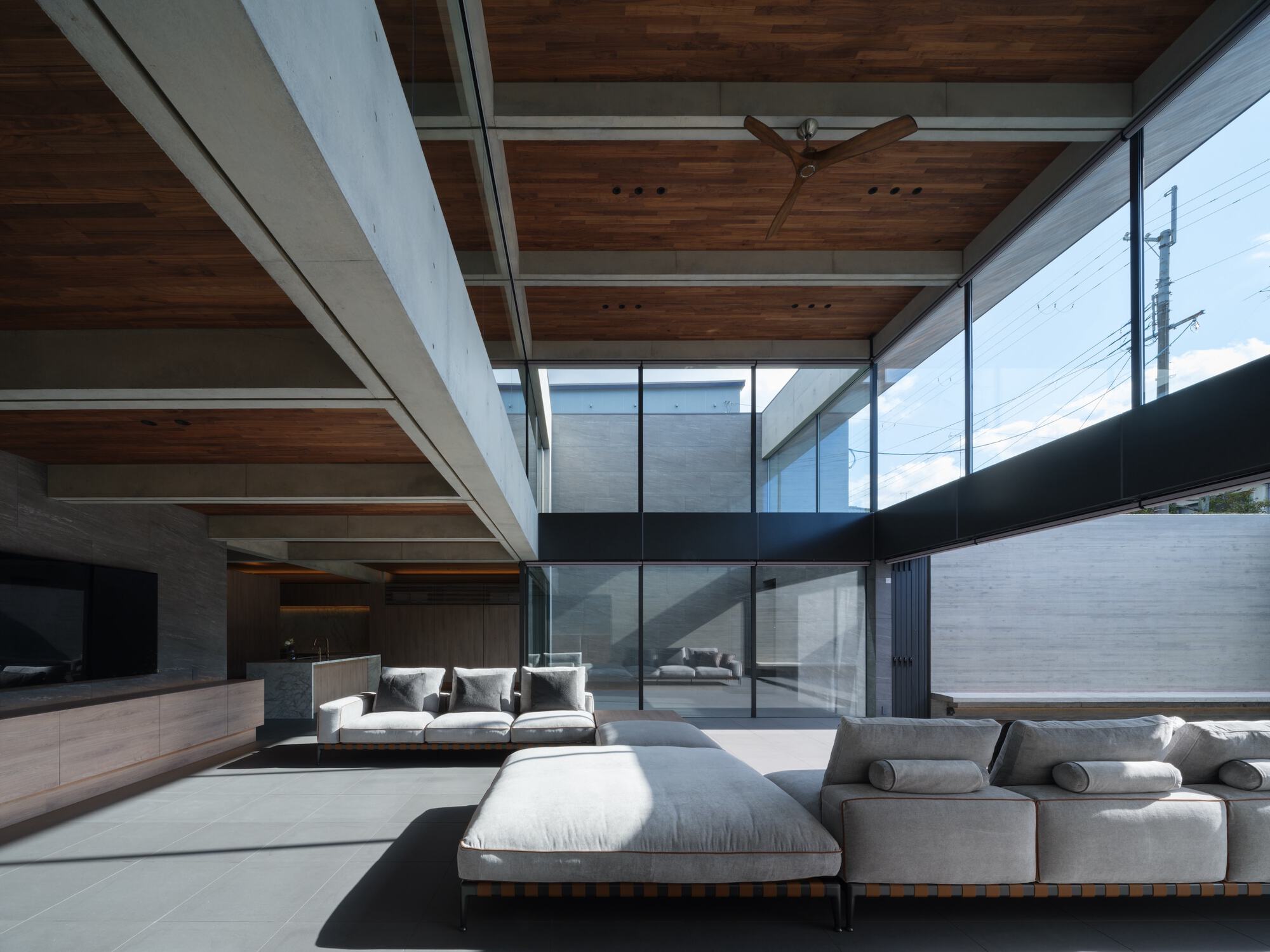
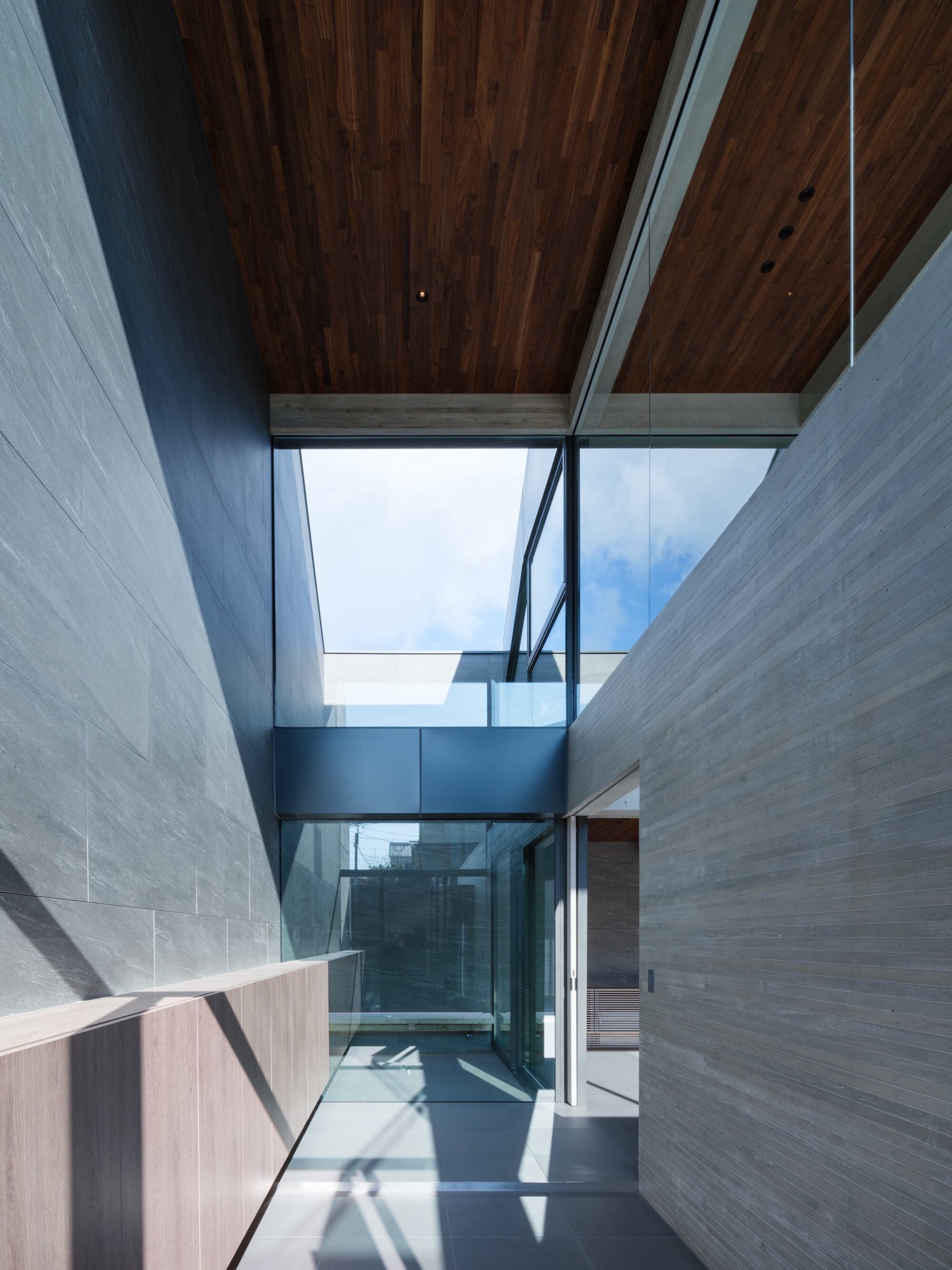
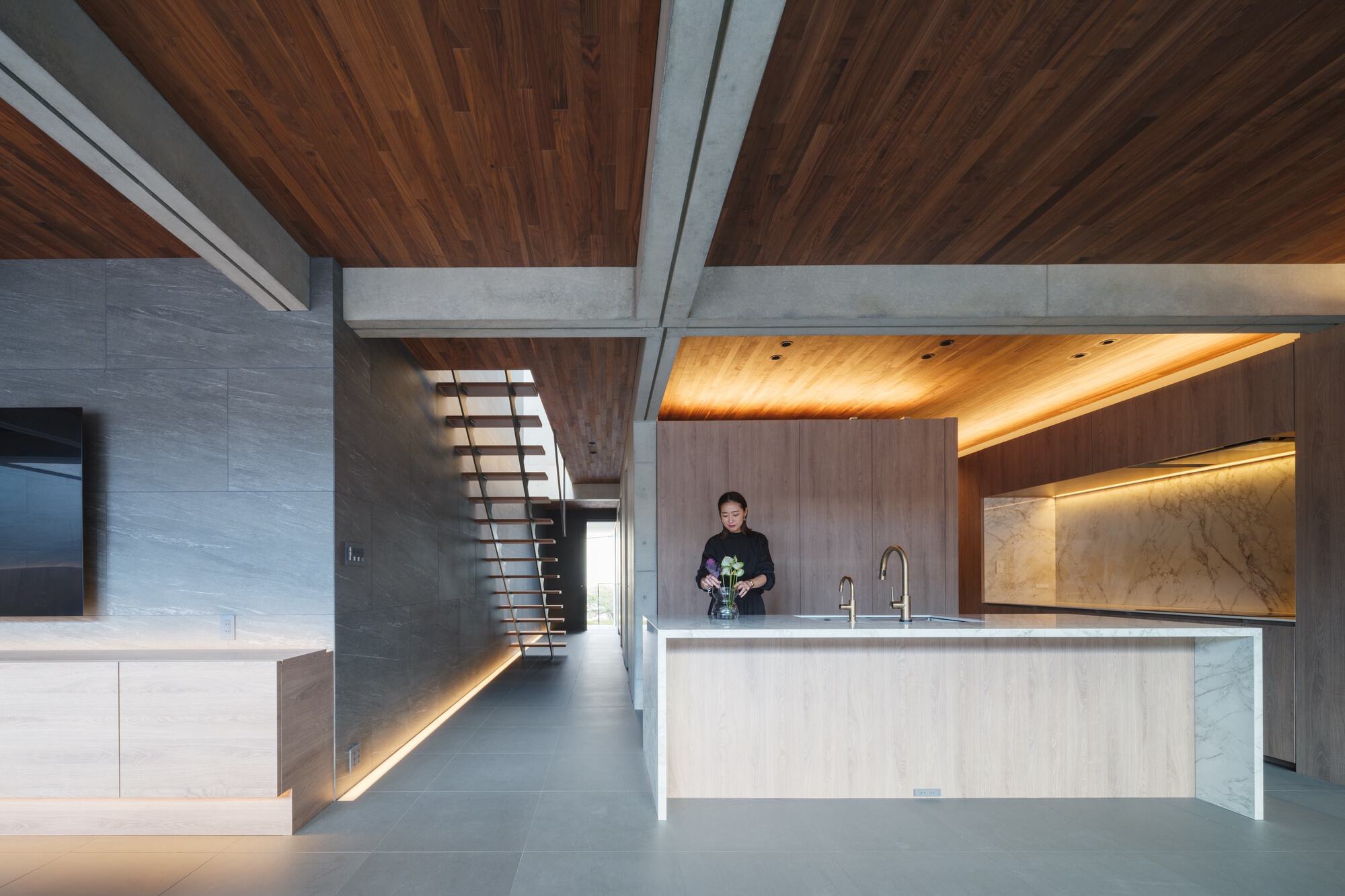
The main entrance opens into a two-story atrium space, where light streams in from high windows positioned on both the north and south sides. Guests are warmly welcomed by a cozy entrance courtyard visible directly ahead. The family living area, located within the atrium space, is complemented by a total of three courtyards of various sizes.

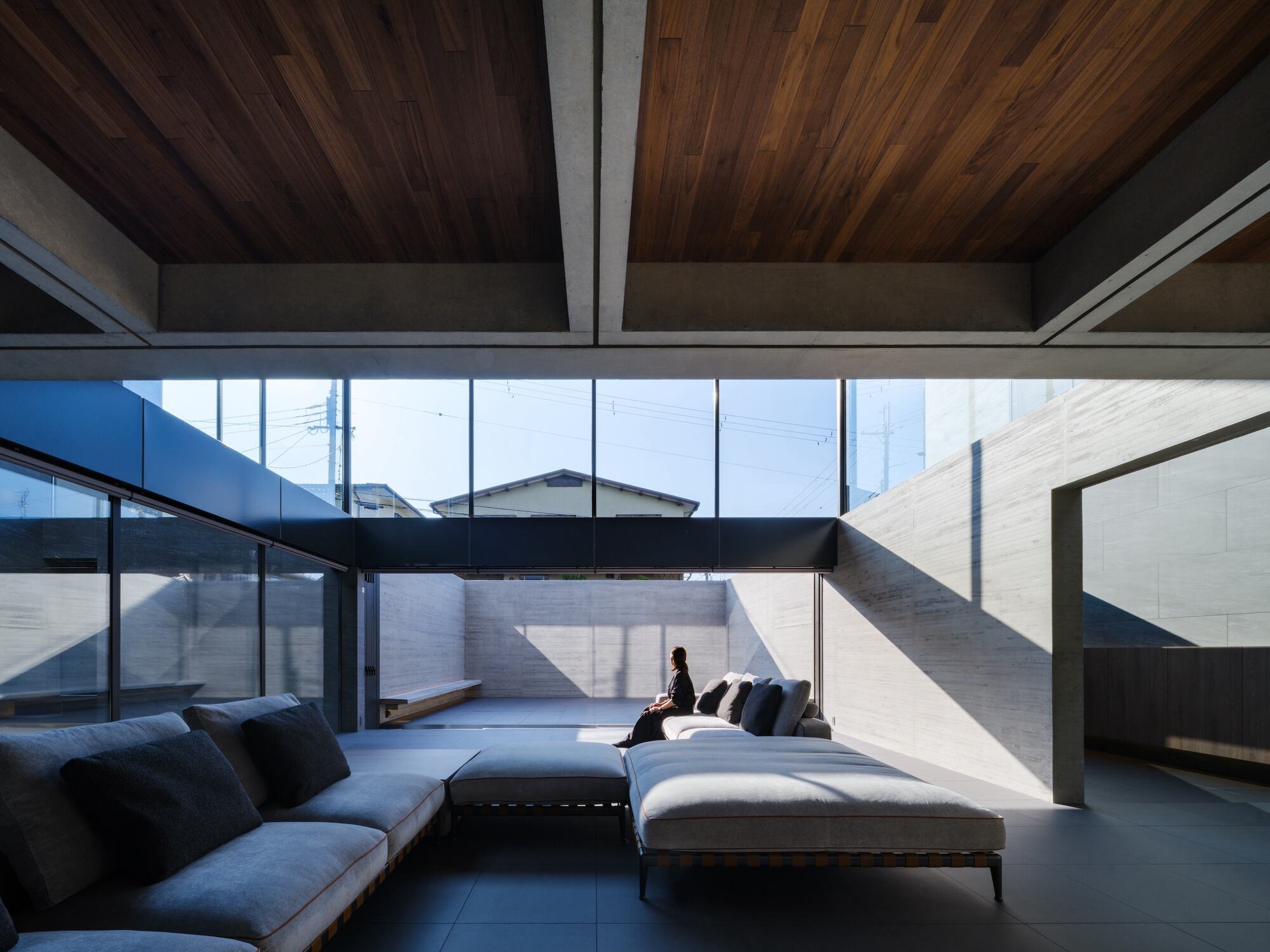
In addition to the entrance courtyard, there is a courtyard in the kitchen and dining area that draws natural light all the way into the back of the kitchen, as well as a central courtyard equipped with a bench and full-opening sliding doors. Each of these distinct courtyards makes a unique contribution to the spatial experience within the home.

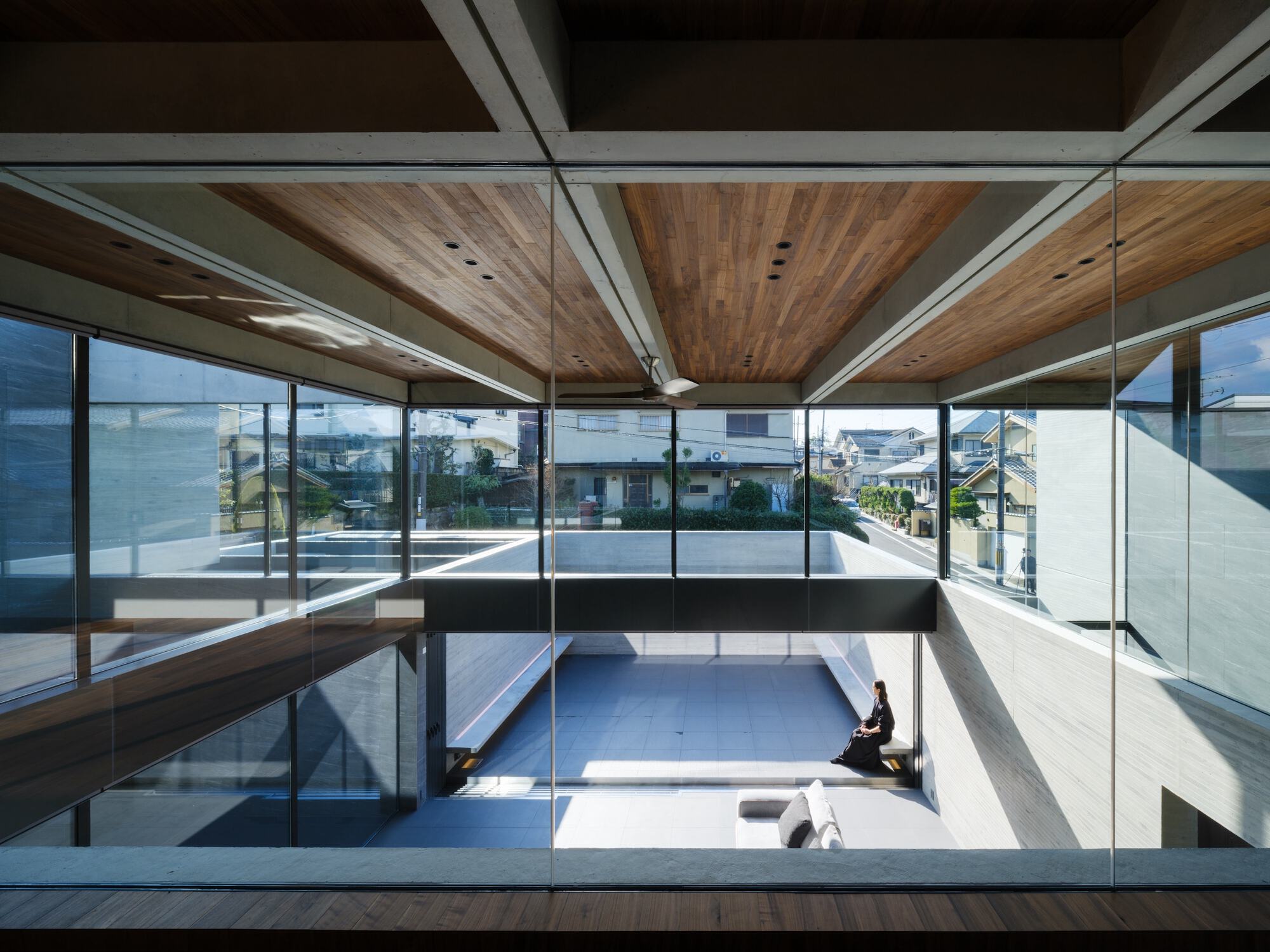
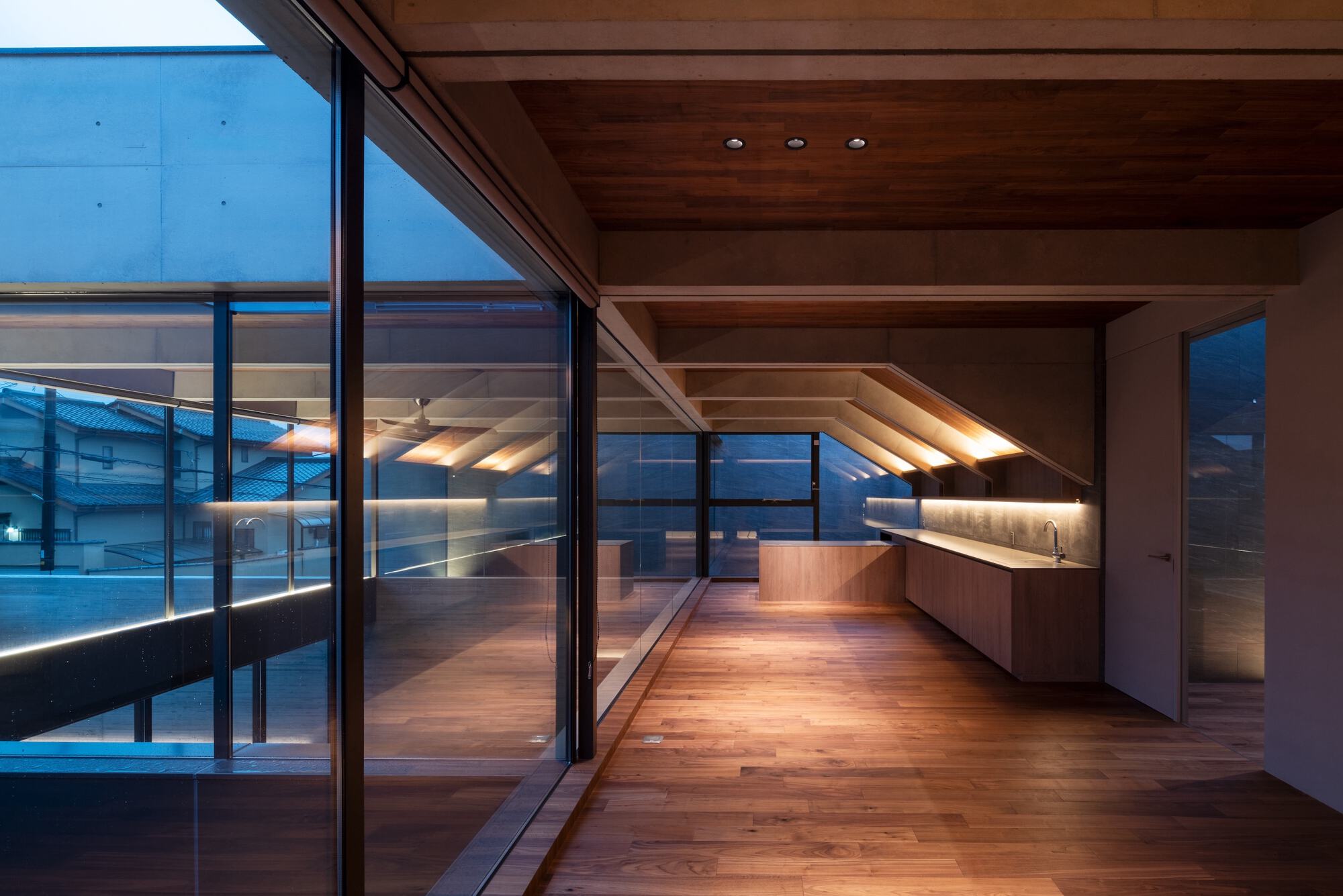
The second-floor workspace is equipped with dedicated office and meeting areas as well as fitness facilities, providing a perfect base for remote work. From the living room's atrium, one can look up through the glass to catch a glimpse of people engaged in work or physical training, creating an atmosphere that promotes both productivity and well-being.

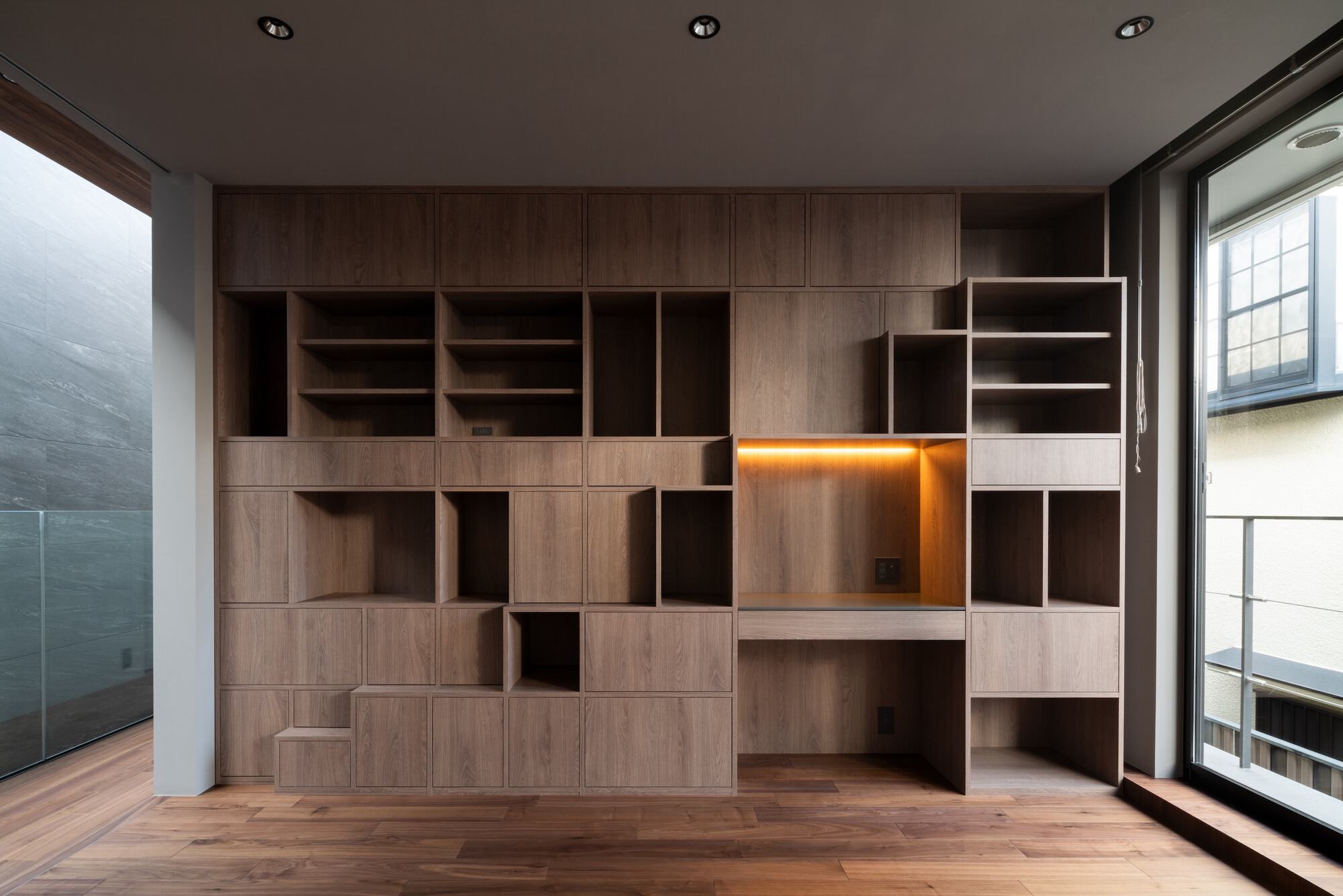
Additionally, the ceiling features a visually striking combination of concrete ribs and recessed solid walnut panels, creating a coffered effect that spans the entire living space. This element not only introduces a distinctive rhythm and harmony but also serves as the foundation for the interior design of the space.

Private rooms and wet areas are concentrated near the secondary entrance, while public areas such as the living and dining rooms and outdoor spaces are laid out near the main entrance. ELEMENT subtly integrates these various scenes of daily life to create a unique narrative, serving as a model for an environment where life and work are in perfect balance.

https://vimeo.com/1060774718

Oof! That feels brutal to me. More like an office block than a home I would want to spend any time in!