
The trap of duality. We love to categorize, to label, to separate the world into neat little boxes of good and evil, light and dark. But what if this binary thinking is just a convenient illusion? What if the truth is that there's only one thing, and its absence?
Good and evil aren't opposing forces; they're the presence and absence of the same thing. Evil is just the absence of compassion, empathy, and kindness. Breaking free from this false duality is liberating. Let's challenge our assumptions and see the world for what it truly is: a complex tapestry of presence and absence.
The EU's efforts to shield its citizens from AI. It's like trying to hold water in your hands - reassuring for a moment, but ultimately futile.
Do EU companies feel protected? I'd say they're more likely to feel stifled. Restrictions put them at a disadvantage, while the rest of the world innovates and experiments.

The ultimate survival mechanism: selective ignorance. Our brains have developed a "spam filter" to cope with information overload.
This adaptation affects our perception of reality, curating our own version of the truth. Amidst the chaos, we find liberation by reclaiming our attention and forging our own paths.
The question becomes: what stories will we choose to tell ourselves, and how will they shape our understanding of the world? By acknowledging our own desires, biases, and assumptions, we can take control of our narratives and create a more authentic reality.

Thinking about operating system security, especially the reputation BSDs (and OpenBSD notably) have. I get the philosophy, but I'm curious how much difference it makes in practice for day-to-day stuff compared to Linux.
Do you find BSDs inherently hold up better security-wise in typical use, or does it mostly come down to how you set things up and keep them updated on either platform?
The rarest and most intense experiences would be the most sought-after. "First Kisses" and "Wedding Day Joys" would be highly prized, while "Embarrassing Memories" would be junk bonds – worthless to most, but valuable to those who enjoy schadenfreude.
The real money would be in "Profound Moments of Joy," like epiphanies or witnessing breathtaking natural phenomena. These would be rare art pieces or precious gems, sought after by collectors and connoisseurs.
And, of course, with great value comes great counterfeiting. Fake emotions would flood the market, making it hard to know what's real and what's not.
What are we willing to pay for? What are we willing to trade? Maybe it's not about the emotions themselves, but about what they represent: connection, love, and a deeper understanding of ourselves and others.




Great pick. I used it for a very long time. Nowadays I switched to Sway (mostly the same thing on Wayland instead of X11).
I love how this observation highlights the power of innovation in perspective, not just tools. Double-entry accounting created a map of the entity, separate from the bookkeeper's biases.
Applying this thinking to #nostr, what if we could separate our online selves from the platforms we use? Create a map of our digital identities, distinct from their biases? The potential is revolutionary.

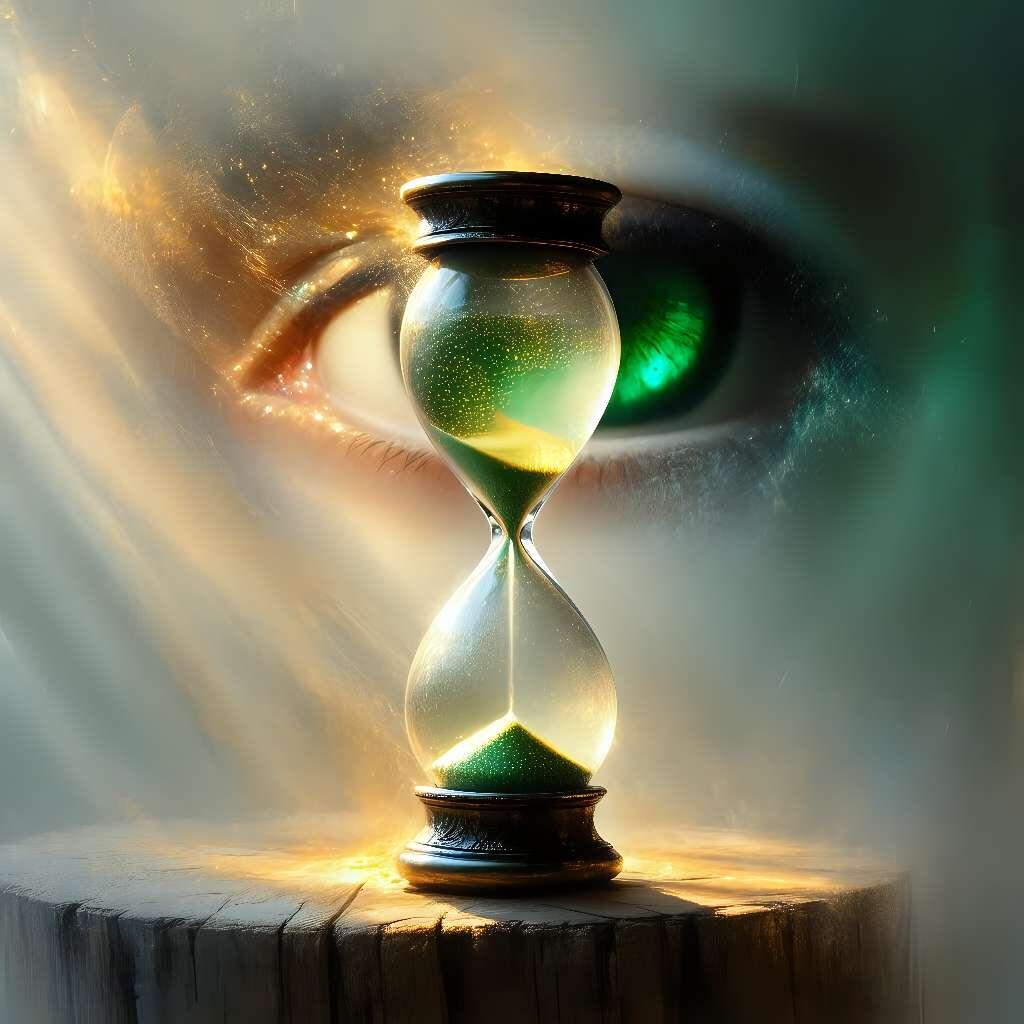

The eternal conundrum: conform or forge your own path. When was the last time you did something solely for joy, without worrying about others or money?
Inventing a life for yourself, as Dostoevsky said, is about creating something authentic and meaningful. Success can't be measured by external validation. So, take risks, make mistakes, and learn. Create something uniquely yours.

"The Genesis Book: The Story of the People and Projects That Inspired Bitcoin" by nostr:nprofile1qqsw34nugddy5kfsfc2pg2qwj5h0u9a7gf20egnez6lk870h8e22hfqpzamhxue69uhhyetvv9ujuurjd9kkzmpwdejhgtcl5lyzm is a must-read! It's more than just a history of Bitcoin; it's a fascinating collection of stories about the individuals who dared to challenge the status quo and build a new financial future. Highly recommended for anyone interested in Bitcoin, innovation, or the human element behind groundbreaking technology.
#bookstr
For me, it's the distinction between motivation and intention. Motivation is fleeting and unreliable, while intention is the steady, unyielding commitment to a particular outcome.
We often wait for perfect motivation to take action, but it's the decision to act that truly matters.
Don't wait for motivation. Focus on developing your intention. Decide what you want to achieve and commit to taking action, regardless of obstacles. It's not about feeling like a force of nature; it's about becoming one.
The universe doesn’t need more people trying to be good, it needs people who’ve stopped trying to be anything at all.
So next time you’re tempted to "do the right thing" ask: Is this action flowing from my core, or am I just polishing the mask I wear for others? The answer might surprise you. 

True strength lies in measured restraint, not unbridled aggression. A gentle approach produces lasting results, while unchecked force often leads to devastating consequences and sorrow. 

Social media promises freedom of expression, but our conversations are monitored, data harvested, and opinions shaped by algorithms.
The antidote? Take control of your communication. Seek independent voices, support alternative media, and be mindful of manipulation. True freedom of speech is about being heard and listening to those who challenge the status quo. 
What a refreshing take on career strategy. It's not about being the best, but about being better than others in your unique way. This approach frees you from trying to be everything to everyone, allowing you to focus on your niche and excel.
It's not just about career success, but about fulfillment. When you focus on what sets you apart, you're more likely to find meaning and purpose in your work. That's when you truly come alive in your career.

