
plants are so resilient. I haven't tended to my garden in at least two years but these iris are like idgaf, we gonna bloom. 
#grownostr

we play 90s hip hop, Nintendo lofi, classical (mostly Vivaldi), orchestral arrangements of video game music and Ghibli, 80s pop and rock (Whitney Houston!), Jay Chou.
A few tracks that I love are The Lark Ascending composed by Vaughn Williams and Music for Airports by Brian Eno.
She mostly listens to whatever I listen to, so since birth, a diet of jazz, metal, Minimalism, Baroque, Persian music, Senegalese music, Eastern European folk music, and cozy acoustic music including bluegrass and related sounding styles.
Music played especially for her is of three kinds:
1. Her mobile came with the ability to play a bunch of typical baby songs. I wouldn’t have chosen them, but she actually loves her mobile, so what she loves she gets 😁 she especially loves when I sing along with them, too… so if I know the words I will, or sometimes I (and always nostr:npub1jrx2fk666k5nt8vgak9xwyxlgcwh8fl9rvpwvvcpdthuqkcnptrqdfhtaq ) will just make up words 🤣
I also sing her the one lullaby from my childhood I remember, a Scottish folk song.
2. I made a playlist of songs with lullaby vibes before she was even conceived and play this sometimes when I’m hoping to calm her down or keep her calm:
https://open.spotify.com/playlist/2k72BEdtpwbroGQtZKkOrf?si=wAhdehj7RDyYJ7_LAdDbvw&pi=u-Lf9jUrPDSI2W
3. I made a playlist of songs that I could probably sing to her with Chinese lyrics while I was pregnant; this one hasn’t been played nearly as often as intended 🤣 I always just end up skipping to 苏阳乐队 songs because that’s what I like to hear and sing 🤣
https://open.spotify.com/playlist/18frXeq0Ry3HEiM1A7uAmn?si=diOFZEhYRuWzfiImS3DBUQ&pi=u-9DZI3wKVTw-O
thanks for sharing the playlists ❤️
SNOOP DOGG HAS A KIDS ALBUM?!?! that's awesome. I'm definitely playing this for the kiddo.
those artists were risk takers in their time.

I wanna know what music y'all are playing for your babies
usually video game lofi for us. Zelda and chill, and the like.
or if he's awake, we put on classic hip hop 😆
I've hosted lots of overseas visitors who are visiting the US for the first time and I always ask them "what American thing do you want to see most?"
one of the replies that I'll never forget is that they wanted to see an 18 wheeler.



in my experience with USA and SEA devs, two developers can have the same level of technical experience, but when developing software for a western market, the cultural gaps put the SEA devs at a disadvantage and meant the project manager had to do much more work to bridge the gap.
Full Moon for little taro today 🌝 I can't believe he's a month old now. he's dressed to the nines and has all his bling on for the party today 🐉 
#momstr
market research should drive development because the marketing data represents what the users want and will pay for.
devs don't like marketers cuz they don't like being told what to do. in the nostr space, no dev is being paid enough to make a thing that someone else told them to make. they want to make their own thing and bring what they think nostr should be like to life.
any dev who wants to see more success in their work should work with a marketing person who knows their shit.

the algorithm is really what makes Tik Tok tick (very sorry for this pun)
it's not just about determining what to show a user on their For You page to increase their engagement and app use time but it also is about whether a tiktok video that they made should show up on other people's fyp.
How does tiktok know what videos and creators to serve to others? It's easy when that creator has an existing track record but how does it determine whether a new creator is worth serving to others? They have to promote new creators because that how you find talent and keep the content fresh on the platform.
when a new creator who has zero video making and editing experience uses the built in video creation tools to make their first video and it goes viral with a million views because TT made it so, it gives that person a sense of "oh shit, I could totally make it big on this platform." Maybe they do, maybe they don't. spoiler alert: most don't and they spend the rest of their life chasing that high. While they're chasing, they become very loyal (read: addicted) users of the app while also generating new content that could possibly be the next big thing.
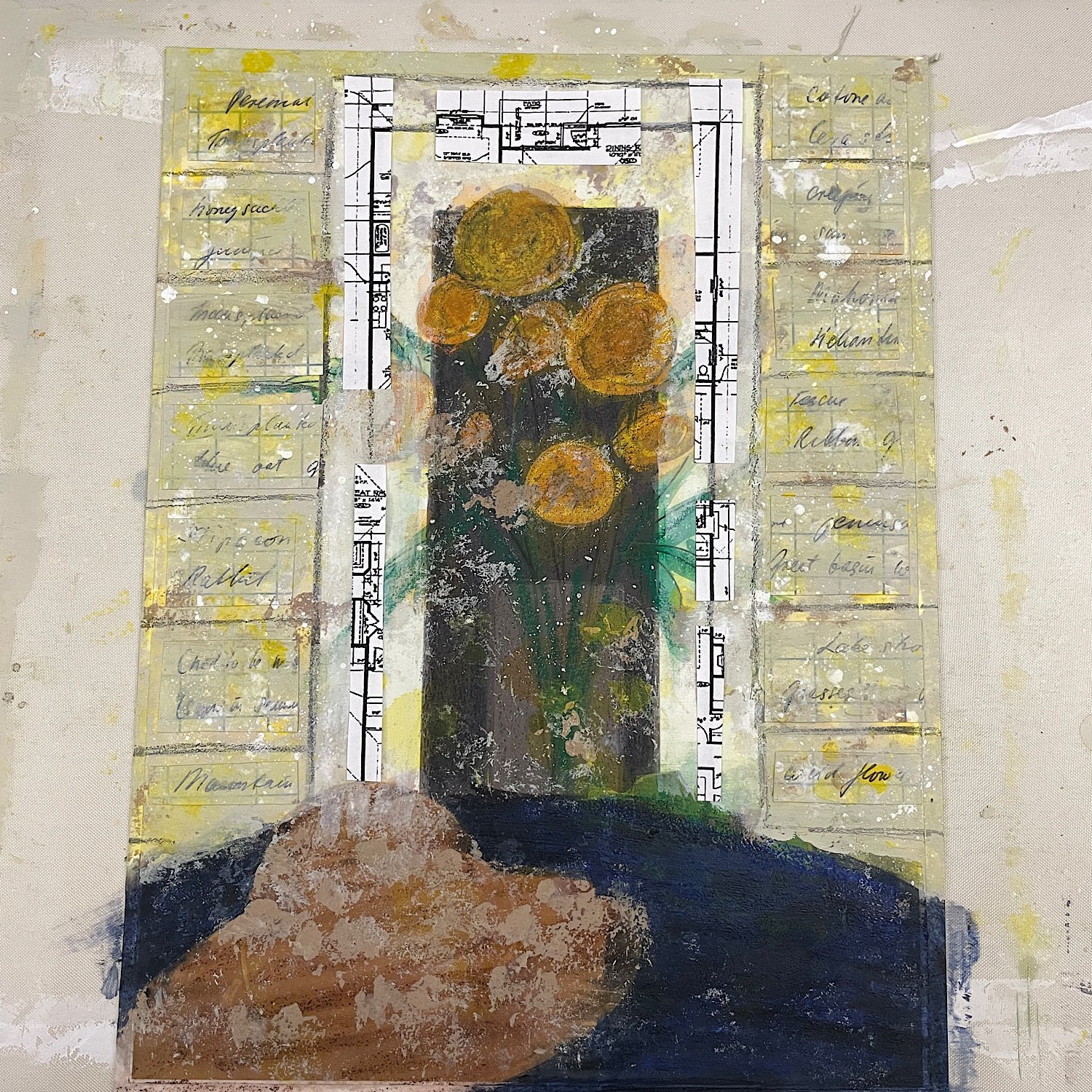

"what's gonna happening at the halving?"
"nothing. some people will throw parties but everything will just go on like usual"
"really? nothing changed? what happened at the last halving?"
"nothing"
stack sats, stay humble 👍

corn lovers as well


I think you turned down the color saturation on your grass. have you checked your video card settings? 😆
looks like fun out there!


dude, pet portraits can make bank. start by going to the local shelter to help take better photos for adoption listings. good starting point to build an audience and potential customer base.
